
Mayco Washes are a highly concentrated metallic glaze colorants, which are formulated for ease of use and versatility. Washes can be used alone for staining techniques or with any glaze from low-fire (cone 05/06), mid-range (cone 5/6), and cone 10.
Cone 6 chips have been fired flat in oxidation on white stoneware body.
Cone 10 chips have been fired flat in reduction on white stoneware body.
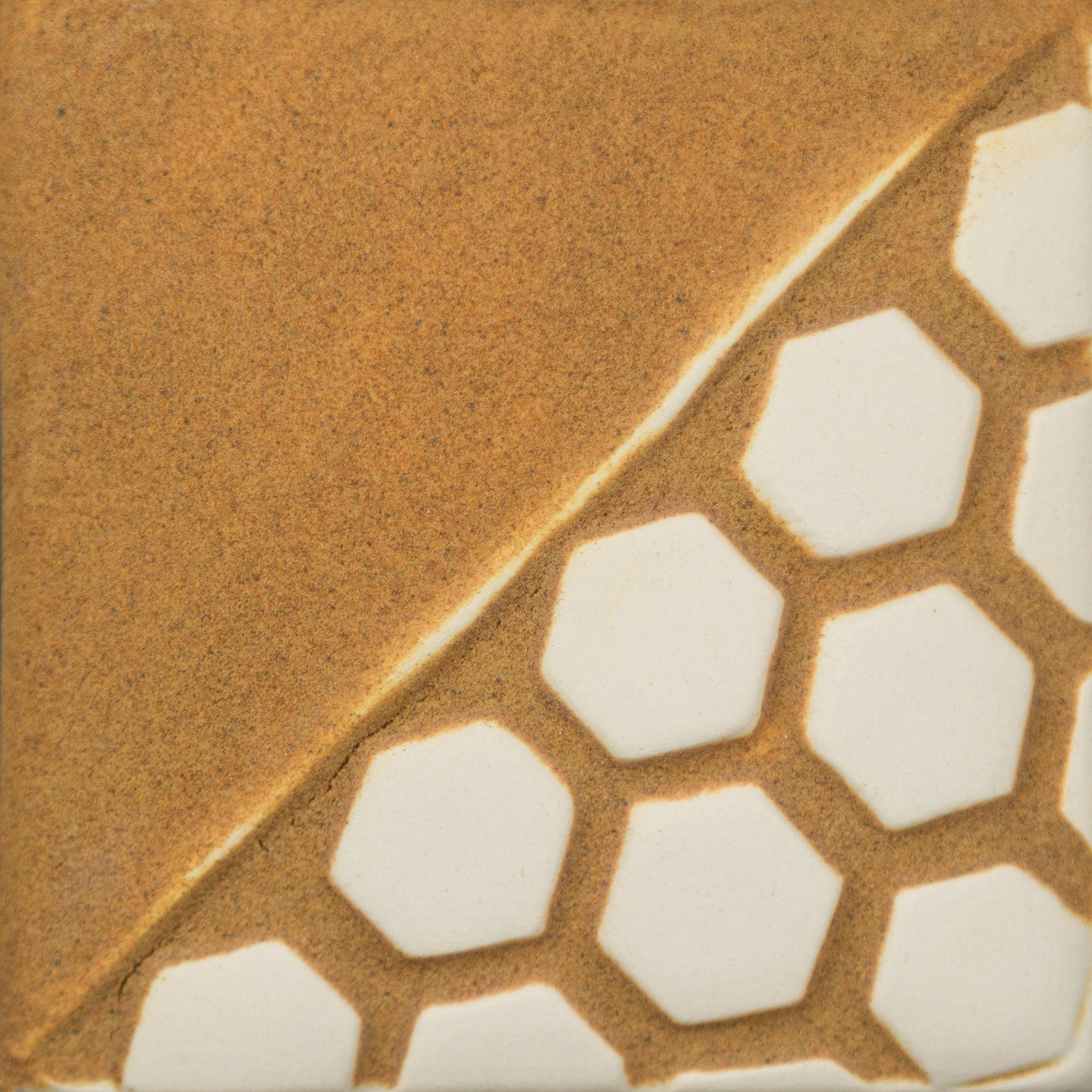
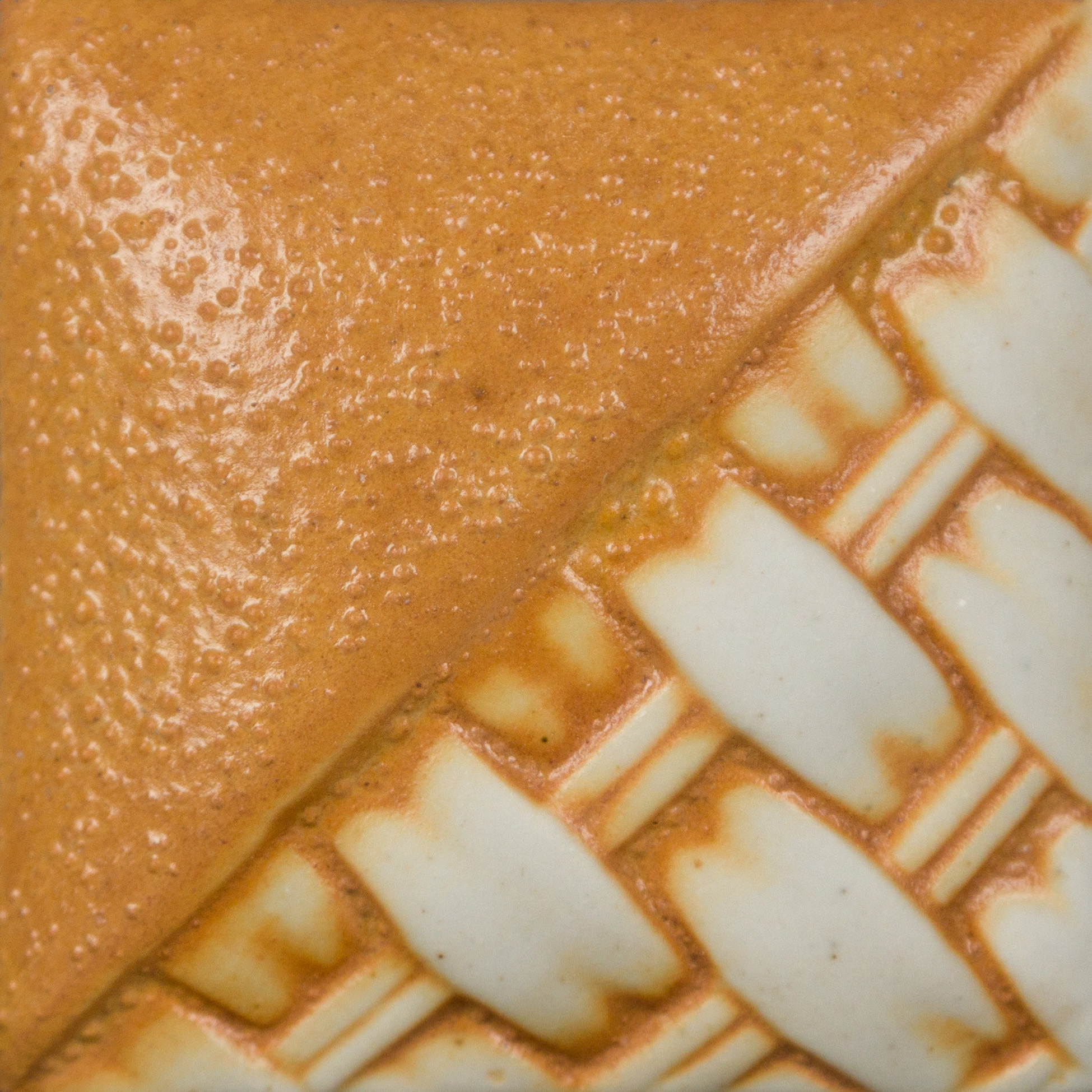
Mayco Washes are a multi-purpose product with limitless possibilities for glazing and body staining. Available in Iron, Rutile, Manganese, Copper and Cobalt finishes.
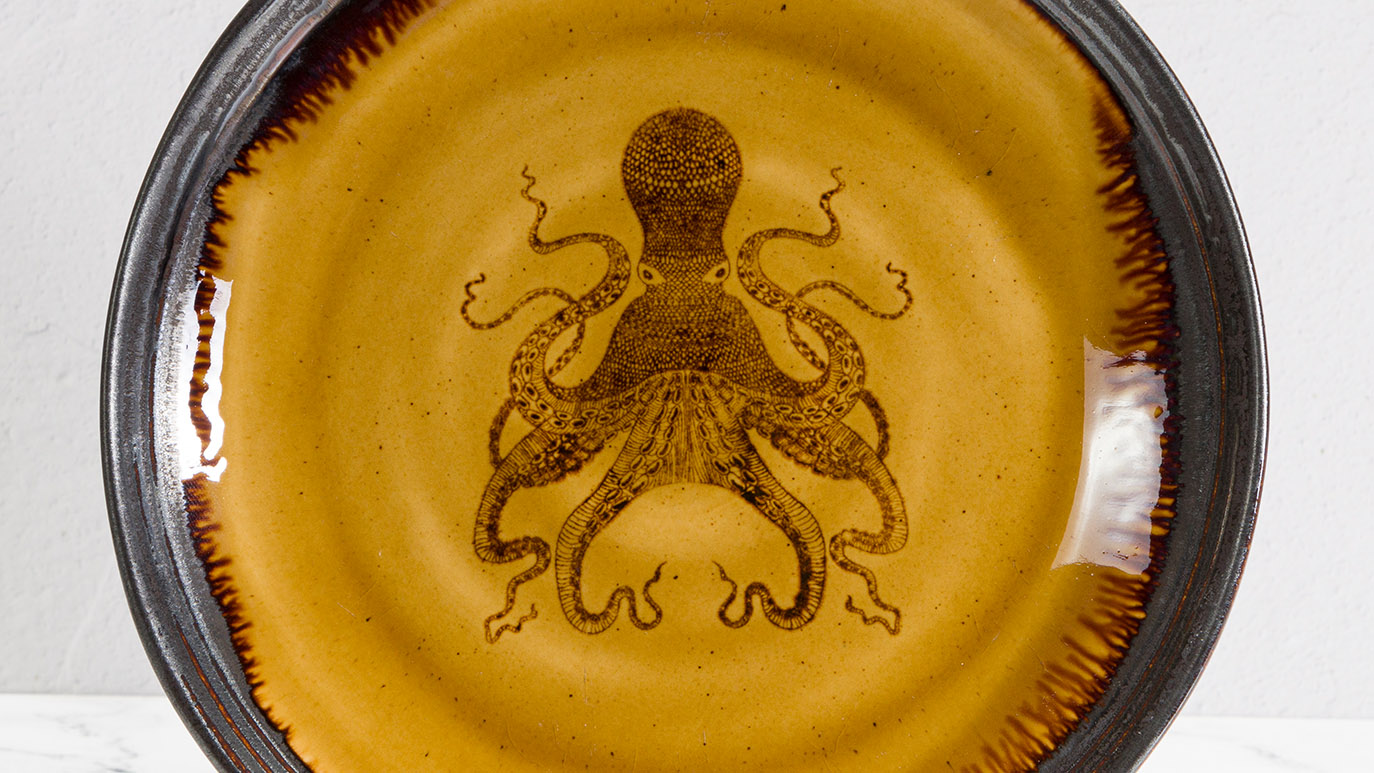
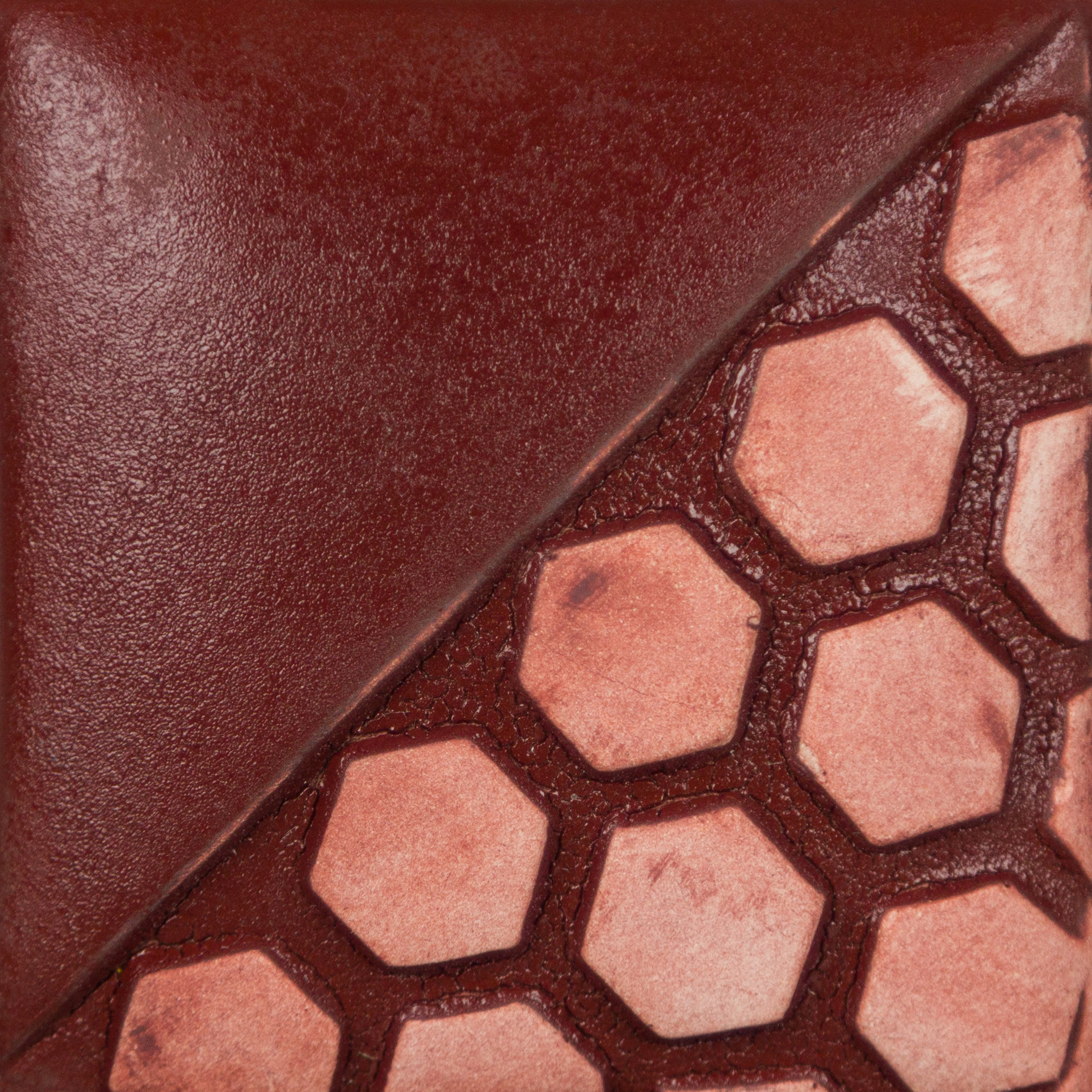
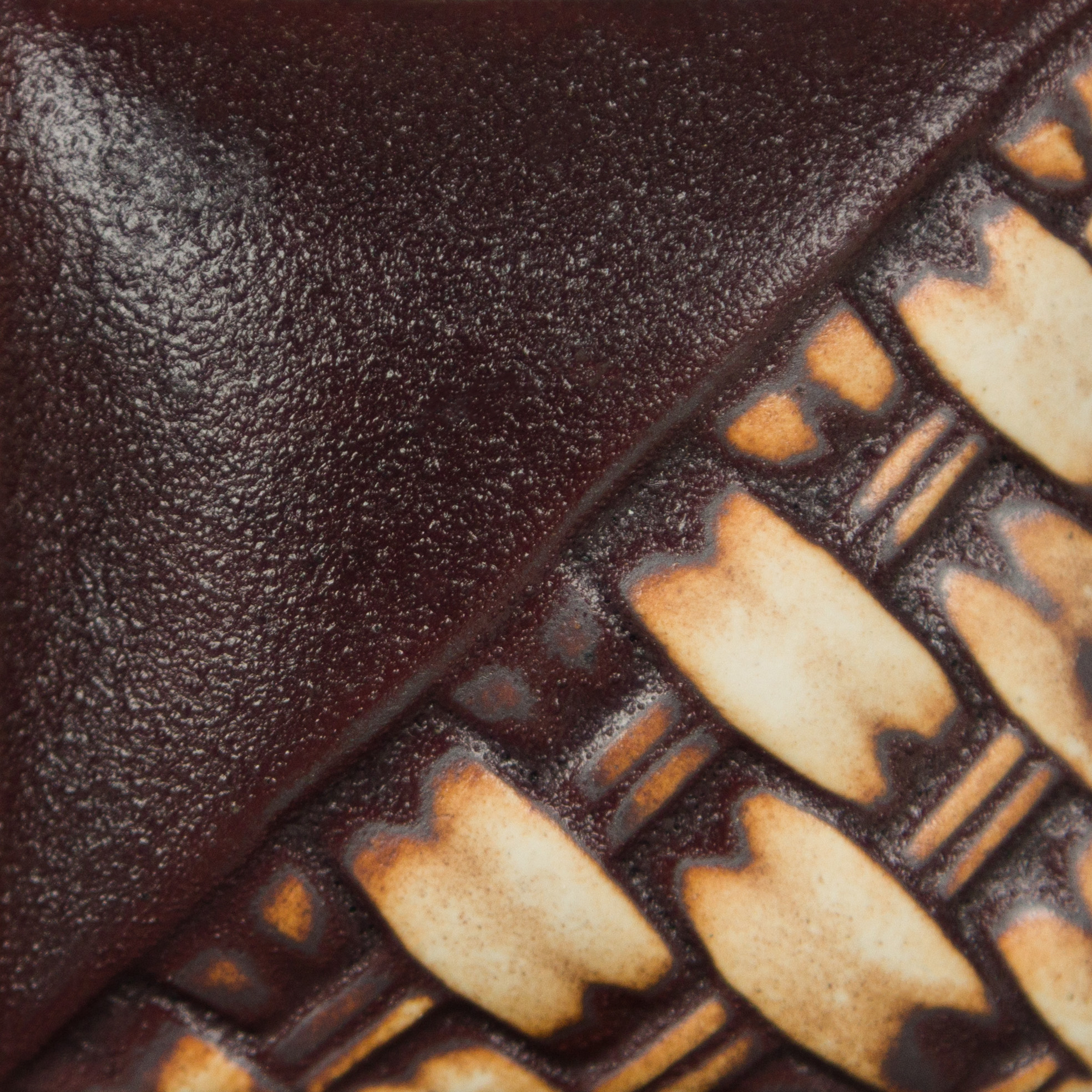
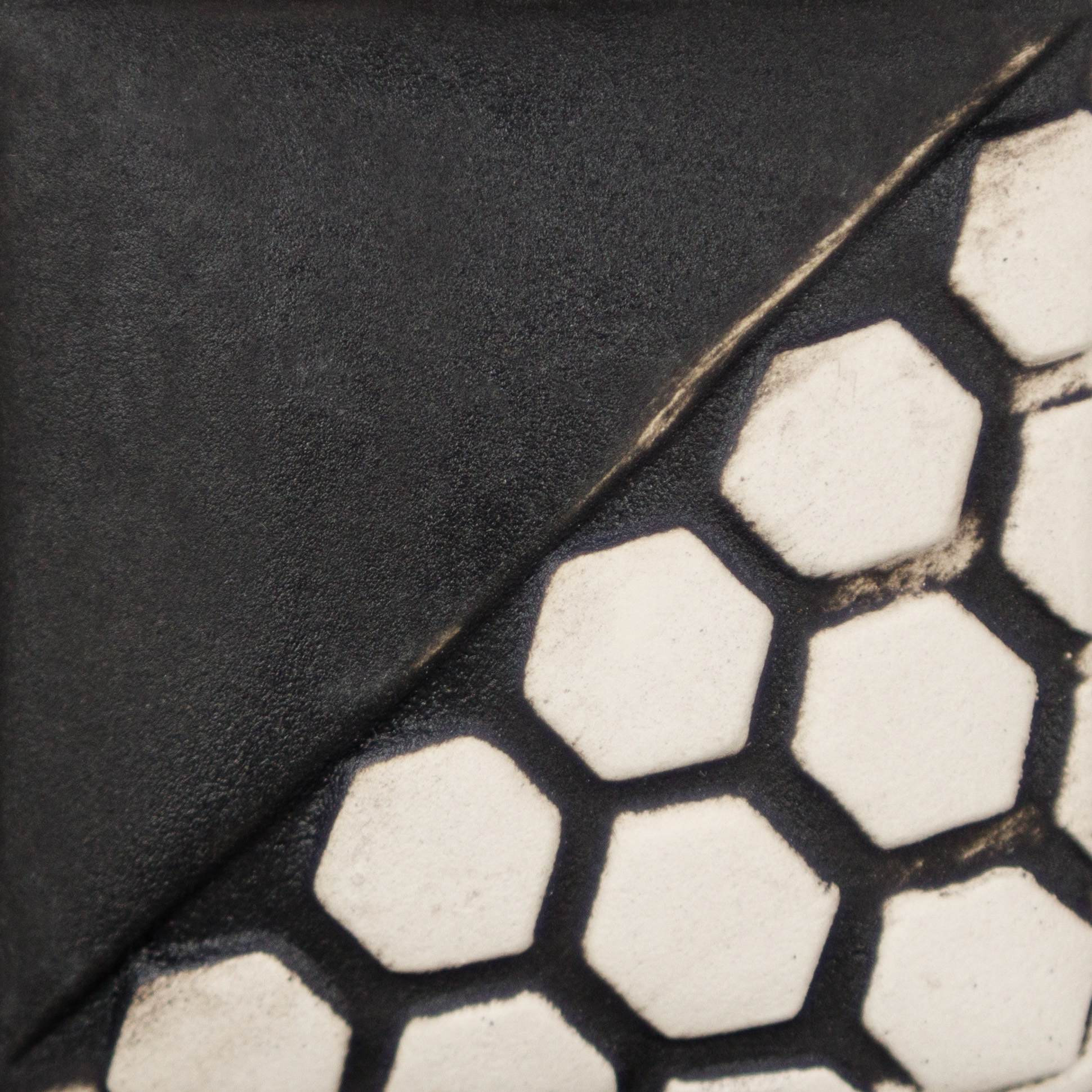
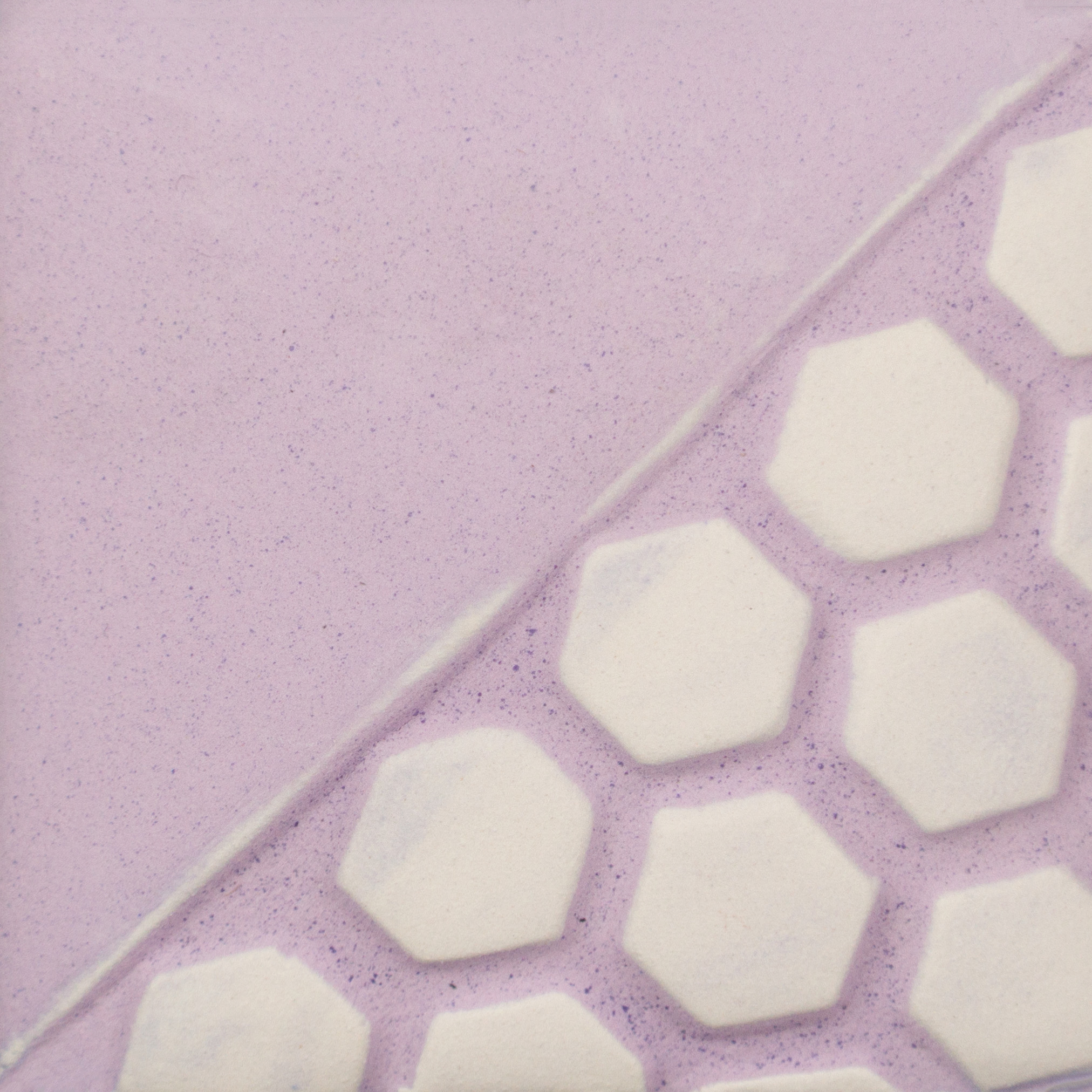
Iron Wash fires to an opaque deep rust red with a smooth matte finish. It works great for stenciling, stamping and silkscreening as it is a very stable product. When using in combination, apply a transparent and stable glaze such as a celadon or clear glaze to ensure stability in performance and maintaining details. Can be layered with other glazes to promote interactions and does not add much movement to combinations. Applying clear glaze can lessen the appearance of staining.
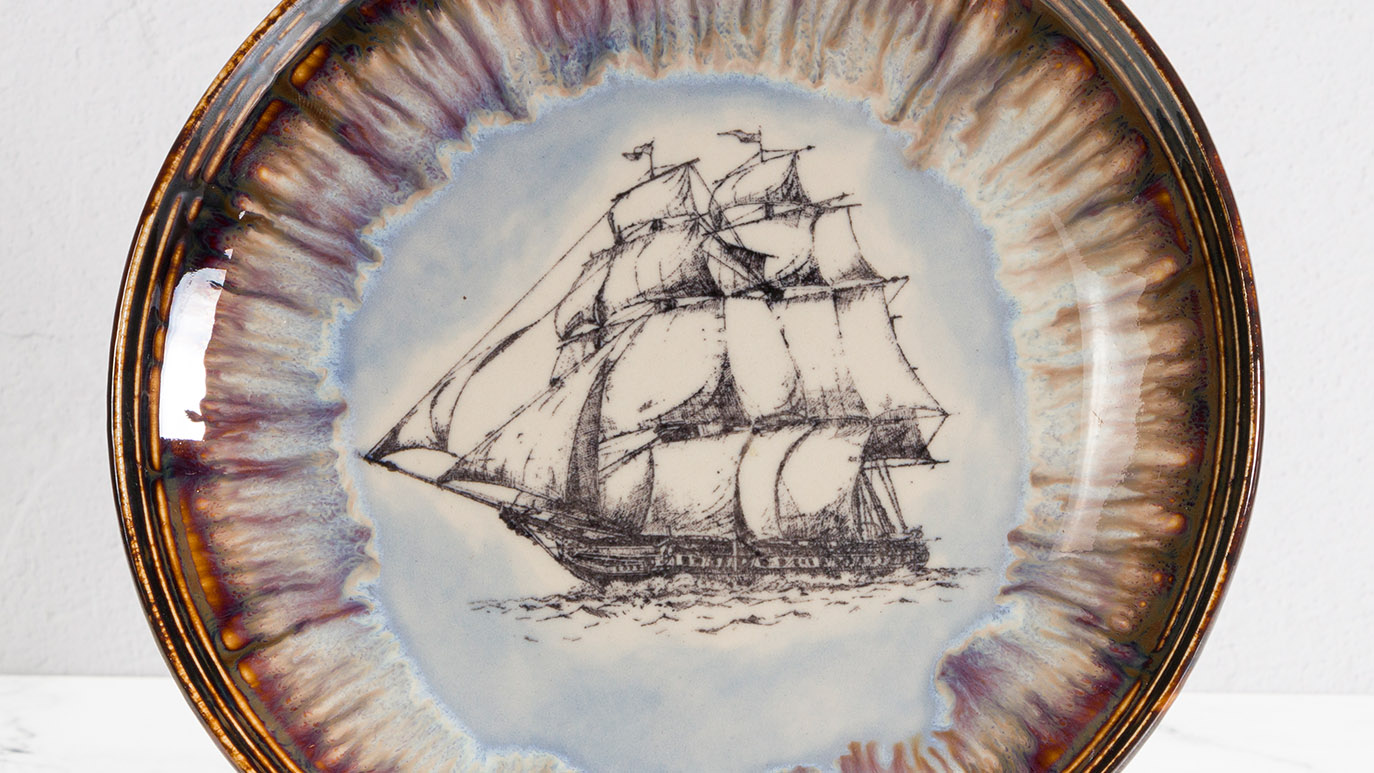
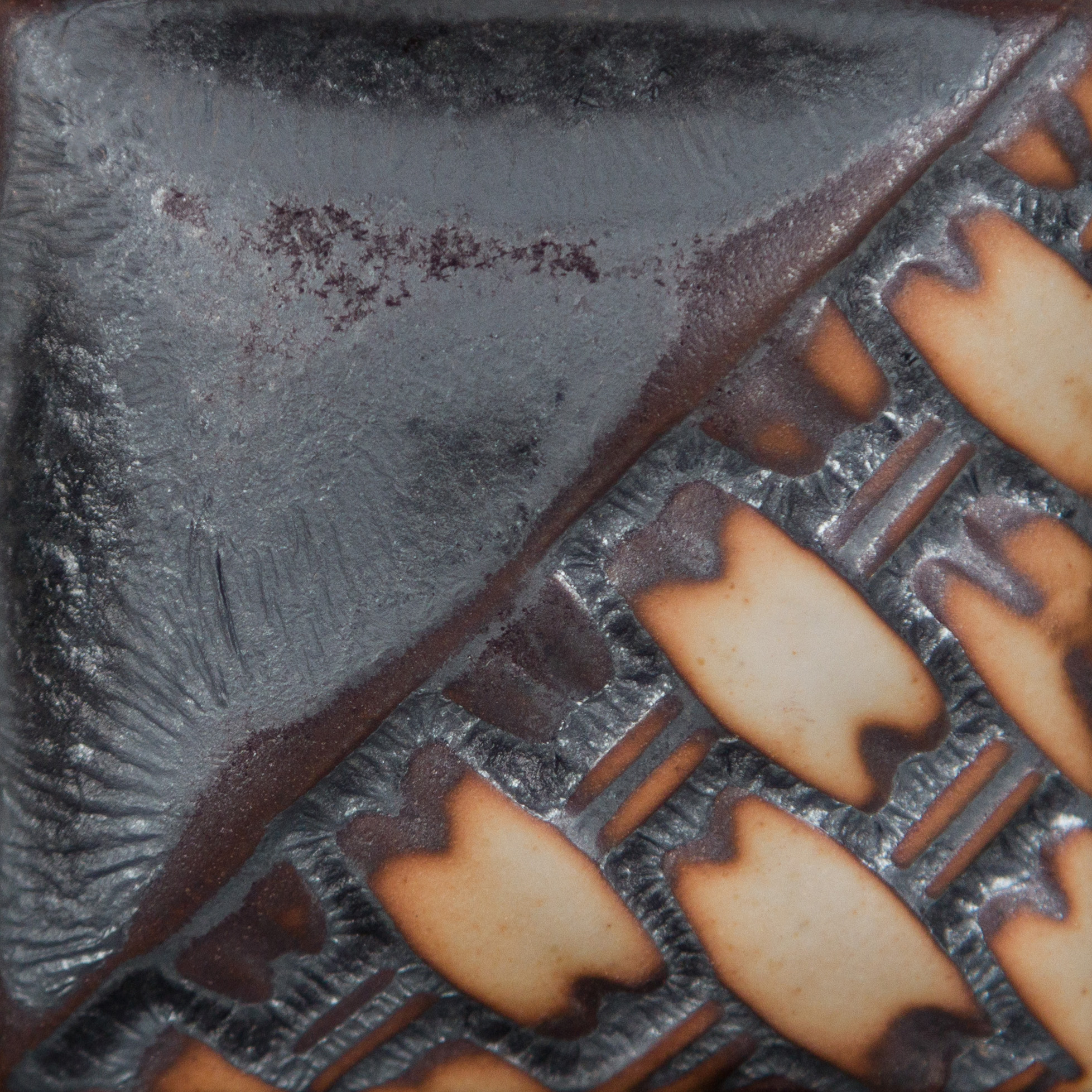
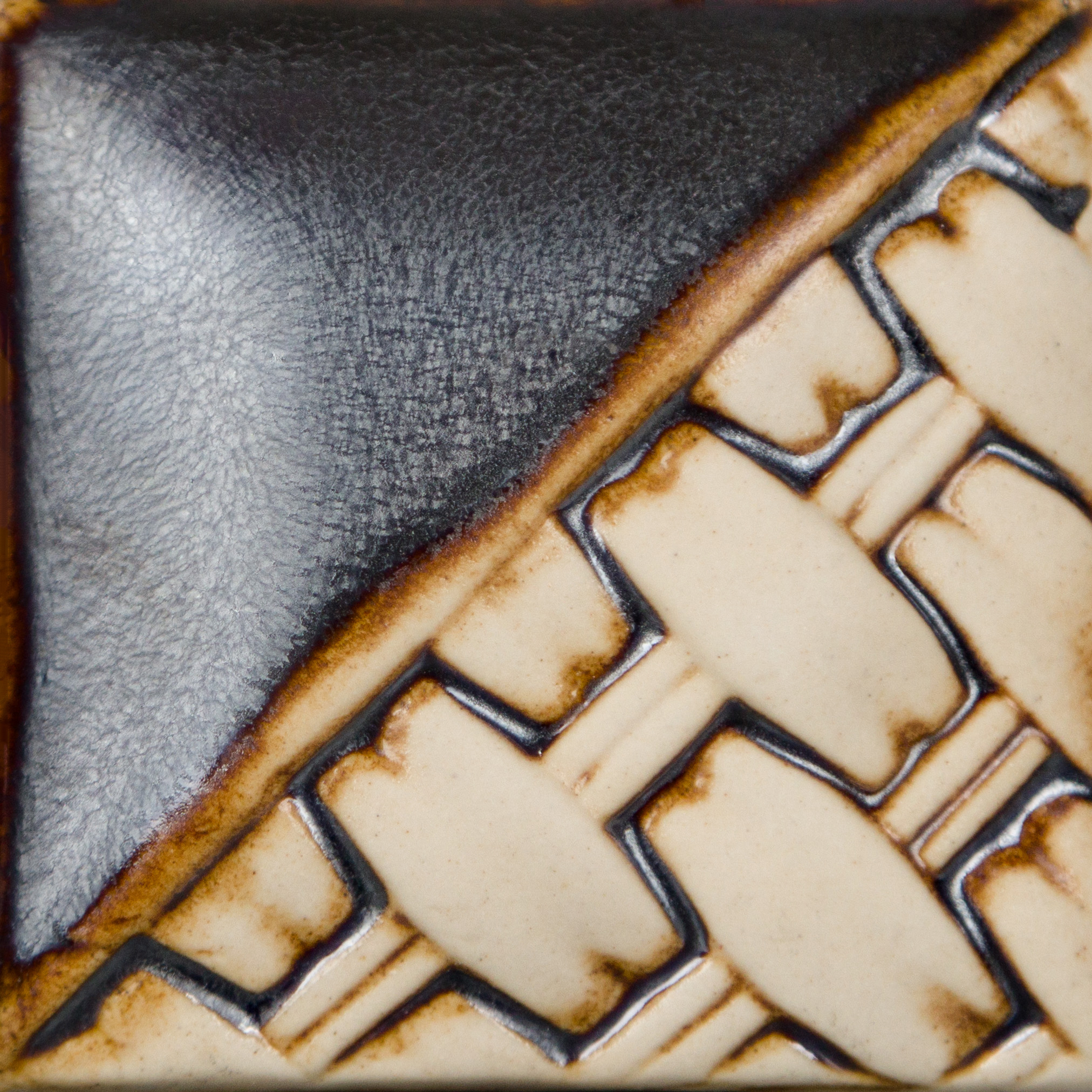
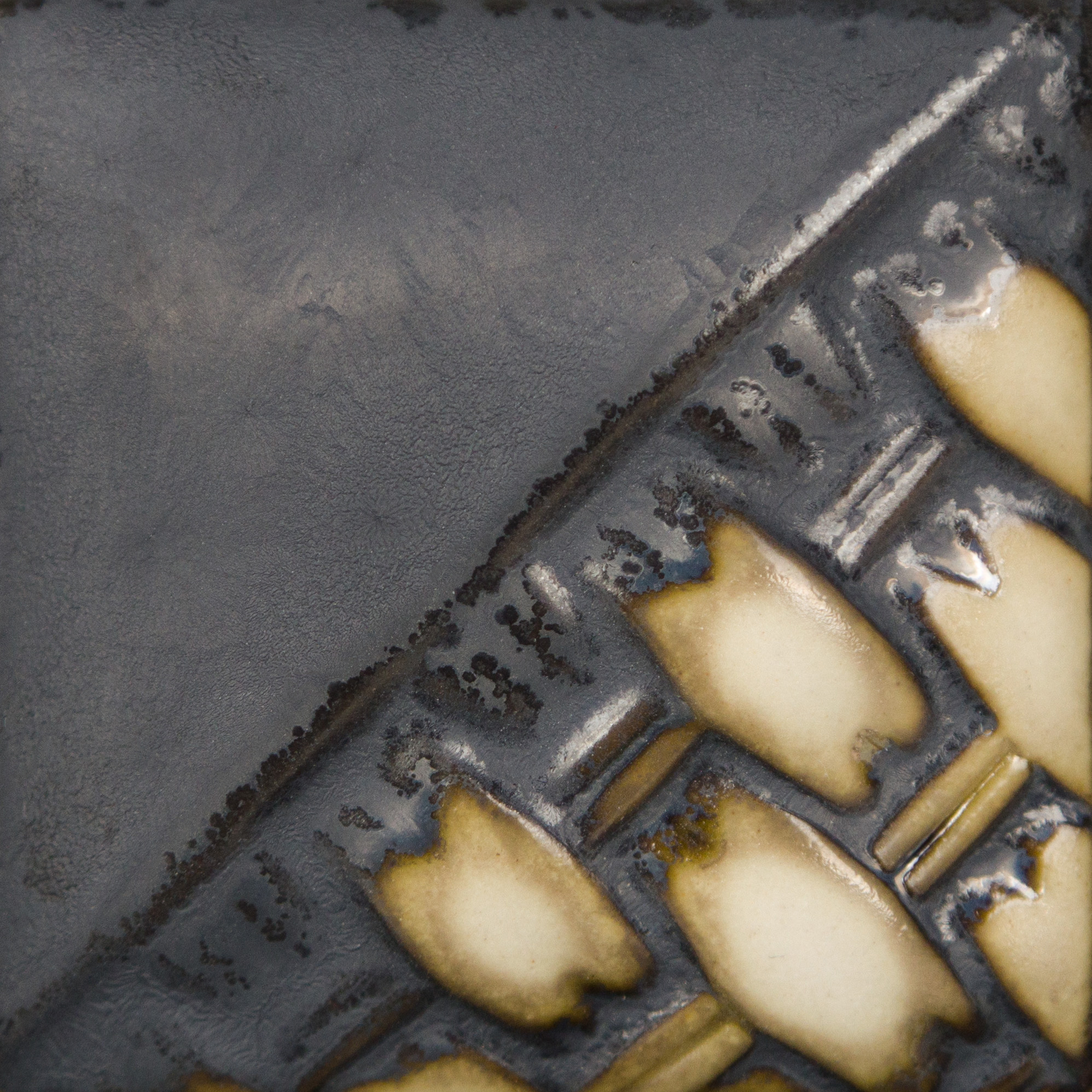
Manganese Wash fires to a warm metallic finish that breaks brown over texture. When used in combination, Manganese Wash will add some brown variation and movement to the glaze(s). The amount of mobility produced when using Manganese Wash in combination is dependent upon how much of each product was applied; how many coats of each and how many different products are being used; and the performance of the glaze it is being paired with. For example, layering Manganese Wash with a glossy glaze that breaks over texture will create more movement than layering it with an opaque matte glaze. We recommend only applying Manganese Wash to the top 2/3 of a piece when layering with other glazes because of the movement produced when layering. It works great when applied with a brush around the rim of a piece or applied with a glaze trailer in a pattern. Manganese Wash also works great as a body stain. Applying clear glaze can lessen the appearance of staining.
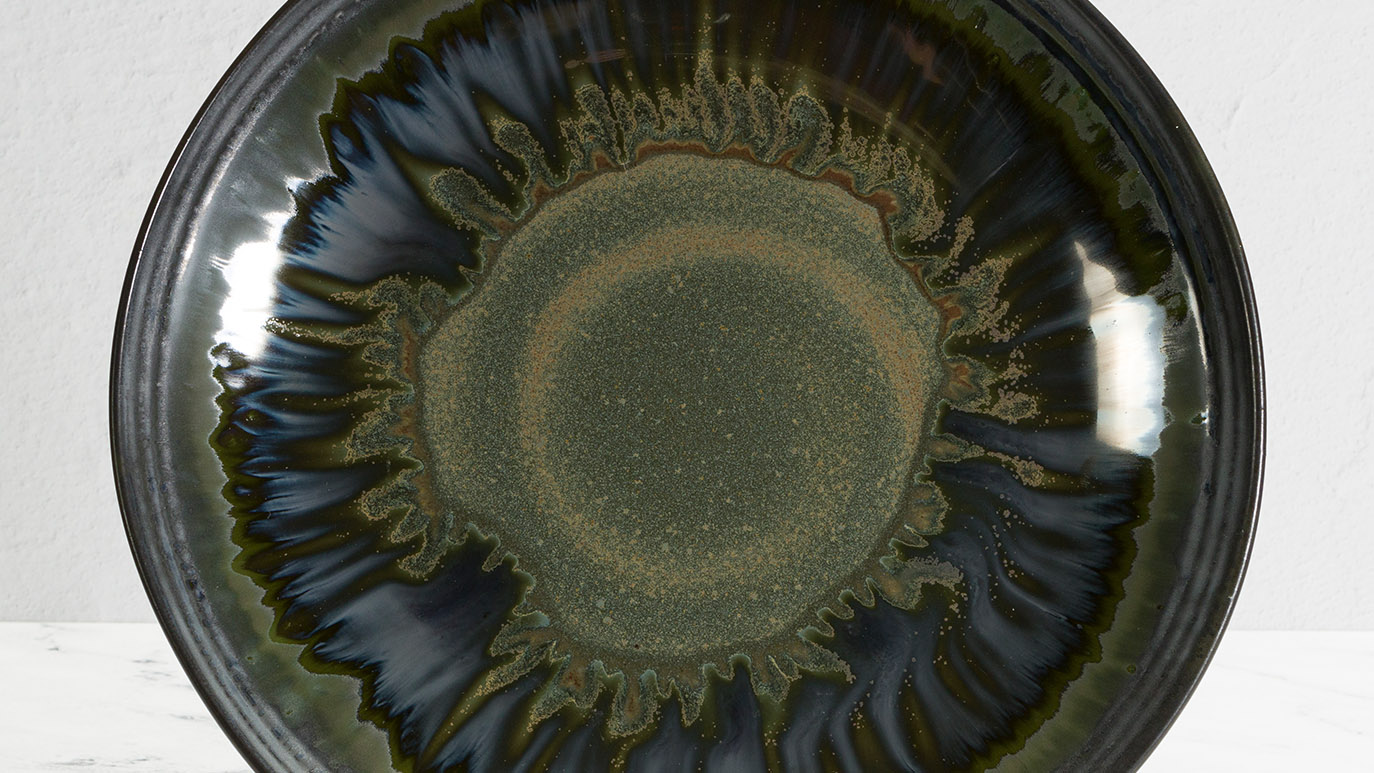
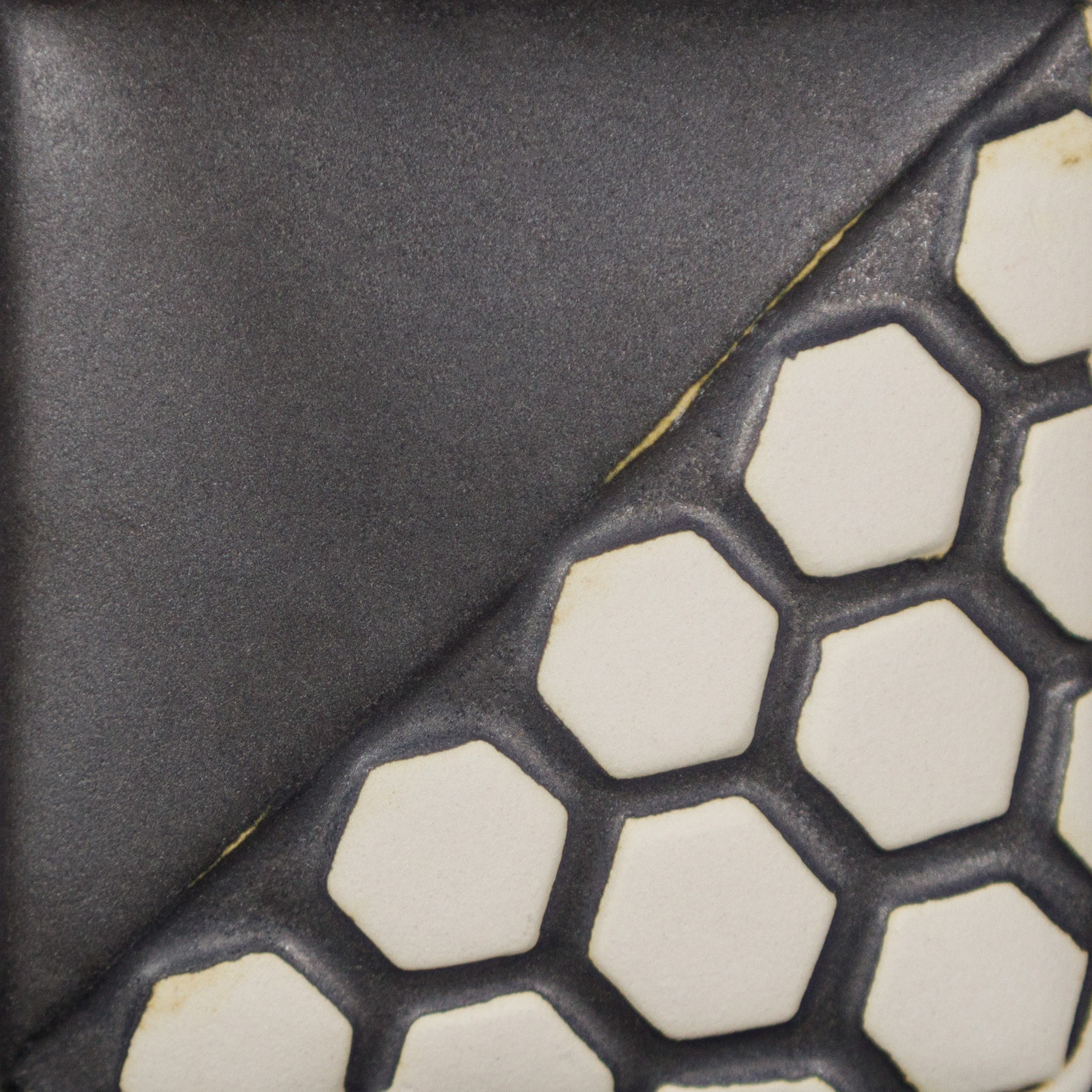
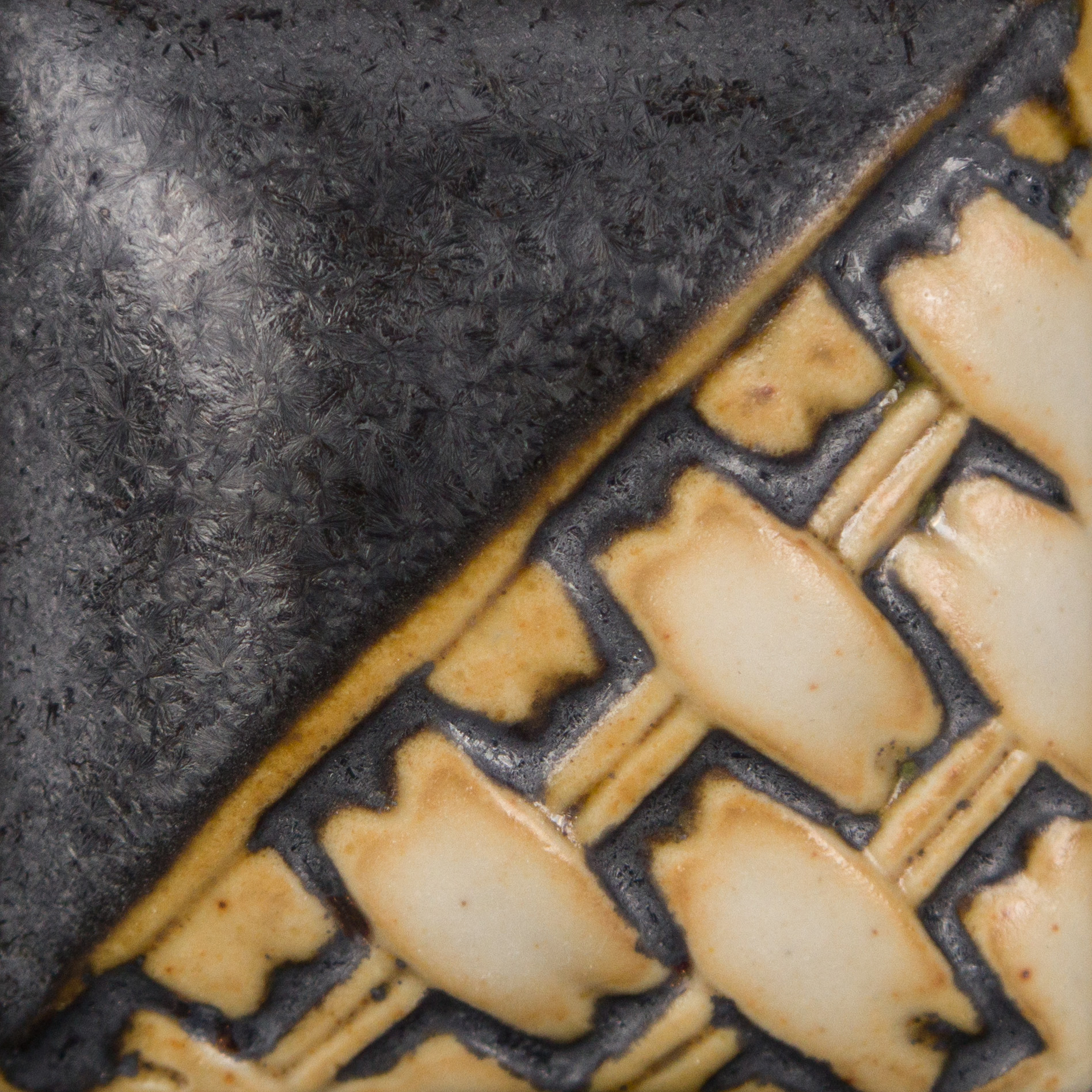
Copper Wash fires to a warm metallic finish that breaks green over texture. When used in combination, Copper Wash will add some green variation and movement to the glaze(s). The amount of mobility produced when using Copper Wash in combination is dependent upon how much of each product was applied; how many coats of each; and the performance of the glaze it is being paired with. For example, layering Copper Wash with a glossy glaze that breaks over texture will create more movement than layering it with an opaque matte glaze. We recommend applying Copper Wash to the top 2/3 of a piece with other glazes because of the movement produced when layering. It works great when applied with a brush around the rim of a piece or applied with a glaze trailer in a pattern. Copper Wash also works great as a body stain. Applying clear glaze can lessen the appearance of staining.
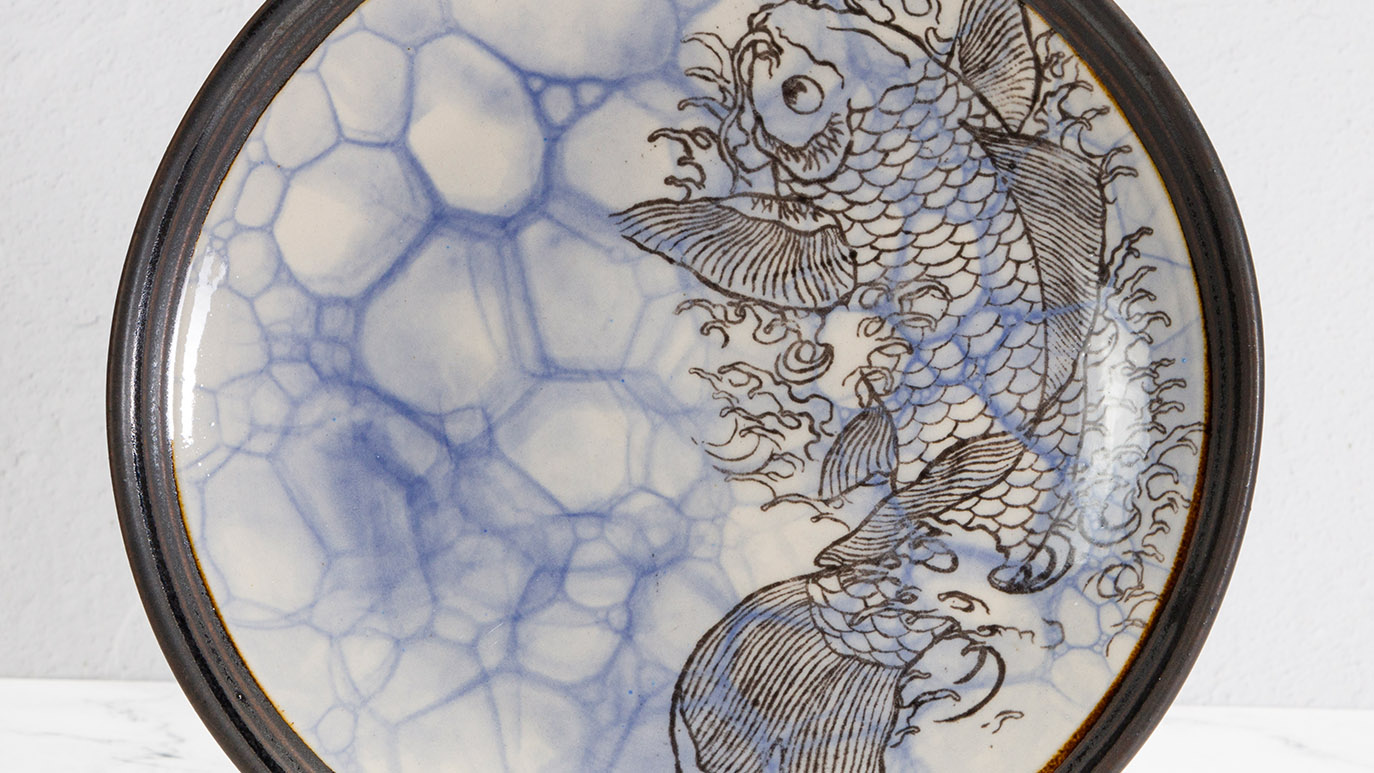
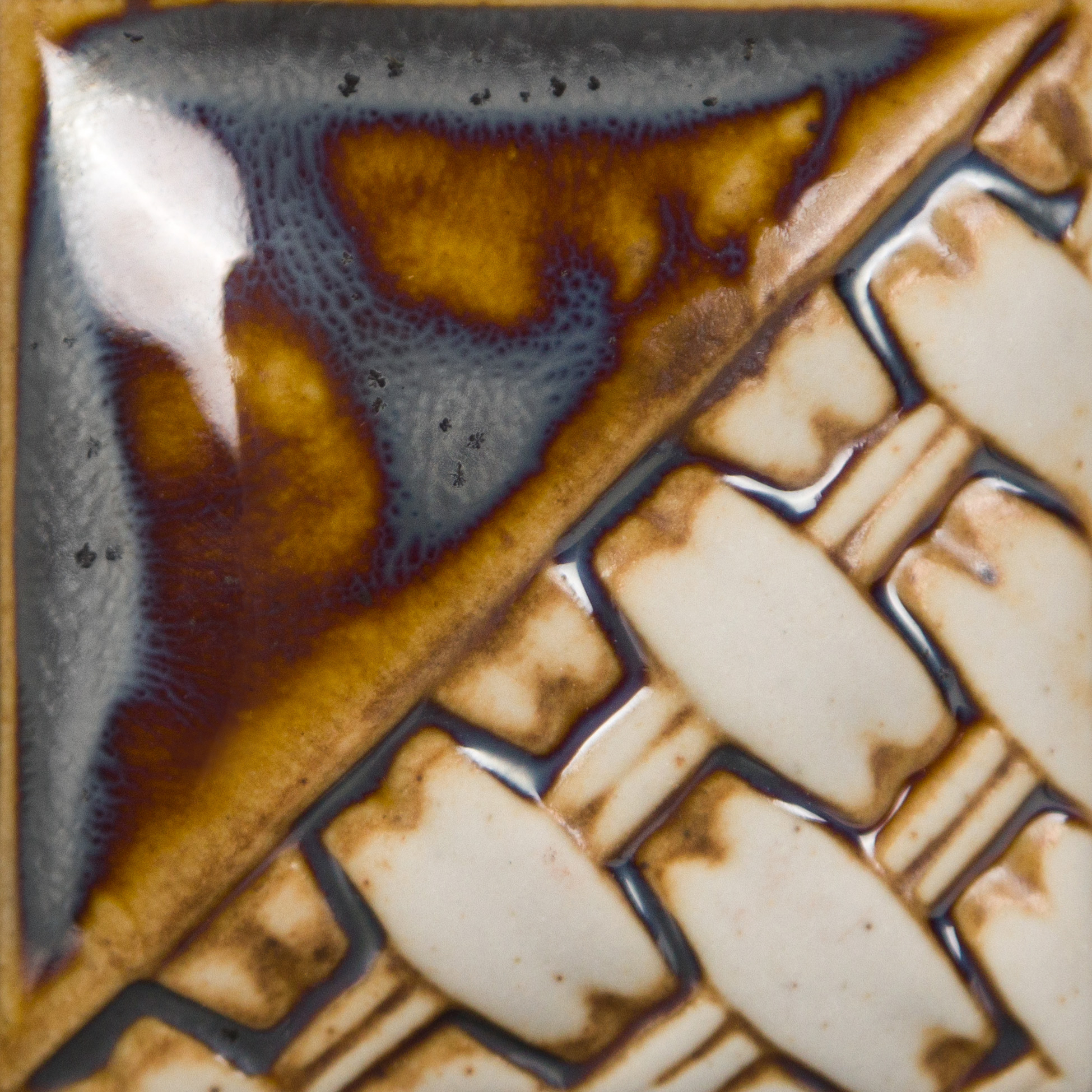
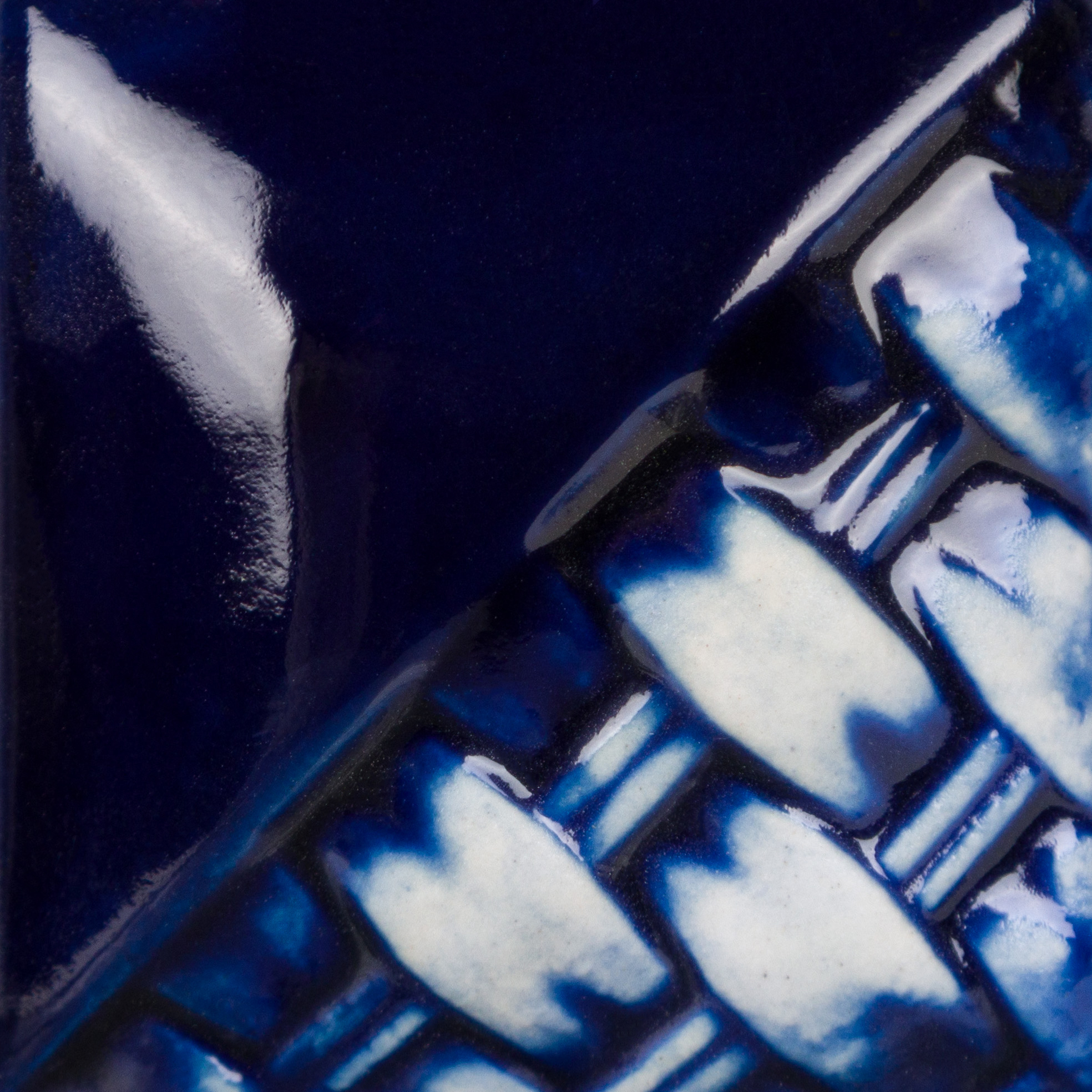
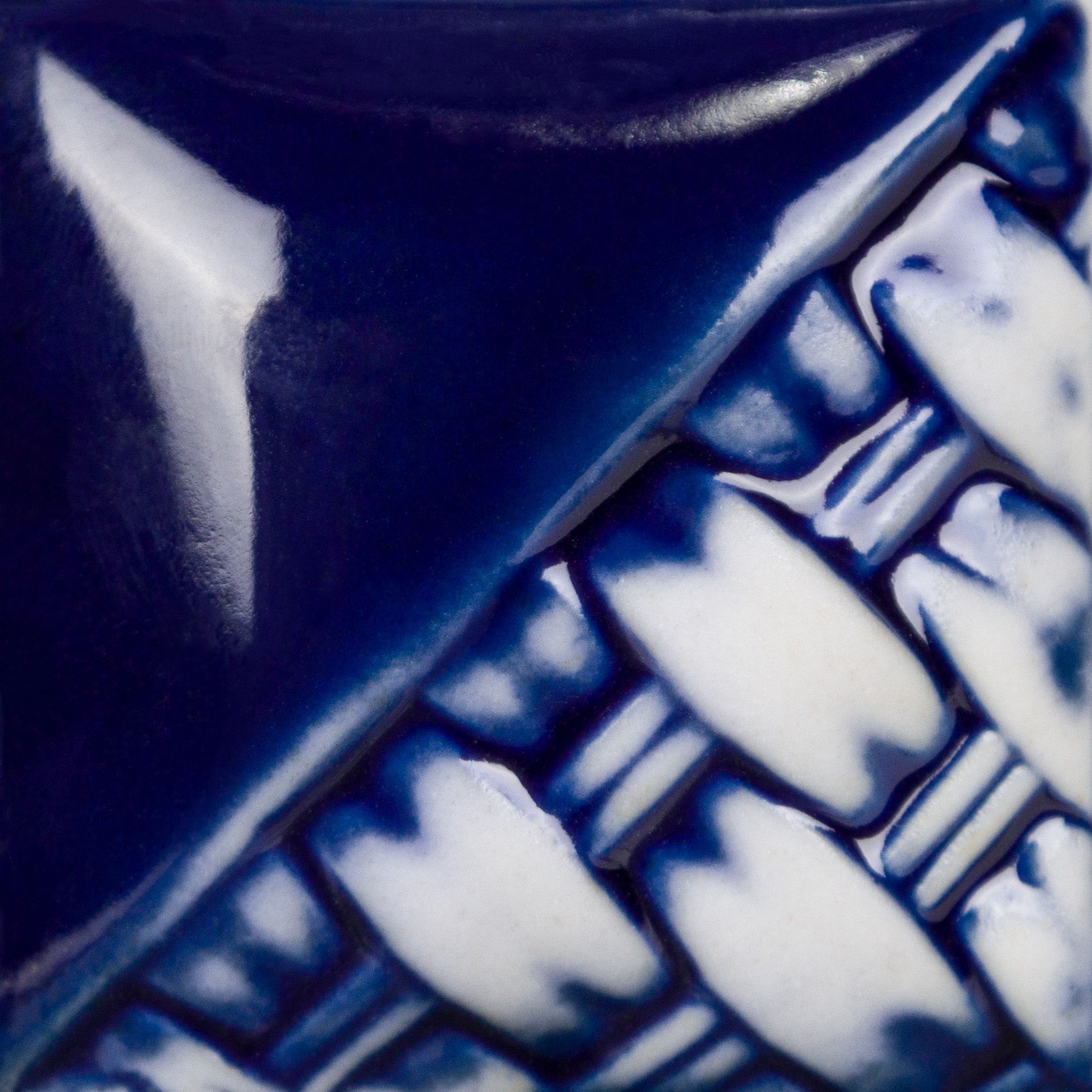
When applied for full coverage, Cobalt Wash fires to a rich cobalt blue with a glossy finish. It can be used for stenciling, stamping, and silkscreening if it is layered with a stable transparent glaze. Sometimes even if a glaze is stable, there can be some blurring of the lines when the glaze is applied thick and it is fired in a vertical orientation. When used in combination, Cobalt Wash will add blue variation and some movement to the glaze(s). The amount of mobility produced when using Cobalt Wash in combination is dependent upon how much of each product was applied; how many coats of each and how many different products are being used; and the performance of the glaze it is being paired with. For example, layering Cobalt Wash with a glossy glaze that breaks over texture will create more movement than layering it with an opaque matte glaze It also works great when applied with a brush around the rim of a piece or applied with a glaze trailer in a pattern. . Applying clear glaze can lessen the appearance of staining.
Washes can be applied in a variety of ways, but are often painted into textured areas and wiped away on the higher surface to accentuate the texture.
Shake for 5-6 seconds before use. Stir well. Dispense amount needed into a separate container and thin with water. Dispensing the glaze onto a palette (tile, plate, etc.) – helps prevent against contamination of the contents in the jar. Washes are highly concentrated so adding water is recommended. Mix only the amount you plan to use in one session. For all-over coverage, brush on one to two coats; allow to dry in-between each coat. Can be fired from cone 06 to cone 9/10. Washes can be applied to greenware and bisque. The choice of clay body, the thickness of glaze application, firing process and temperature will affect the fired results. Always test in your kiln, on your clay body.



Mayco Washes are a mixture of AP non-injurious to humans when used as intended under supervised conditions, safe for use by artists of all ages when used according to the manufacturer’s directions and CL (Health Caution) label, which is in regards to the wet glaze. Please review the label for the individual color’s health classification and any appropriate warnings. All of the glazes in the Stoneware Wash line are Food Safe, according to FDA standards but are not suitable for Dinnerware use unless used in combination with another glaze that creates a sealed and chemically durable finish. Please review the label for the individual color’s health classification and any appropriate warnings. All of the glazes in the Washes line are Food Safe, according to FDA standards. Dinnerware safe when used in combination with clear or another glaze that creates a sealed and chemically durable finish.
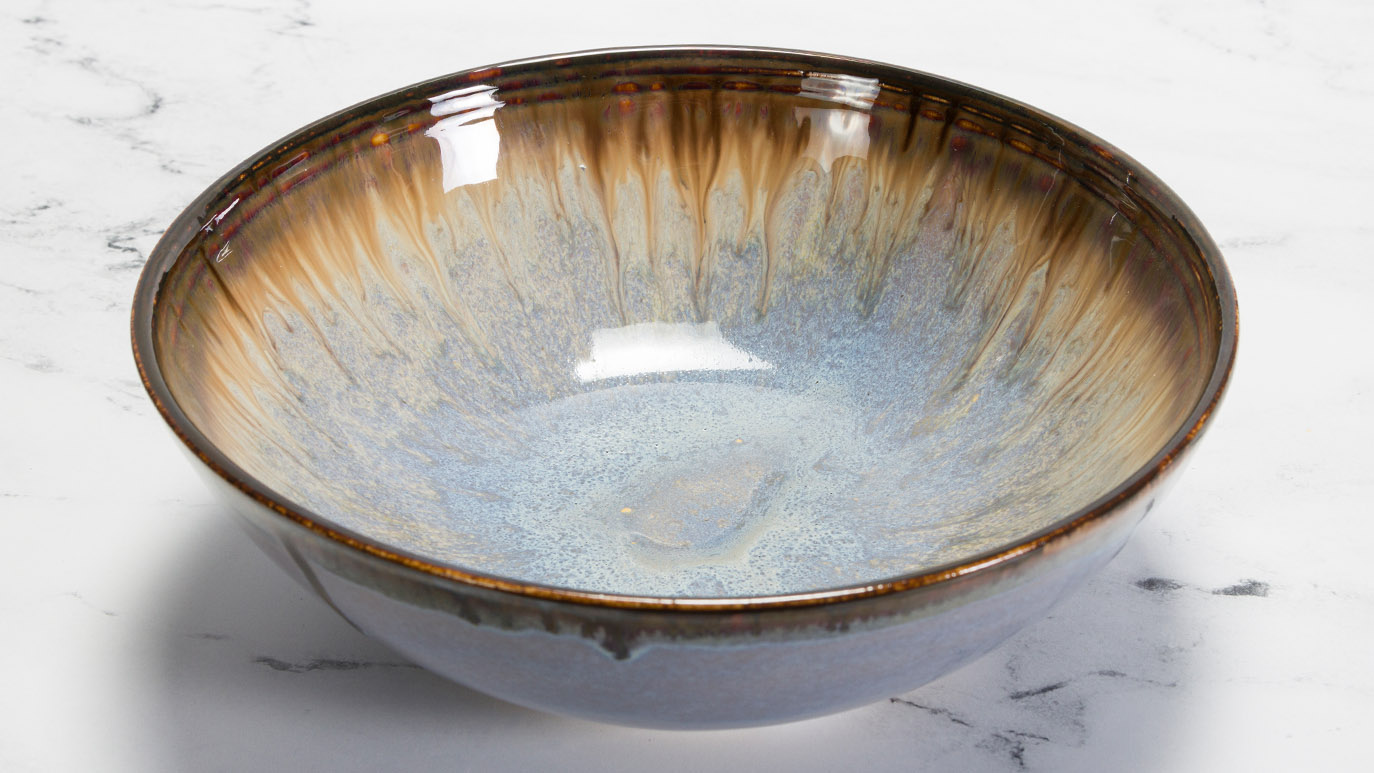
Mayco’s Washes are an extremely versatile product that can stretch your palette as well as your budget. Use a Mayco Wash over or under one of your favorite Mayco Stoneware glaze and fire from cone 5/6-10. If you use it in a brushstroke, (either over or under a glaze) you can create contrast and depth in the glaze, sometimes producing a new color.
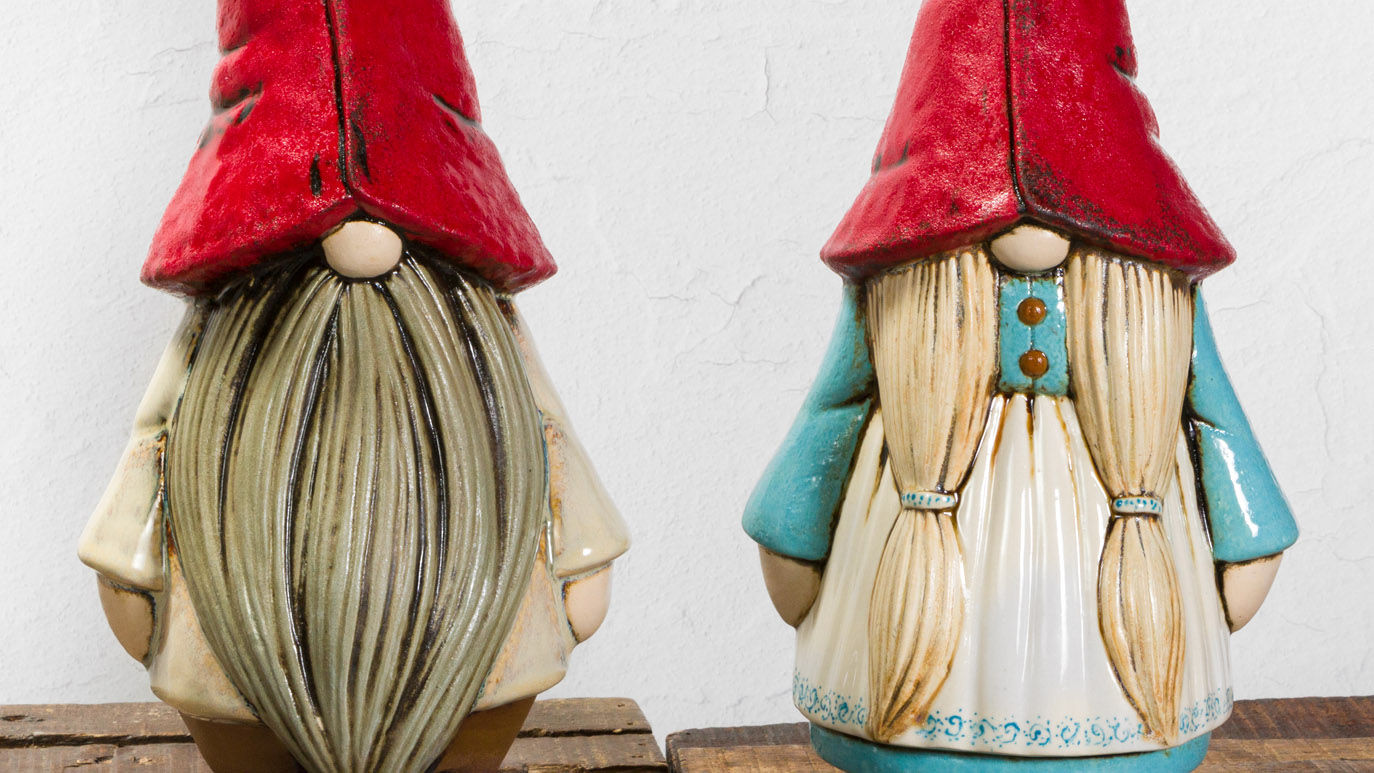
Use Mayco Washes alone a stain. Apply a watered-down version of the Wash to the bisque fired piece. (This is especially nice for textured ware.) Allow the stain to get into all the low spots and then let dry thoroughly. The ingredients in the wash will help it stick to the piece more effectively than a wash you may mix up in the studio. After the piece is dry, use a wet sponge to wipe away the Wash from high places and let it remain in low places. You can fire without glazing from cone 06-10. Or you can apply a translucent glaze over. This staining technique will emphasize the tactile texture of the piece.

Mayco’s Washes can be applied using a variety of application techniques and decorating accessories. For design work, consider applying Iron, Rutile, or Cobalt Wash using a brush, silkscreen, stamp, or stencil. For broad coverage, use a damp, clean cloth. If you want to produce more variation in layering washes with other glazes, use a brush or a detailer bottle/slip trail to create interesting layering effects using any of our Washes.
Washes can be applied alone, as a body stain, and layered with other glazes. We recommend shaking for 5-6 seconds before use. This will help evenly disperse the raw materials in the wash. For all-over coverage: brush on 1 to 2 coats; allow to dry in-between each coat. Washes are concentrated, so if you would like less coverage, simply add water and mix only the amount you need to use in one session.
Washes have a firing range from cone 06 to cone 10. No particular firing schedule is necessary to achieve the beautiful variation that these glazes create. All of the samples that we showcase in our promotional material and literature are glazed on a white clay body and fired to cone 6 unless otherwise noted. Expect some variation in the results depending on the glaze thickness, clay body, firing atmosphere, and firing temperature. We have cone 10 reduction results on our website, in our Stoneware Brochure, and listed on the label.
Mayco’s Washes are extremely versatile products that can stretch your palette and create a variety of color and performance characteristics. Use a Mayco Wash over or under one of your favorite Mayco Stoneware glaze. You can apply all of our wash products to stain a clay body or texture
Mayco Washes are a mixture of AP non-injurious to humans when used as intended under supervised conditions, safe for use by artists of all ages when used according to the manufacturer’s directions and CL (Health Caution) label, which is in regards to the wet glaze. Please review the label for the individual color’s health classification and any appropriate warnings. All of the glazes in the Stoneware Wash line are Food Safe, according to FDA standards but are not suitable for Dinnerware use unless used in combination with another glaze that creates a sealed and chemically durable finish.
There is a factor of personal discretion when considering the use of any glaze on a surface that comes in contact with food. Some factors such as clay body, firing temperature, firing atmosphere, and the layering of glazes also contribute to the suitability of a ware for dinnerware use. It is the responsibility of the customer to practice practical consideration of these factors and observe how they affect the final fired surface. For more information about Food Safe and Dinnerware Safe guidelines go here.
If you staining the body or antiquing the piece with thinned and whipped back product, Washes should not stick. If you apply one full-strength coat, Washes can stick to the shelf.

 Buy Washes
  Stoneware Brochure