
Mayco’s Stoneware Engobe glazes were developed to transform your mid-range to high-fire clay bodies.
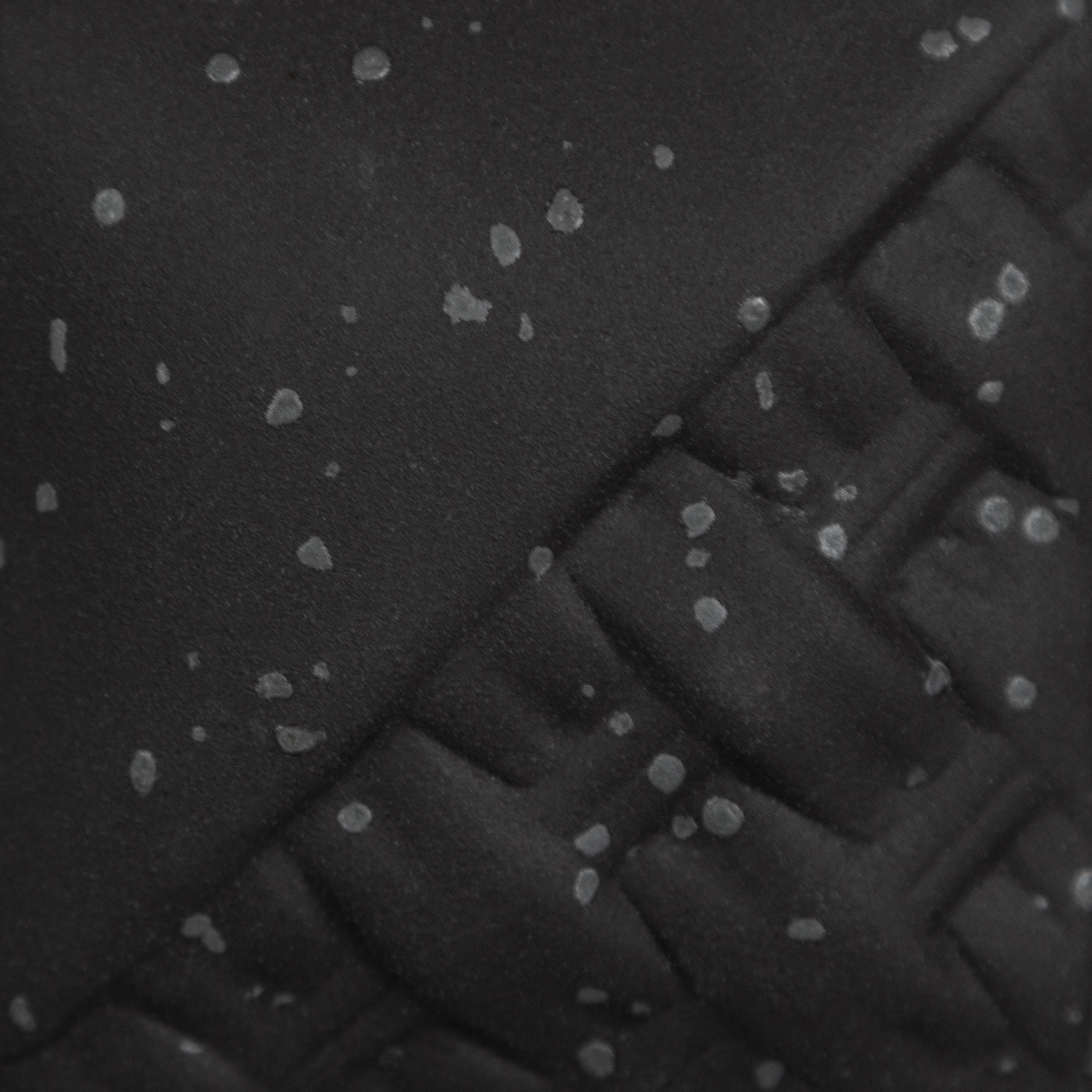
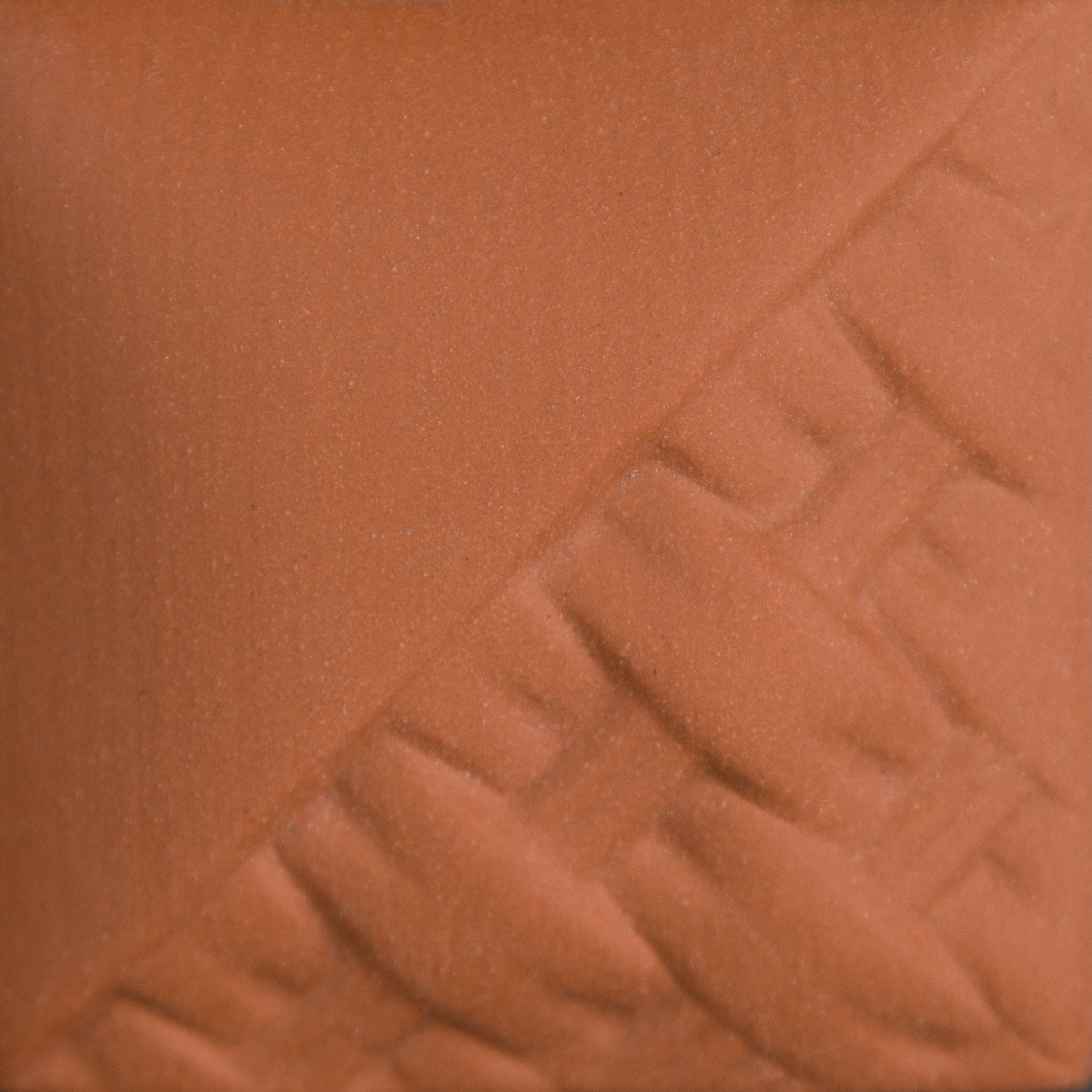
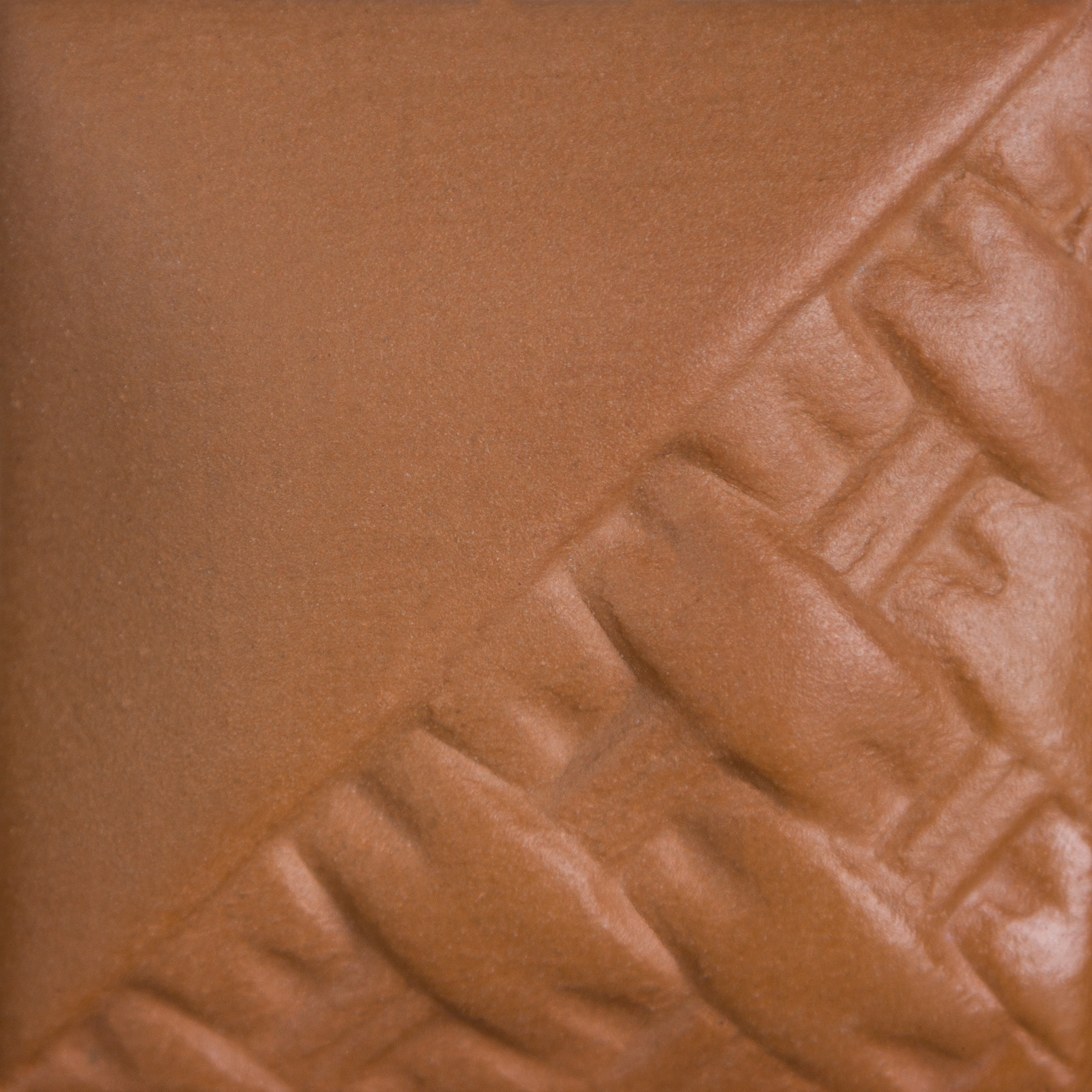
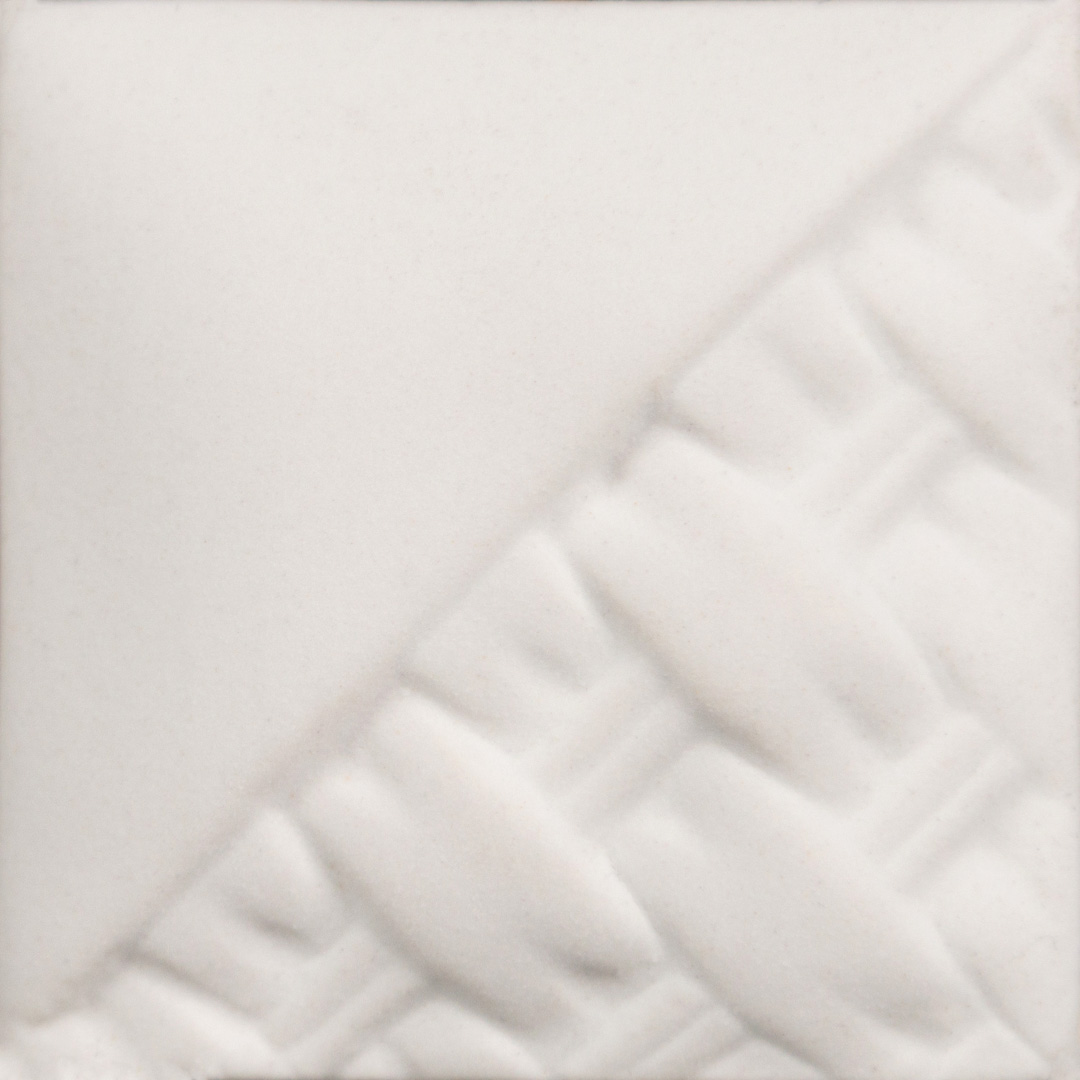
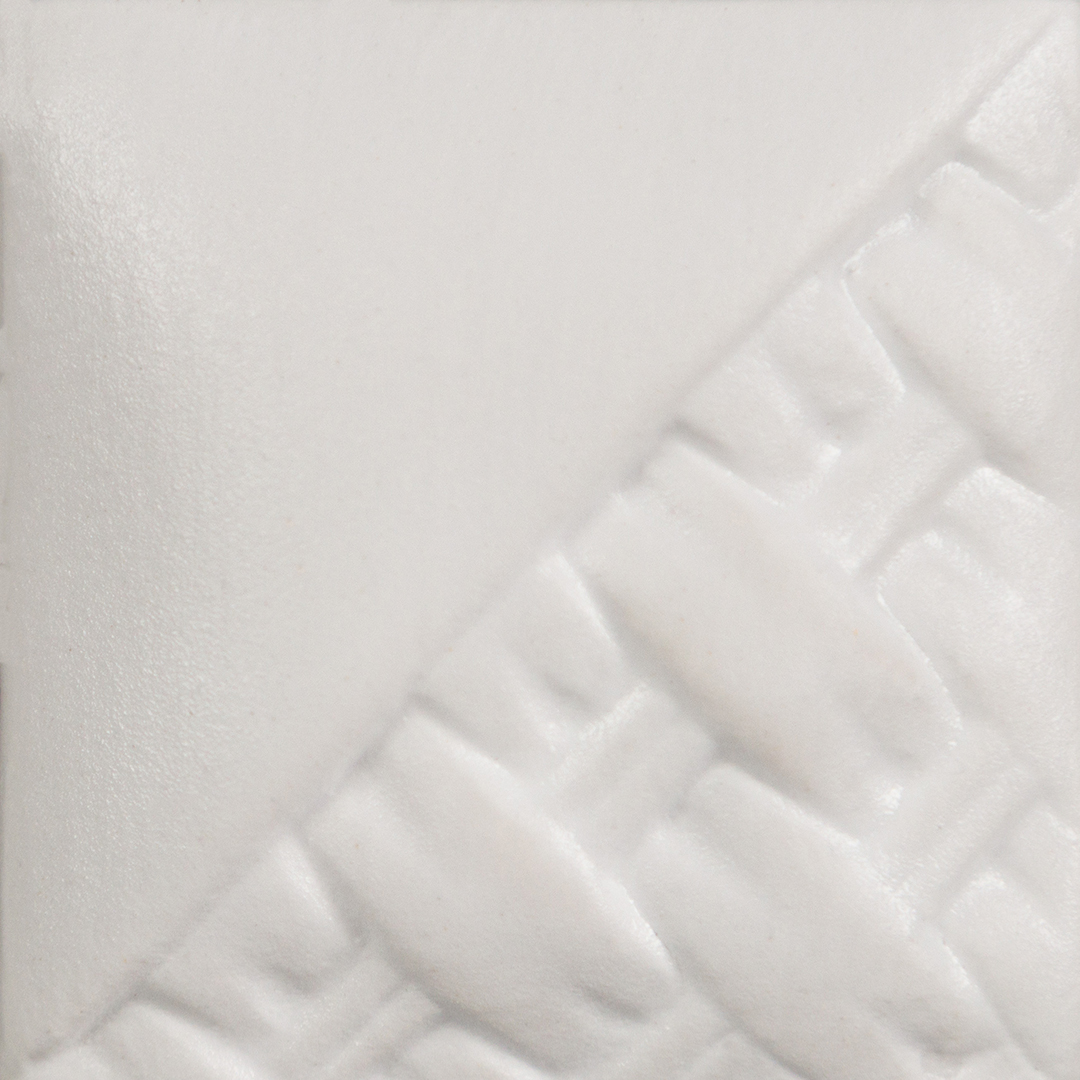
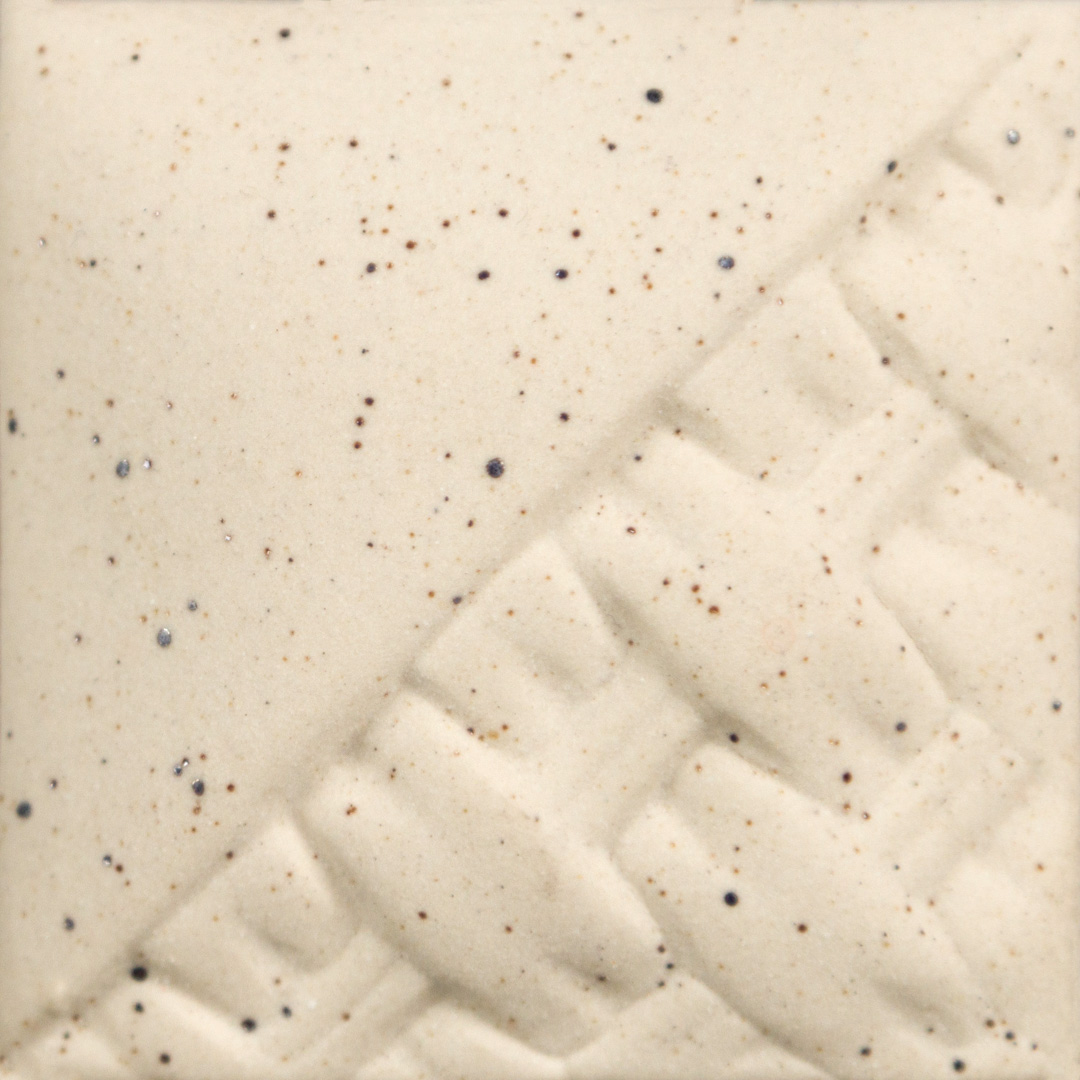
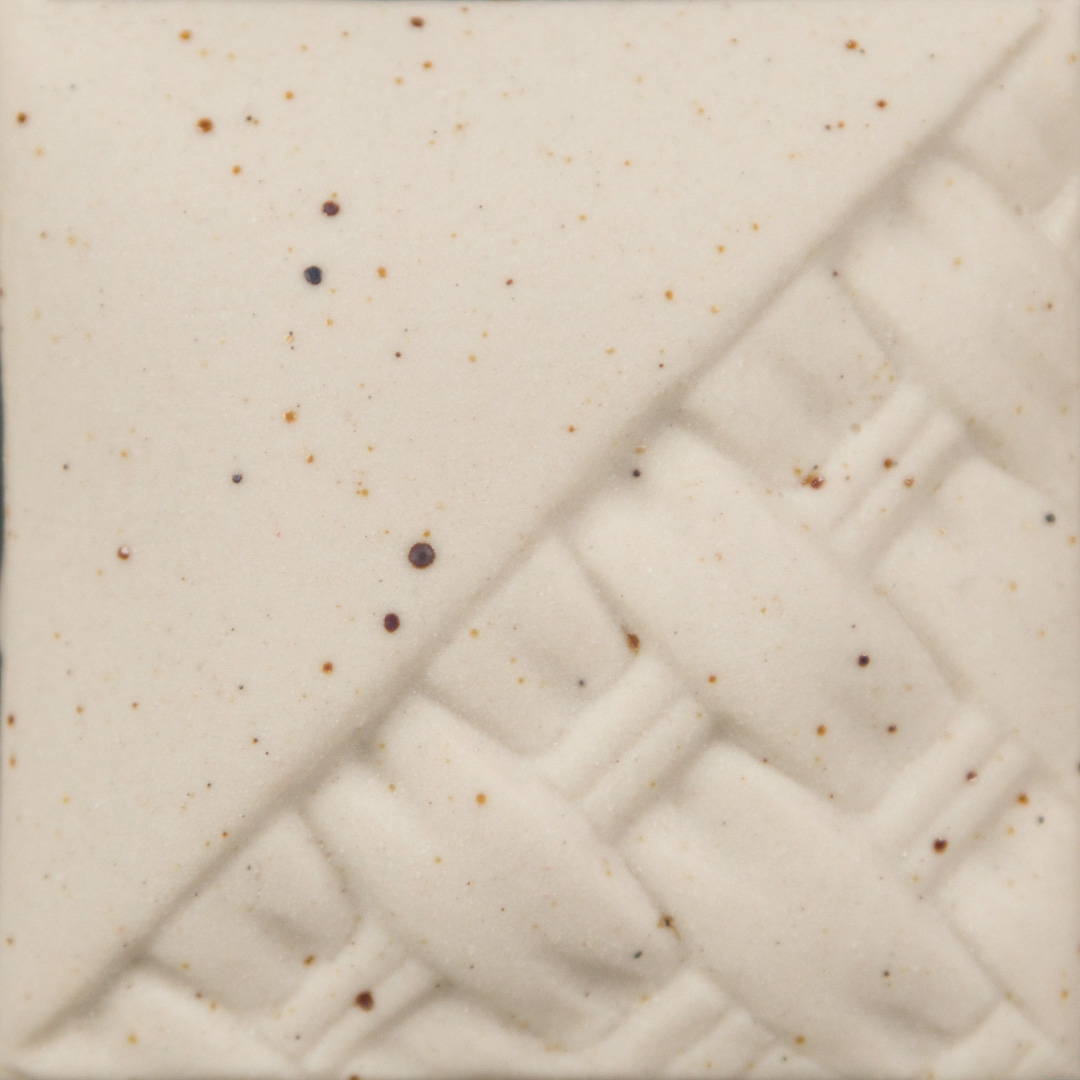
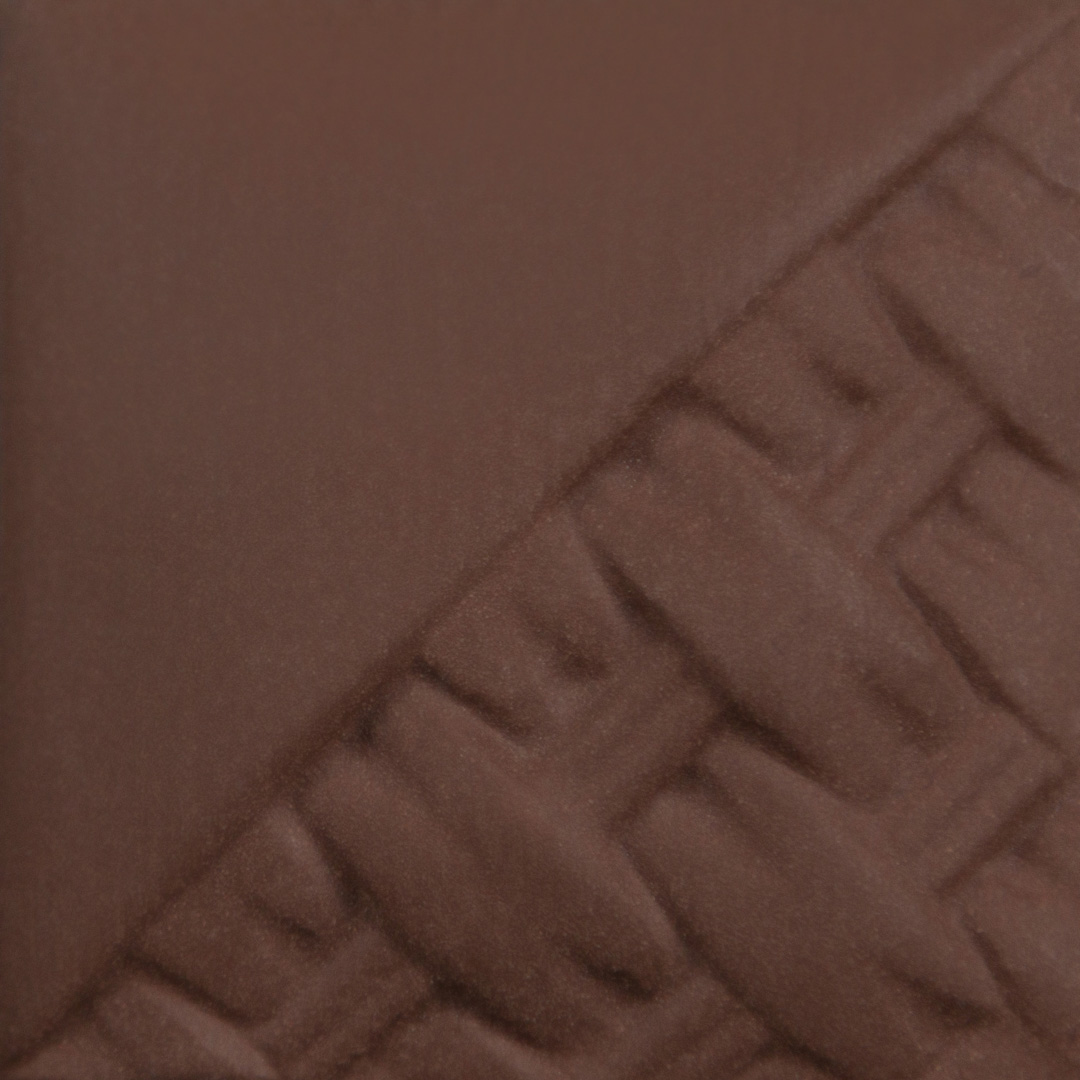
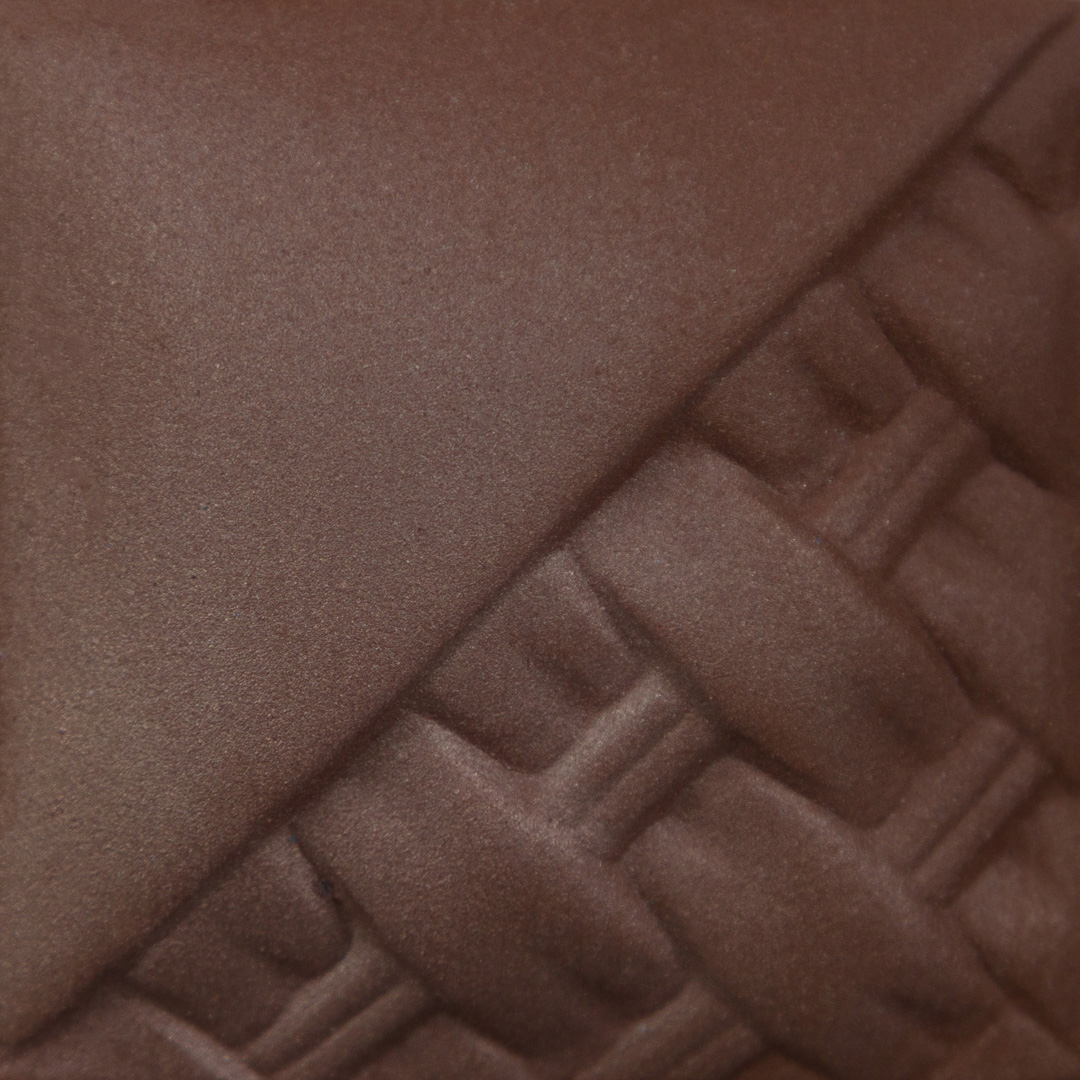
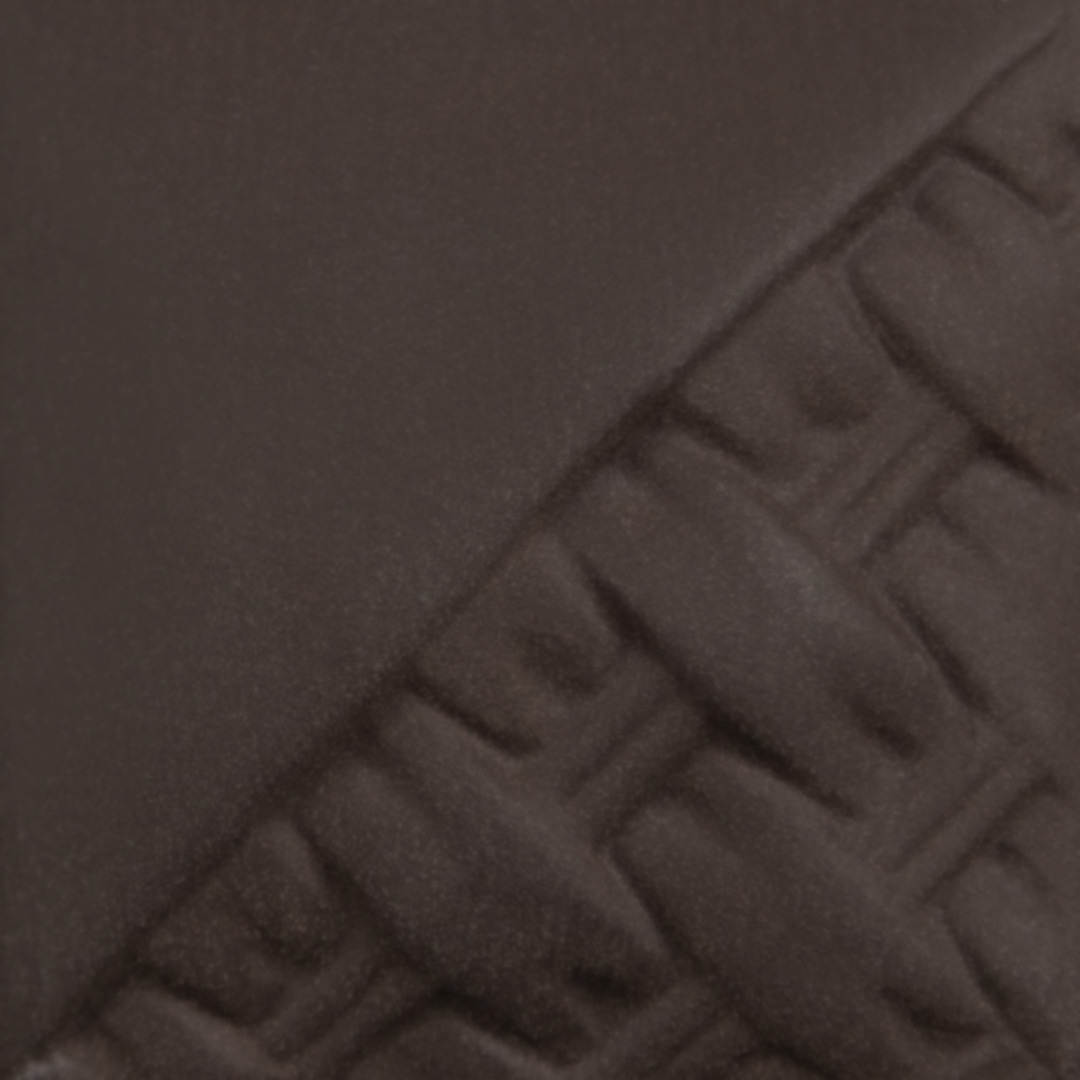
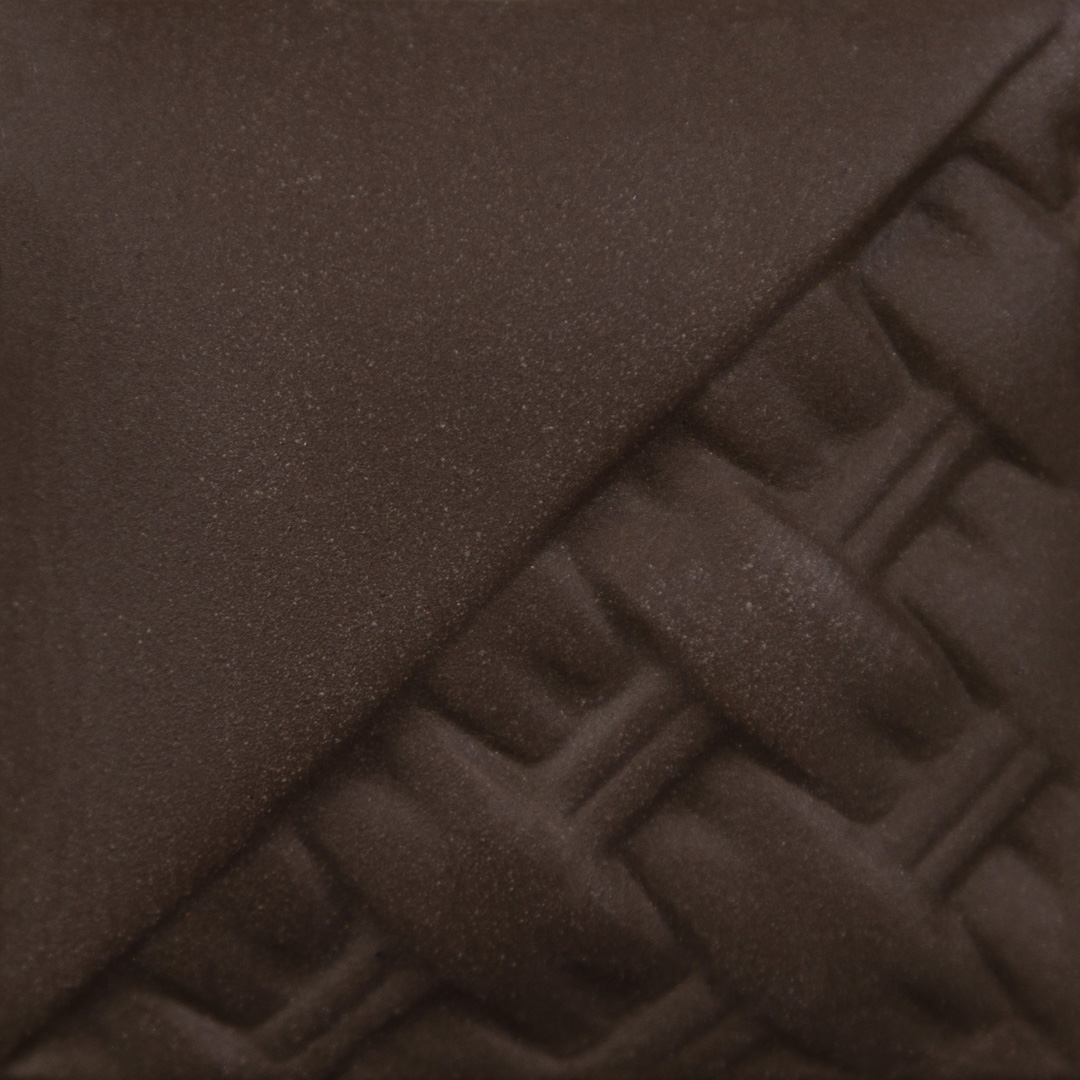
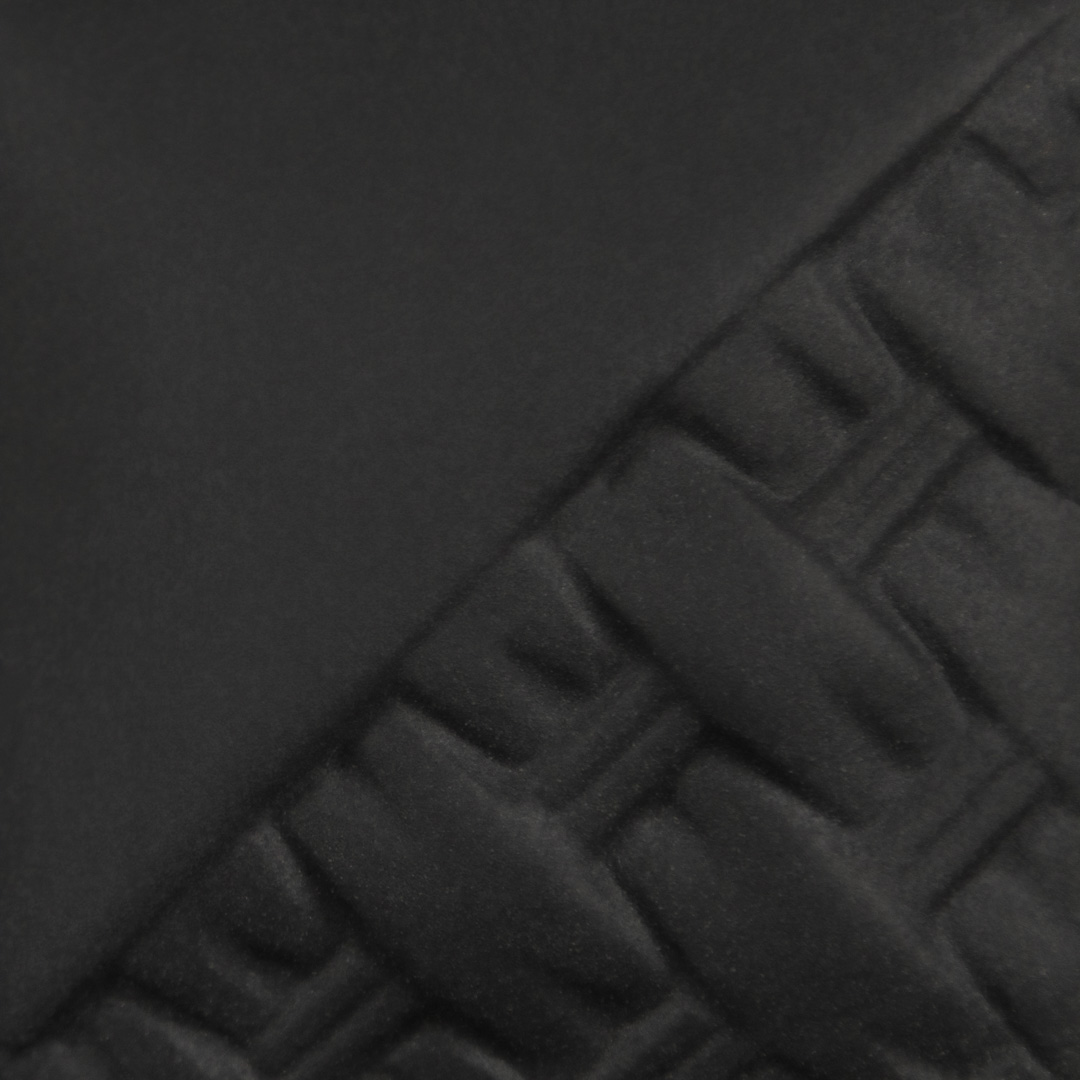
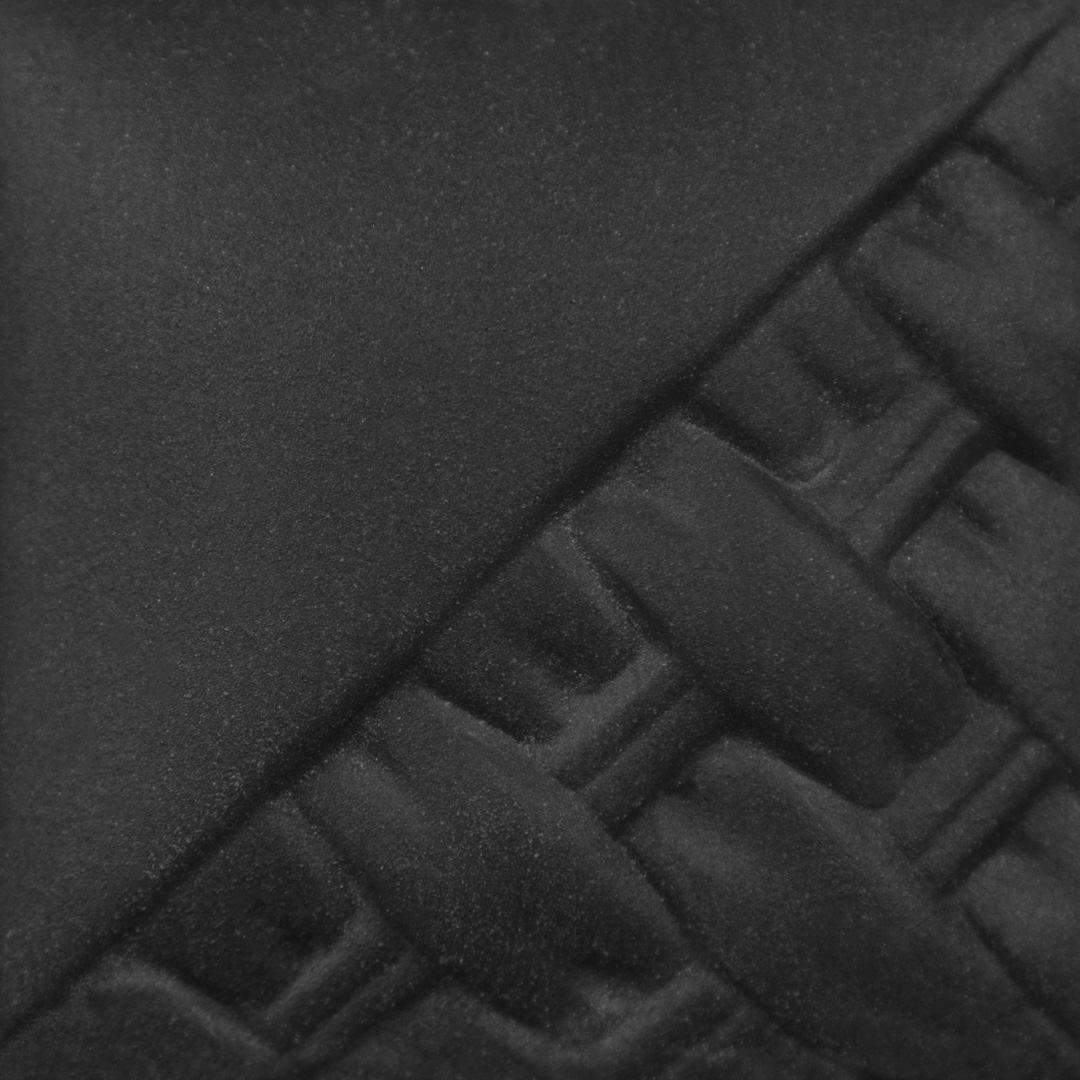
Cone 6 chips have been fired flat in oxidation on white stoneware body.
Cone 10 chips have been fired flat in reduction on white stoneware body.
Engobes are a great option for those who want the look of other clay bodies but don’t want to add another clay to their studio because of contamination or messy clean-up. With only two coats, Engobe can transform a red clay body into white or a white clay body into black, allowing you to have the look of a different clay body every day of the week! Apply to wet clay, greenware or bisque, and fire from cones 5-10.
Engobes are a hybrid of slip, glaze and underglaze, used to coat your clay body to your preferred finish/color and are often used for a variety of decorative techniques.
Stir well. Using a soft fan brush, apply 2-3 coats to wet clay, greenware or soft fired, cone 04 bisque (1940°F/1060°C). Allow the glaze to dry between each coat. If desired, apply 2-3 coats of another glaze overtop. Fire to preferred temperature; cone 5-10 (2167°F-2345°F / 1186°C-1285°C).
Stoneware Engobes will not stick to kiln shelves when 2 coats are applied, heavier application may cause the glaze to flux. Results can vary based on the kiln wash you have applied to your shelves. Testing is recommended.


Stoneware Engobes are AP non-injurious to humans when used as intended under supervised conditions, approved for use by artists of all ages when used according to the manufacturer’s directions. Use a compatible clear glaze or other glaze suitable for dinnerware to achieve a surface that is chemically durable, absent of surface texture, and compliant with U.S. FDA guides for ceramics CPG Sec. 545.400 and CPG Sec. 545.450. Finishedware producers bear responsibility for food-contact testing of ware sold into commerce.
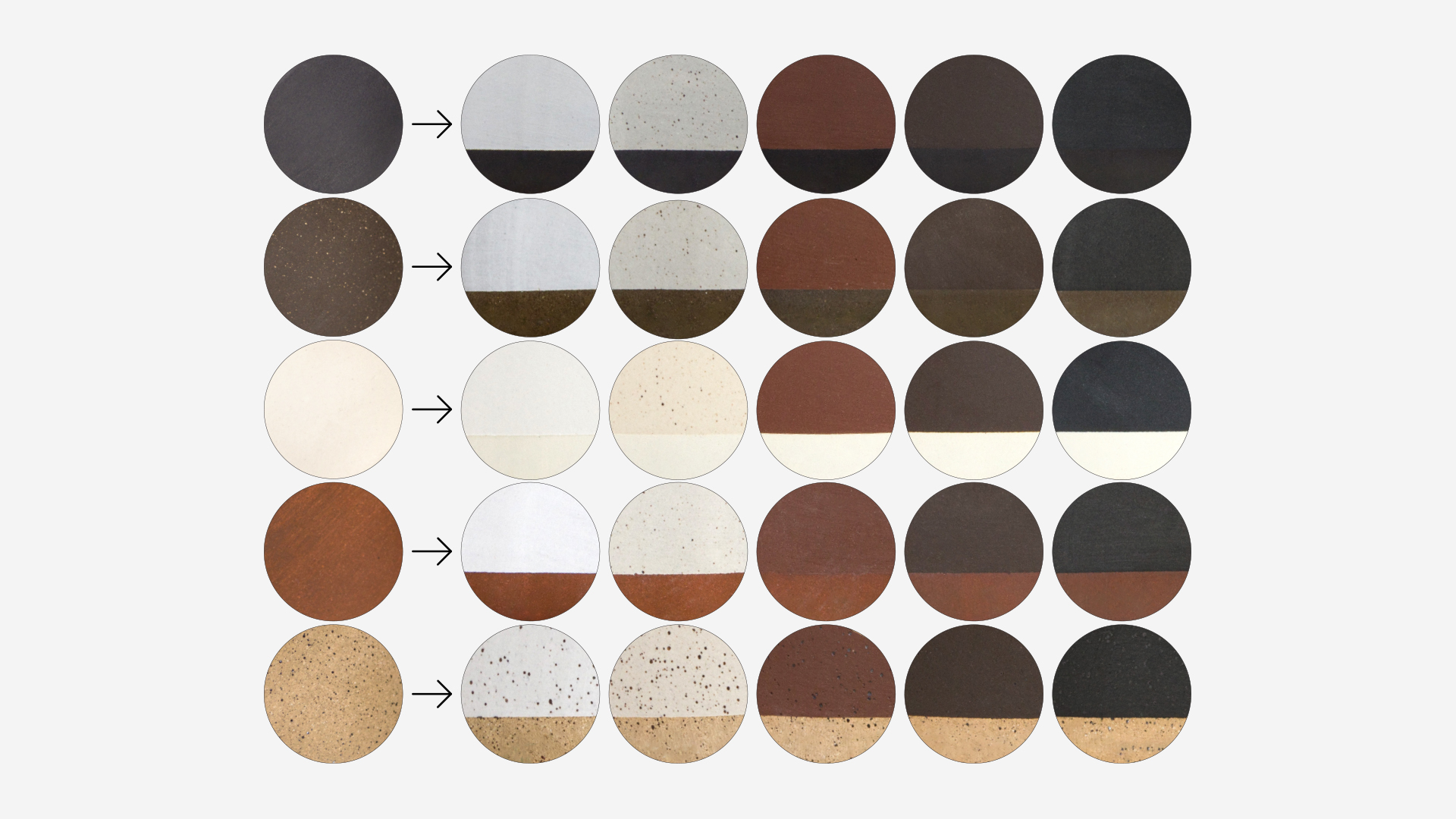
Stoneware Engobes are a great option for those who want the look of other clay bodies but don’t want to add another clay to their studio because of contamination or messy clean-up. With only two coats, Stoneware Engobes can transform a red clay body into white or a white clay body into black, allowing you to have the look of a different clay body every day of the week!
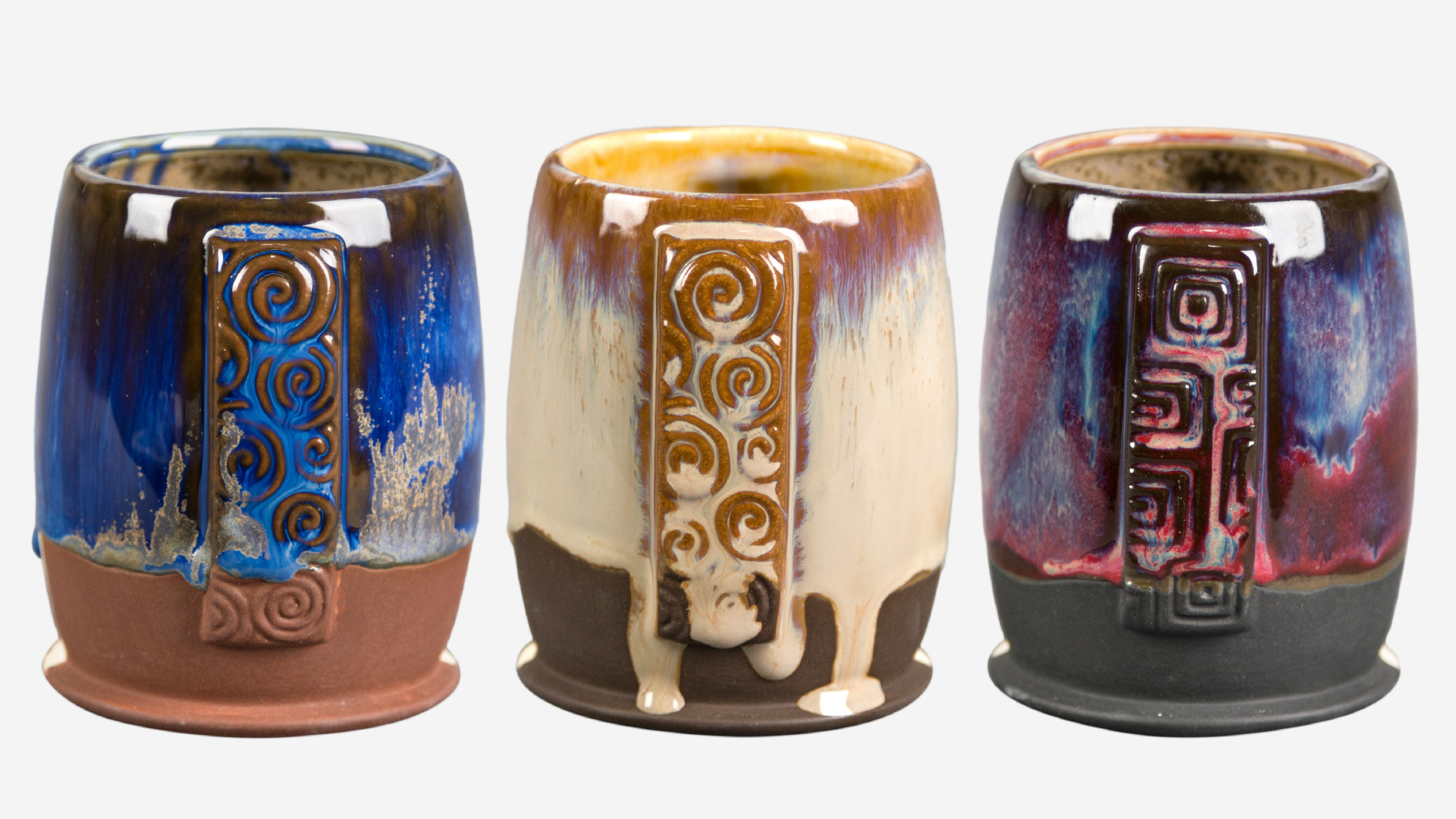
Stoneware Engobes can be complementary with layering and glaze combinations. Stoneware Engobes impact glaze results when used as a base and tend to influence the flow of glazes. We recommend 2 coats of each glaze. Stoneware Engobes eliminate glaze issues that are typical of darker clay bodies. Apply to wet clay, greenware, or bisque, and fire to preferred temperature; cone 5-10 (2167°F-2345°F / 1186°C-1285°C).
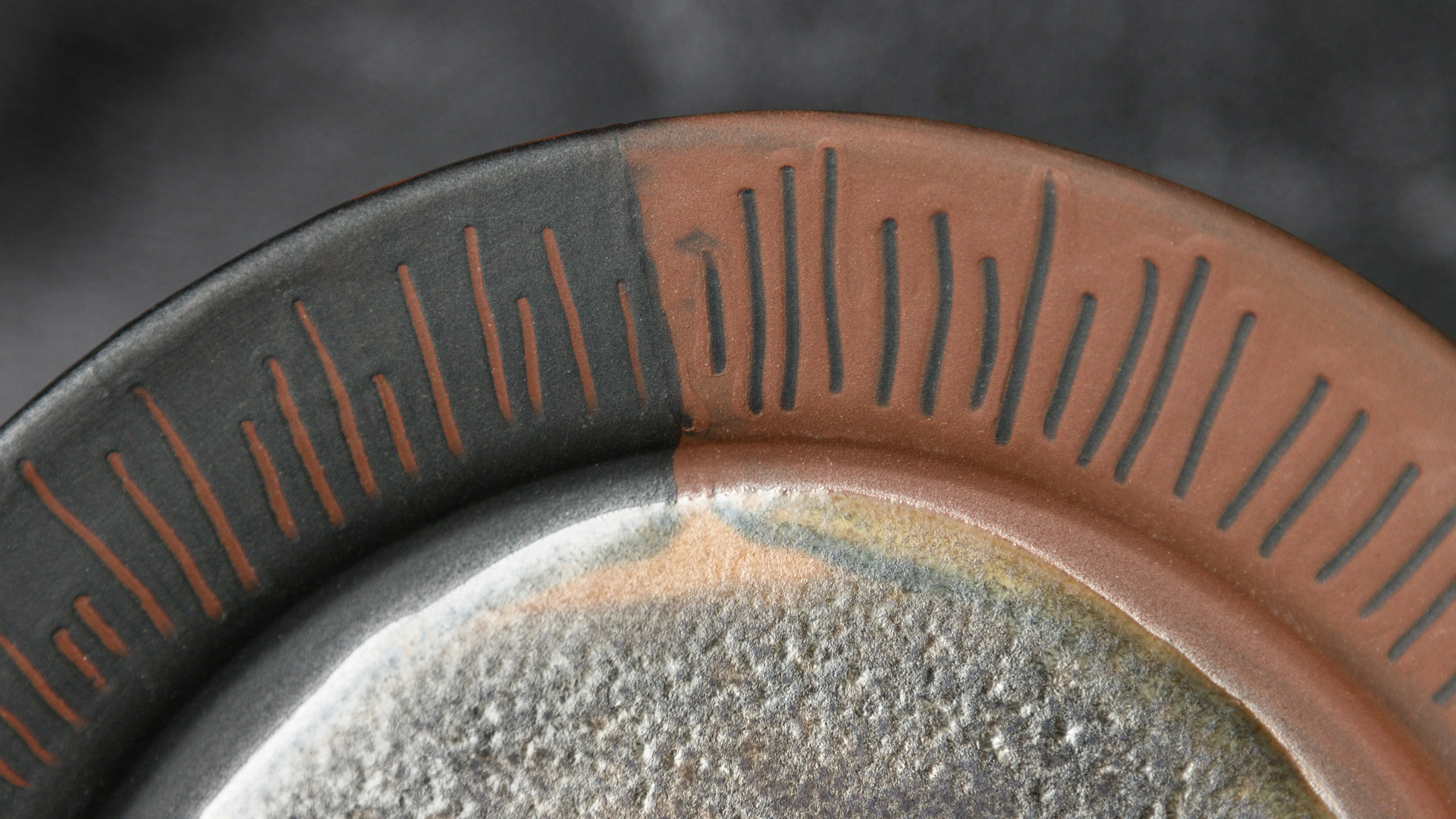
”To scratch” in Italian, sgraffito is produced by applying two layers of Stoneware Engobes and 2-3 coats of another glaze and carving through the glaze to create depth and add contrast to your designs. An impactful and dramatic way to use Stoneware Engobes in your studio.
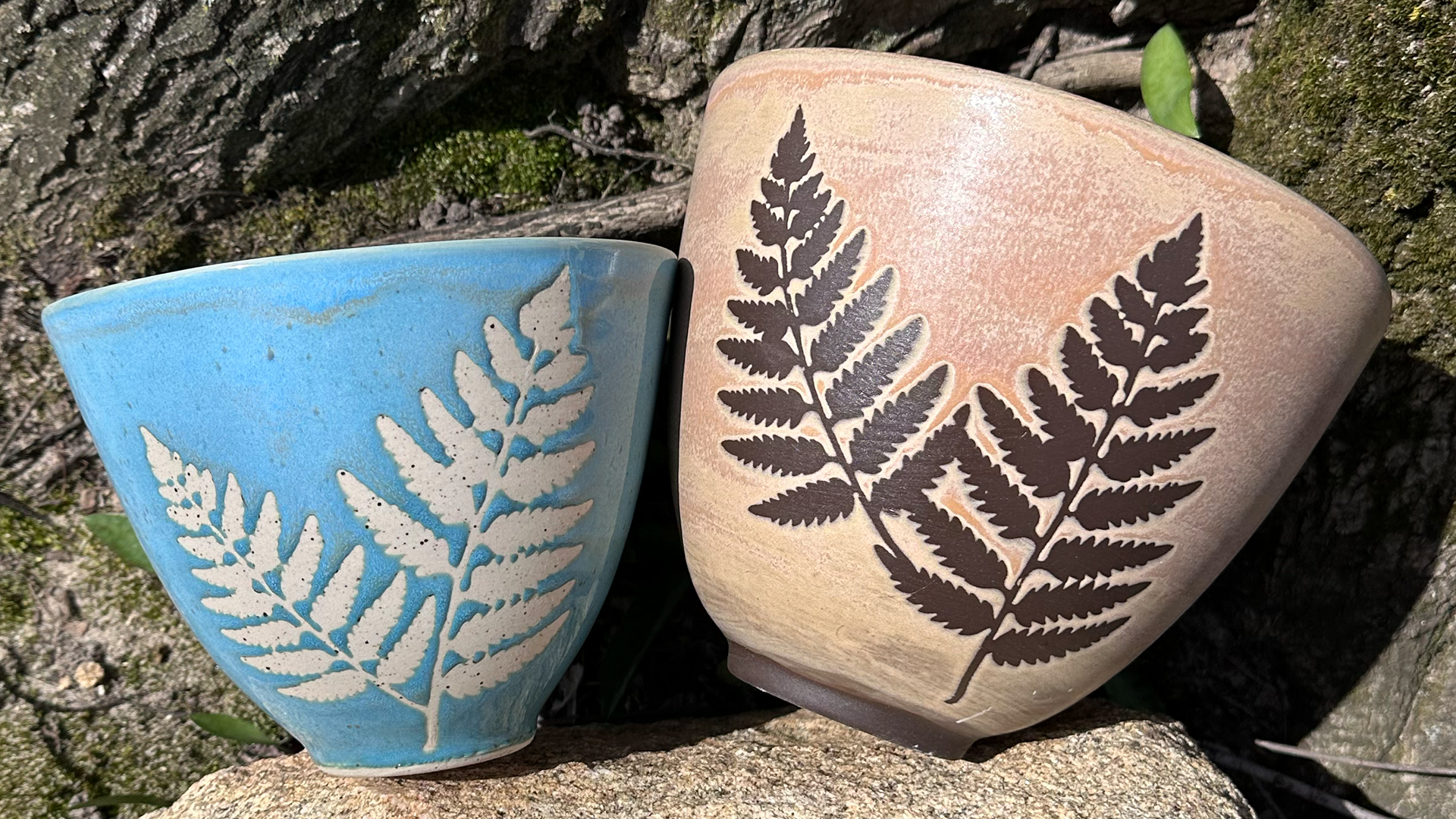
Stoneware Engobes are incredibly stable and opaque in design work and work well in a variety of design techniques such as majolica silkscreening marbling, and wax resist. The integrity of your design will remain unchanged as Stoneware Stoneware Engobes will not move or combine with surrounding colors.
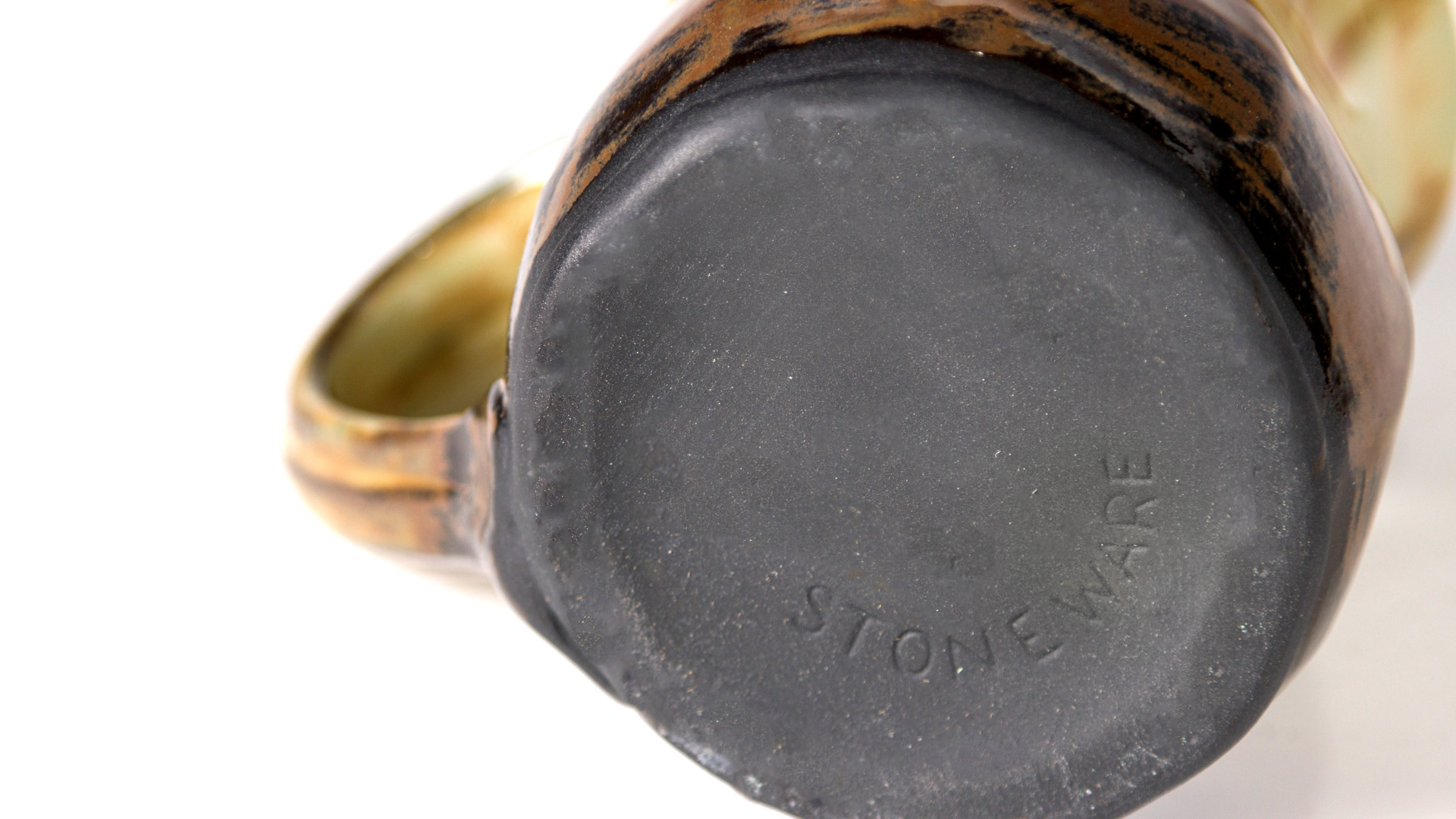
Stoneware Engobes will not stick to kiln shelves when 2 coats are applied, heavier application may cause the glaze to flux. Results can vary based on the kiln wash you have applied to your shelves, so we suggest testing before use.
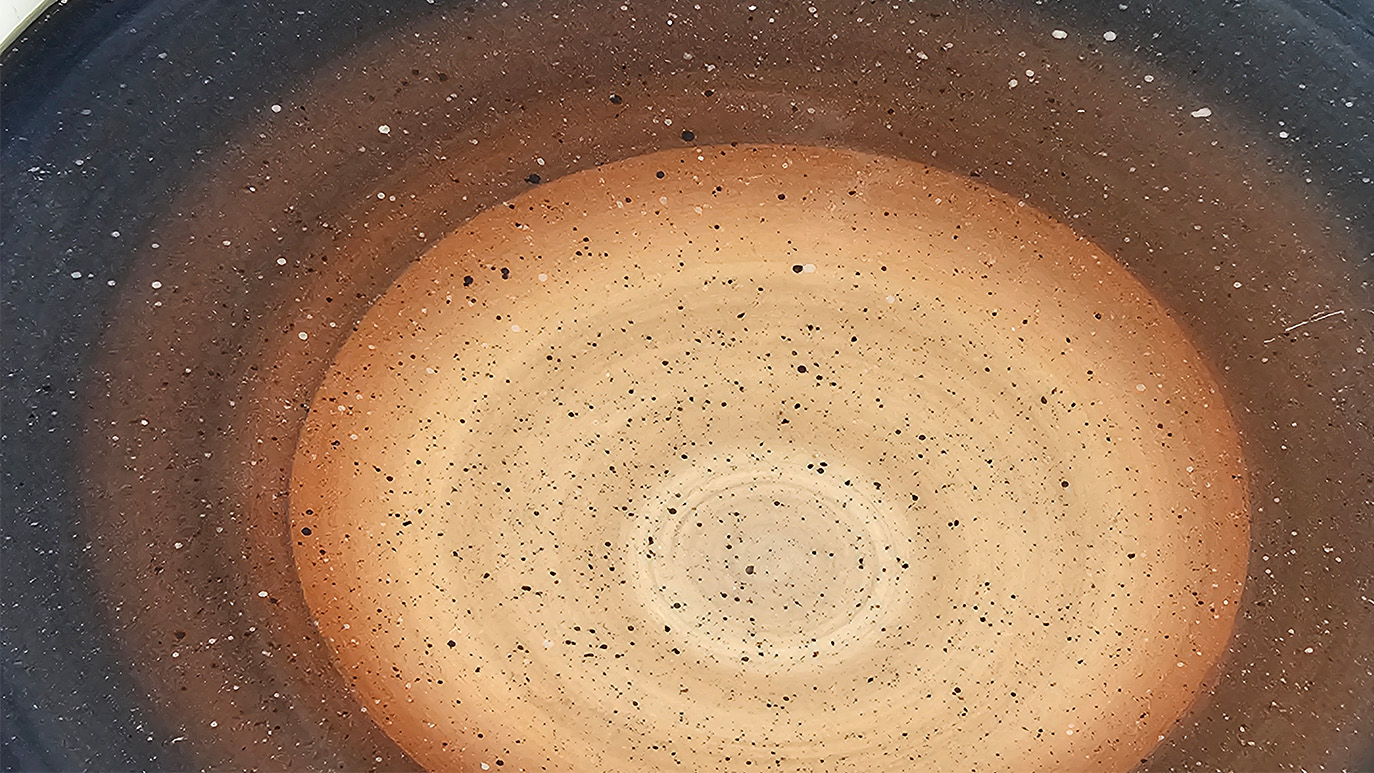
Mix Stoneware Engobes to create something new; use brushstrokes to blend colors and create shading; layer them without concern of intermixing – great for Majolica – add thin lines and details with confidence as Stoneware Engobes will NOT move.

Use Stoneware Engobes to create different textures such as woodgrain.

The Stoneware Engobes will not stick to kiln shelves when 2 coats are applied, heavier application may cause the glaze to flux. Results can vary based on the kiln wash you have applied to your shelves, so we suggest testing before use.
Use a compatible clear glaze or other glaze suitable for dinnerware to achieve a surface that is chemically durable, absent of surface texture, and compliant with U.S. FDA guides for ceramics CPG Sec. 545.400 and CPG Sec. 545.450. Finishedware producers bear responsibility for food-contact testing of ware sold into commerce.
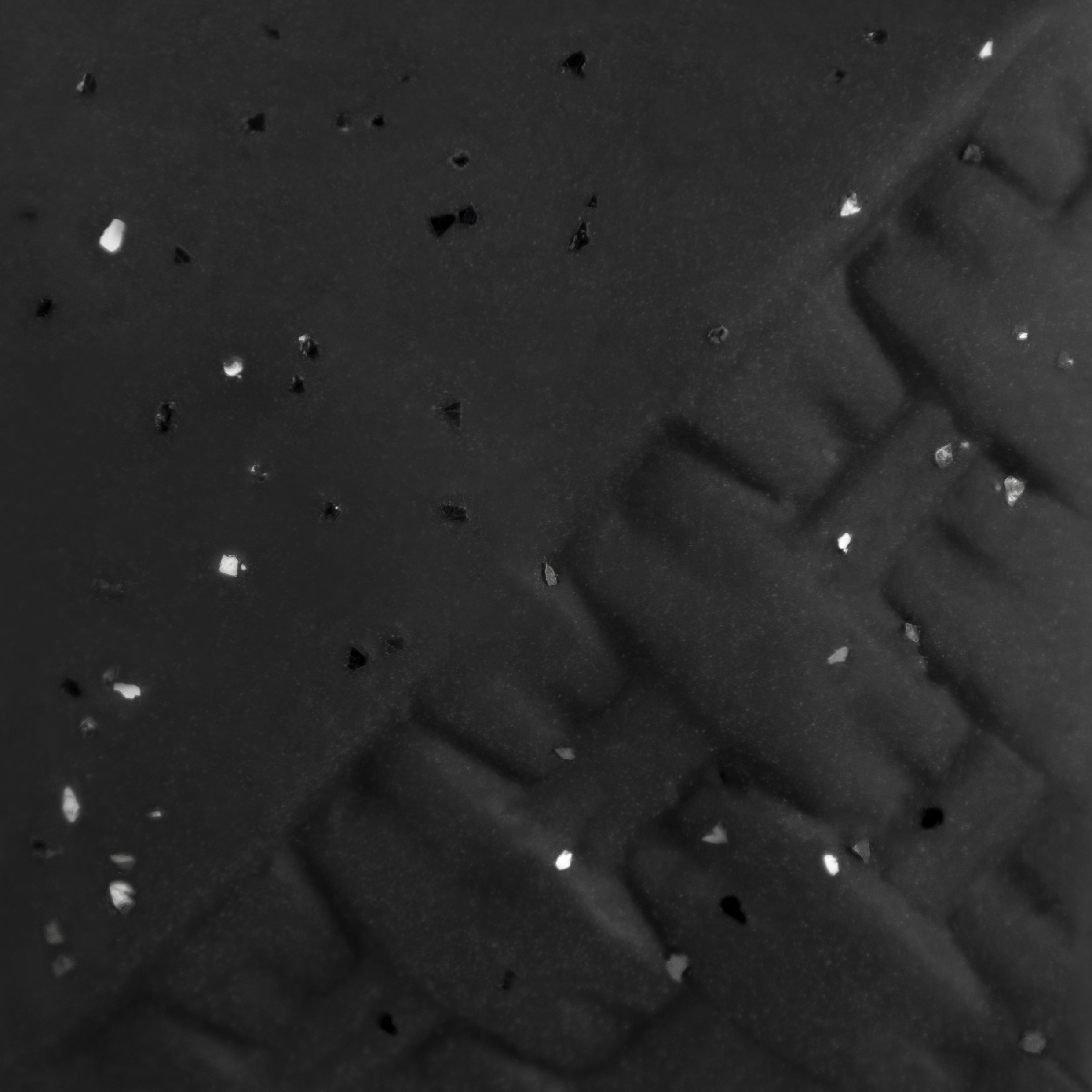

 View Stoneware Engobes
  Stoneware Brochure