Rubbing Alcohol

Fluid Reactions  |  Unlock the Transformative Effects of Rubbing Alcohol & Glaze

palette icon

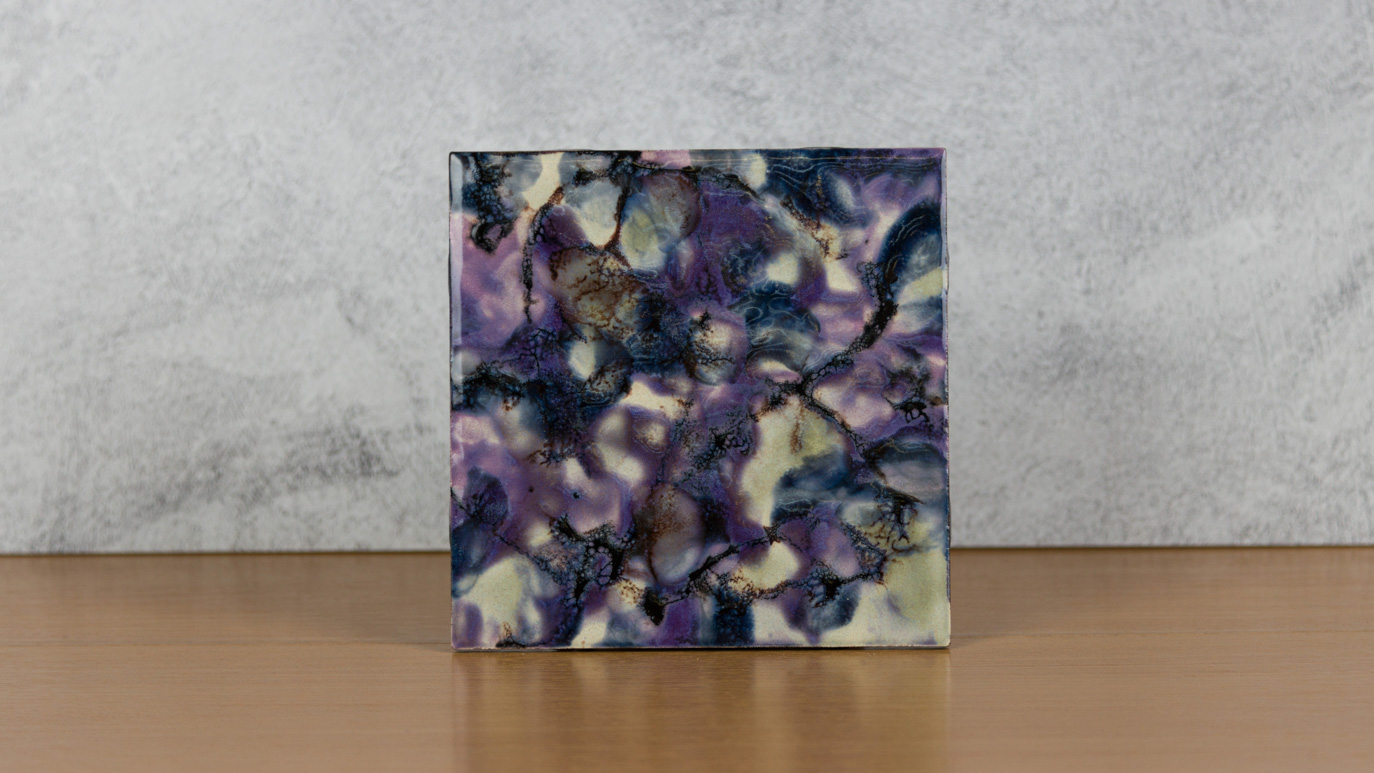
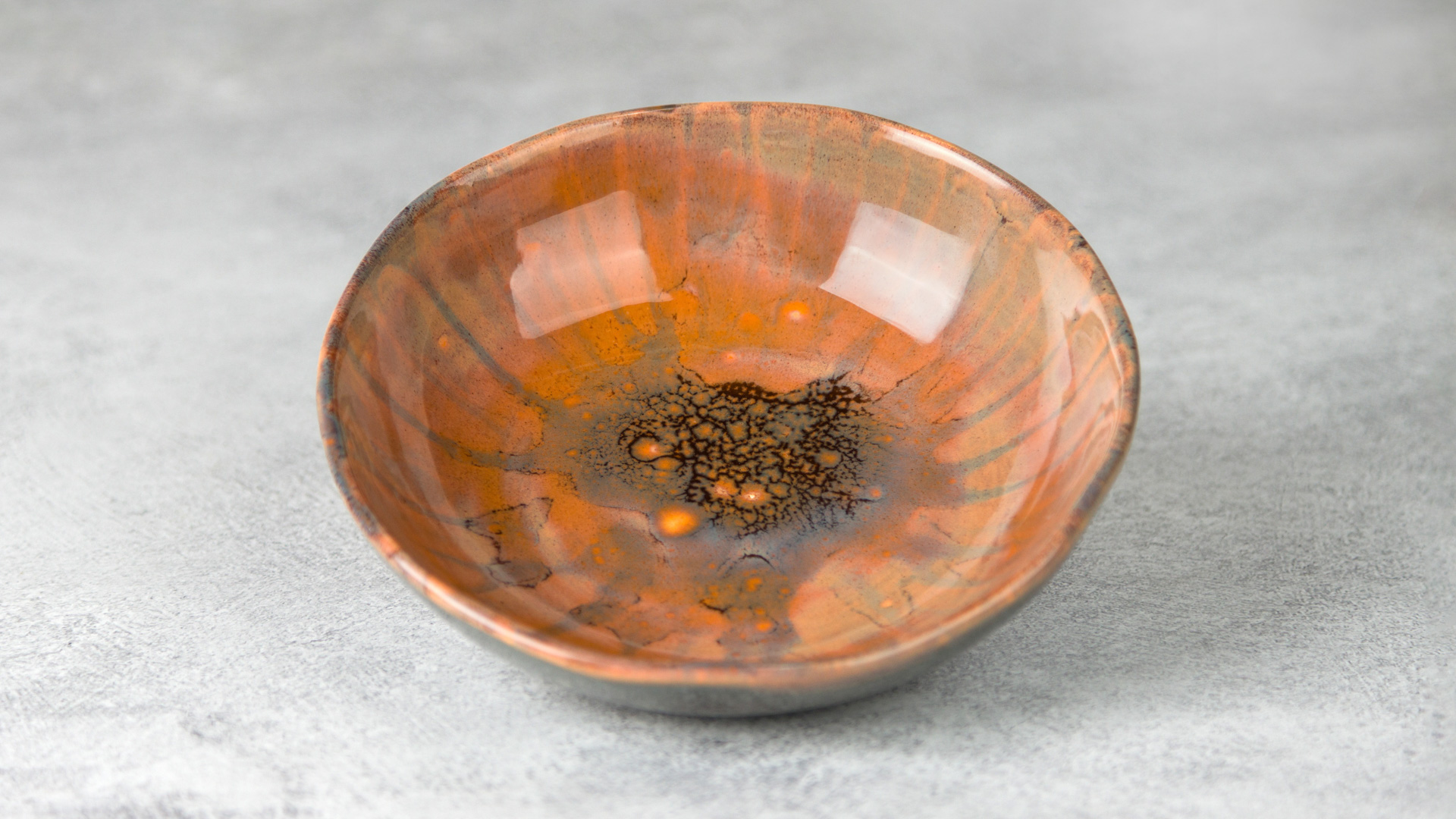
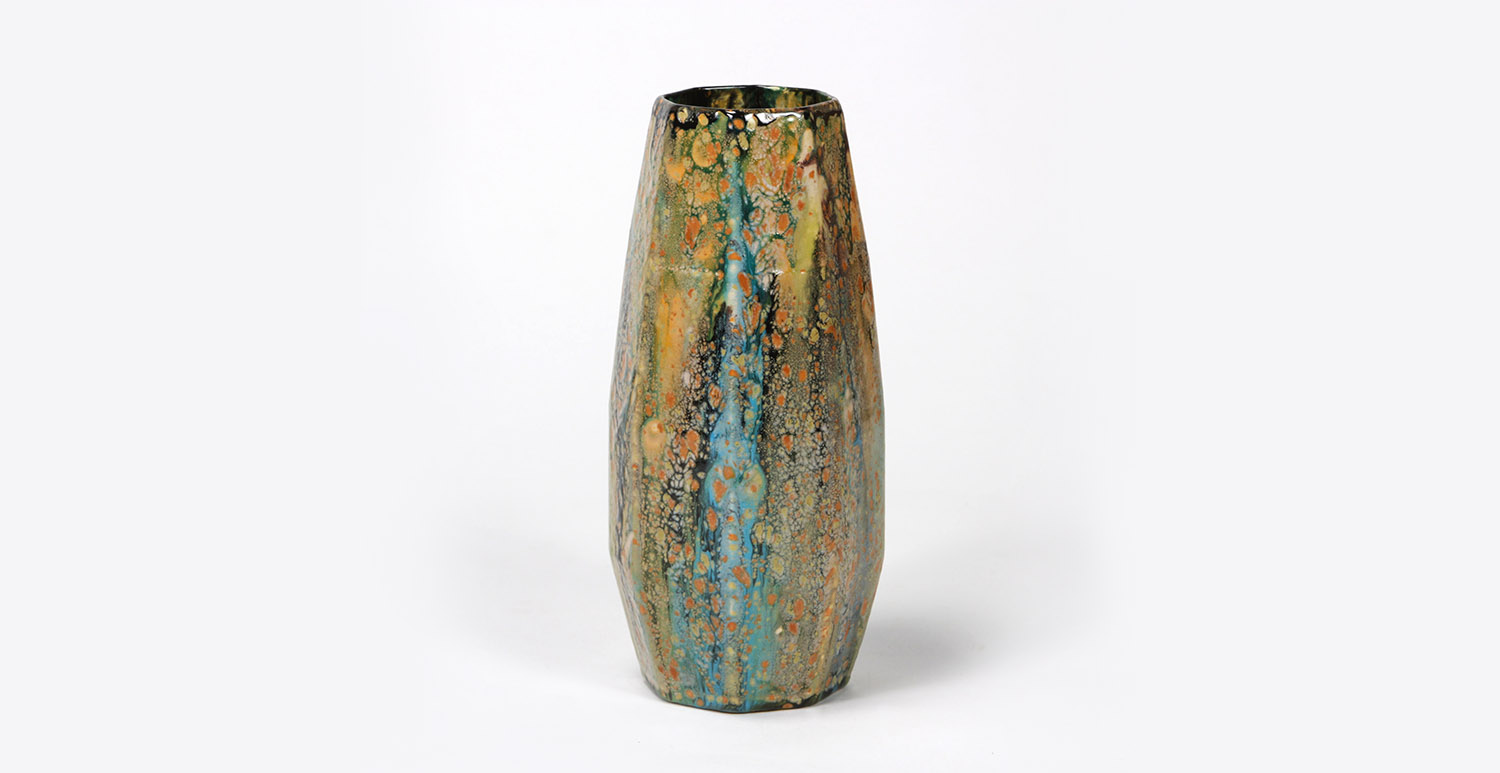
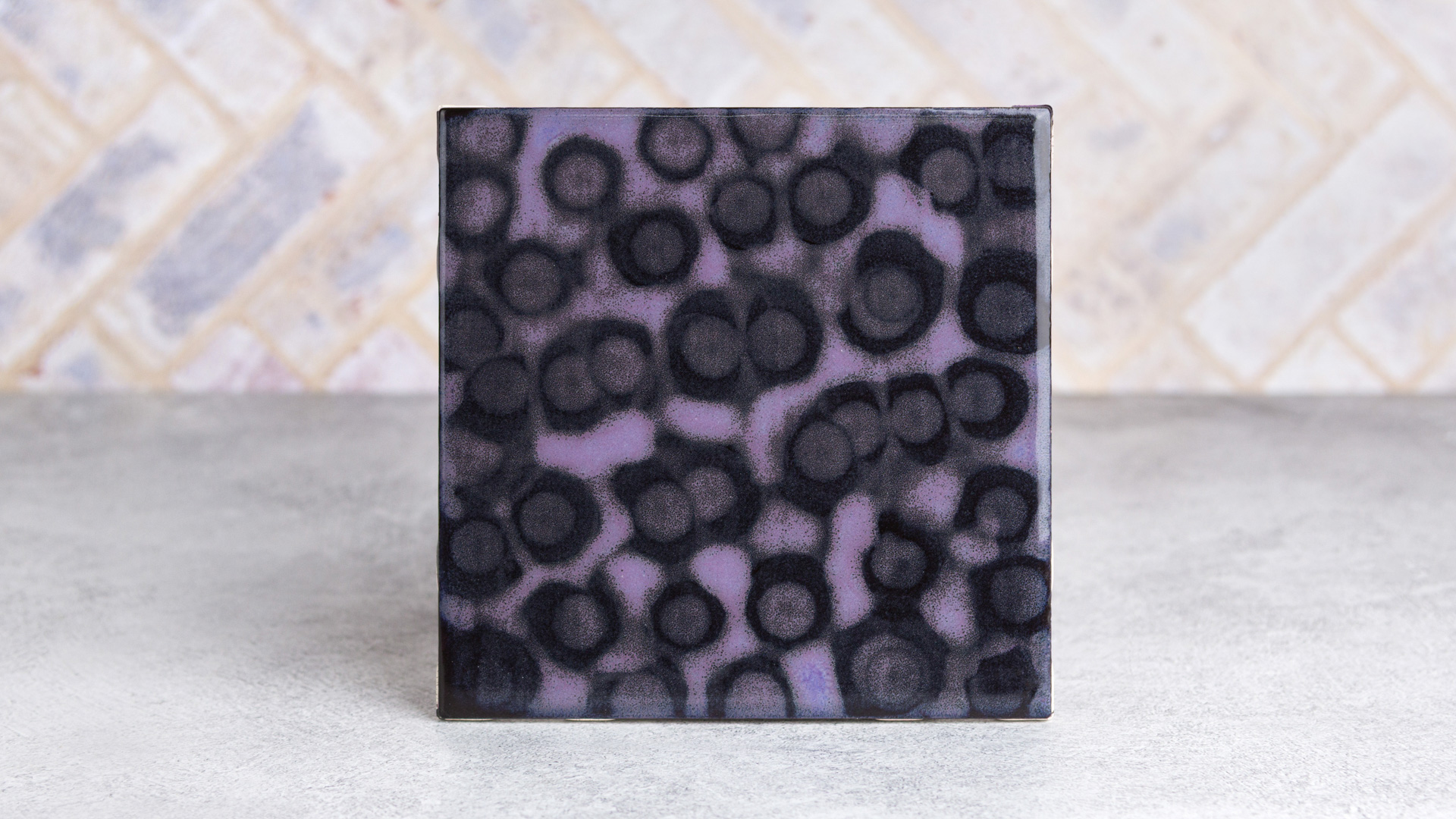
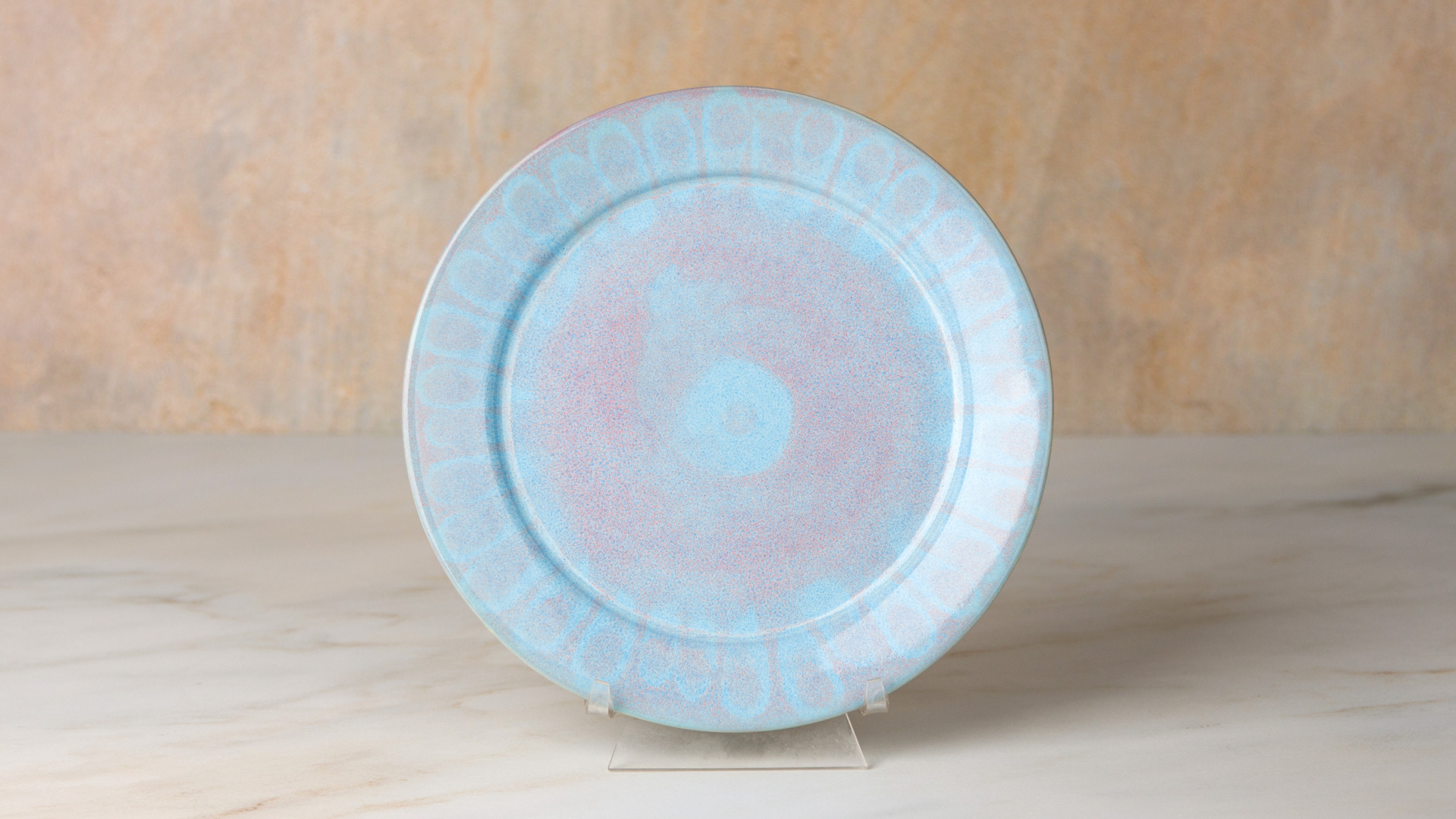
Use rubbing alochol mixed with color to create stunning reactions on ceramic surfaces. When applied, the rubbing alcohol interacts with the glaze, causing it to separate and form unique patterns and cells that resemble intricate organic designs.


design tip pin icon

Design Tips

  • Use a paint brush, eyedropper, spray bottle, or pouring method to apply the alcohol. Each method will create different effects.
  • No two pieces will turn out the same due to the inherent variability of this technique, so embrace the uniqueness of each creation.
  • Vertical surfaces will result in more movement and variability, creating dynamic patterns as the alcohol interacts with the glaze.
  • For a more striking effect, try using contrasting colors. This will enhance the visibility of the patterns and make your piece more visually interesting.
  • Avoid overdoing it with the alcohol. Apply it in small amounts at a time, as too much can dilute the pattern and compromise the desired effect.
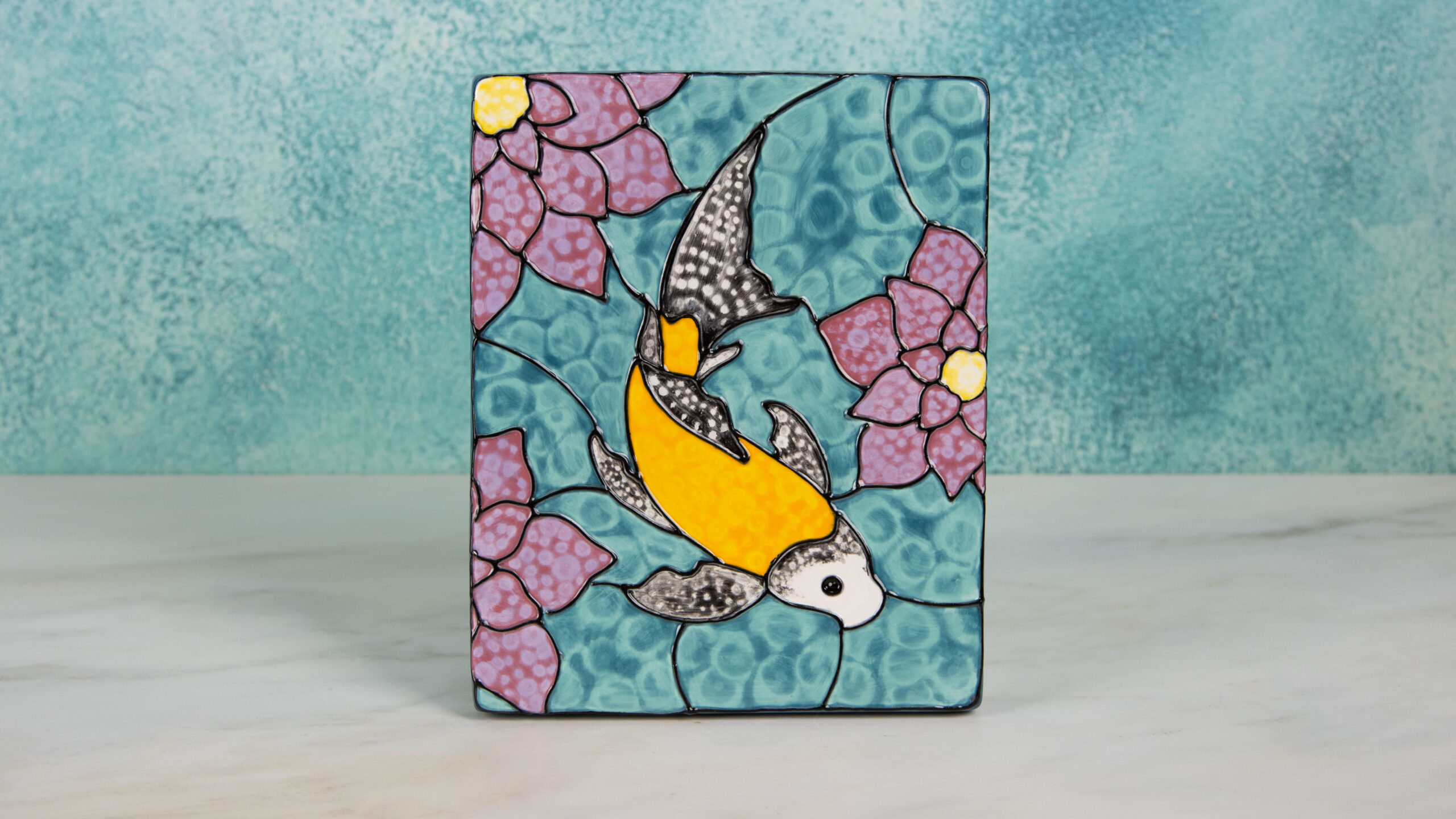
  • To create a stained glass effect, outline your design with French Dimensions™. This adds definition and enhances the overall aesthetic of your piece.

video play icon

Video

On Earthenware

On Stoneware

inspiration light bulb icon

Inspiration

Stroke & Coat® and French Dimensions™

Cone 06 (999°C/1830°F)

Elements™ and Stroke & Coat®

Cone 06 (999°C/1830°F)

Elements™

Cone 06 (999°C/1830°F)

Jungle Gems™ and Stroke & Coat®

Cone 06 (999°C/1830°F)

Elements™ and Foundations®

Cone 06 (999°C/1830°F)

Stoneware Glaze

Cone 6 (1222°C/2232°F)

Top