
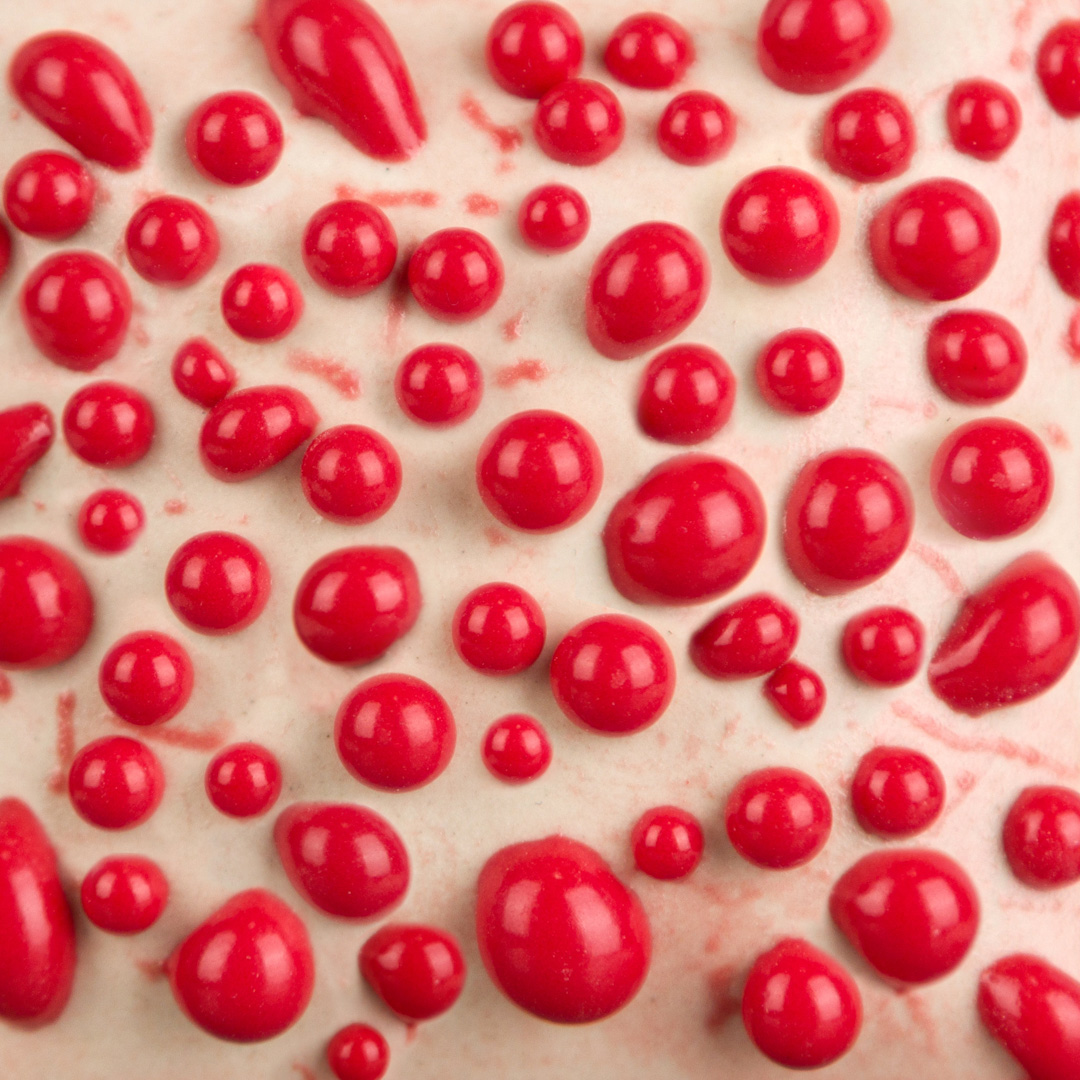
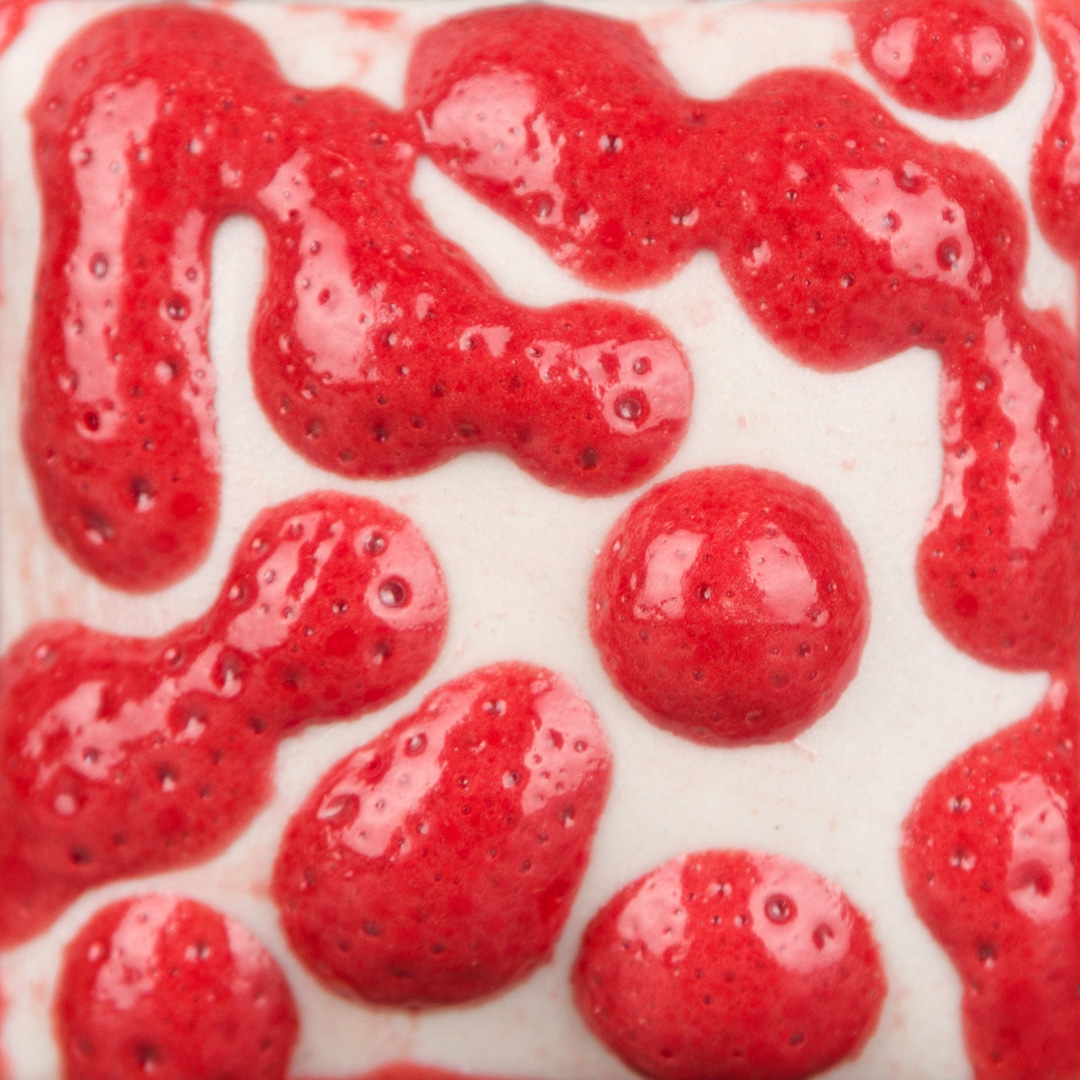
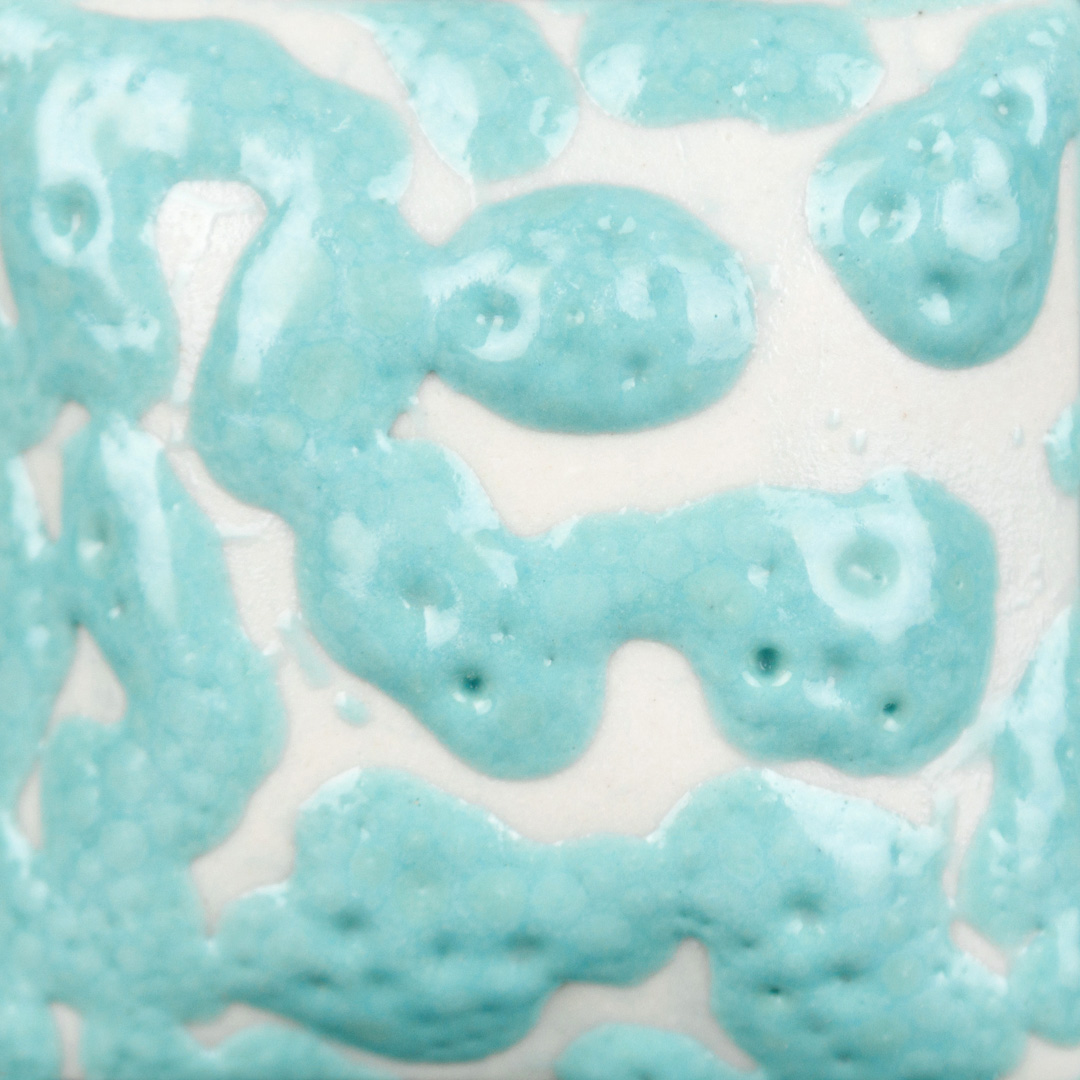
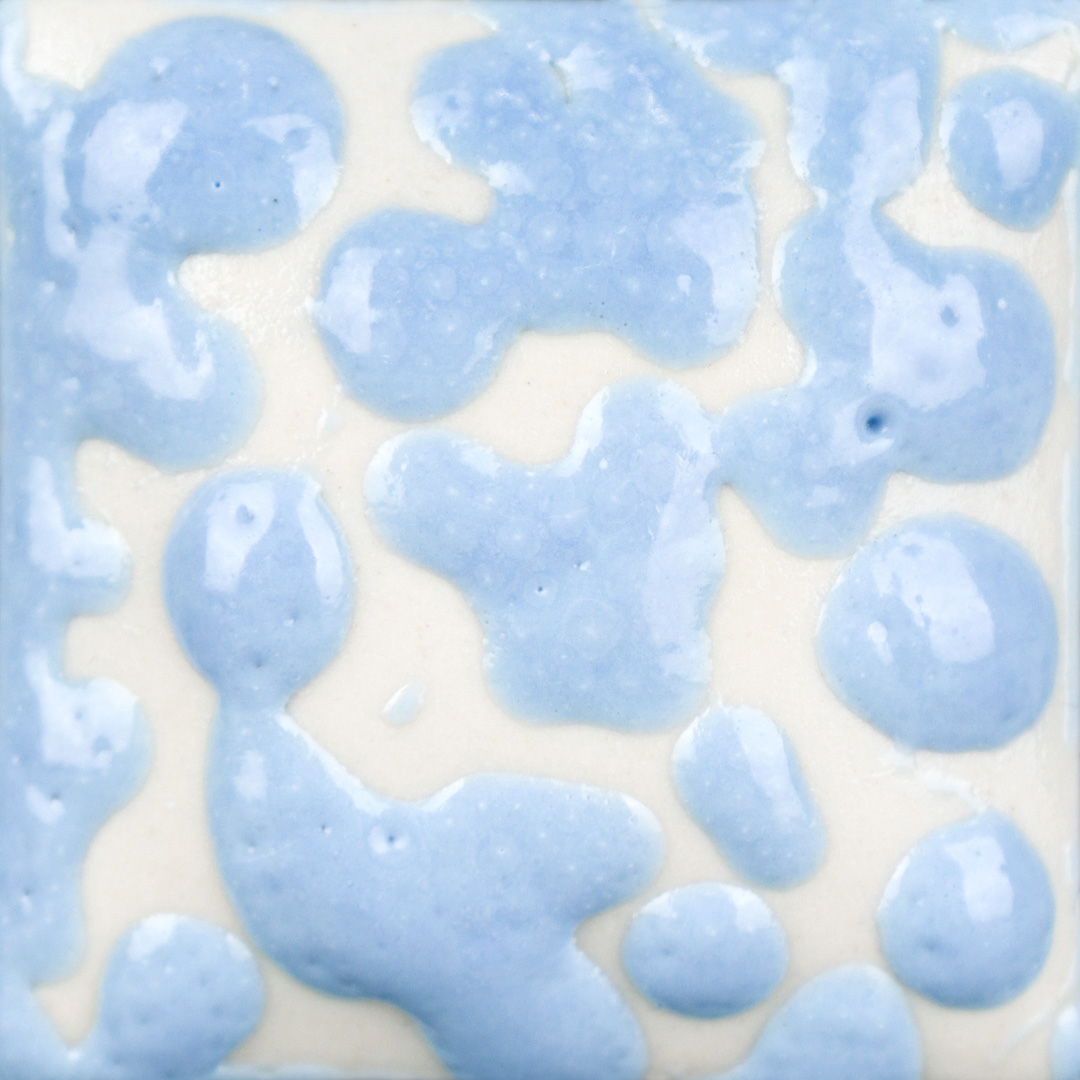
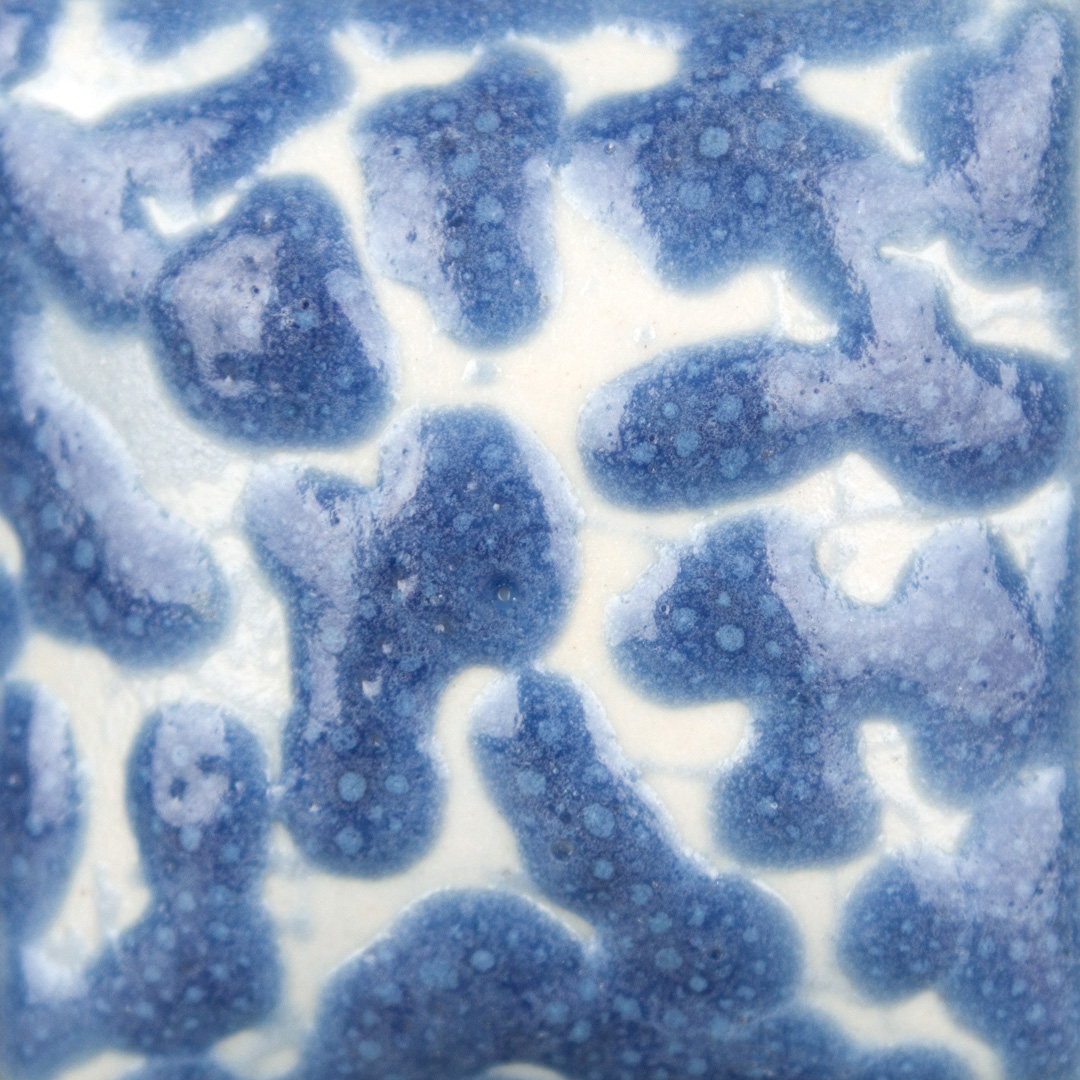
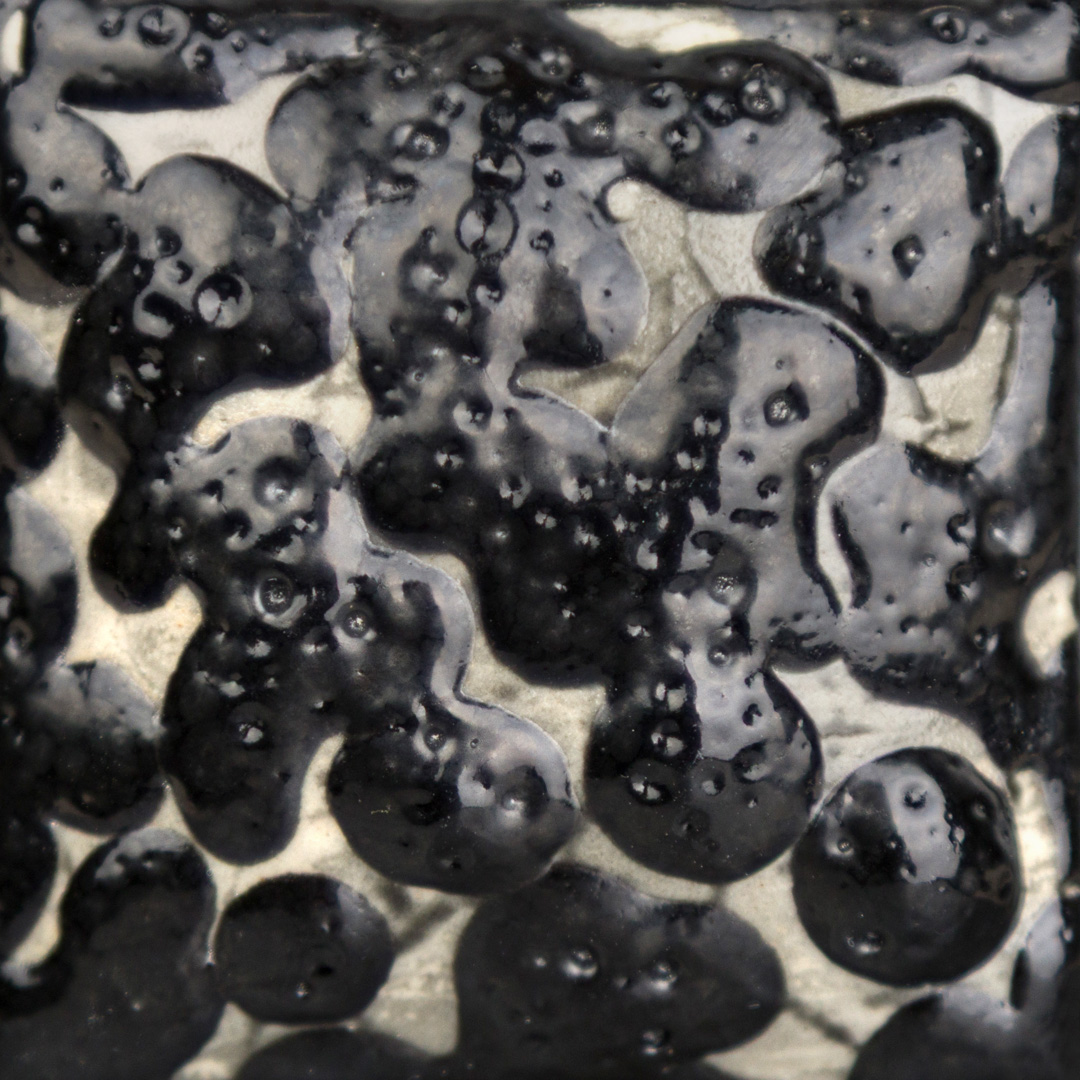
 Unique surface effects produce a textured, raised bead pattern.
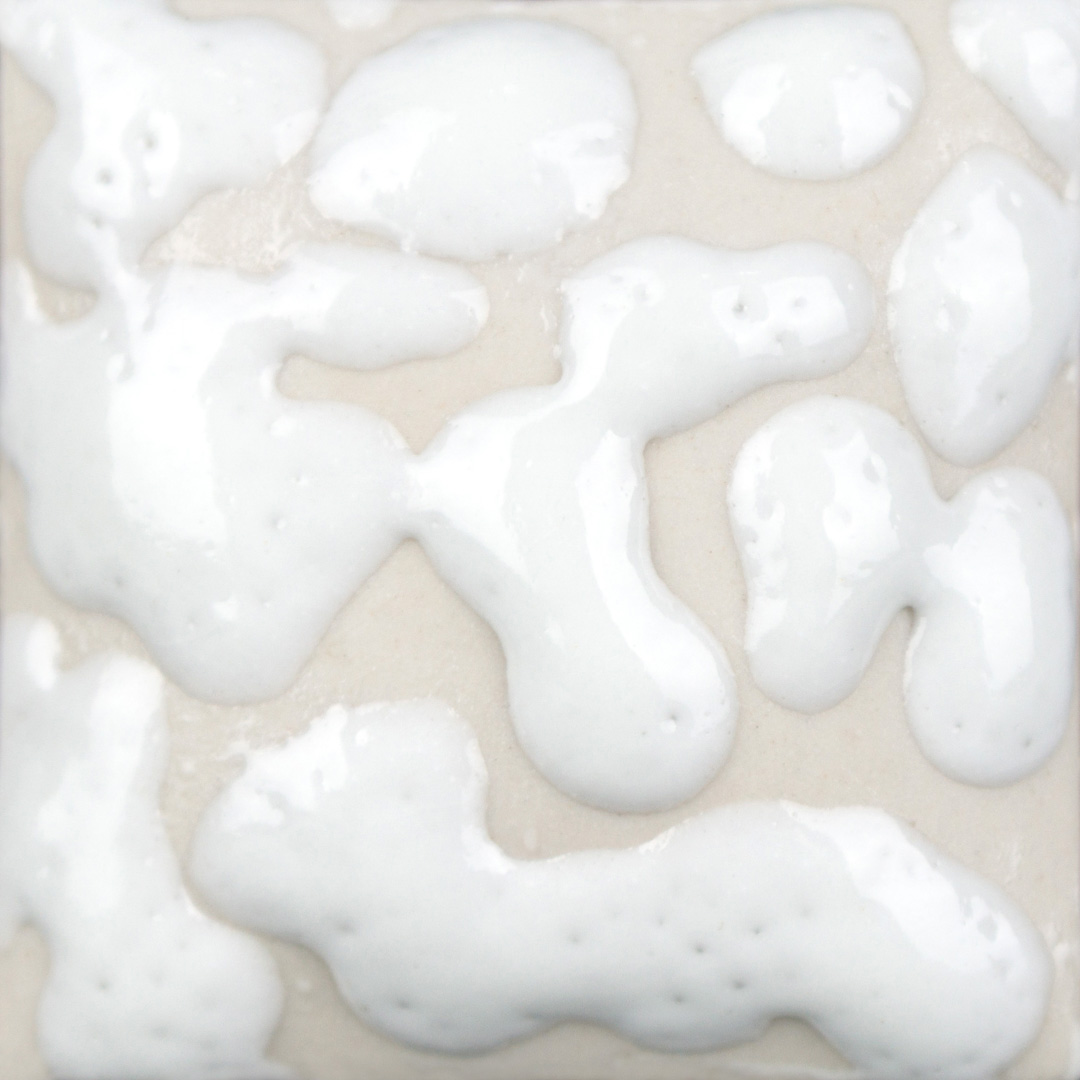
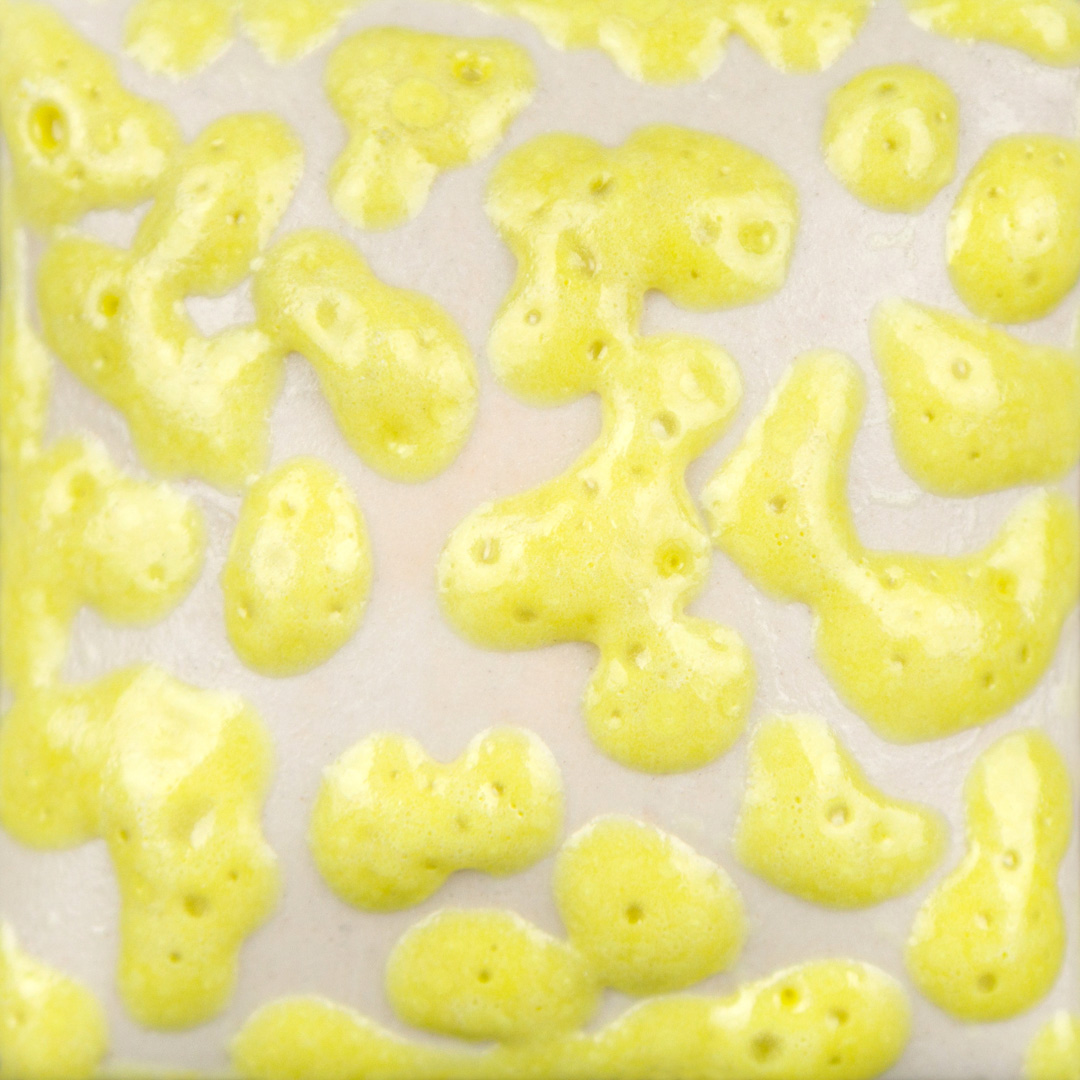
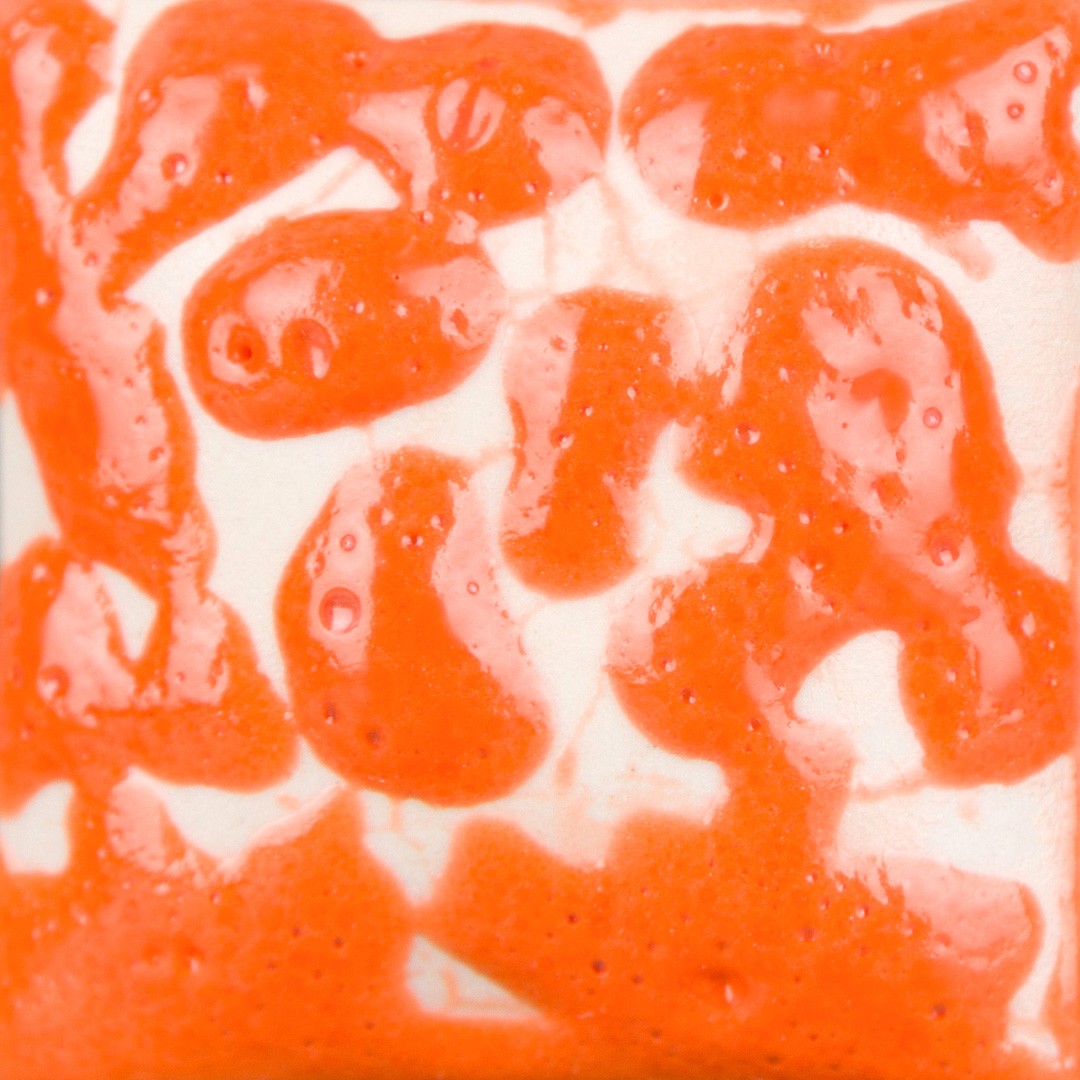
Cone 6 chips have been fired flat in oxidation on white stoneware body.
Cone 10 chips have been fired flat in reduction on white stoneware body.
Beads is a stoneware glaze that produces a dimensional, beaded texture in varying sizes. A heavier application will result in a more pronounced bead pattern.
Ritual Glazes by Mayco enhance your pieces with out-of-this-world texture and pops of color at mid-range to high-fire temperatures.
Shake or stir the glaze thoroughly before use. Apply to greenware or soft-fired, cone 04 stoneware bisque (1940°F / 1060°C). Use a soft fan brush to apply coats, alternating the direction of each coat (e.g., first coat horizontal, second vertical, and so on). 1–2 coats of Beads will produce a subtle crawl effect, with a more flattened texture and smaller pattern breakup.3–6 coats of Beads will create a more pronounced, dimensional beaded surface, with greater separation and texture. A heavier application will result in a more pronounced bead pattern.
Allow each coat to dry until the glossy sheen disappears before applying the next. Continue layering until hairline cracking appears. Dry time may vary depending on the clay body or bisque used. Handle with care. Overhandling may cause the glaze to flake or pop off. We recommend firing as soon as possible after application to ensure proper adhesion. Note: Darker colors may cause body staining after firing.
Fire to your preferred temperature, cone 5-10 (2167°F-2345°F/ 1186°C-1285°C). Cone 5–6 (2167°F / 1186°C to 2232°F / 1222°C): Produces a raised beaded texture with varied shapes and sizes. Cone 10 (2345°F / 1285°C): Glaze will soften and spread, potentially altering surface texture. Always test on your specific clay body. Results may vary depending on materials and firing conditions.
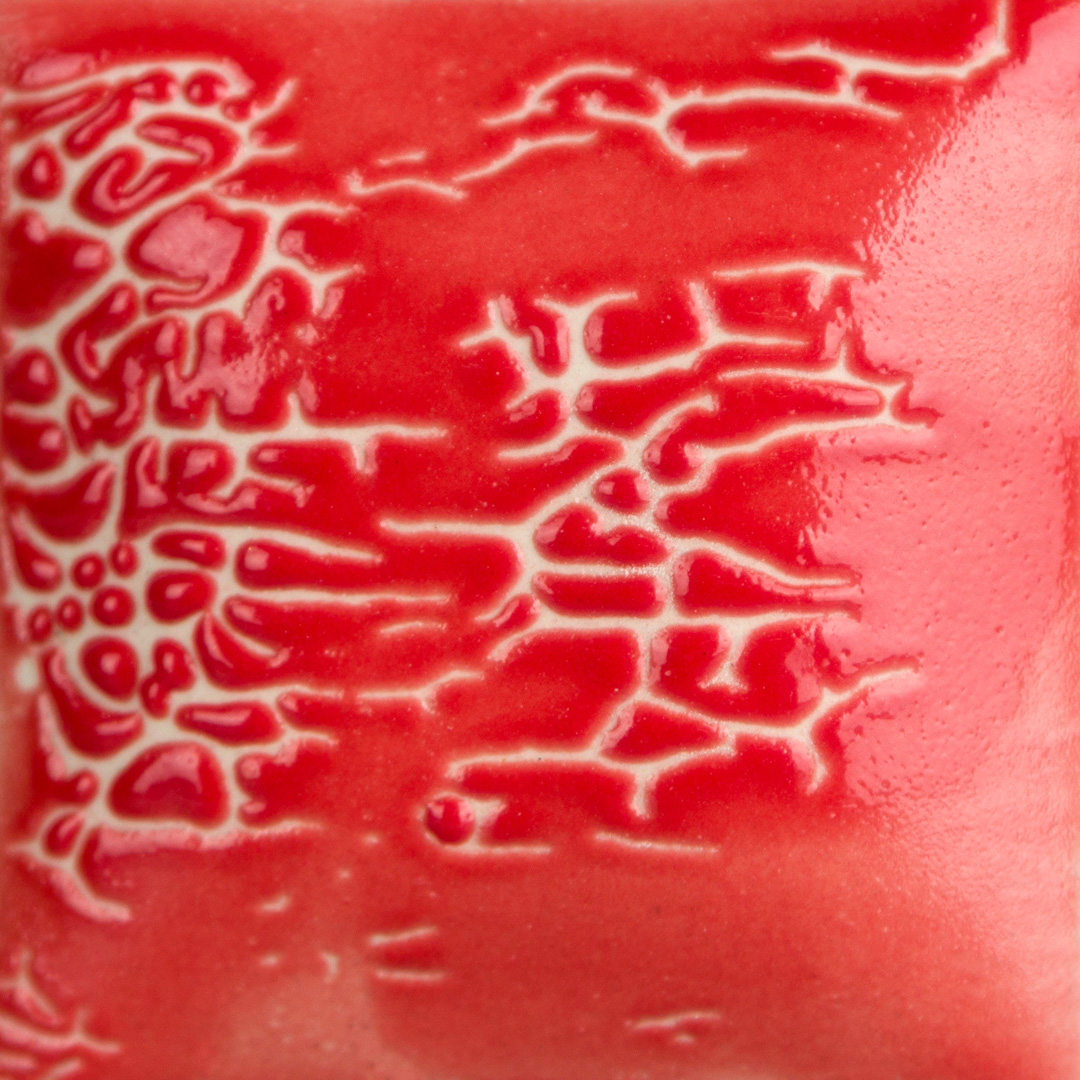
1 coat
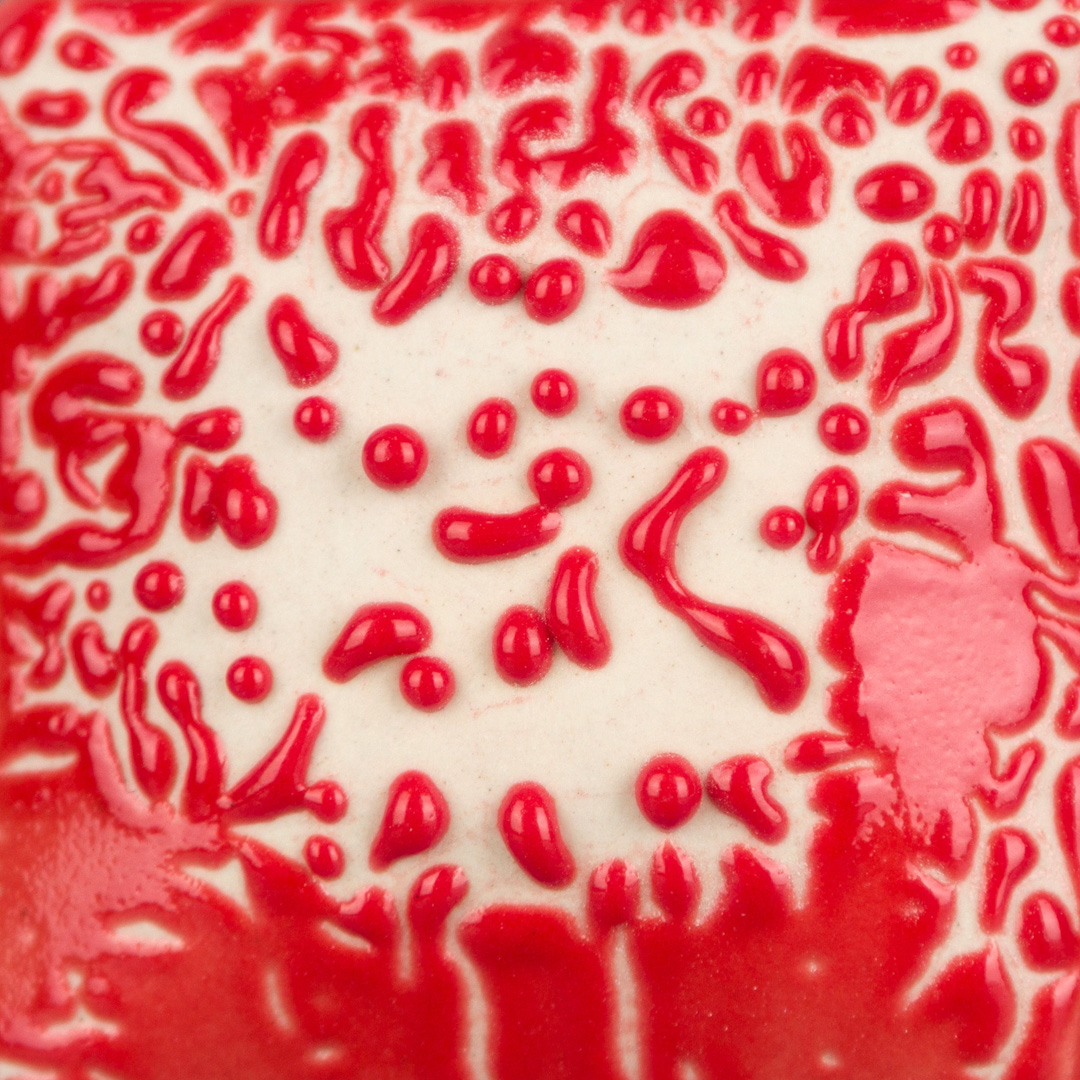
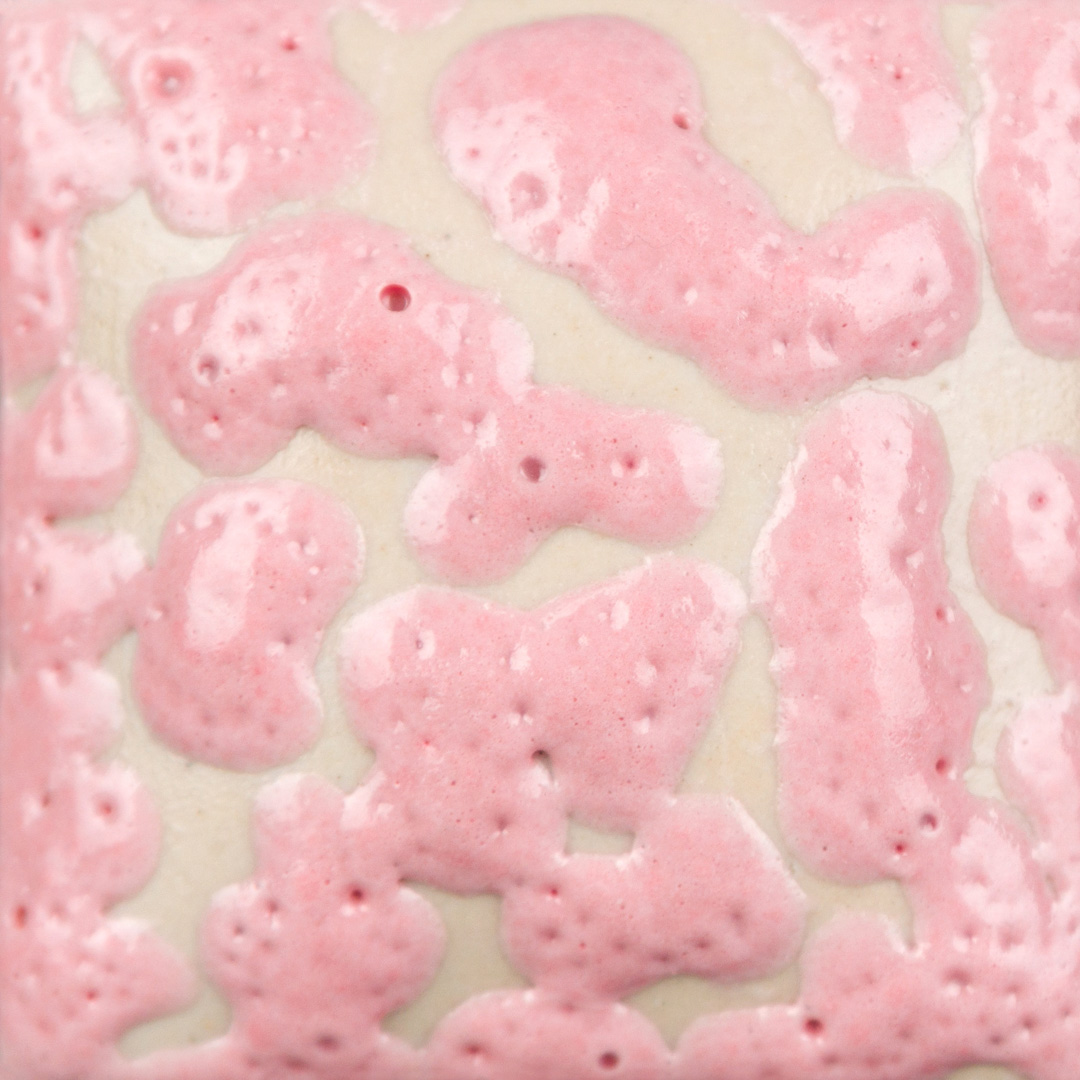
2 coats
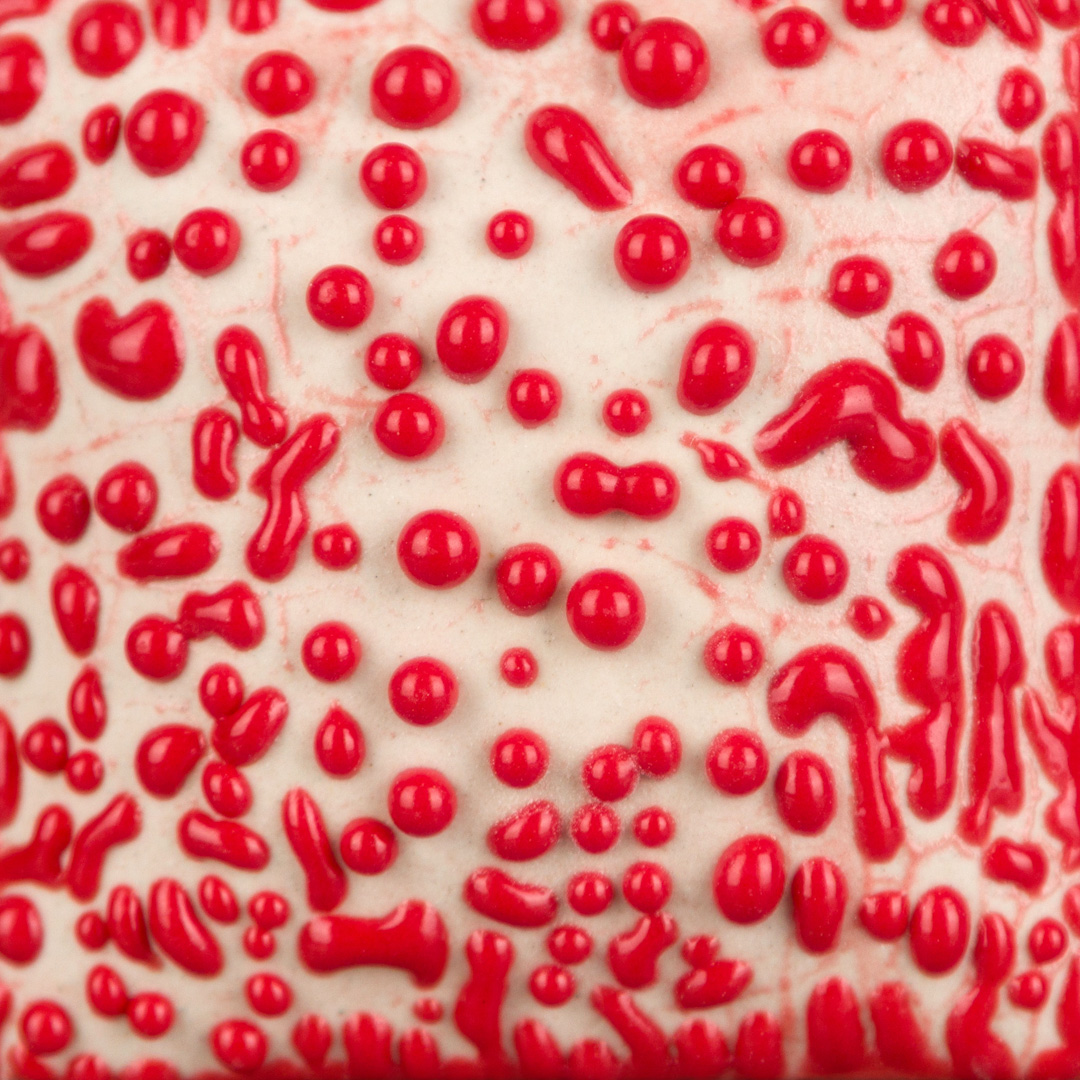
3 coats
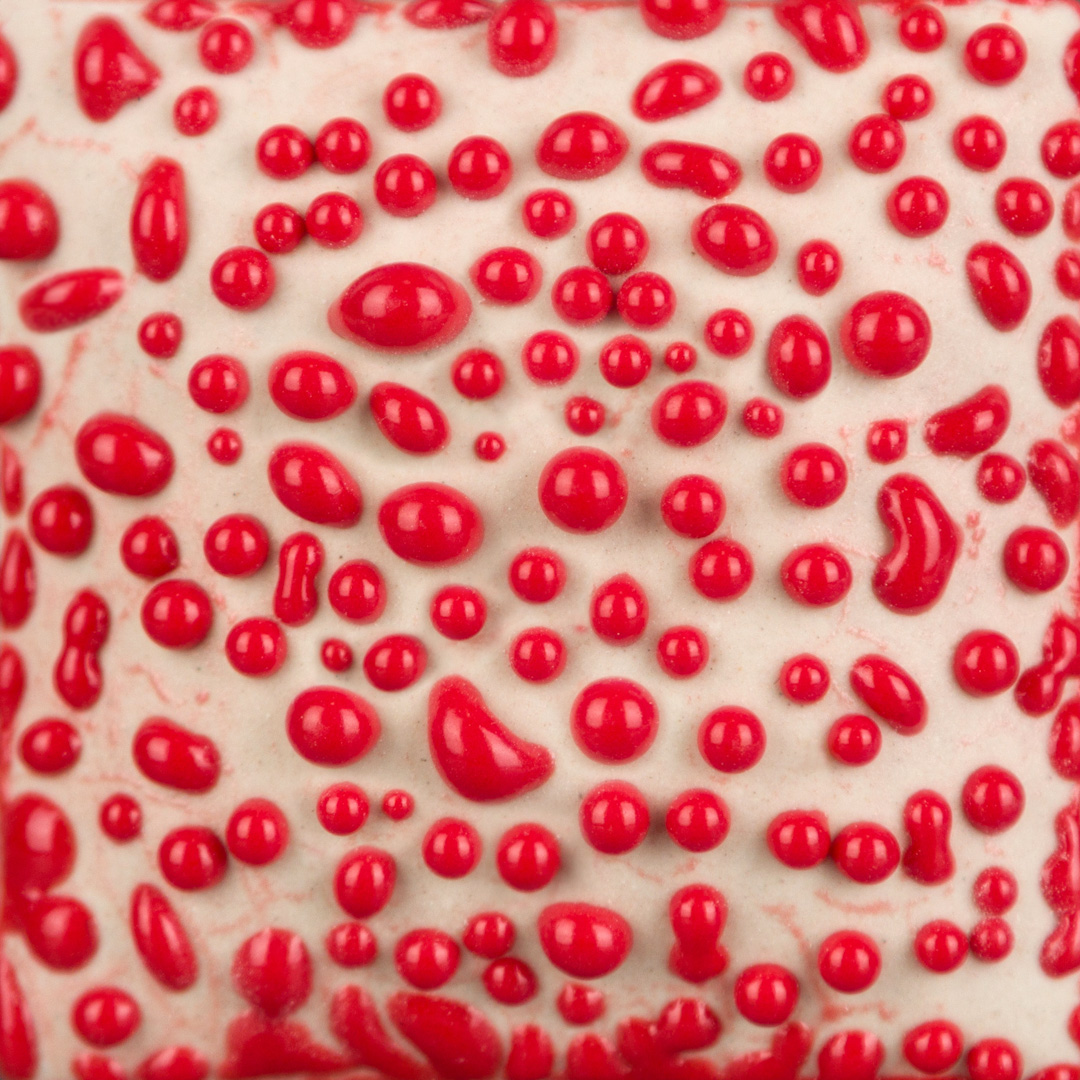
4 coats
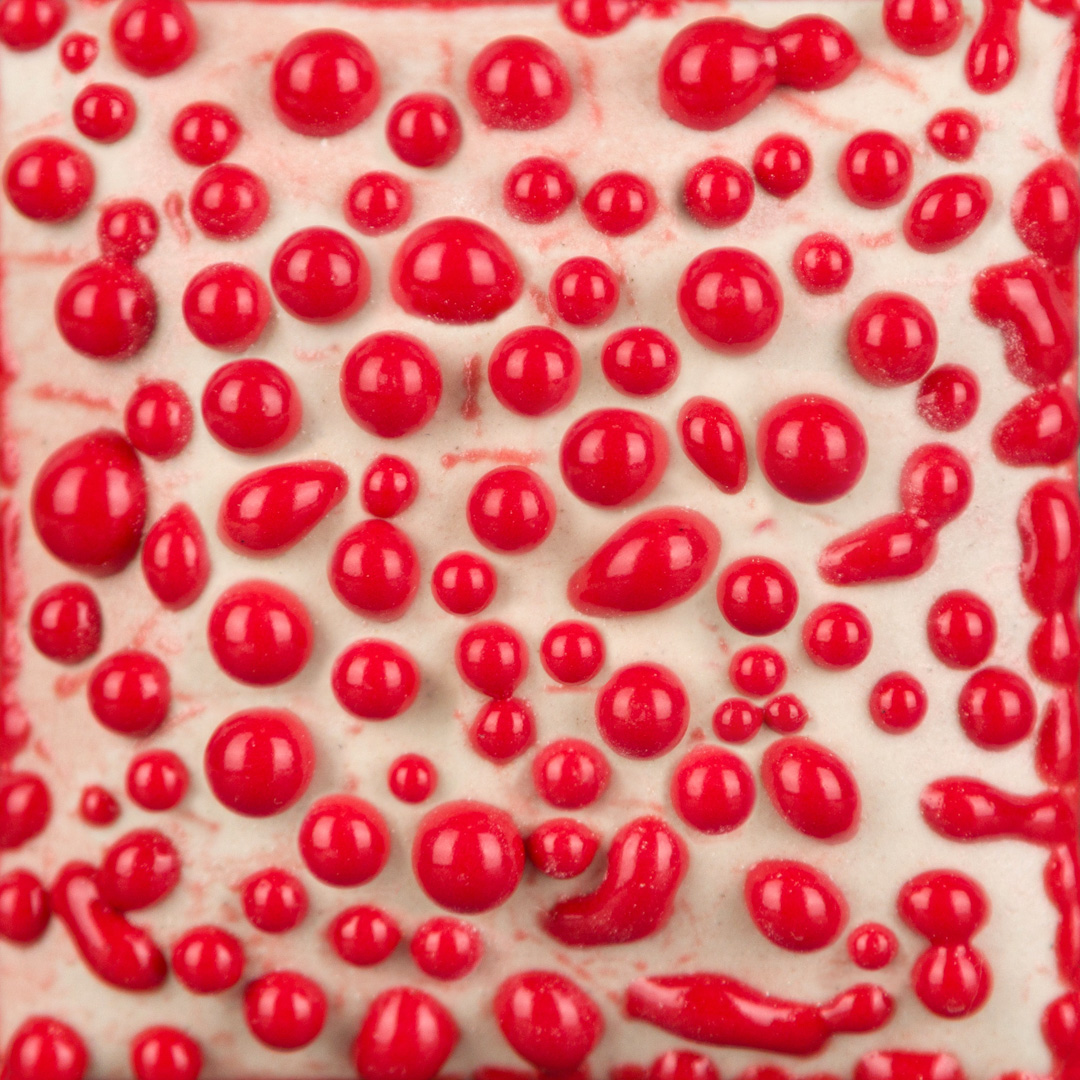
5 coats


Ritual Glazes by Mayco are AP non-injurious to humans when used as intended under supervised conditions, approved for use by artists of all ages when used according to the manufacturer’s directions. These glazes are intended for decorative use. Not recommended for the food-contact or lip and rim areas of dinnerware due to surface texture and/or chemical durability. Finishedware producers bear responsibility for food-contact testing of ware sold into commerce.
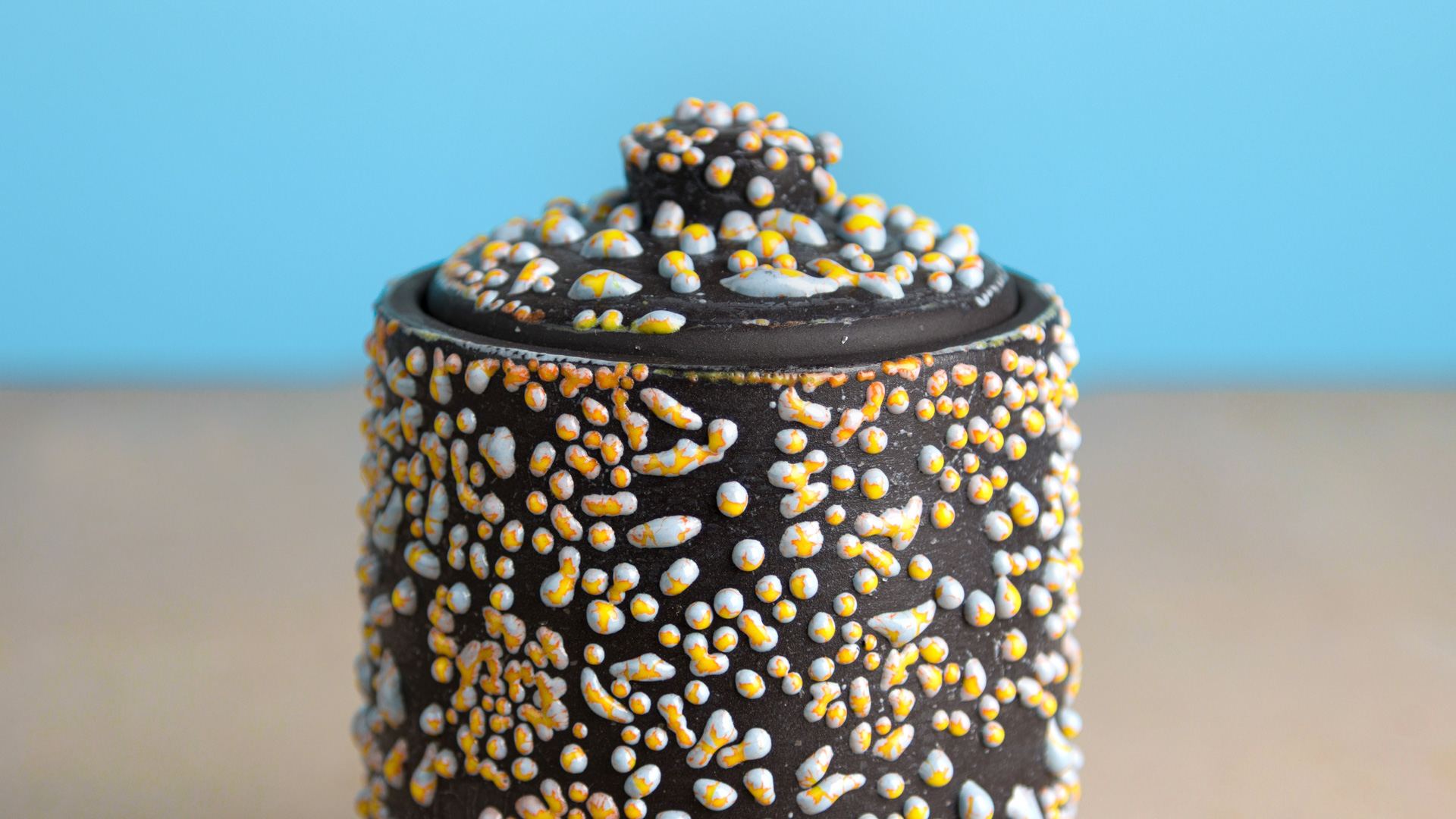
Beads can be layered with other Bead colors to create stunning visual effects. Allow the first layer to set slightly (loses its glossiness) before adding the next. Alternate directions of coats (apply one layer vertically and the next layer horizontally). The first coat you put on will be the most prominent. 1-2 coats of each color are recommended, but additional coats will produce a more pronounced bead pattern.
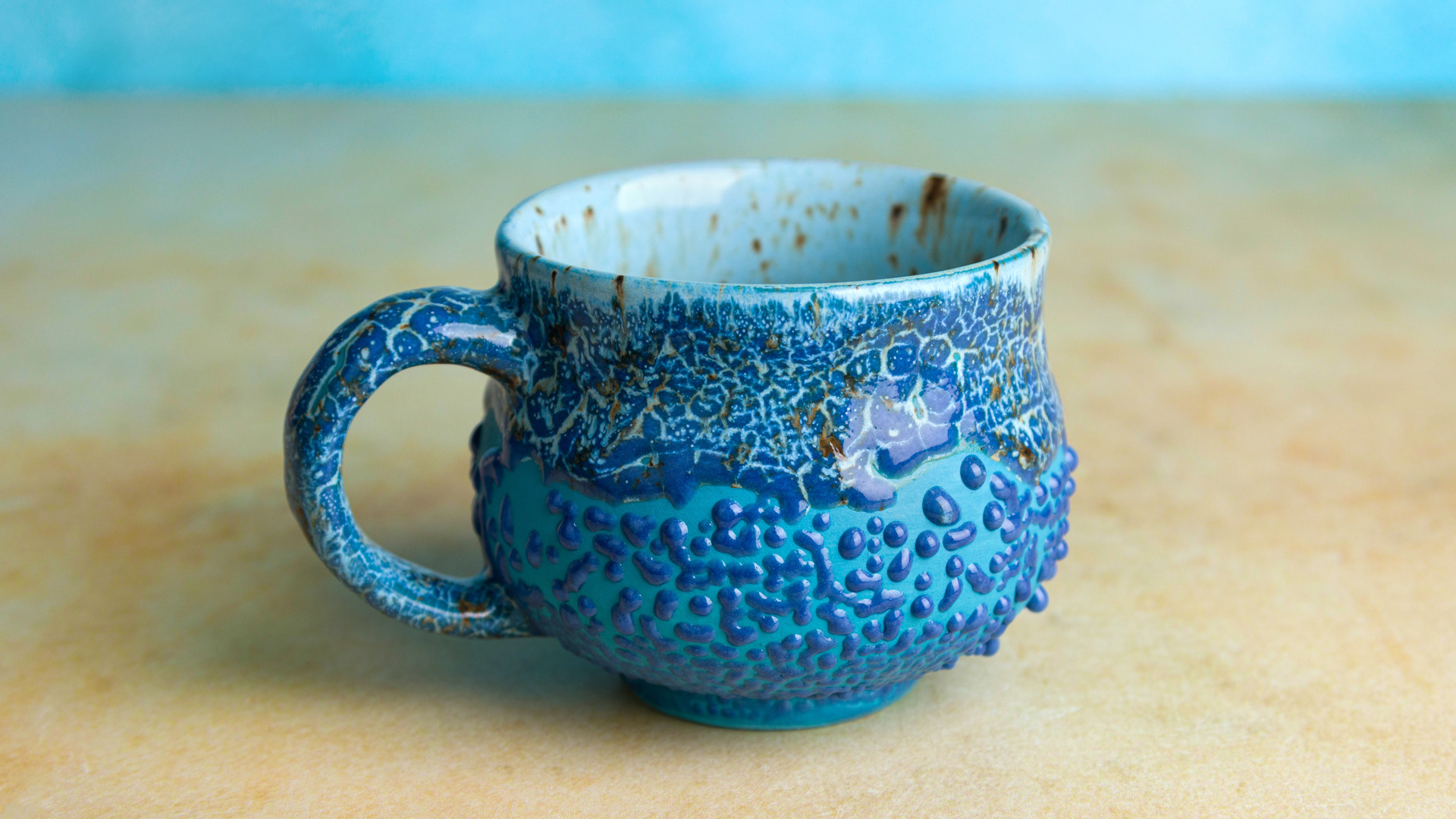
Beads retain their dimensional quality when applied over Underglazes and Stoneware Engobes, preserving their raised texture. For best results, it is recommended to bisque fire the Underglaze or Engobe to cone 04 before applying the Beads, as this helps with adhesion and ensures the glaze performs effectively during the final firing.
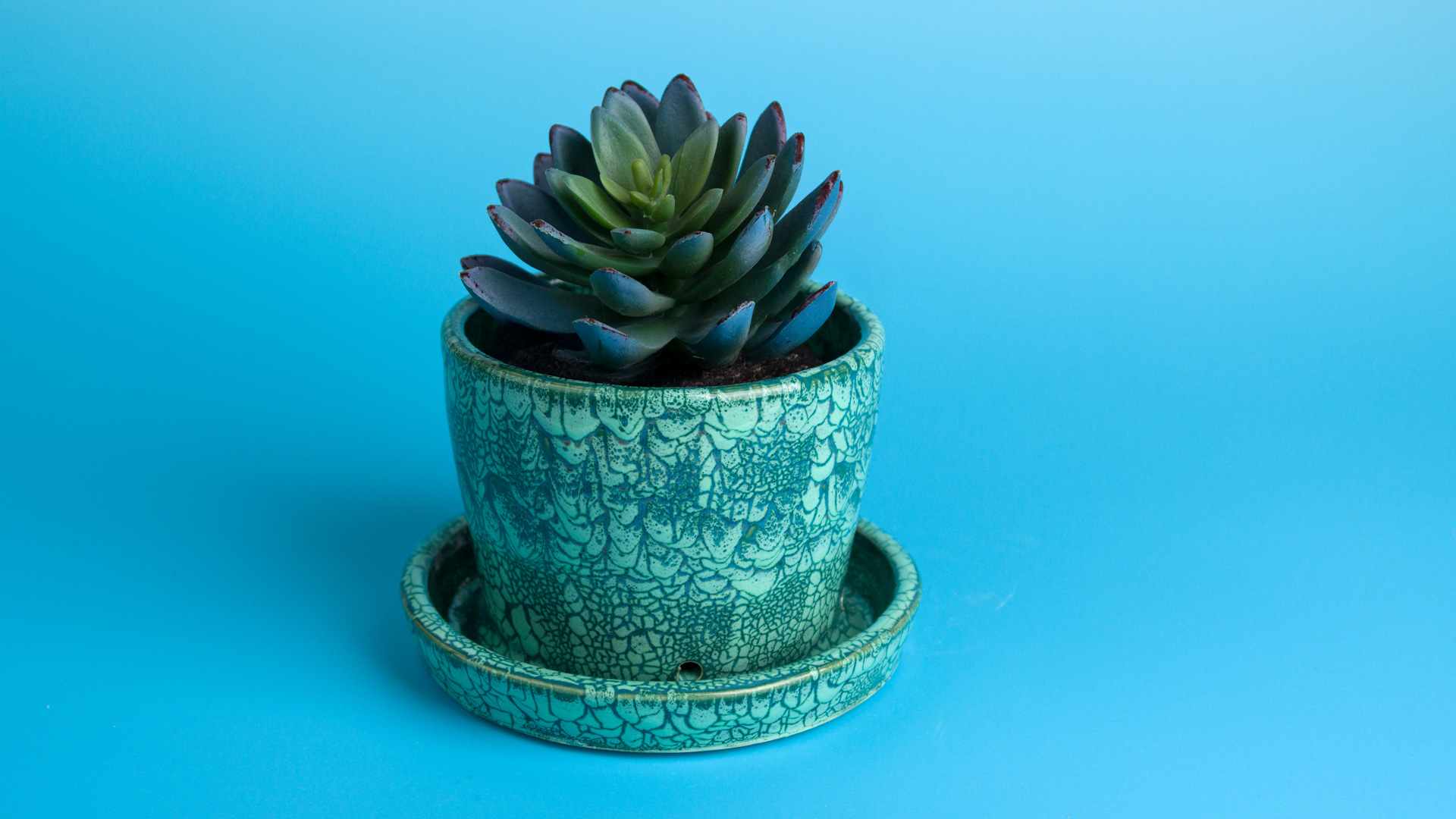
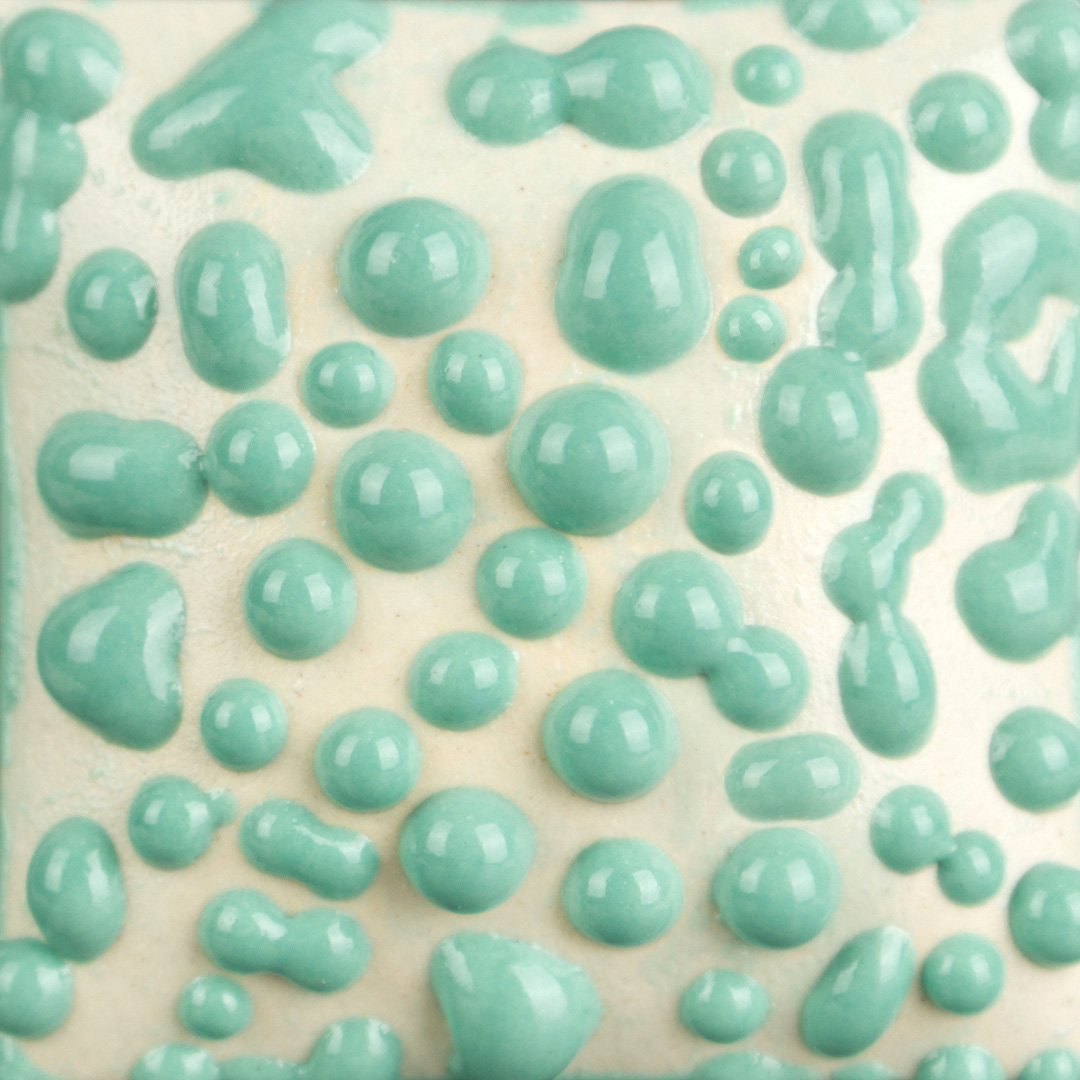
When used either under or over a glaze, such as Stoneware glazes, the Bead texture may flatten during firing. This technique can still produce interesting and colorful effects, offering a smooth, layered appearance even without the dimensional quality. For the pictured sample, Bead was applied over top SW224 Tropical Teal and cofired to cone 6.
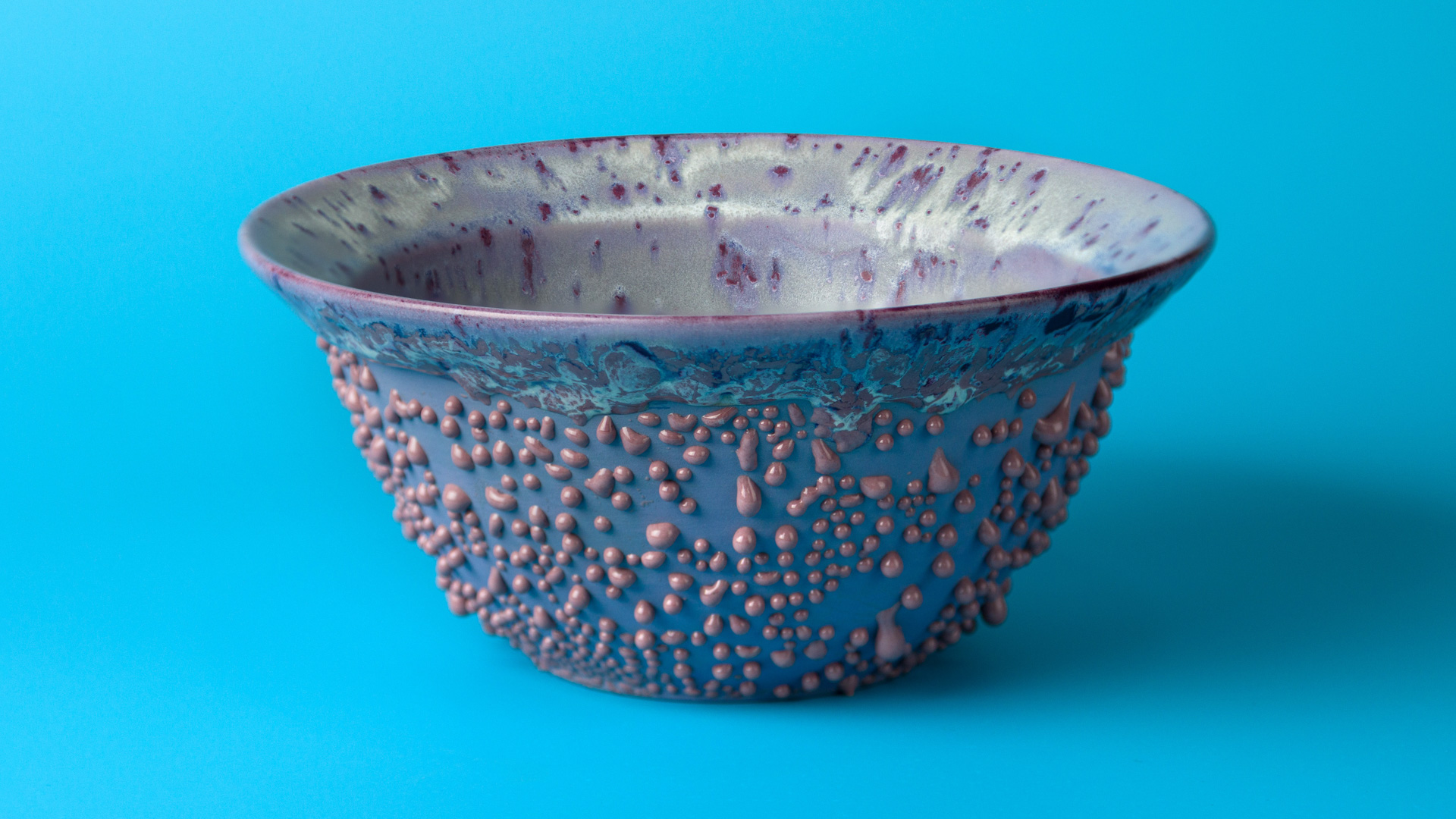
Beads can be tinted with a 1:4 (Color Product to Beads) ratio for custom colors using Stroke & Coat, EZ Stroke, Stoneware Gloss, Underglaze or Mason Stains to expand your color palette.
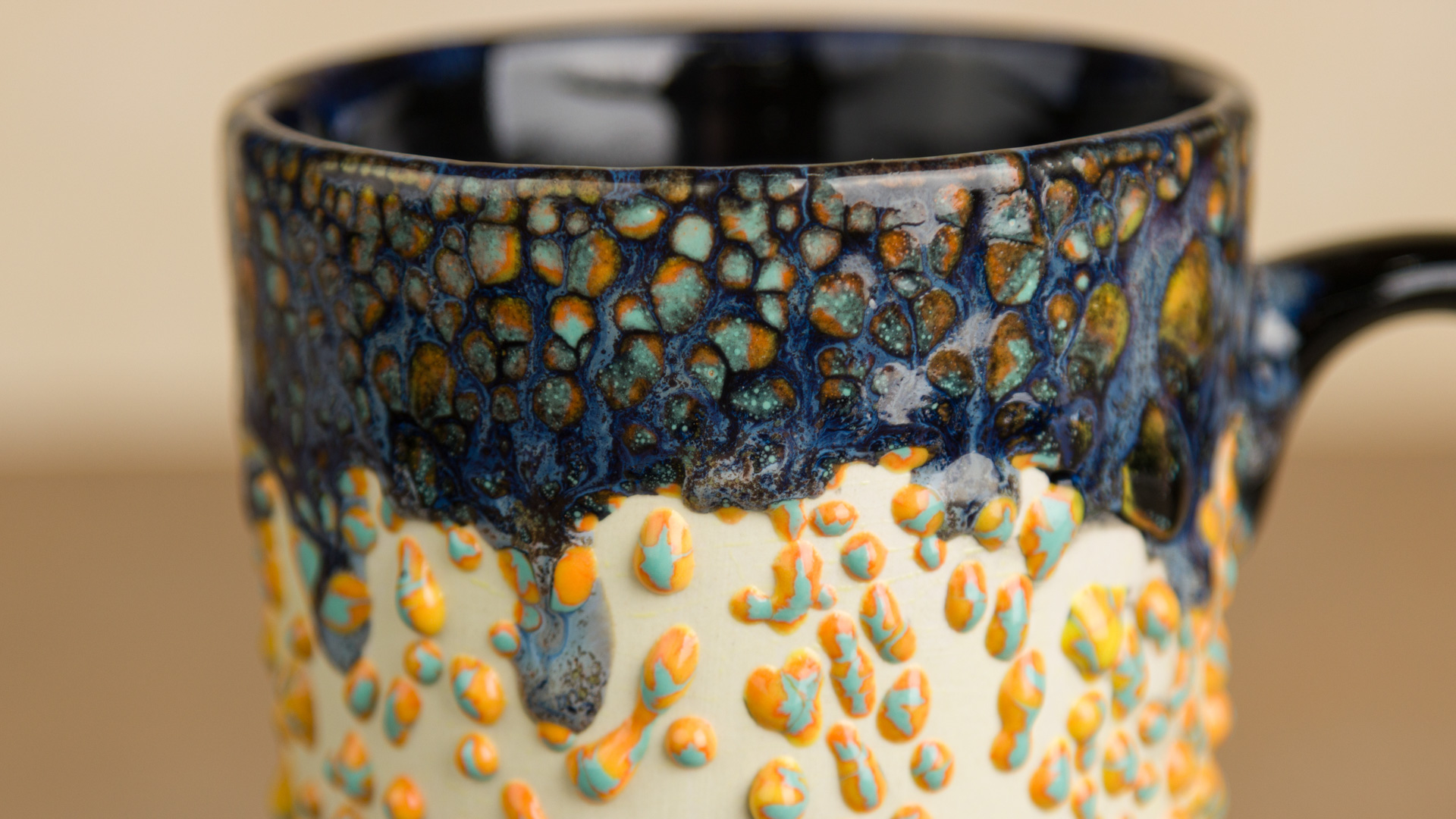
This dynamic two-to-three-step firing process highlights the unique surface effects of Mayco’s Ritual Beads glaze in combination with Stoneware Glazes.
First Firing: Start by applying the Beads, either alone or in layers, to create a textured, raised bead pattern. Fire it to your preferred stoneware temperature. Alternatively, you can apply an Underglaze or Stoneware engobe first, and fire it before applying the Beads.
Second Firing: Apply a stoneware glaze over the beaded surface and fire it again. This second firing allows the top glaze to interact with the underlying texture, resulting in a dimensional finish with rich color variation and depth. This technique is ideal for artists who wish to explore layered surface effects. Tip: Heating the piece in the microwave will help with glaze adhesion when applying the stoneware glazes.
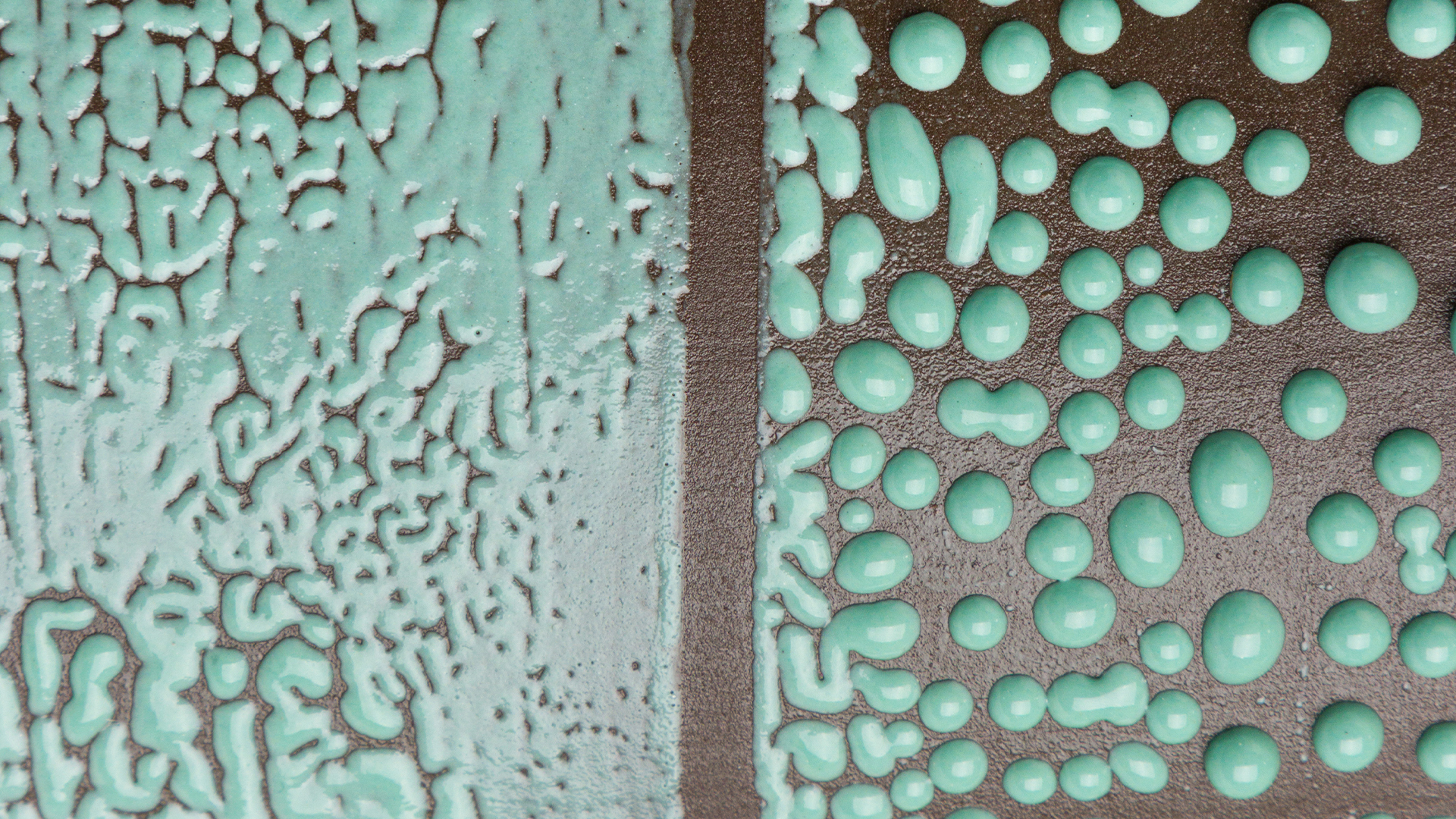
After extensive testing and development, we discovered that Mayco Beads creates TWO effects in one; Beads and Crawl! This flexibility allows artists to control the surface effect using a single product.
1–2 coats of Beads will produce a subtle crawl effect, with a more flattened texture and smaller pattern breakup.
3–6 coats of Beads will create a more pronounced, dimensional beaded surface, with greater separation and texture.
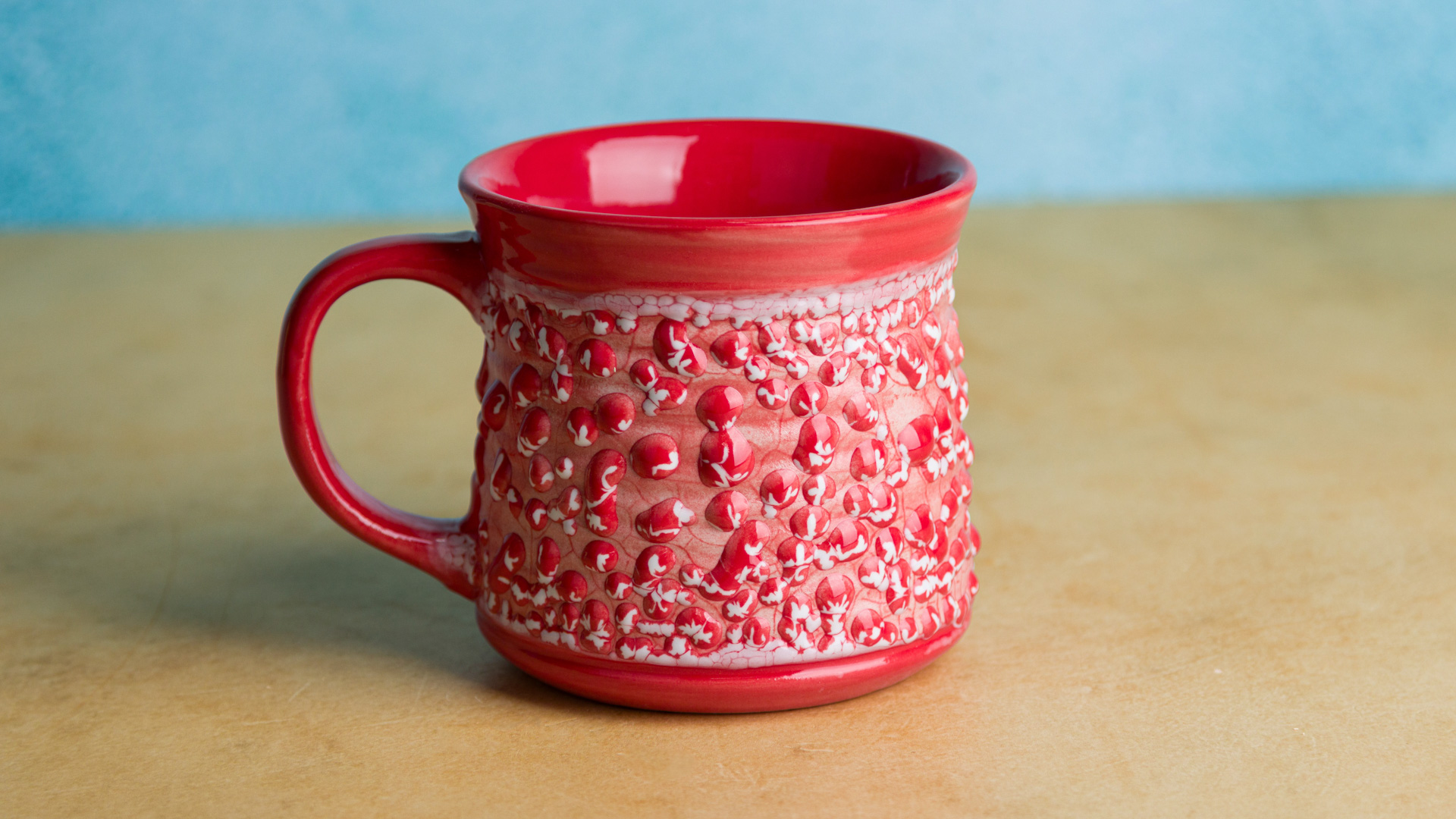
Beads are for decorative use only due to the surface texture. However, it can be used on the outside of functional ware, below the lip or rim areas.
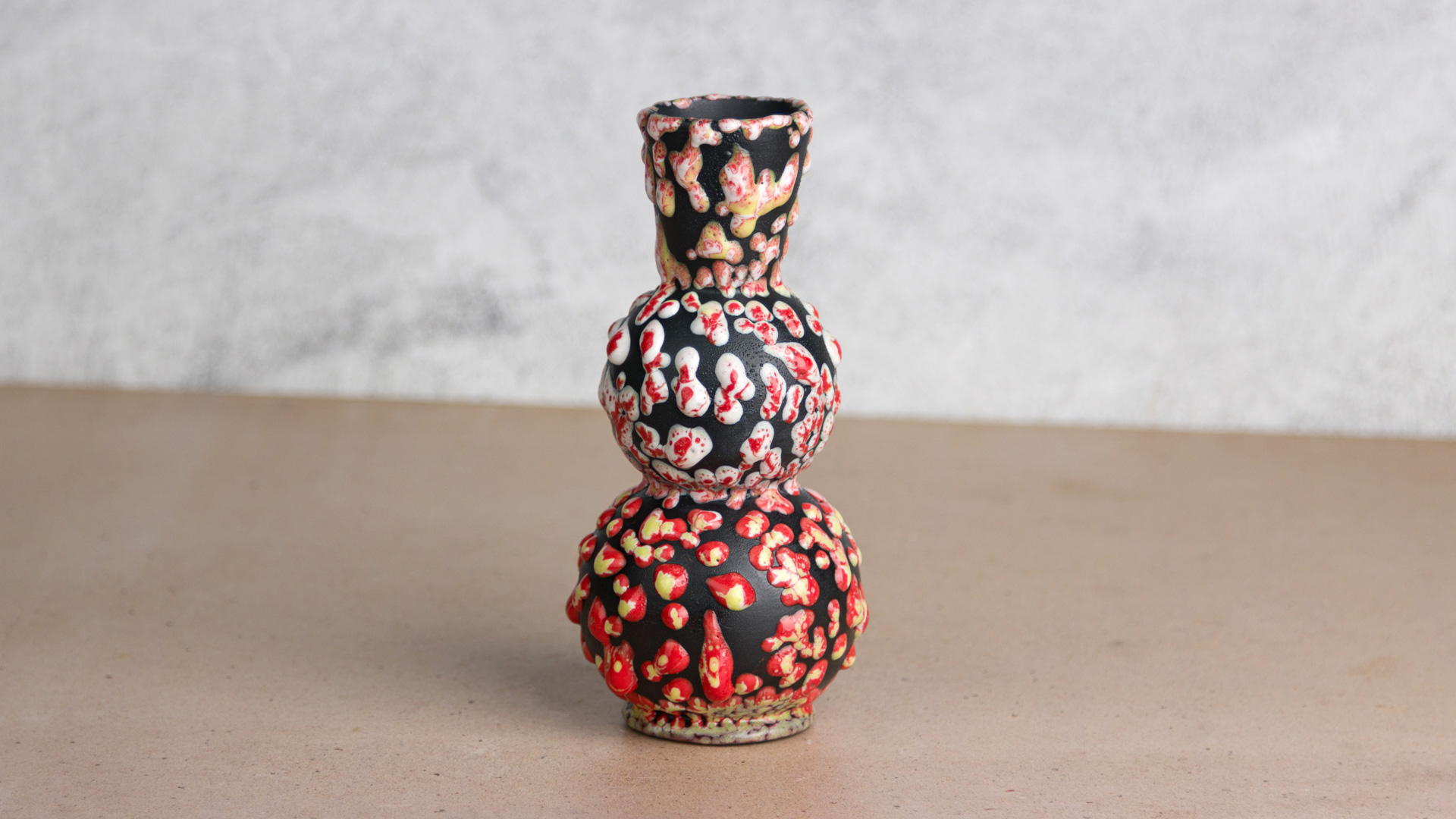
Bead has a broad firing range from cone 5 to cone 10, (2167°F-2345°F /1186°C-1285°C) in both oxidation and reduction firings. Firing at higher temperatures may result in glaze spreading and surface texture. Because results can vary based on firing conditions and layering techniques, it’s recommended to test the glaze beforehand. Visit the individual color pages to see how each glaze performs under different firing scenarios.








 View all Ritual Glazes by Mayco
  Stoneware Brochure