

Inspired by aspects of nature, Elements™ and Elements™ Chunkies produce lush, organic, and earthy hues.
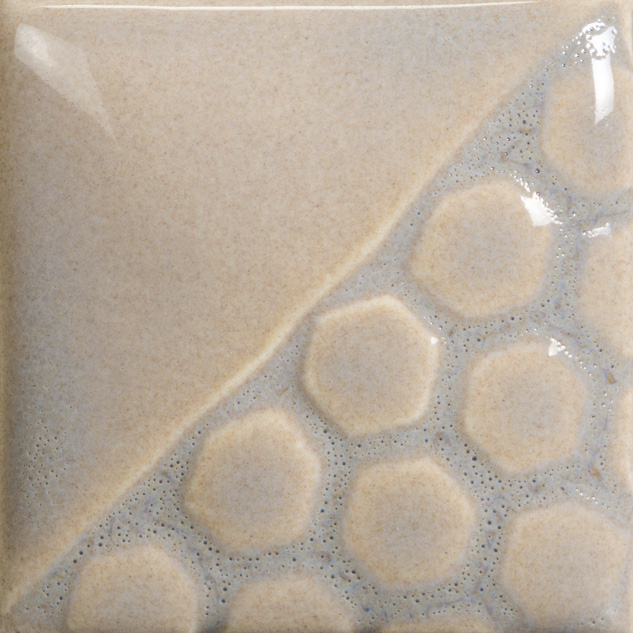
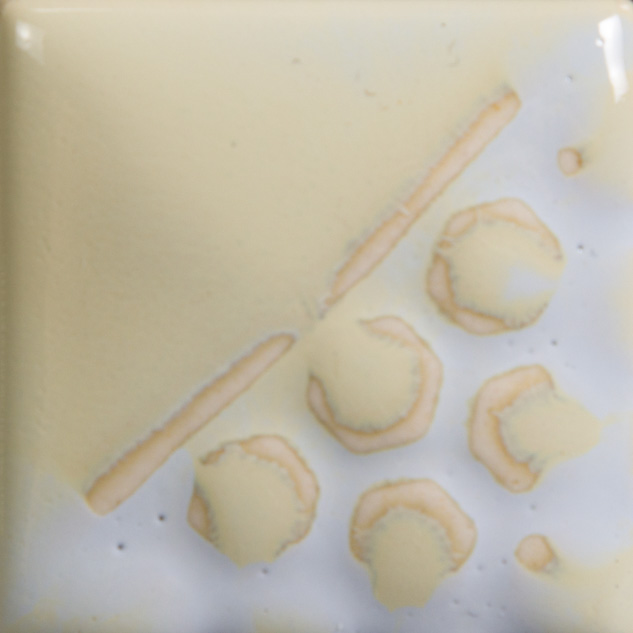
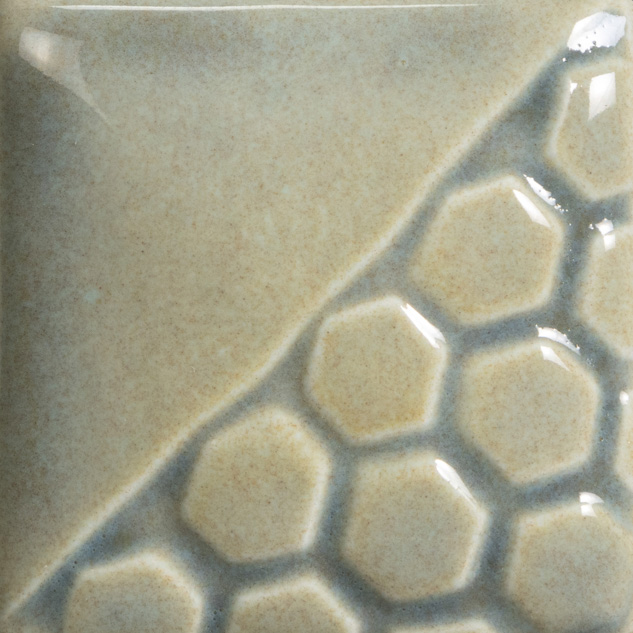
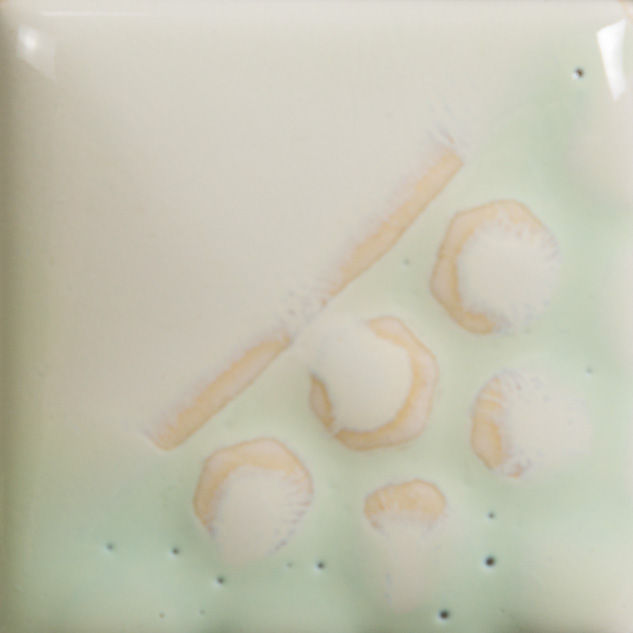
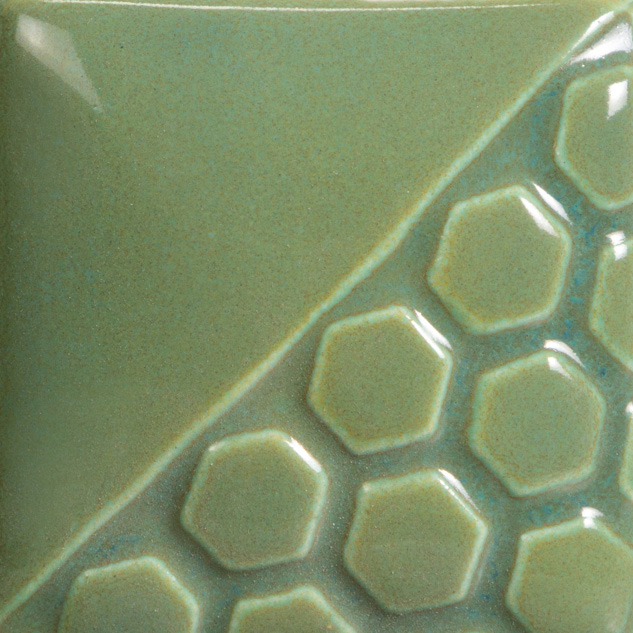
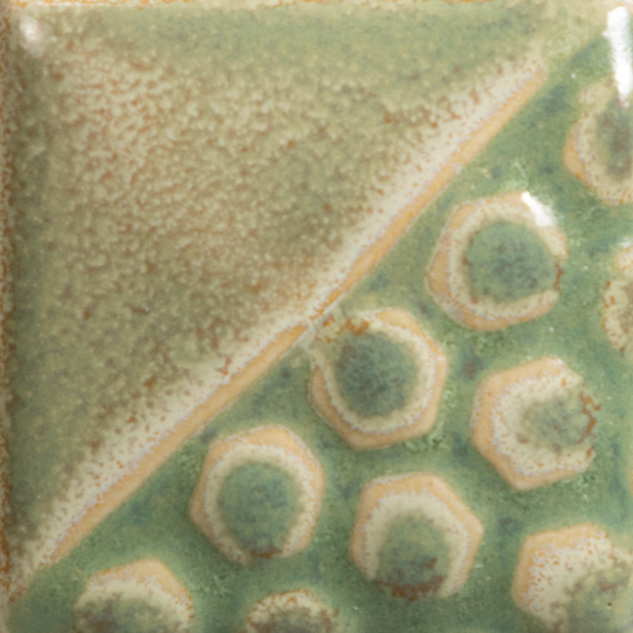
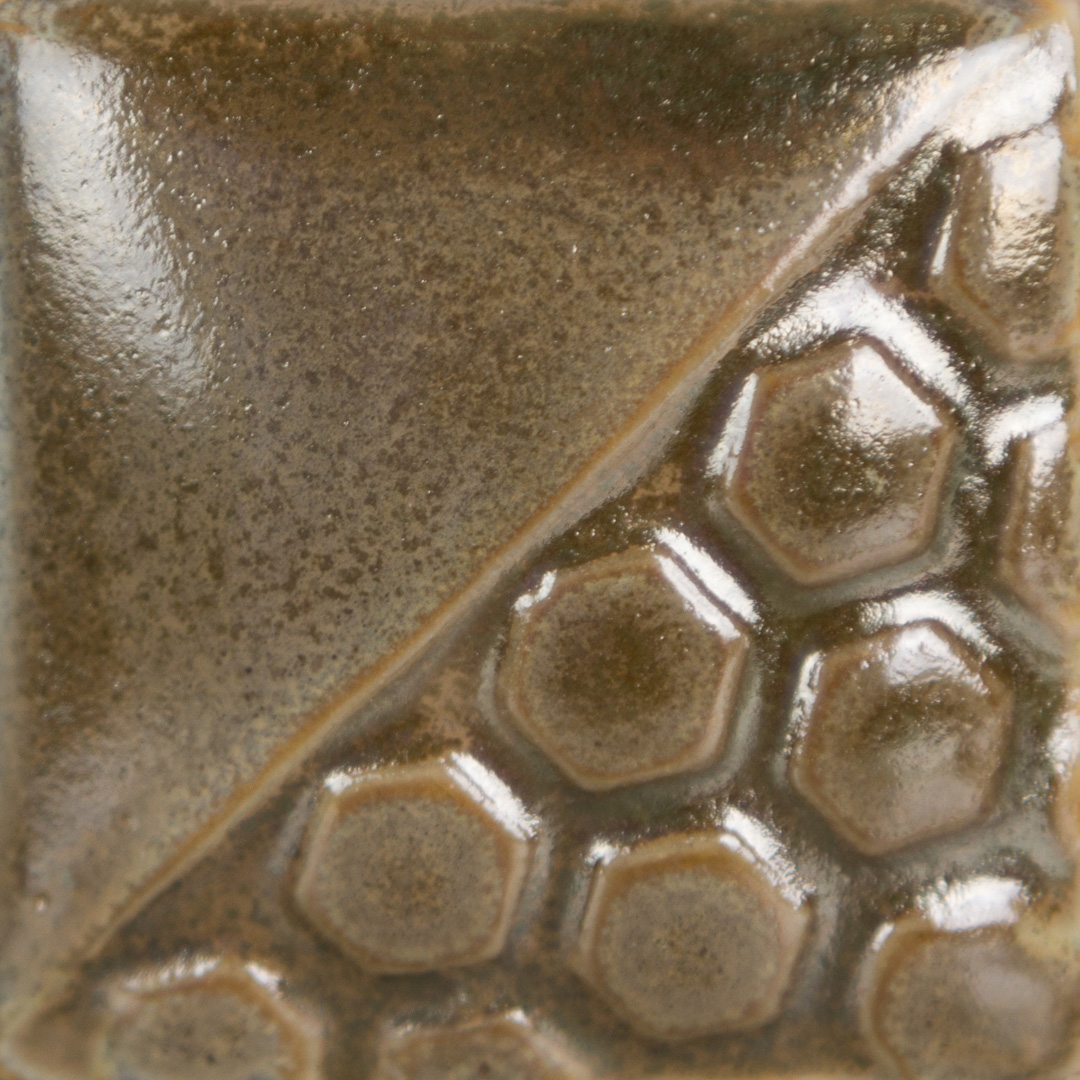
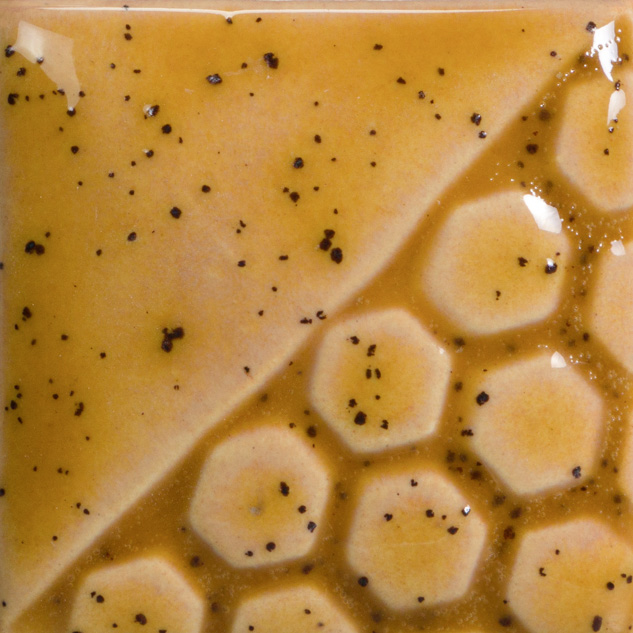
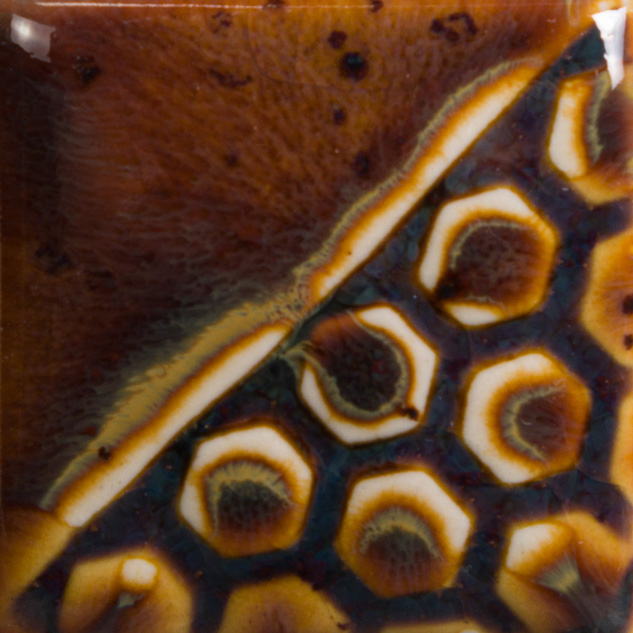
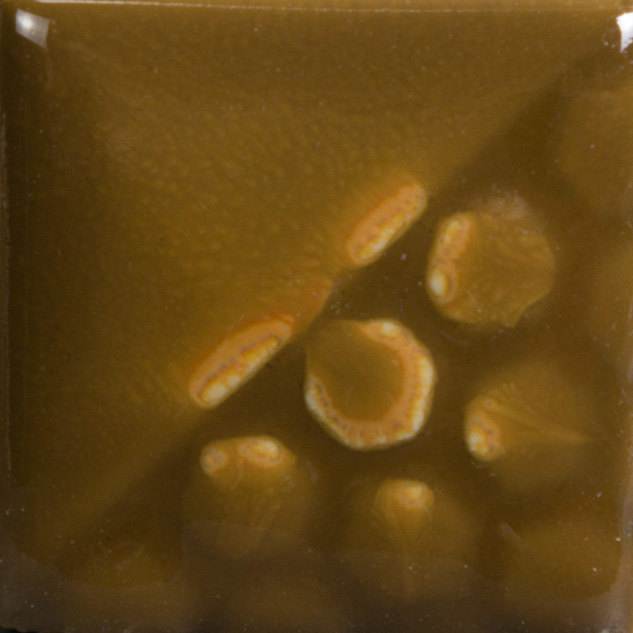
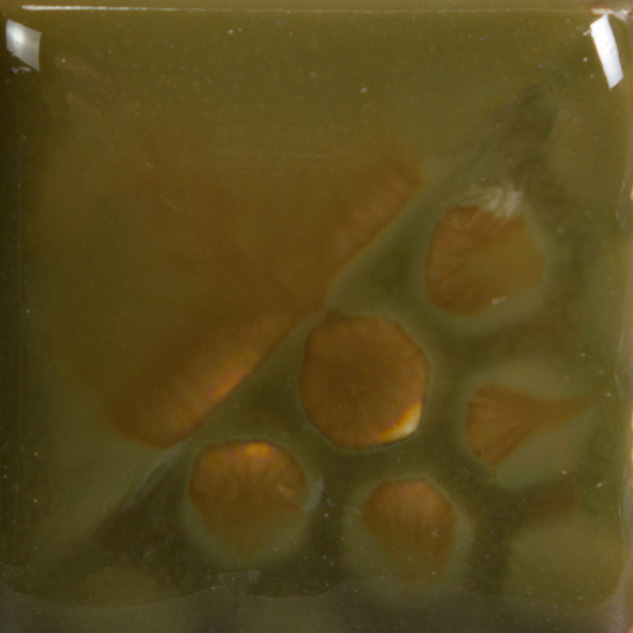
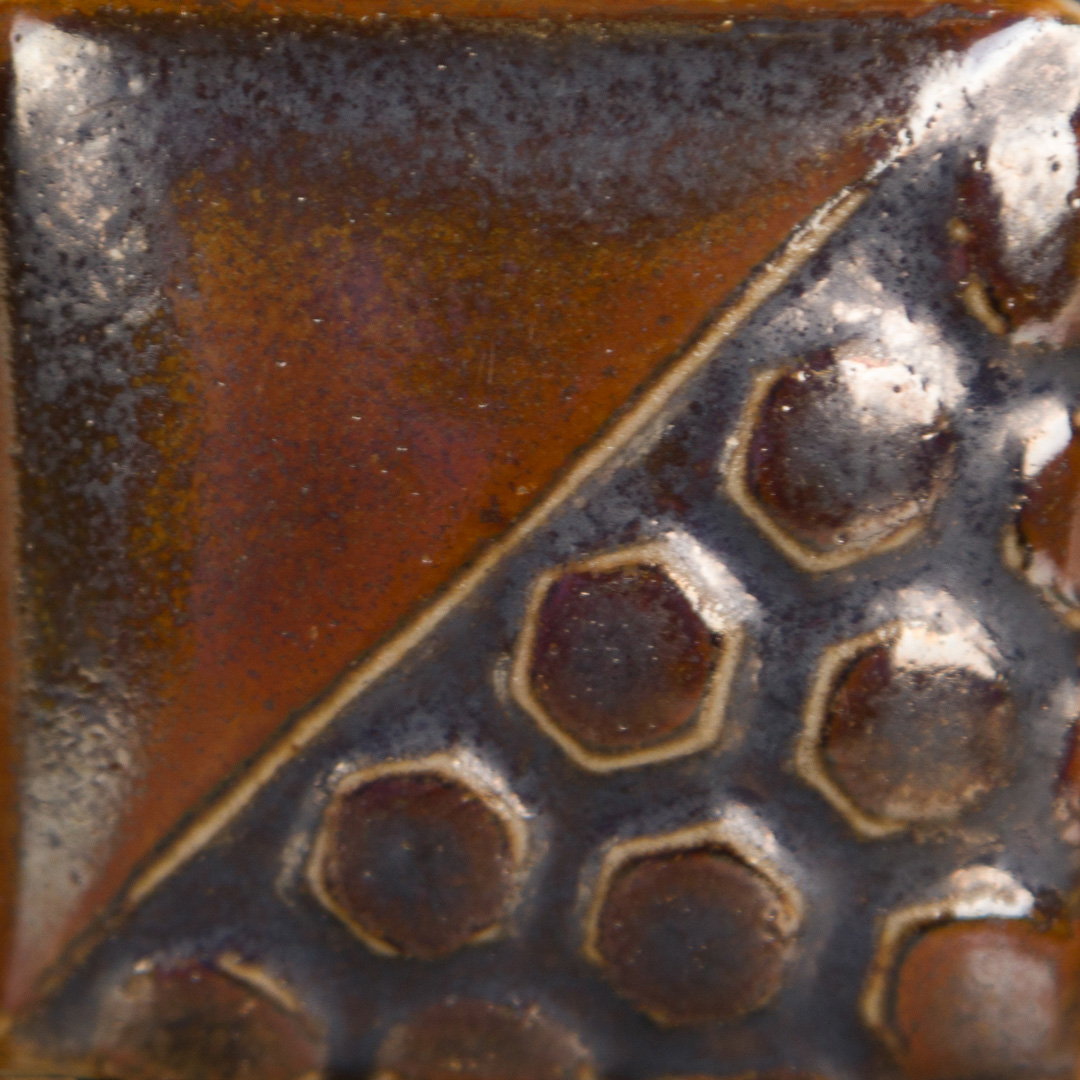
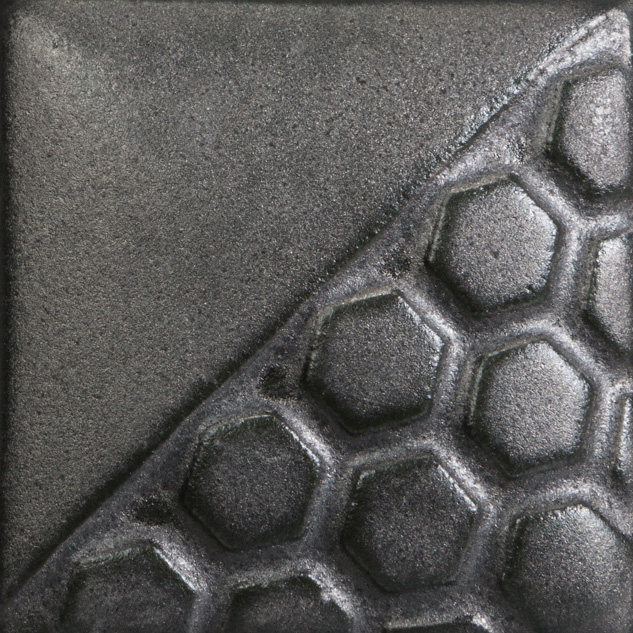
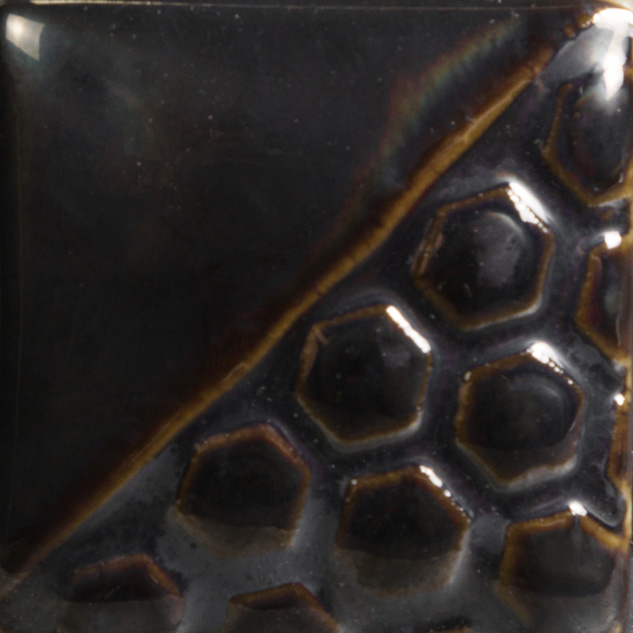
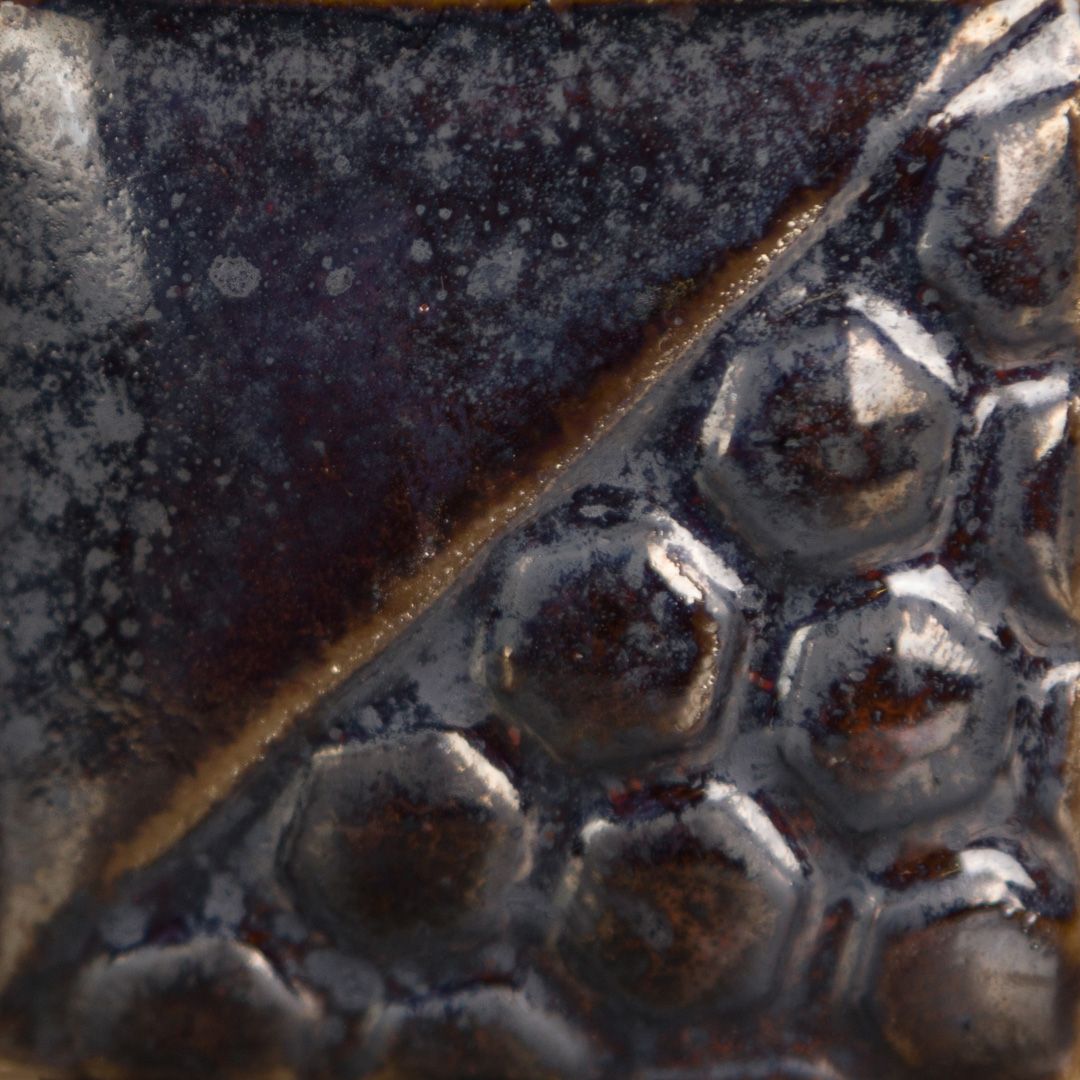
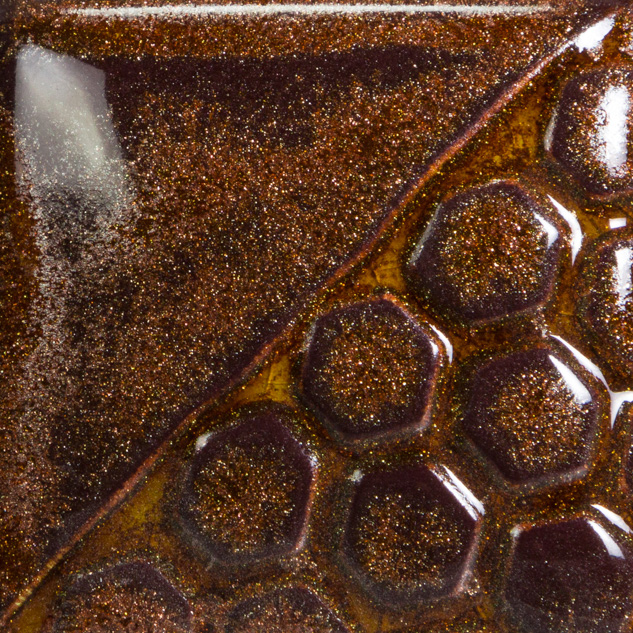
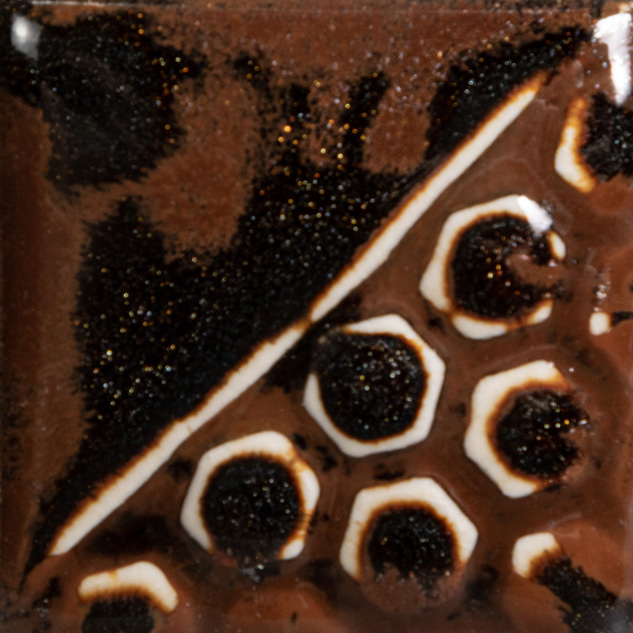
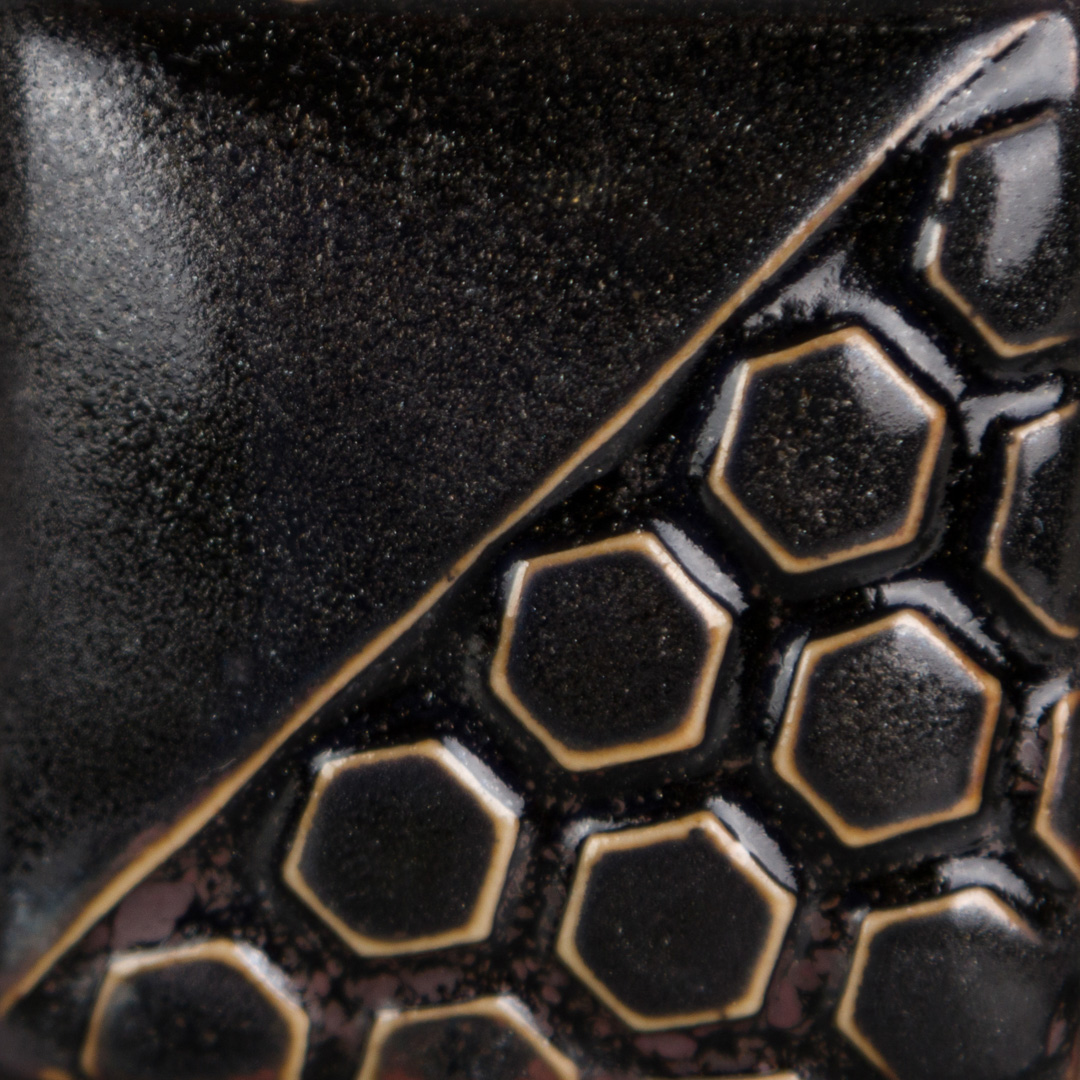
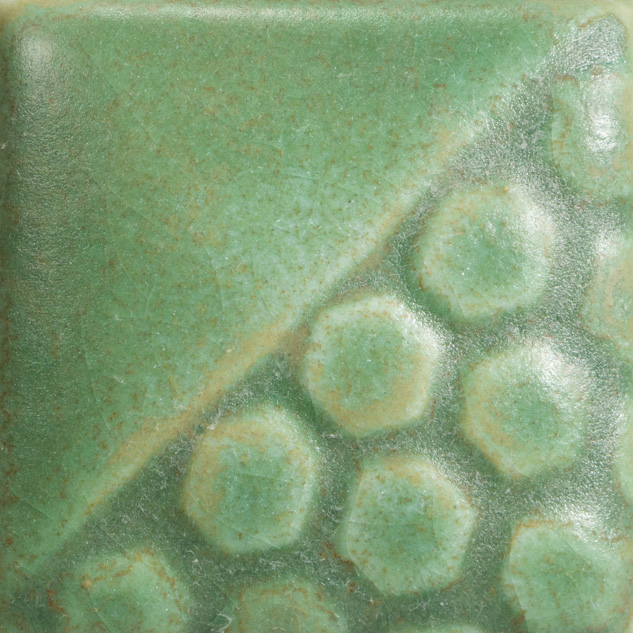
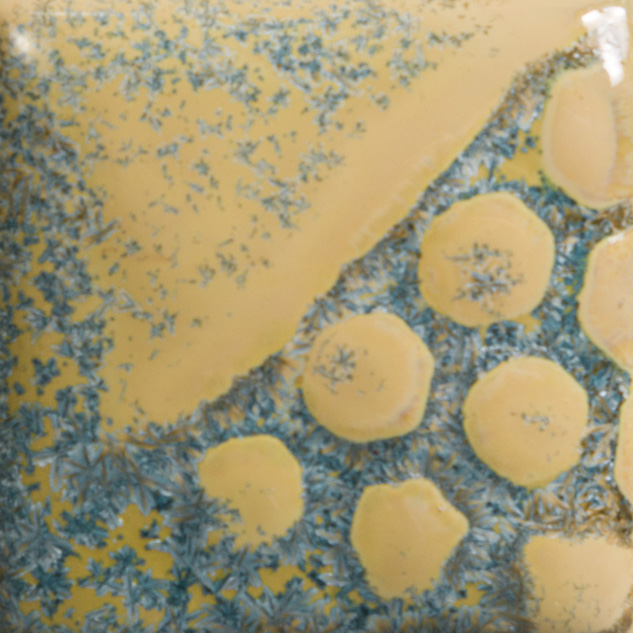
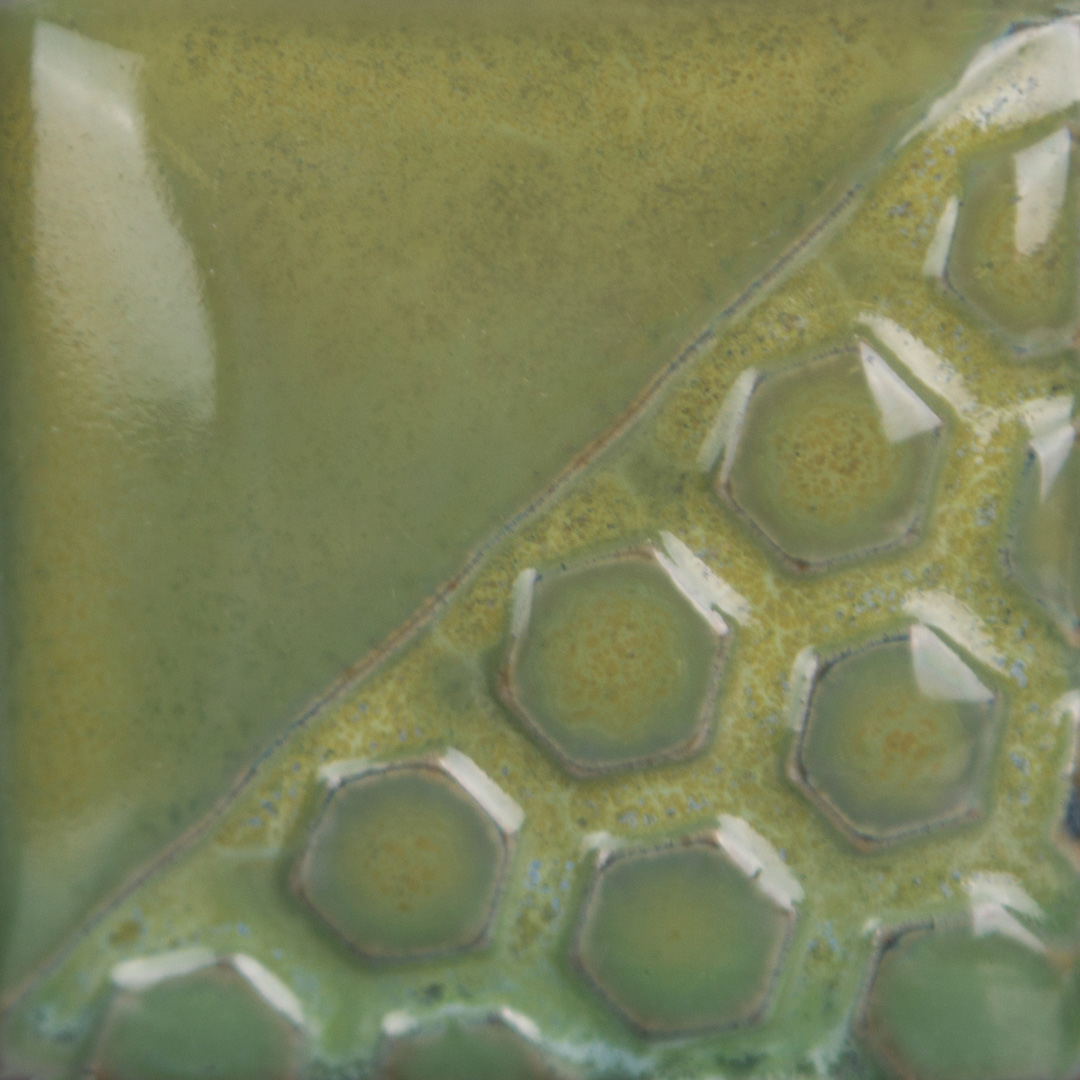
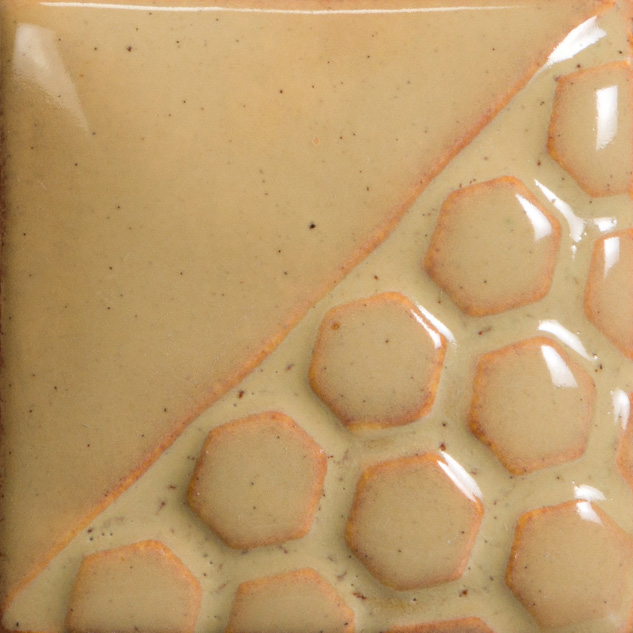
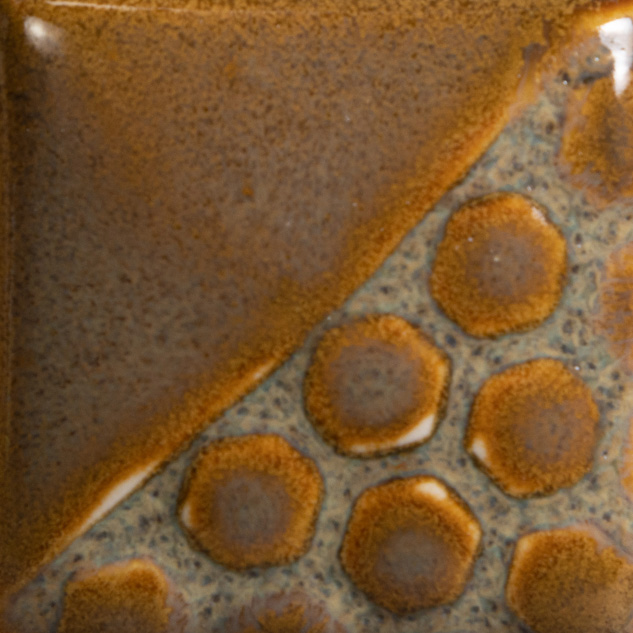
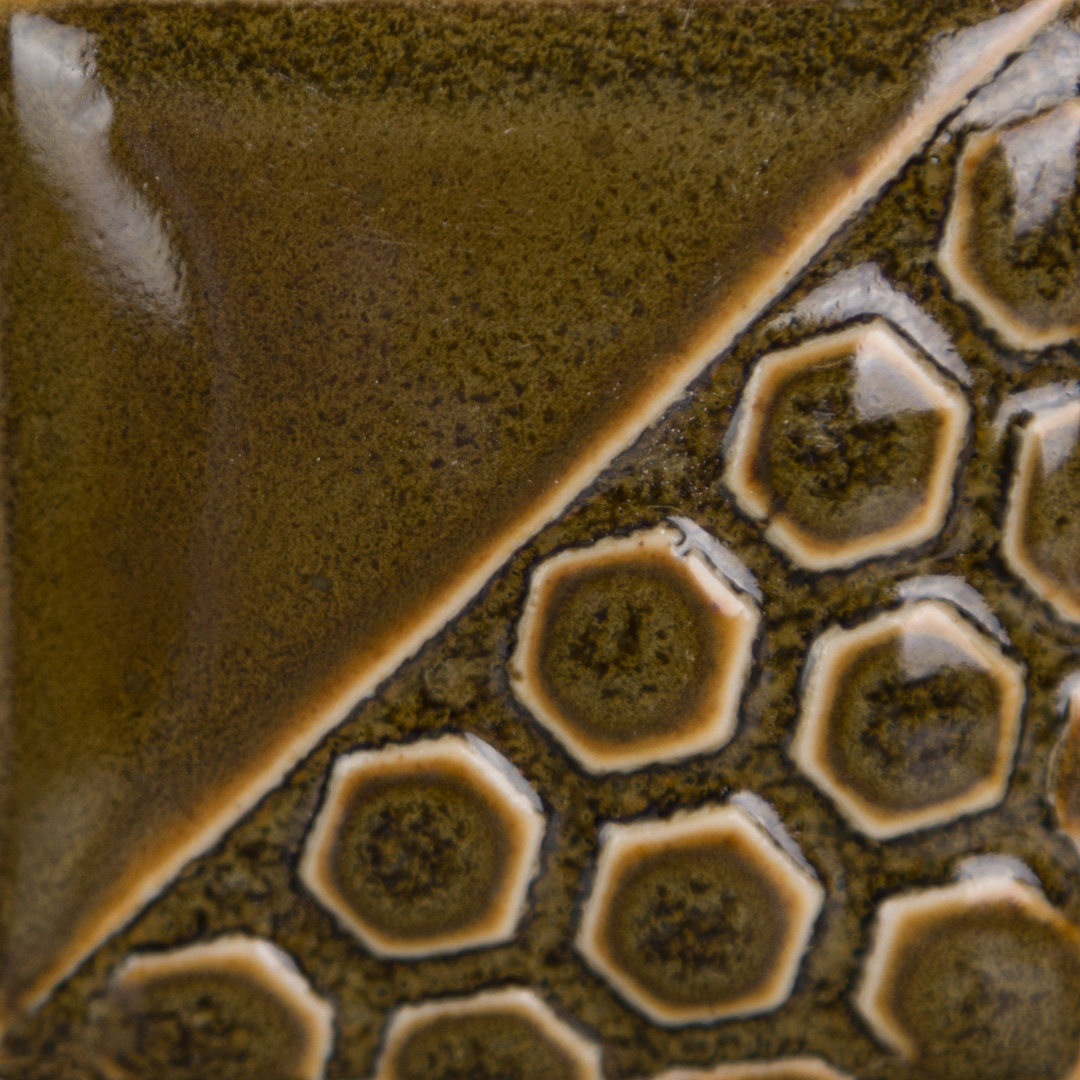
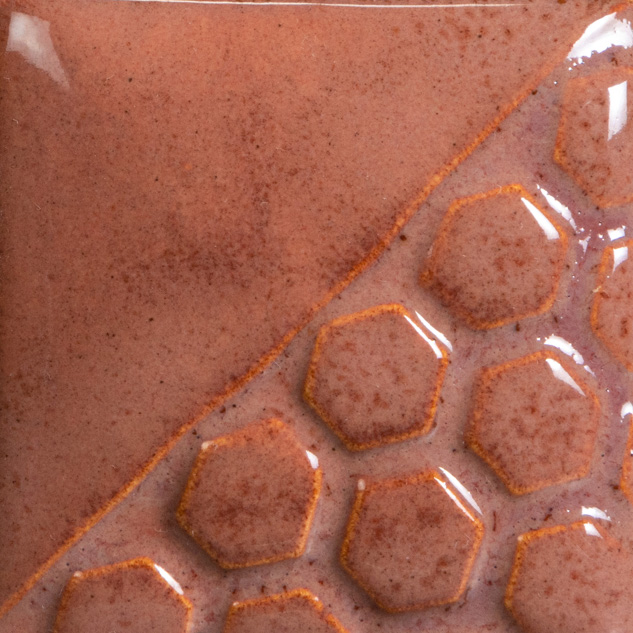
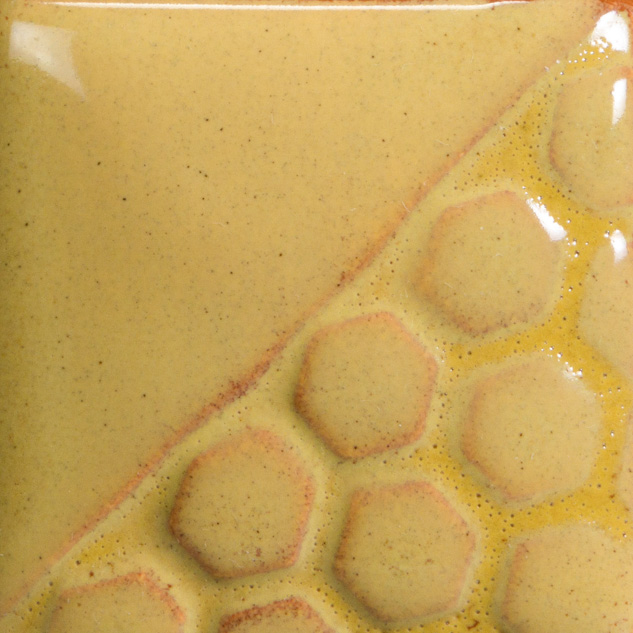
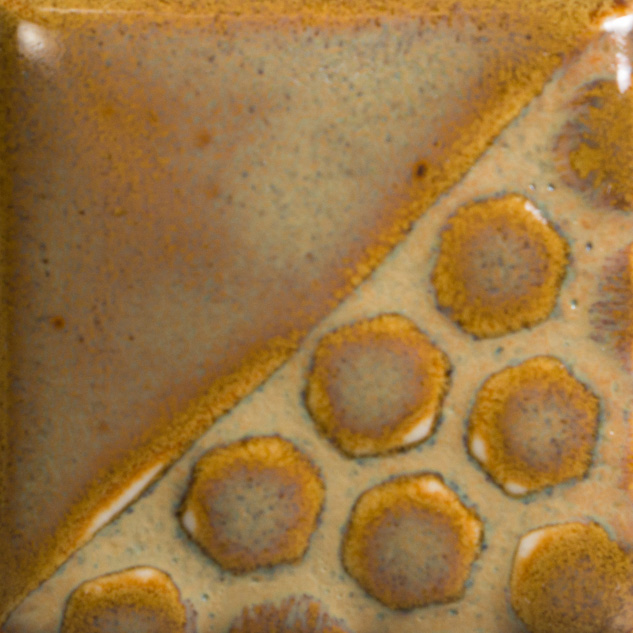
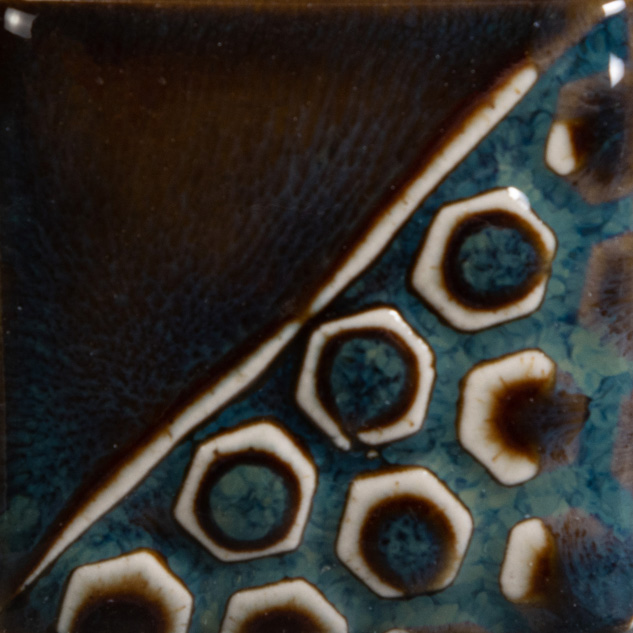
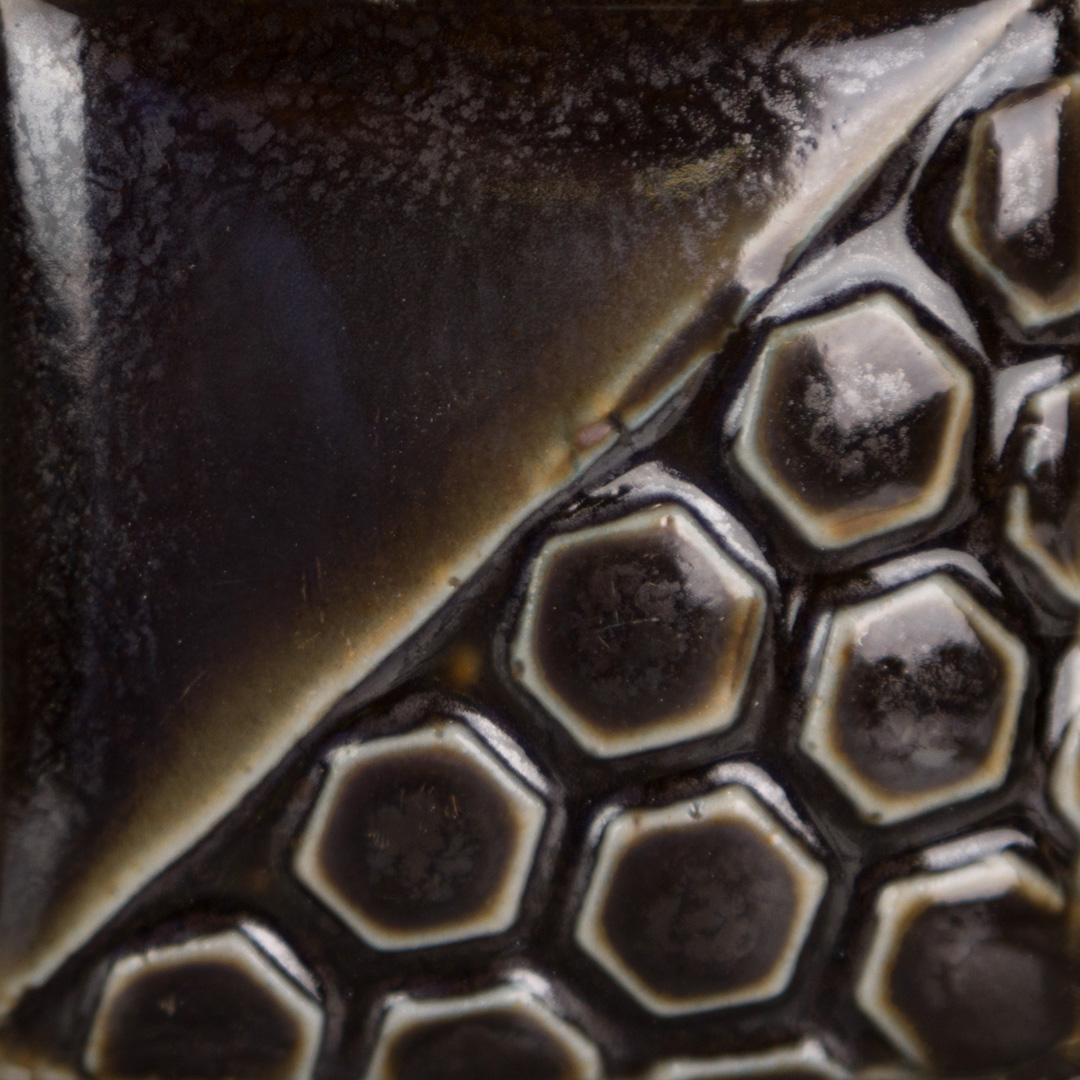
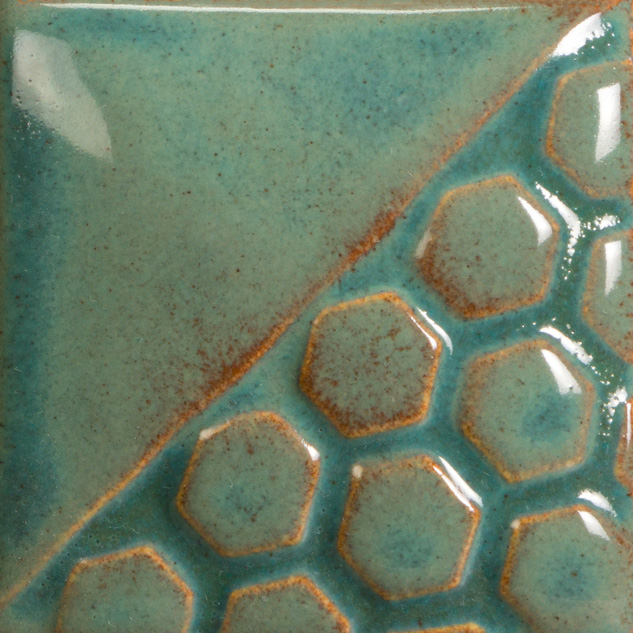
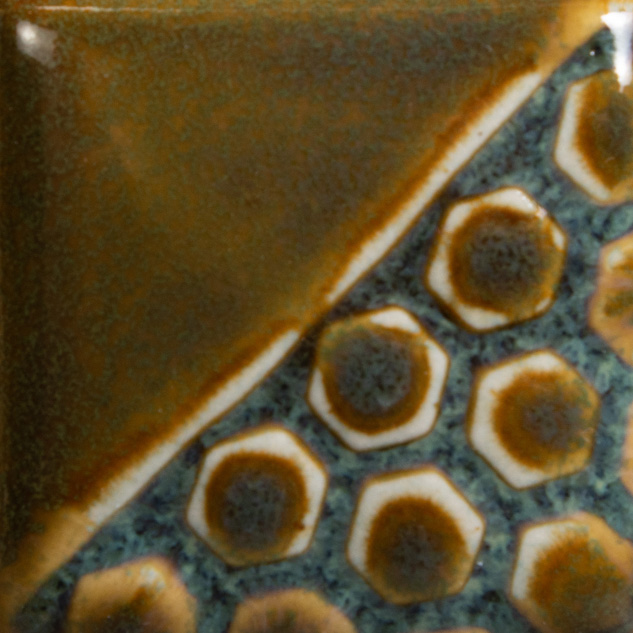
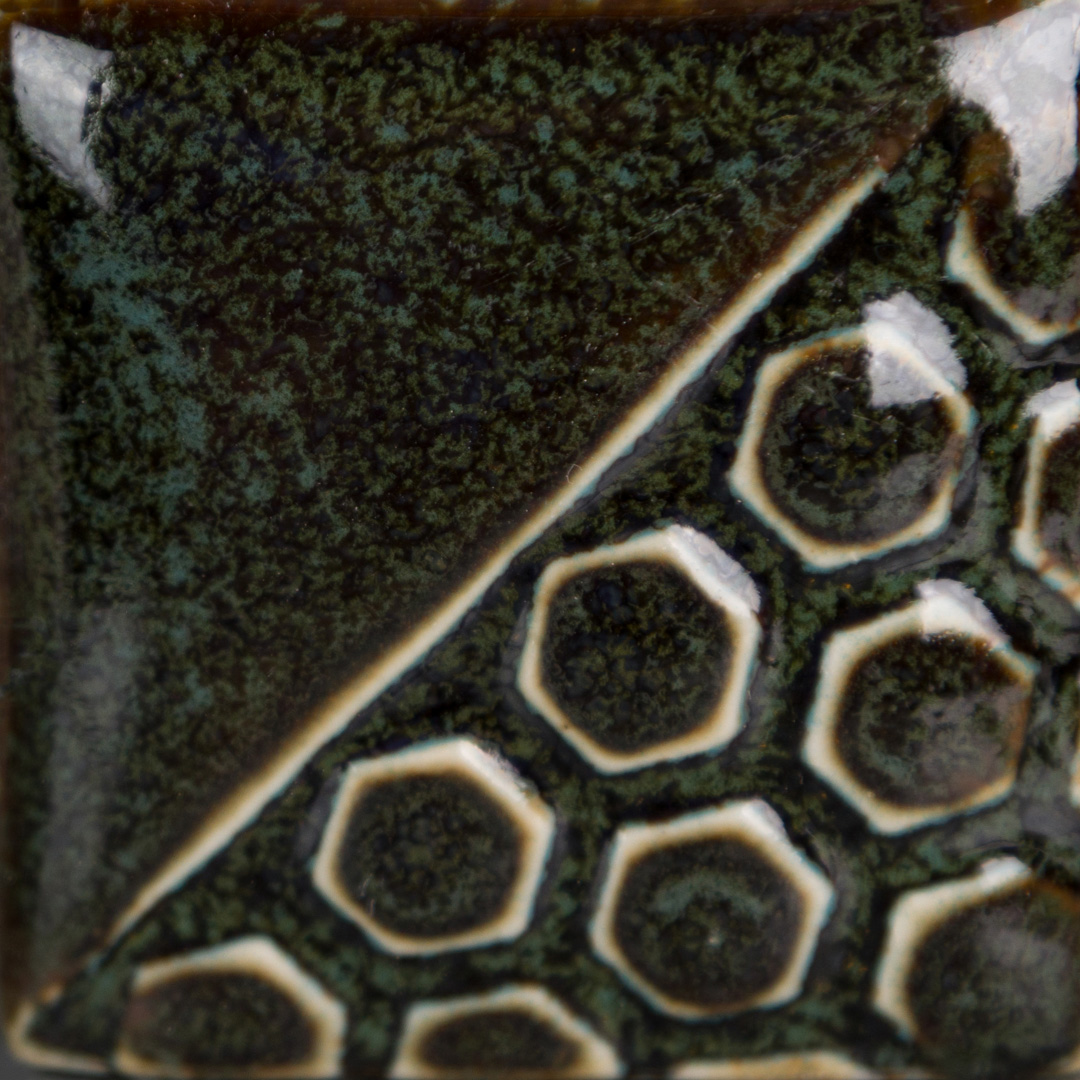
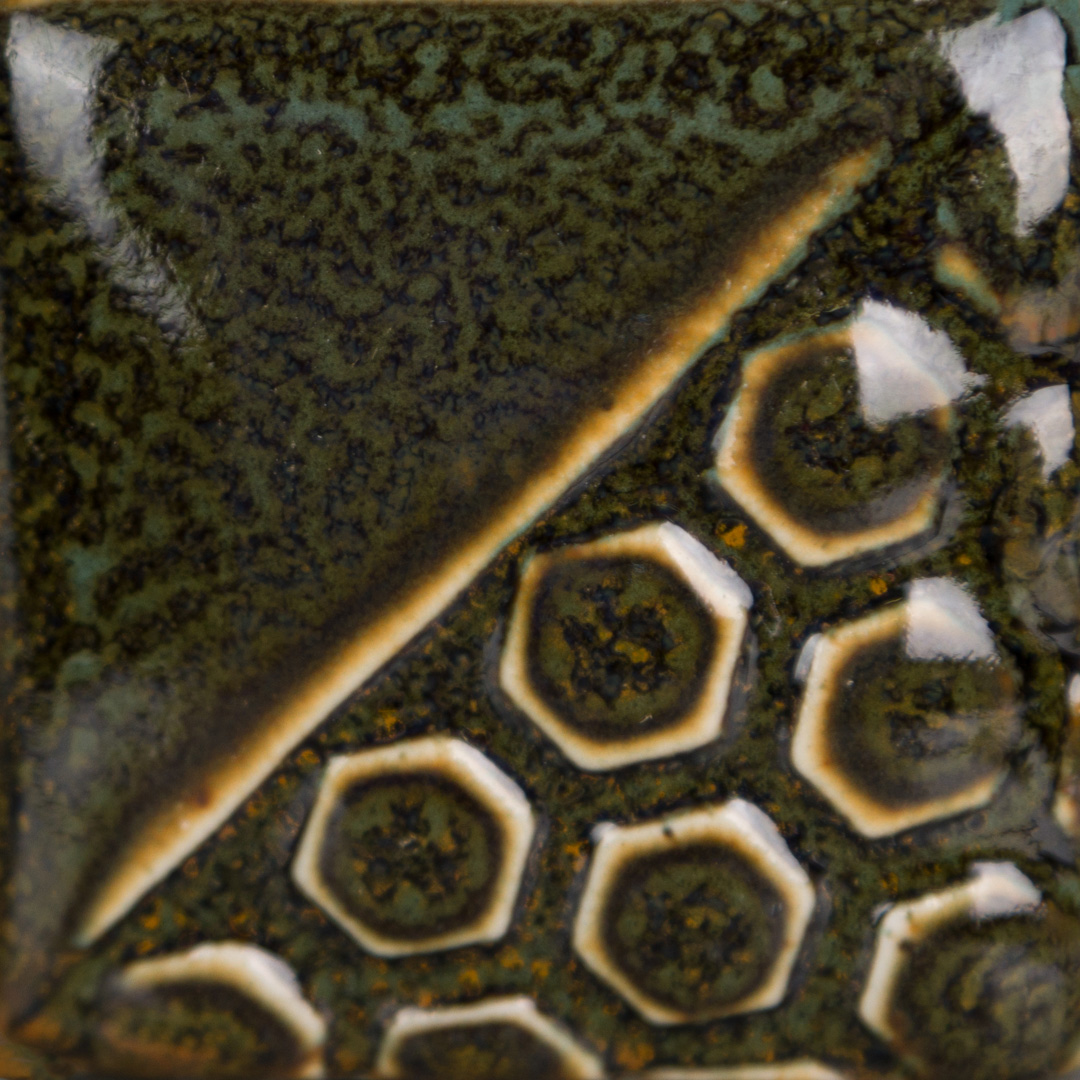
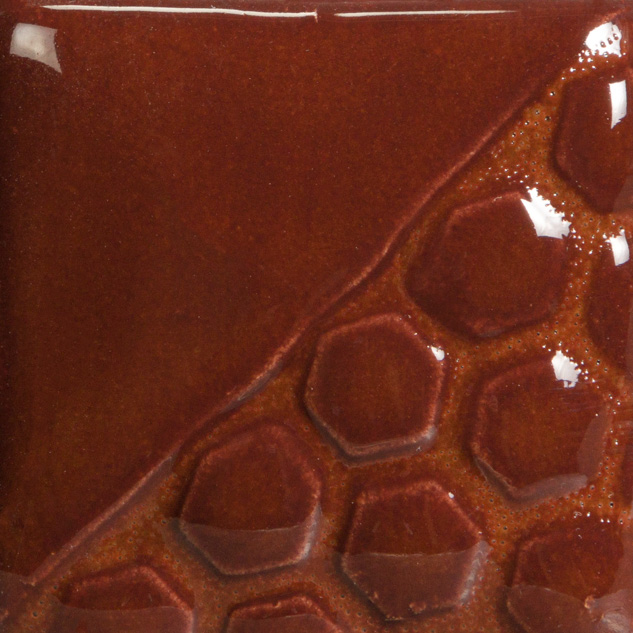
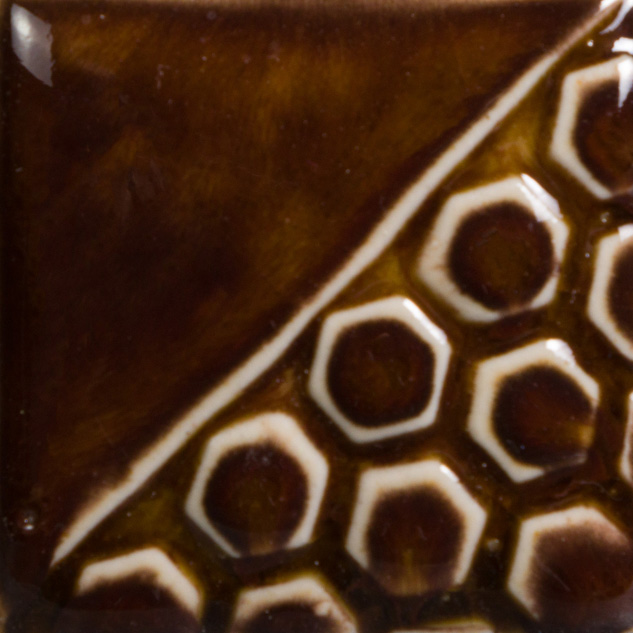
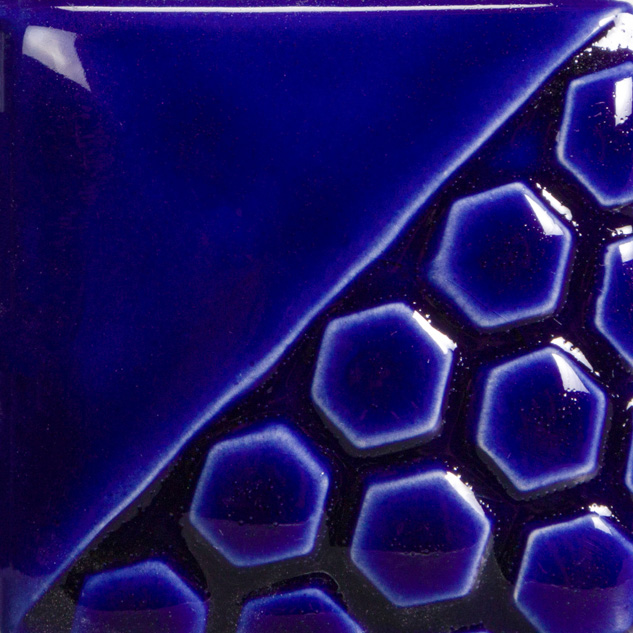
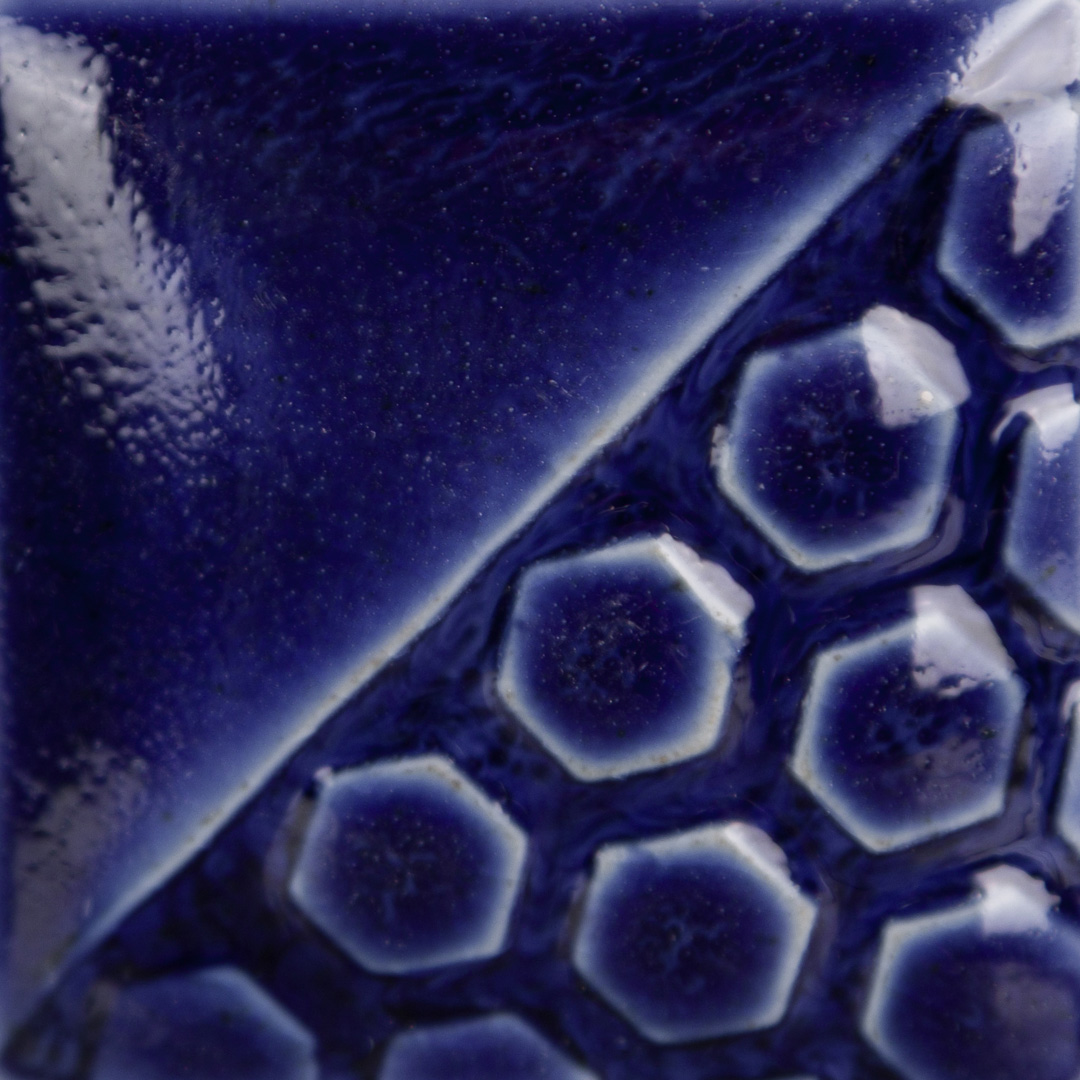
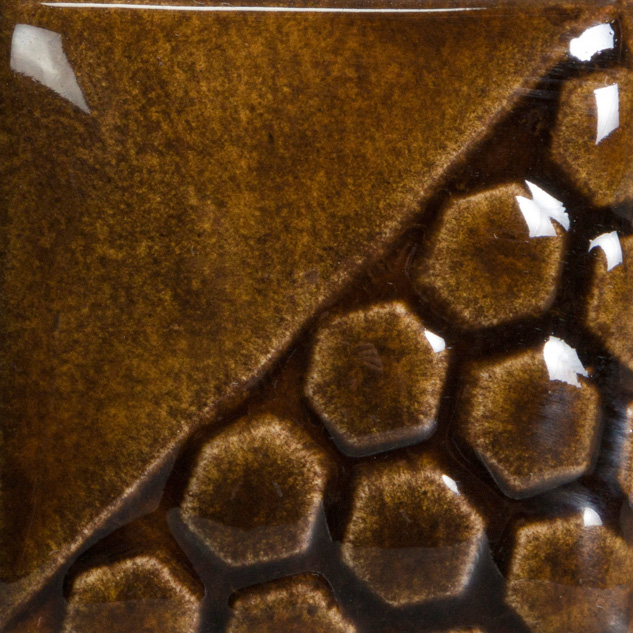
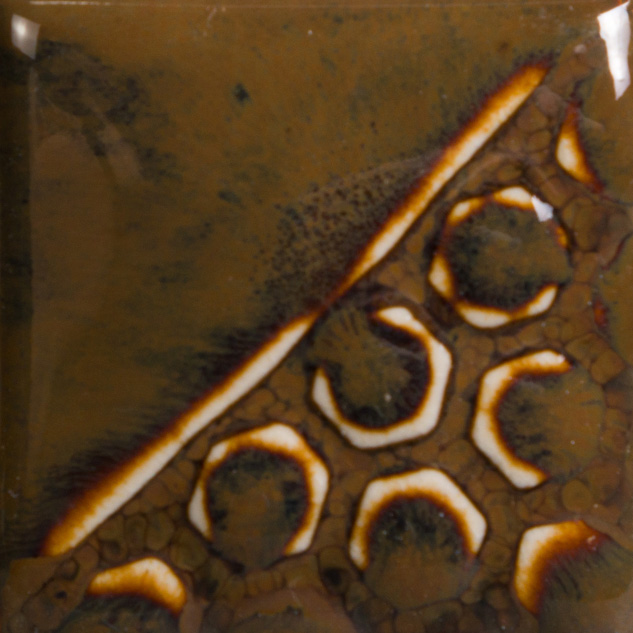
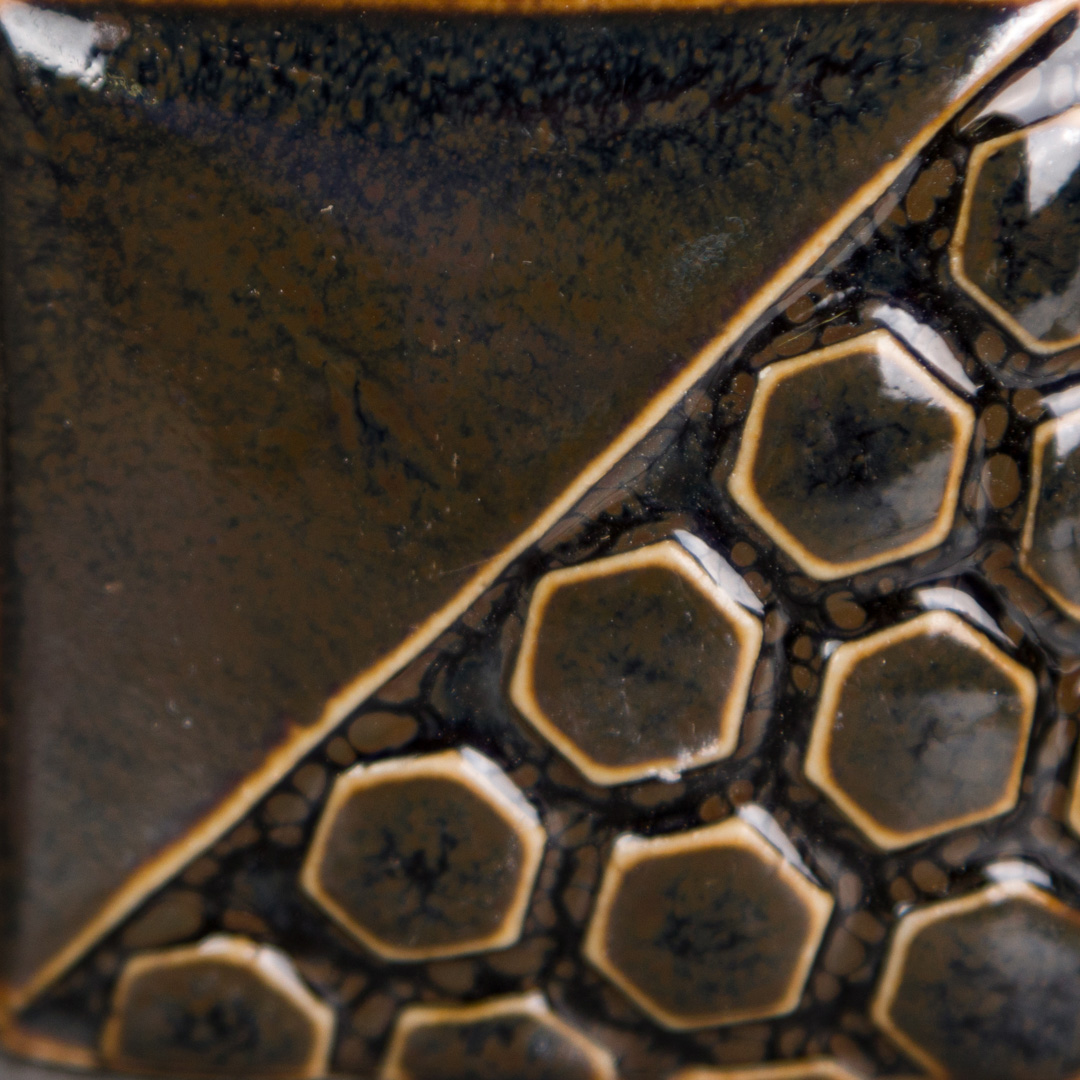
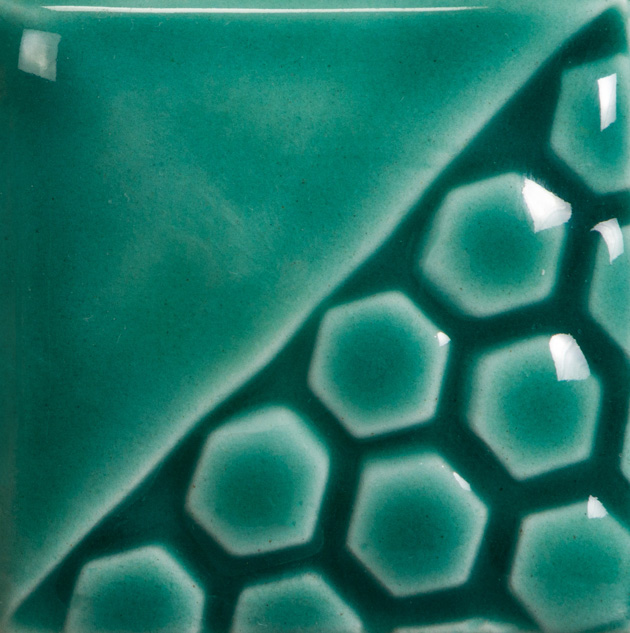
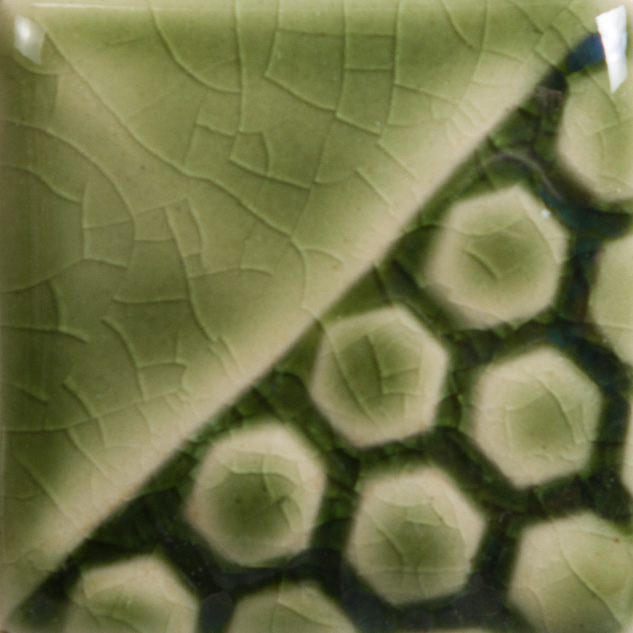
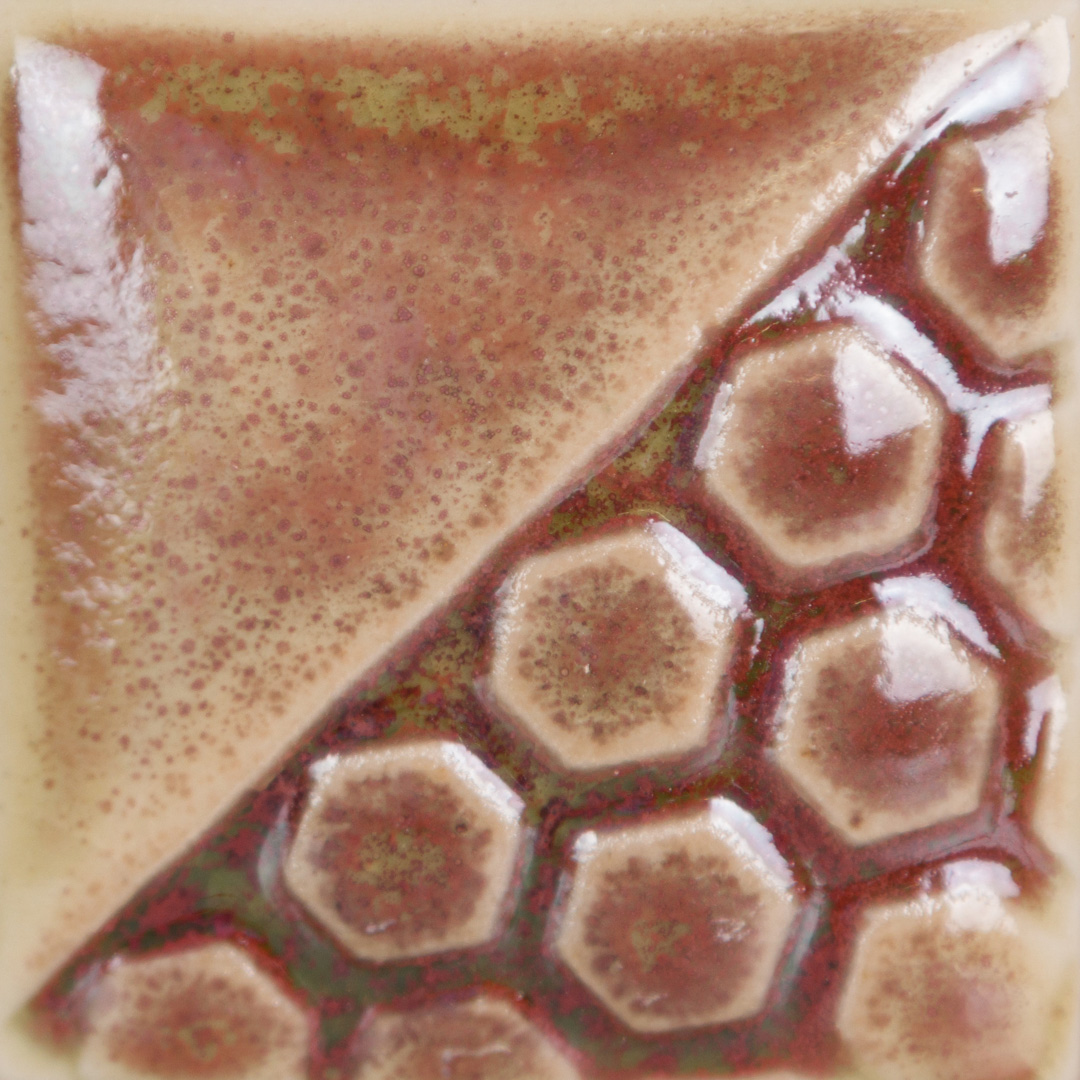
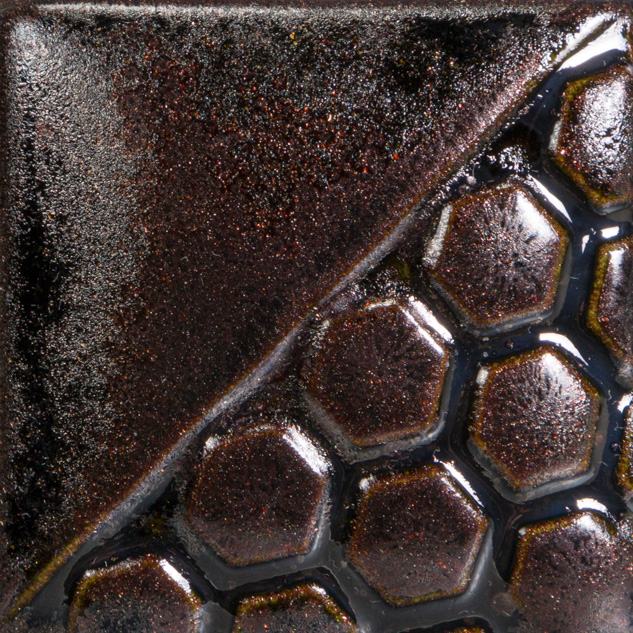
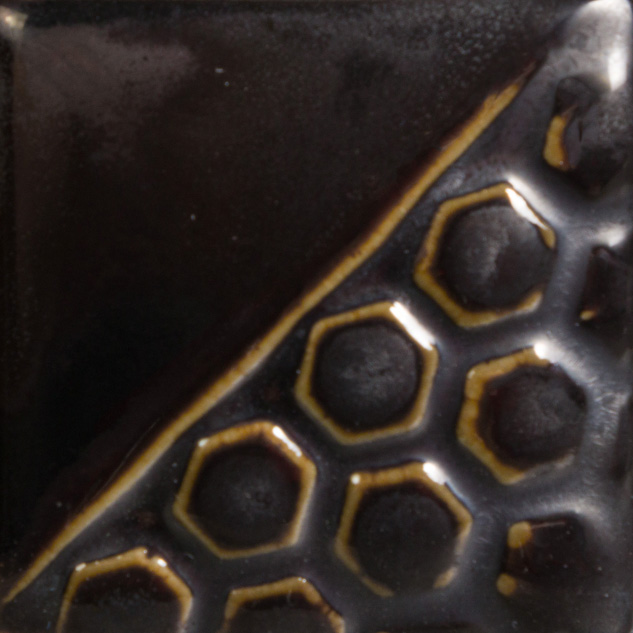
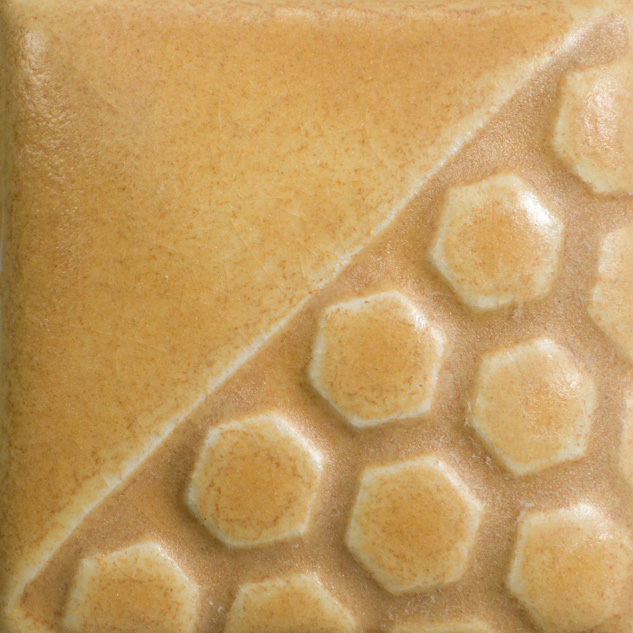
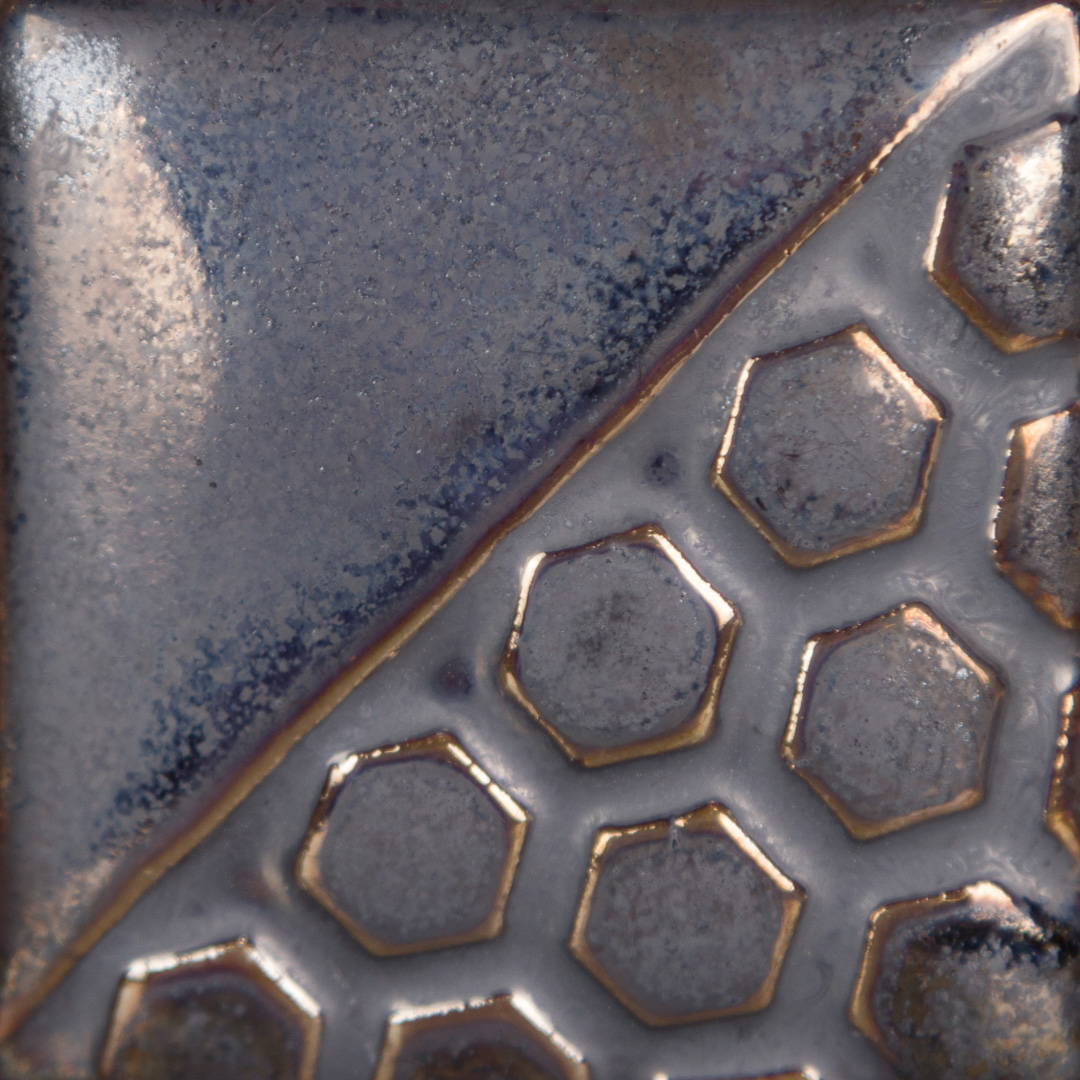
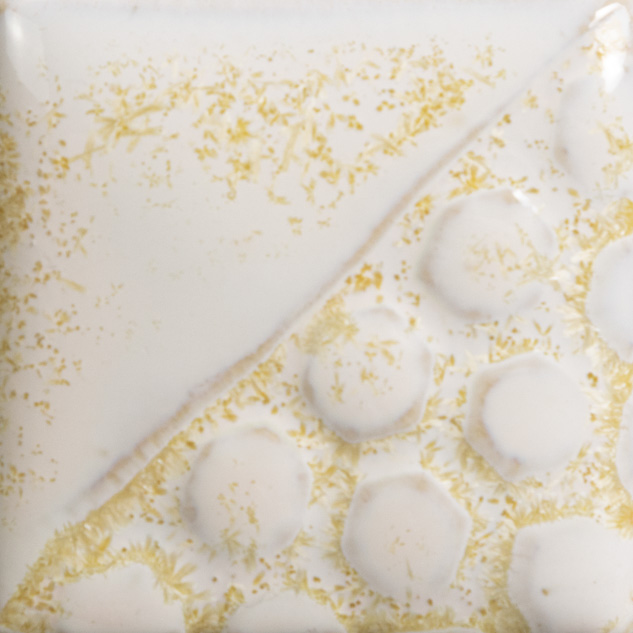
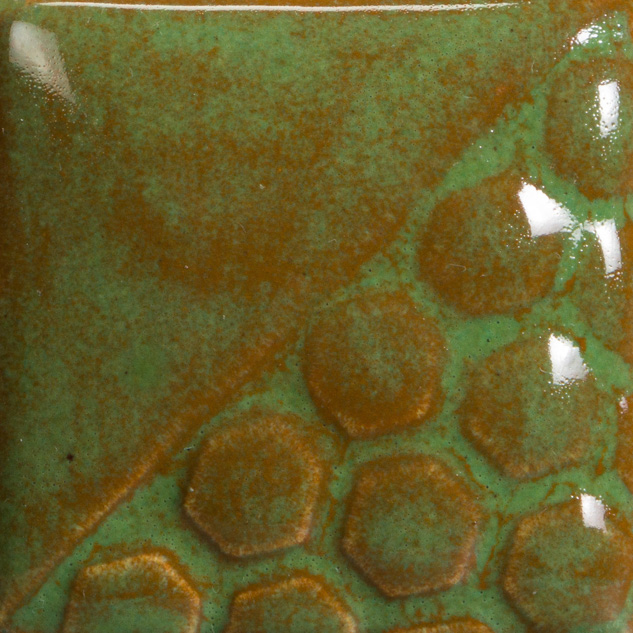
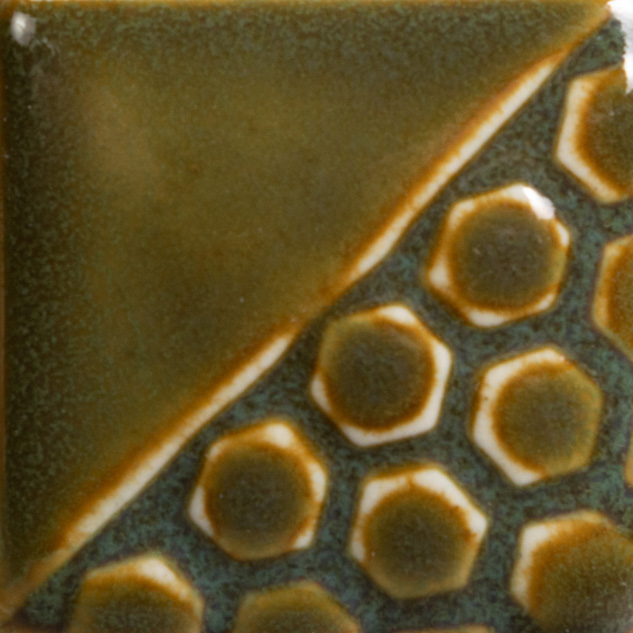
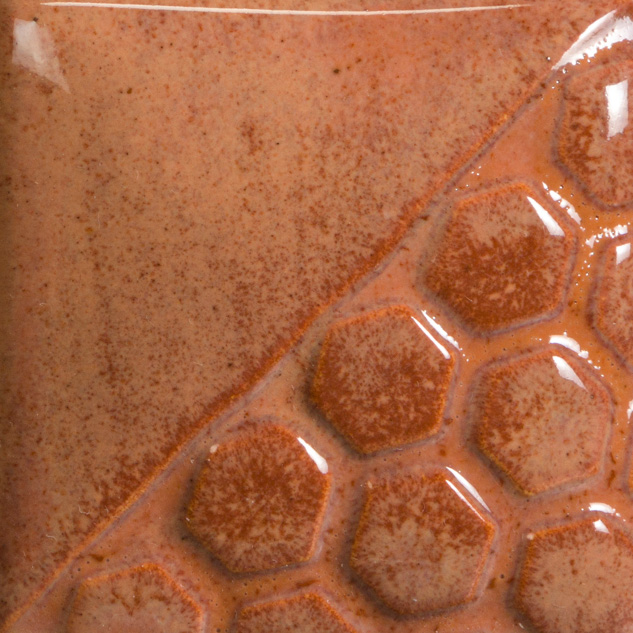
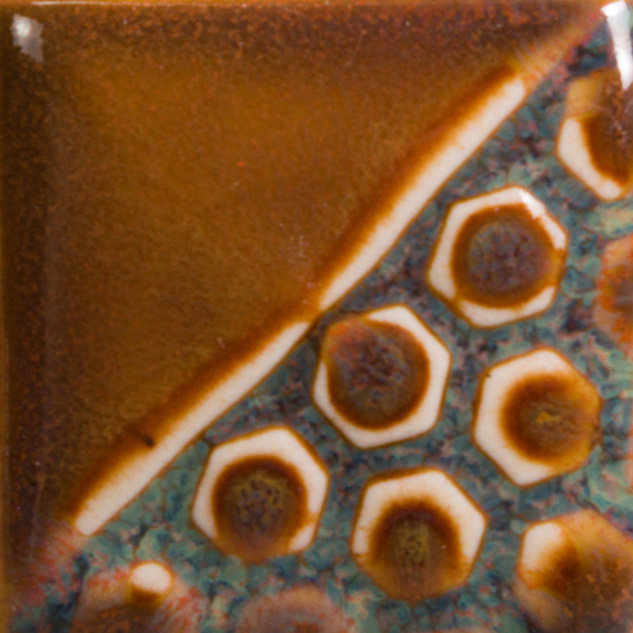
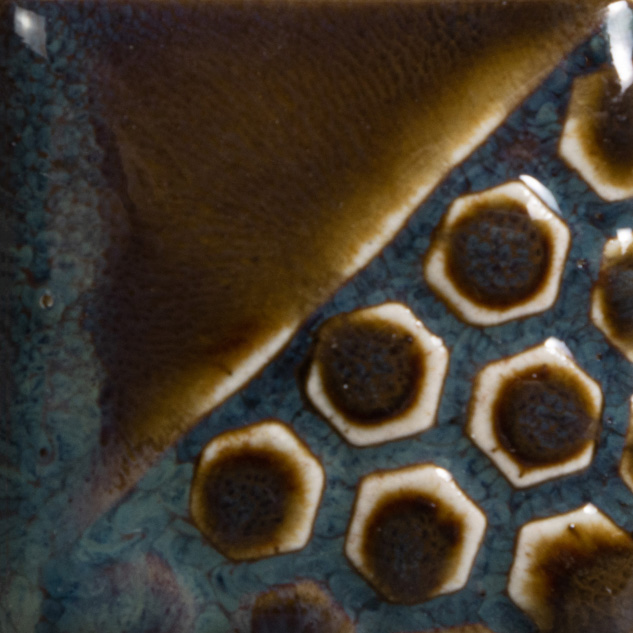
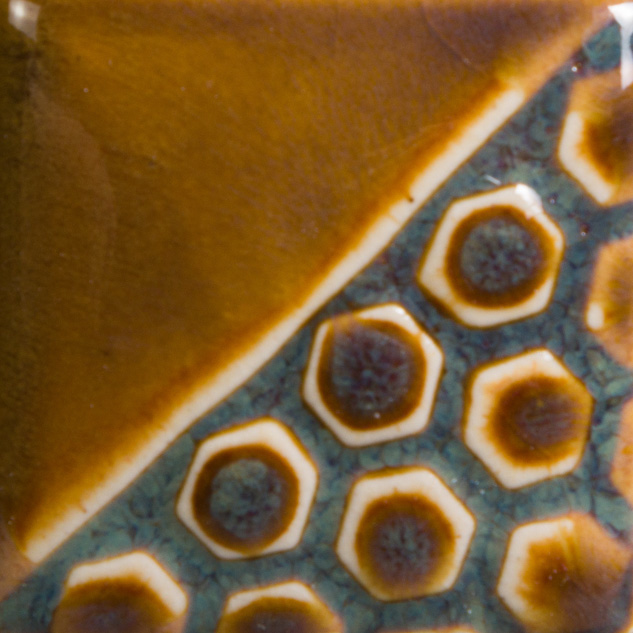
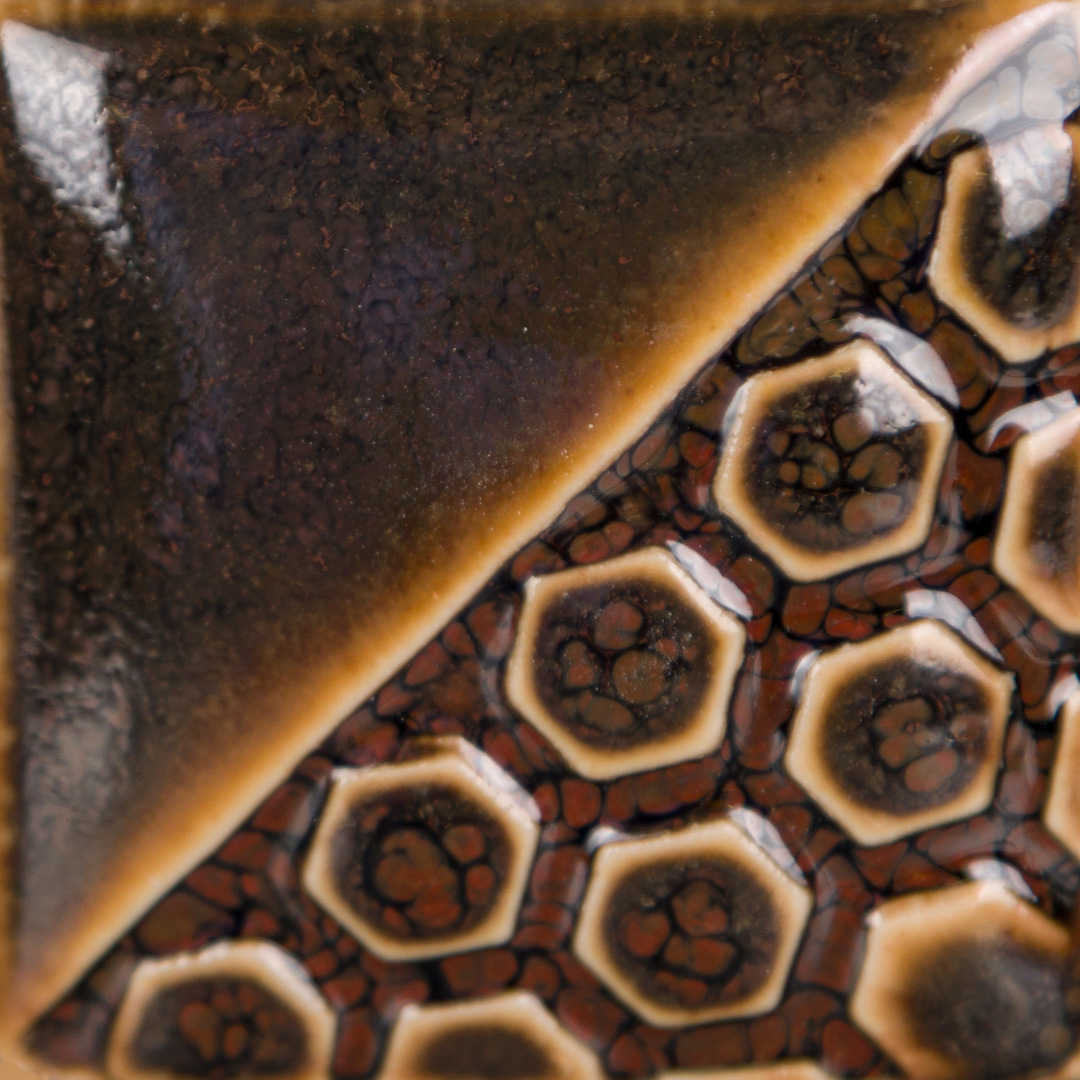
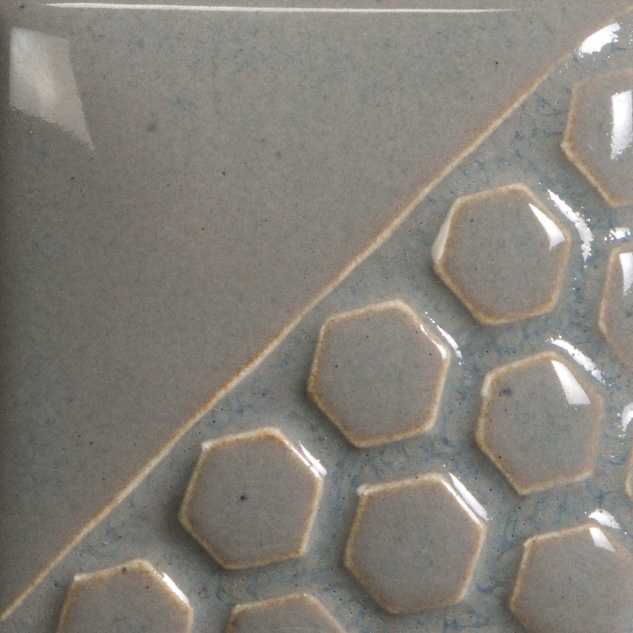
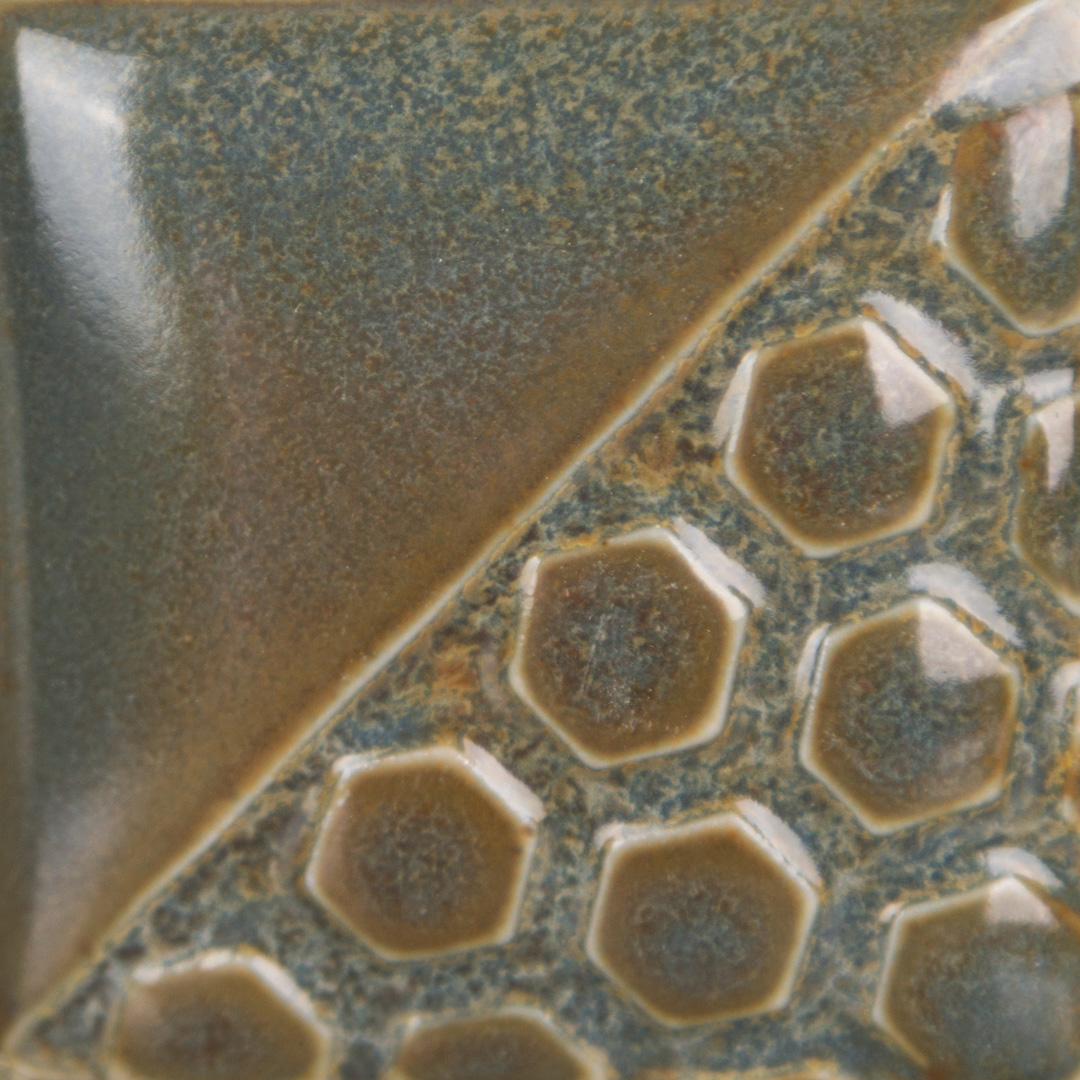
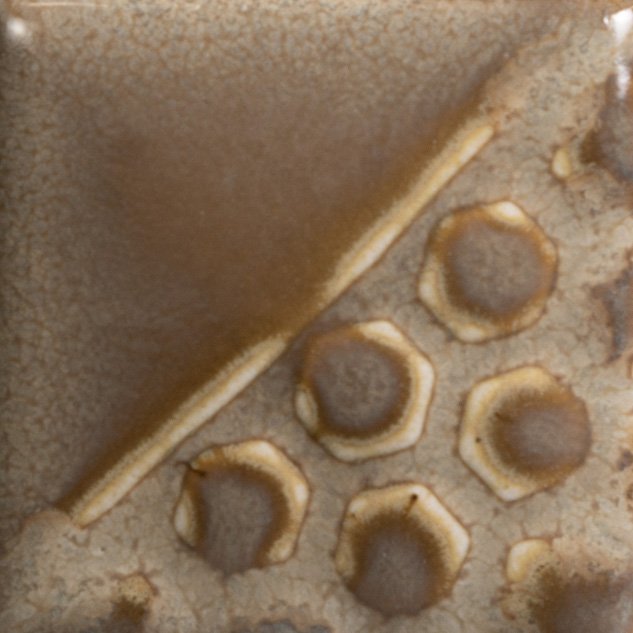
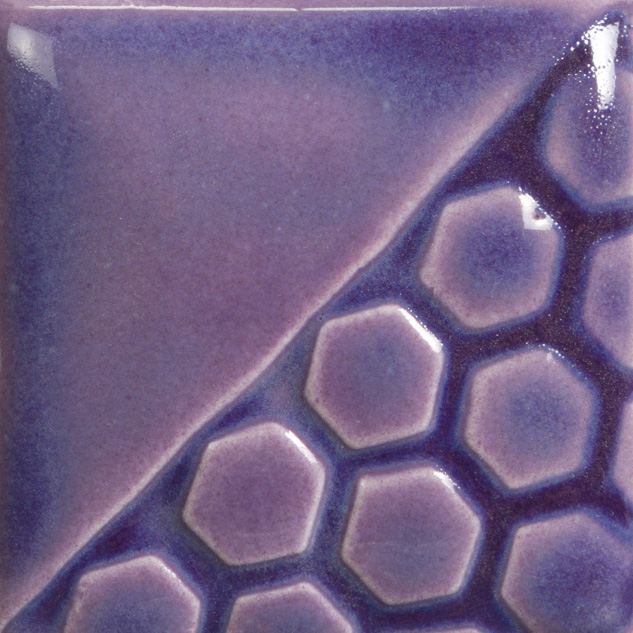
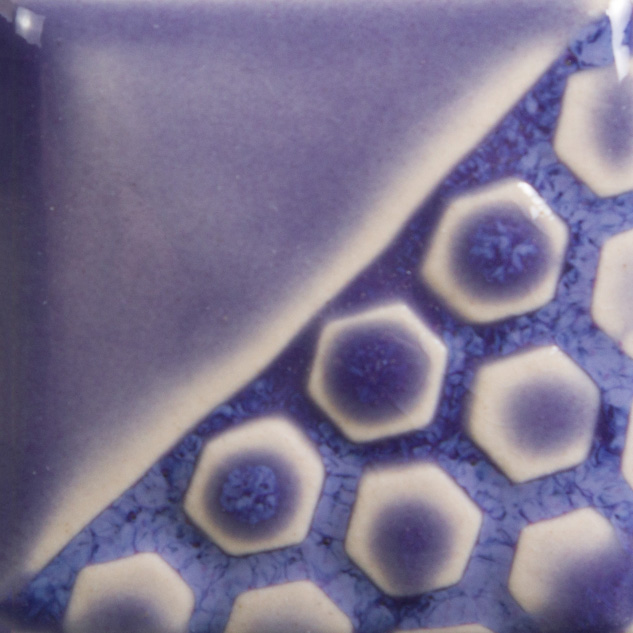
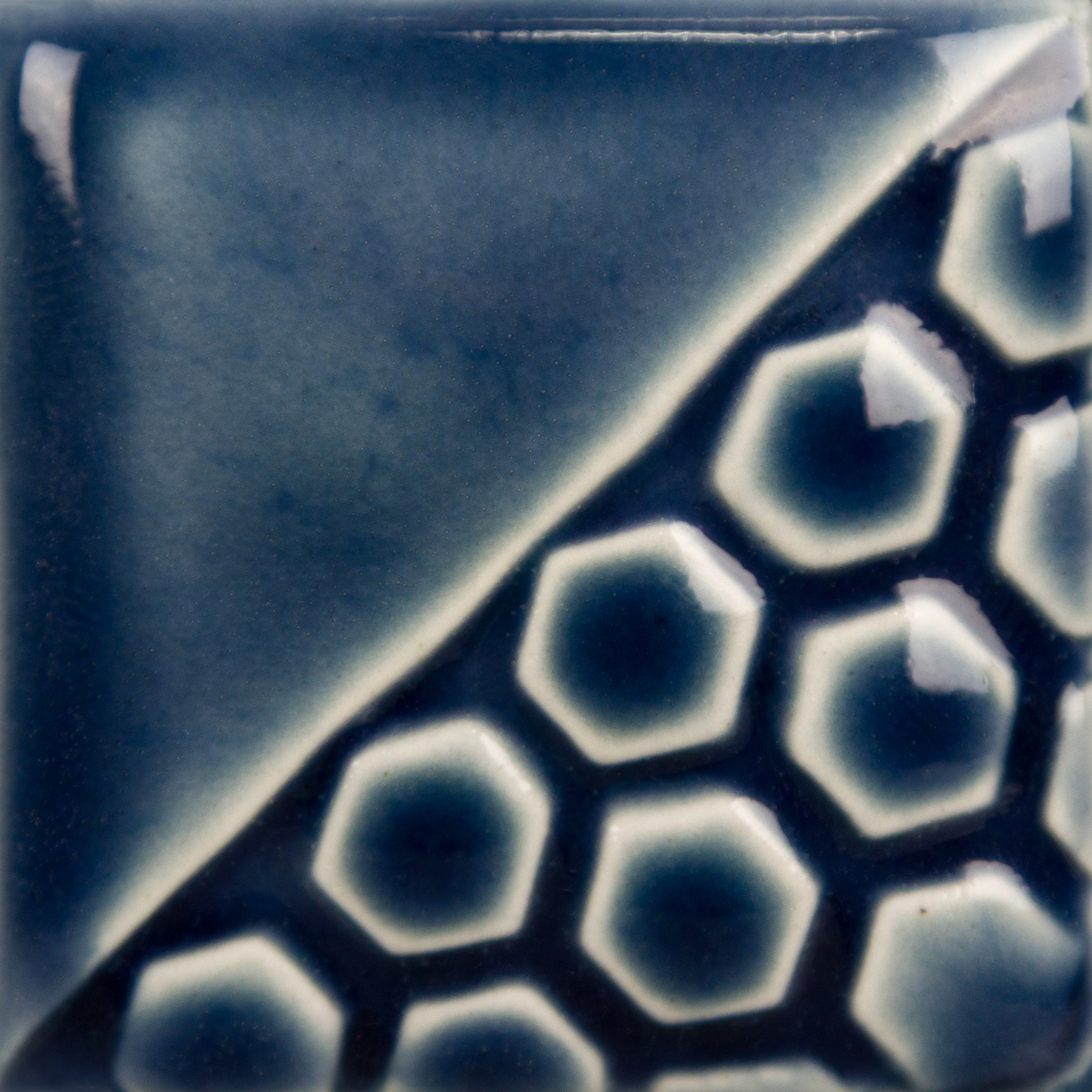
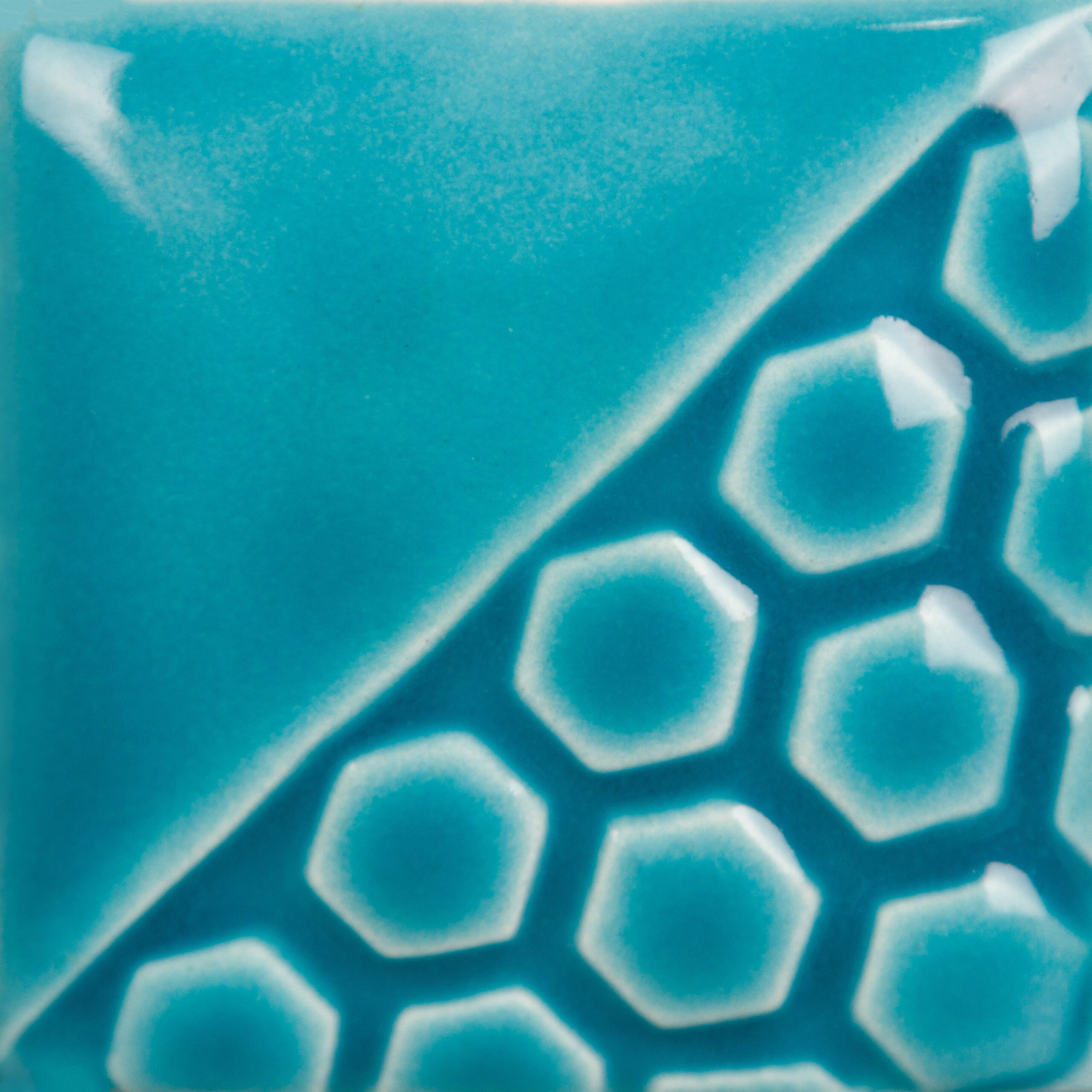
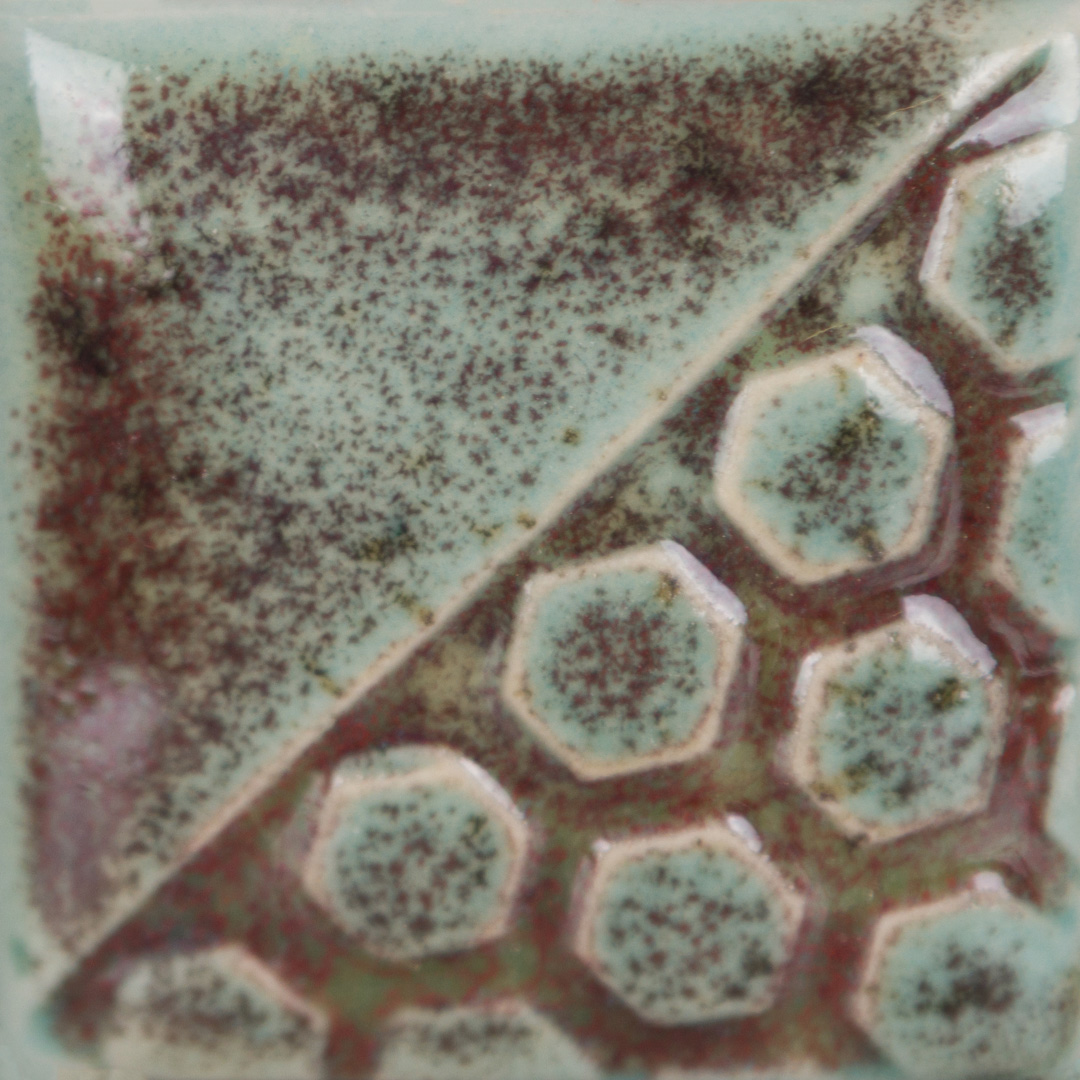
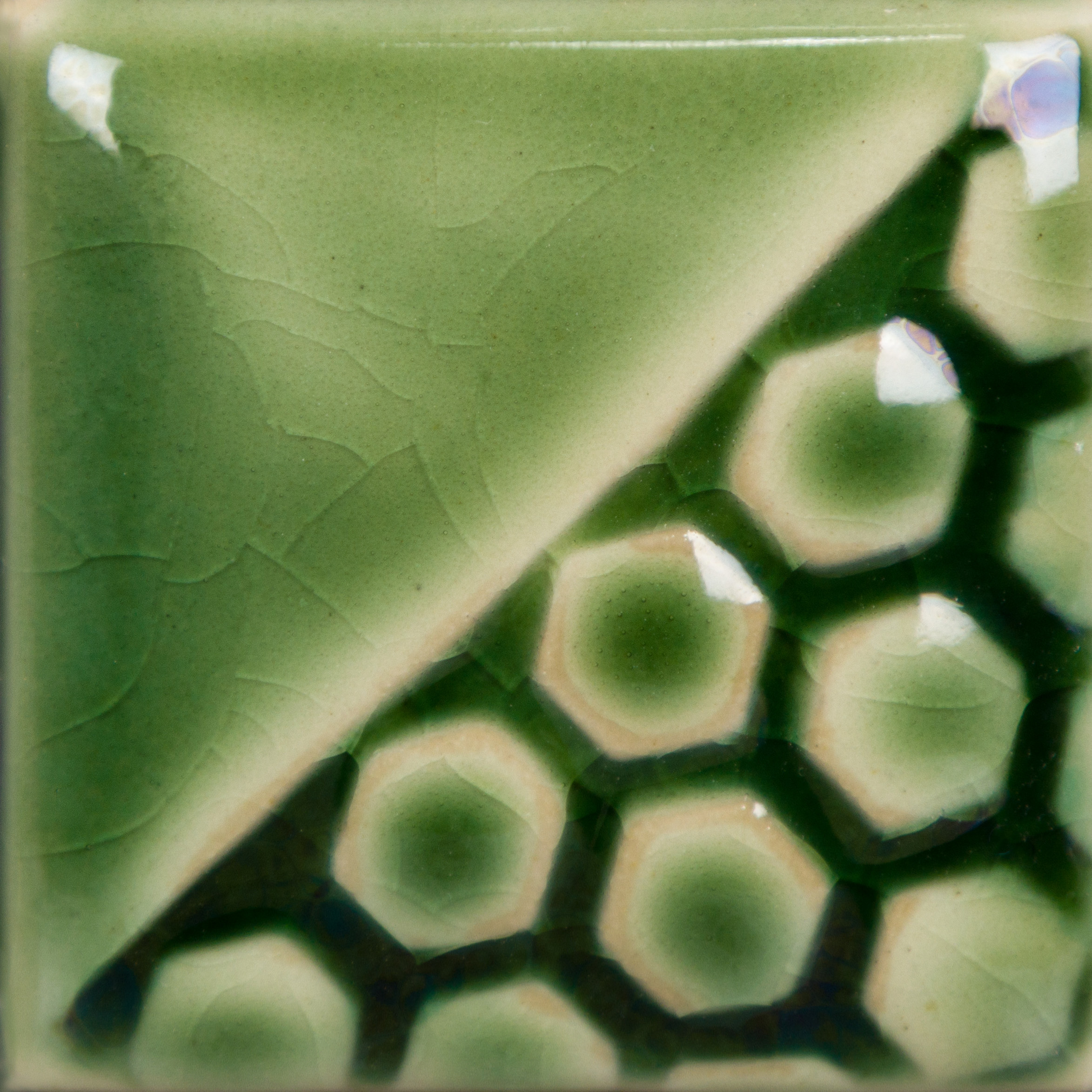
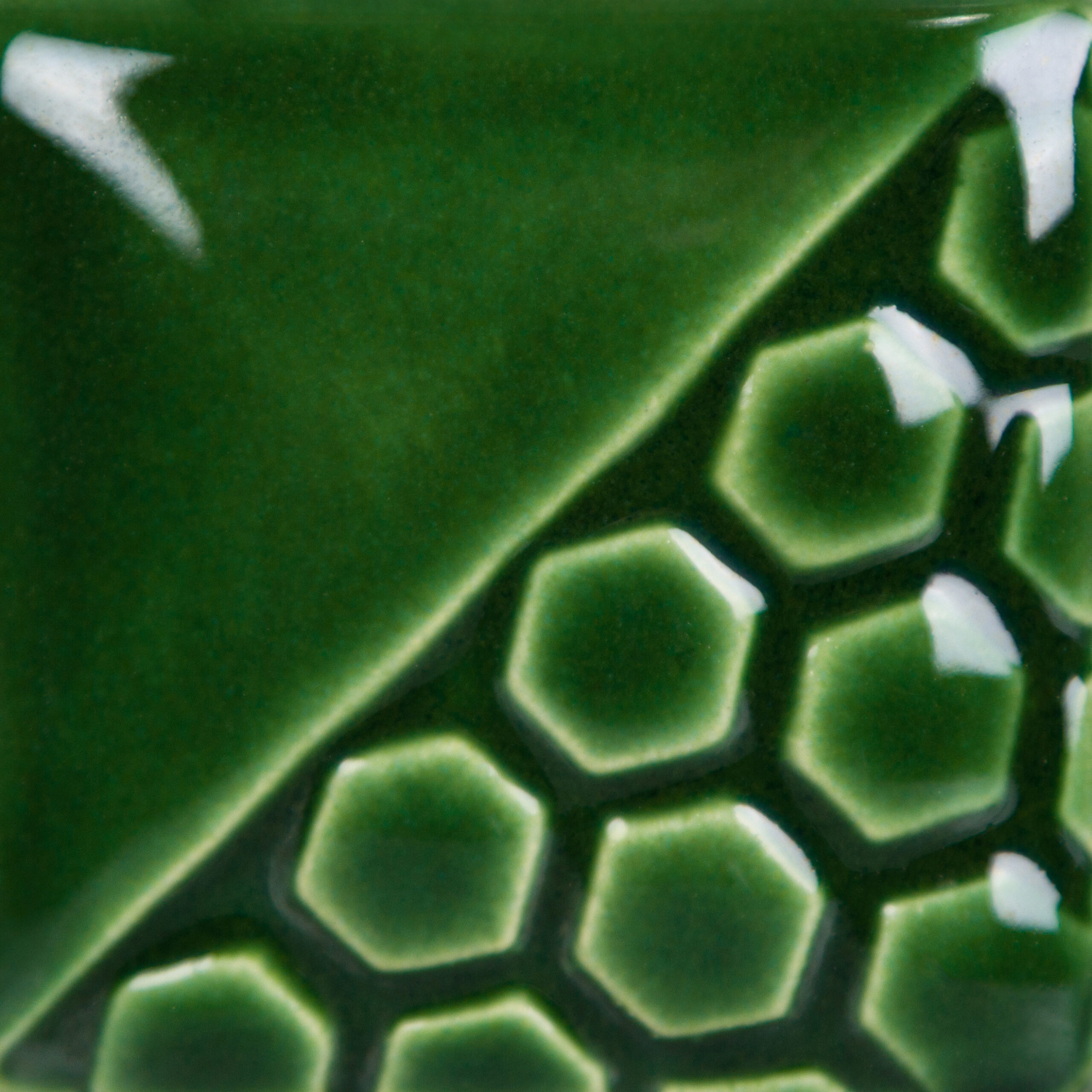
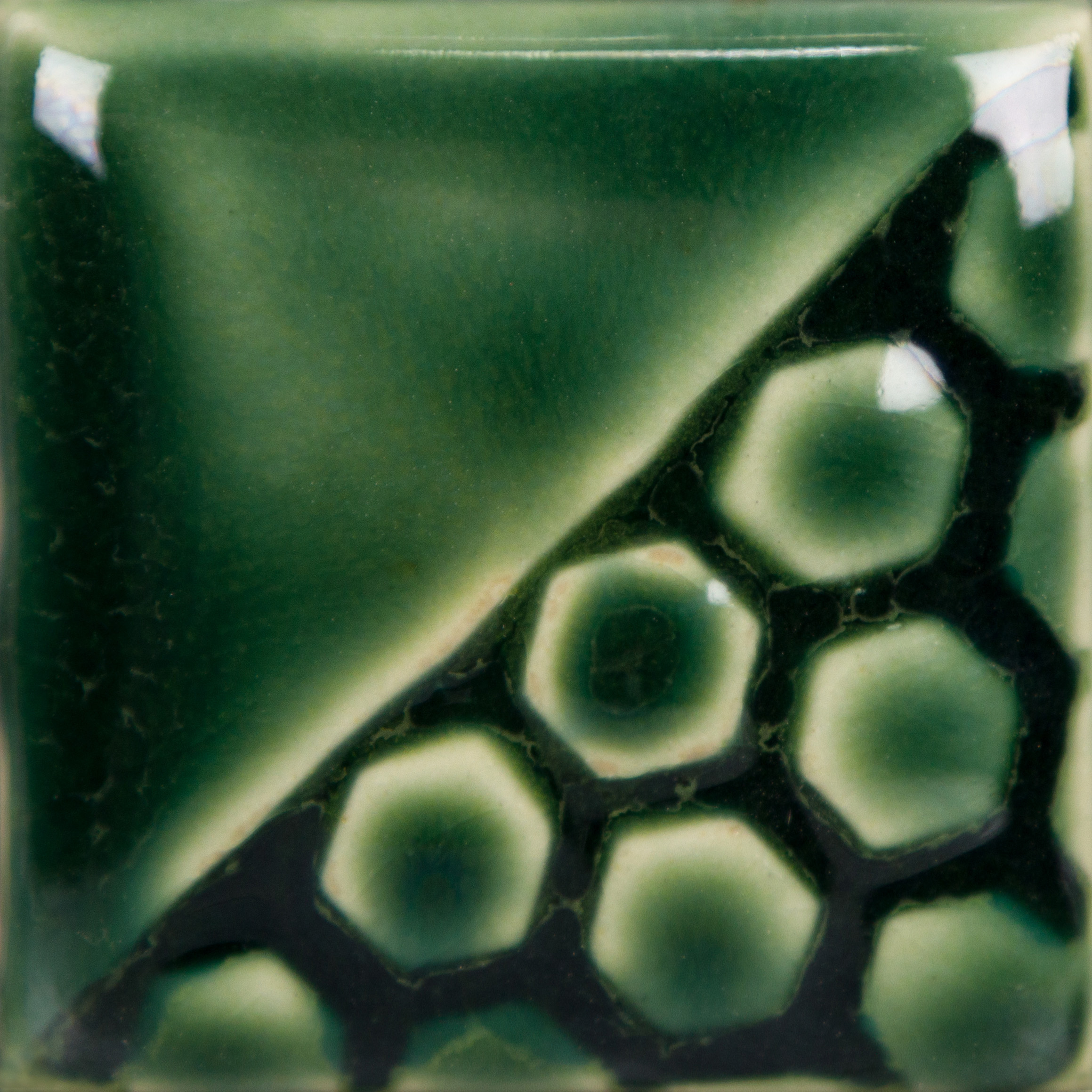
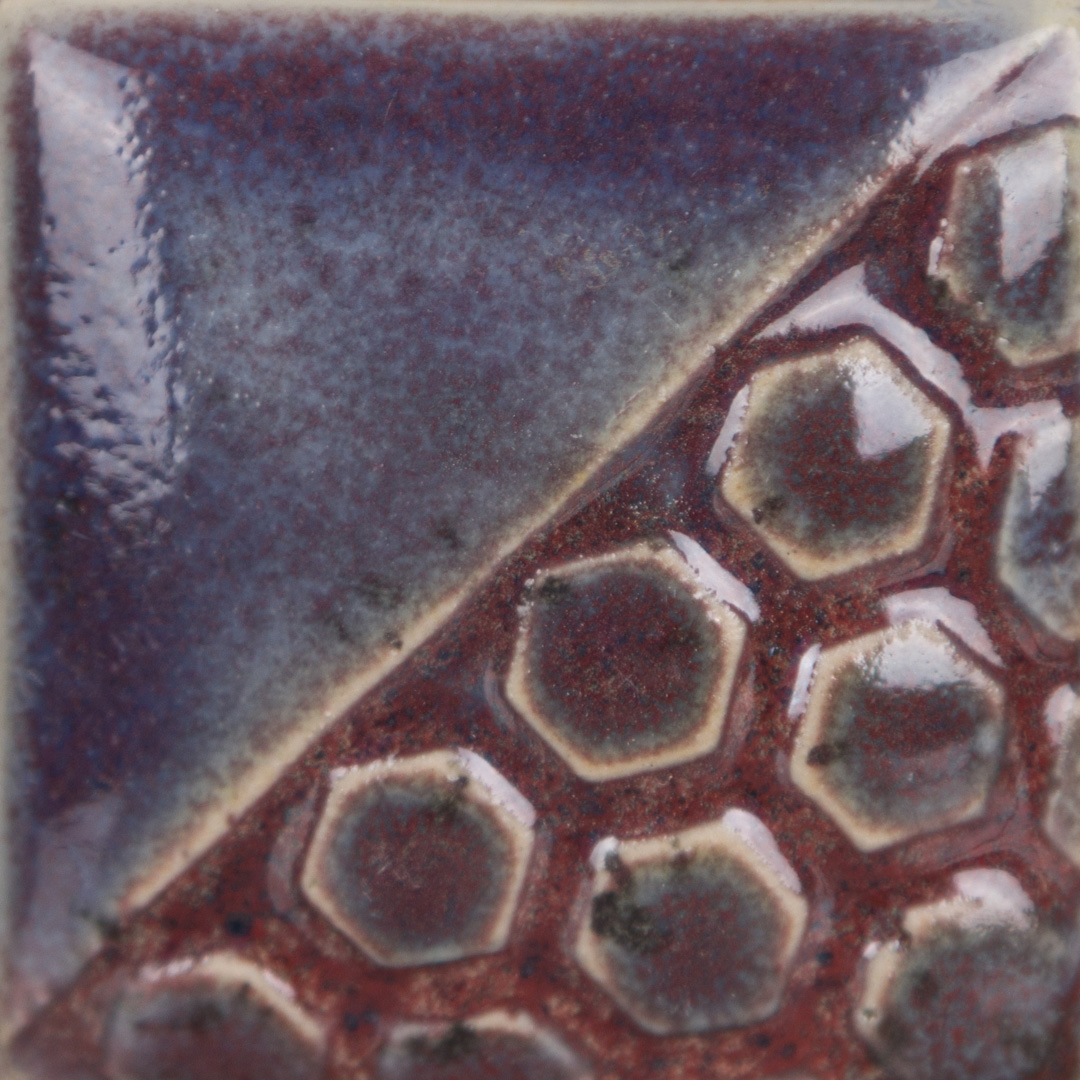
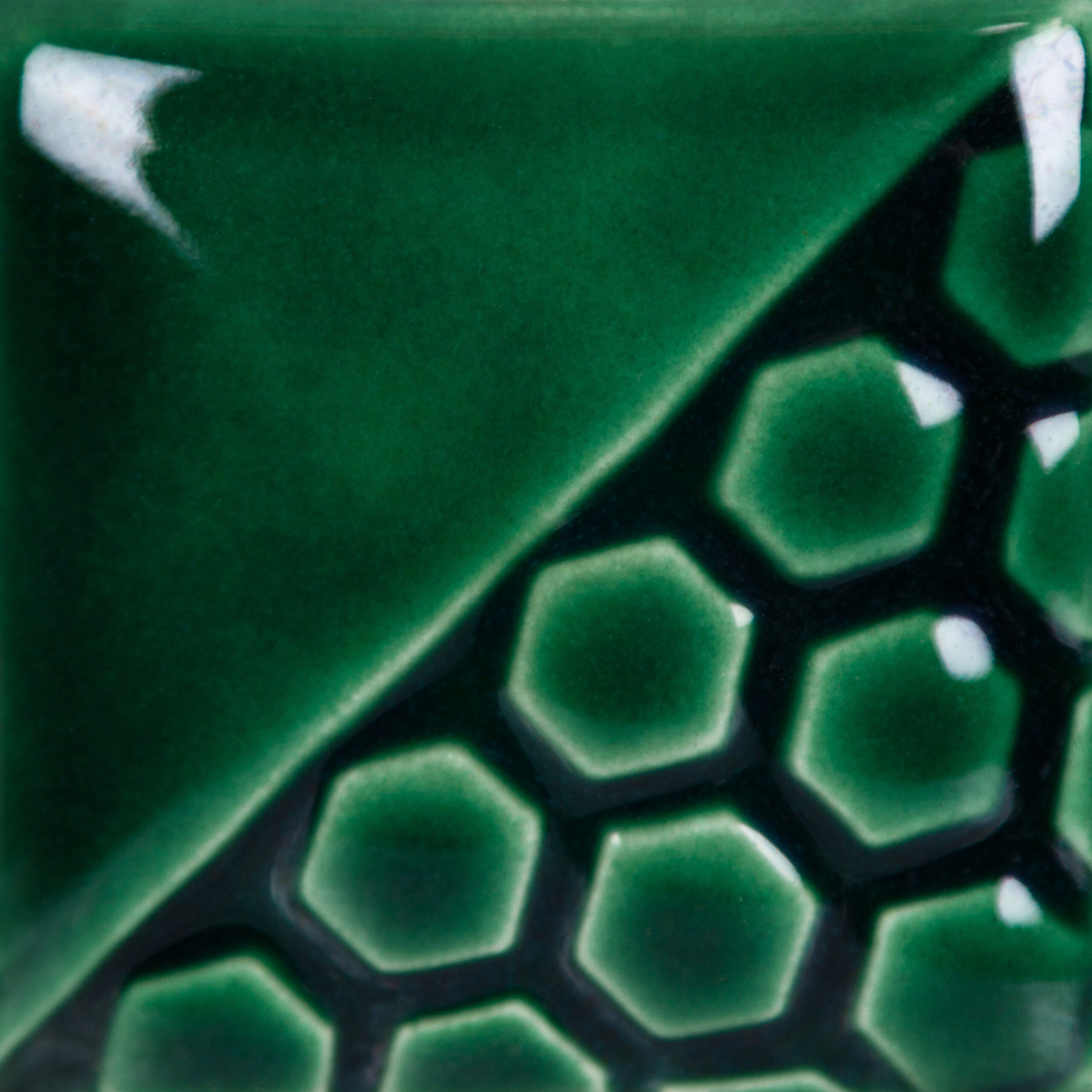
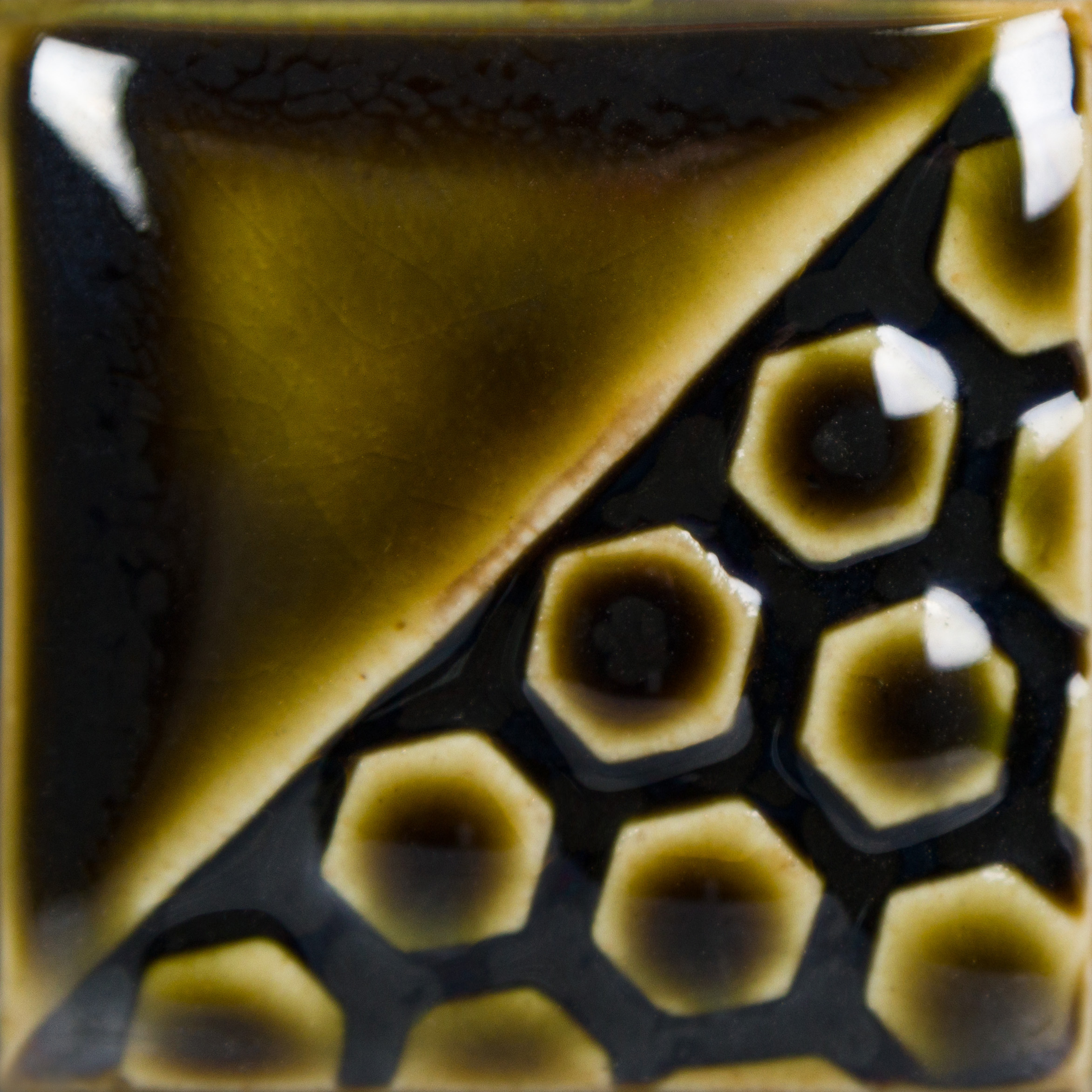
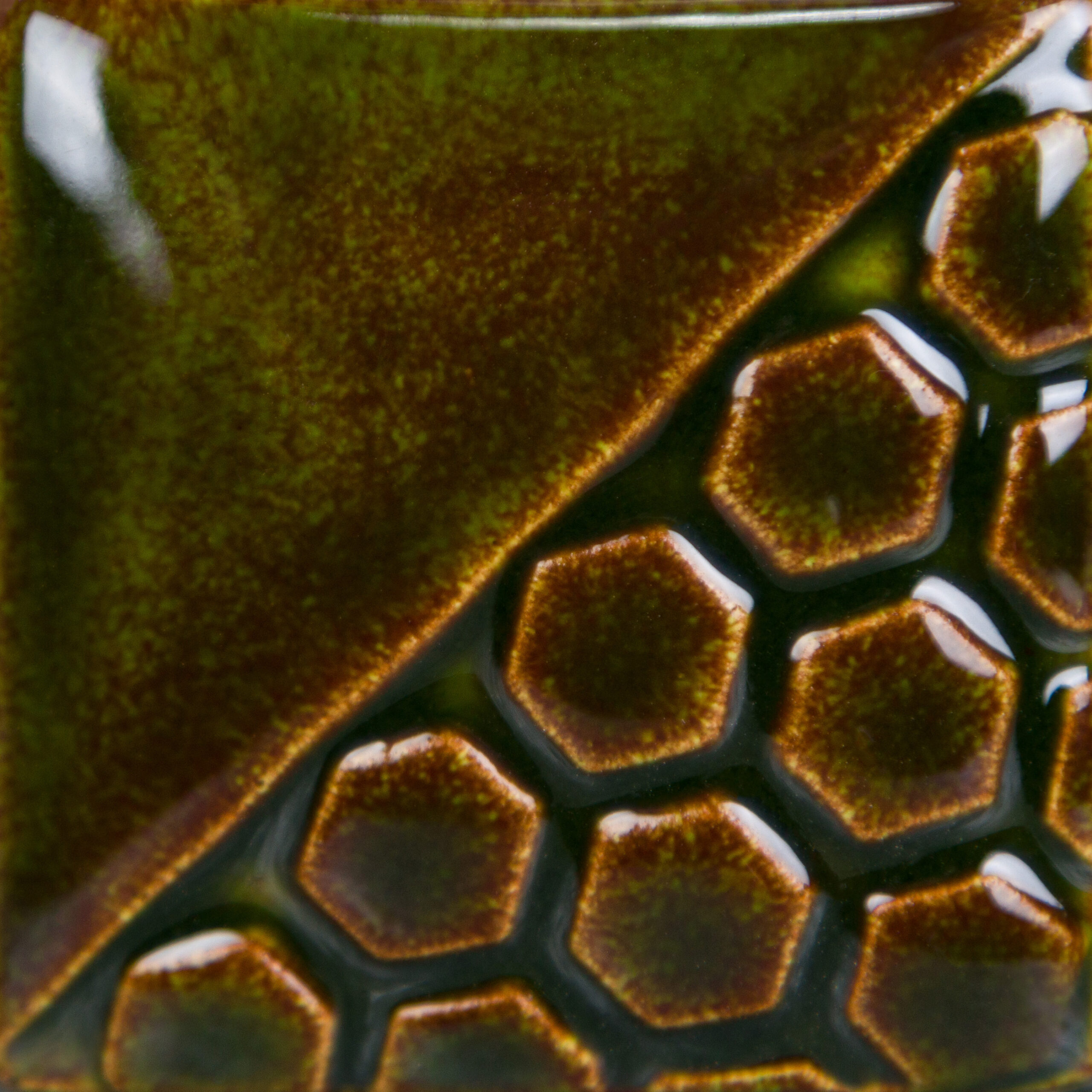
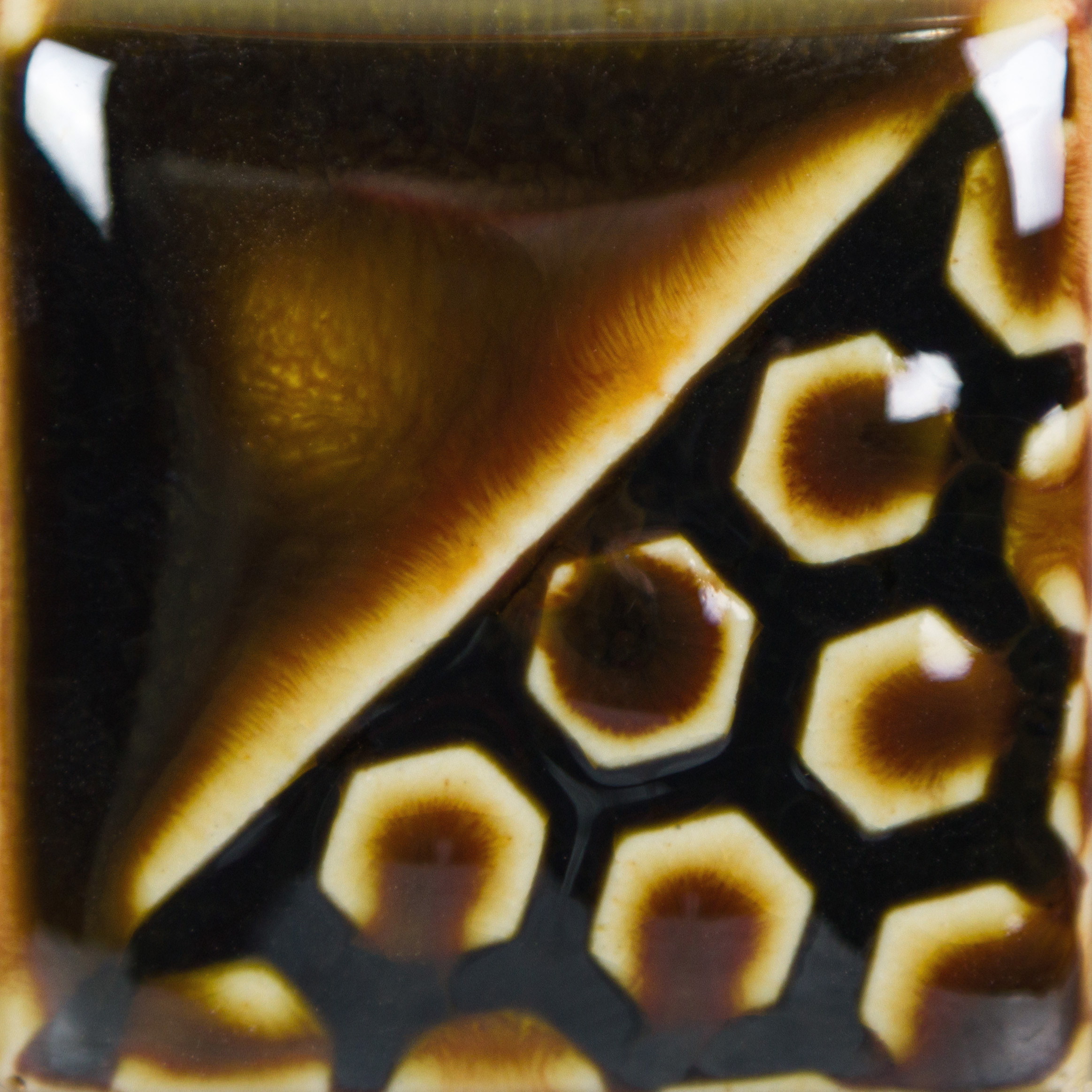
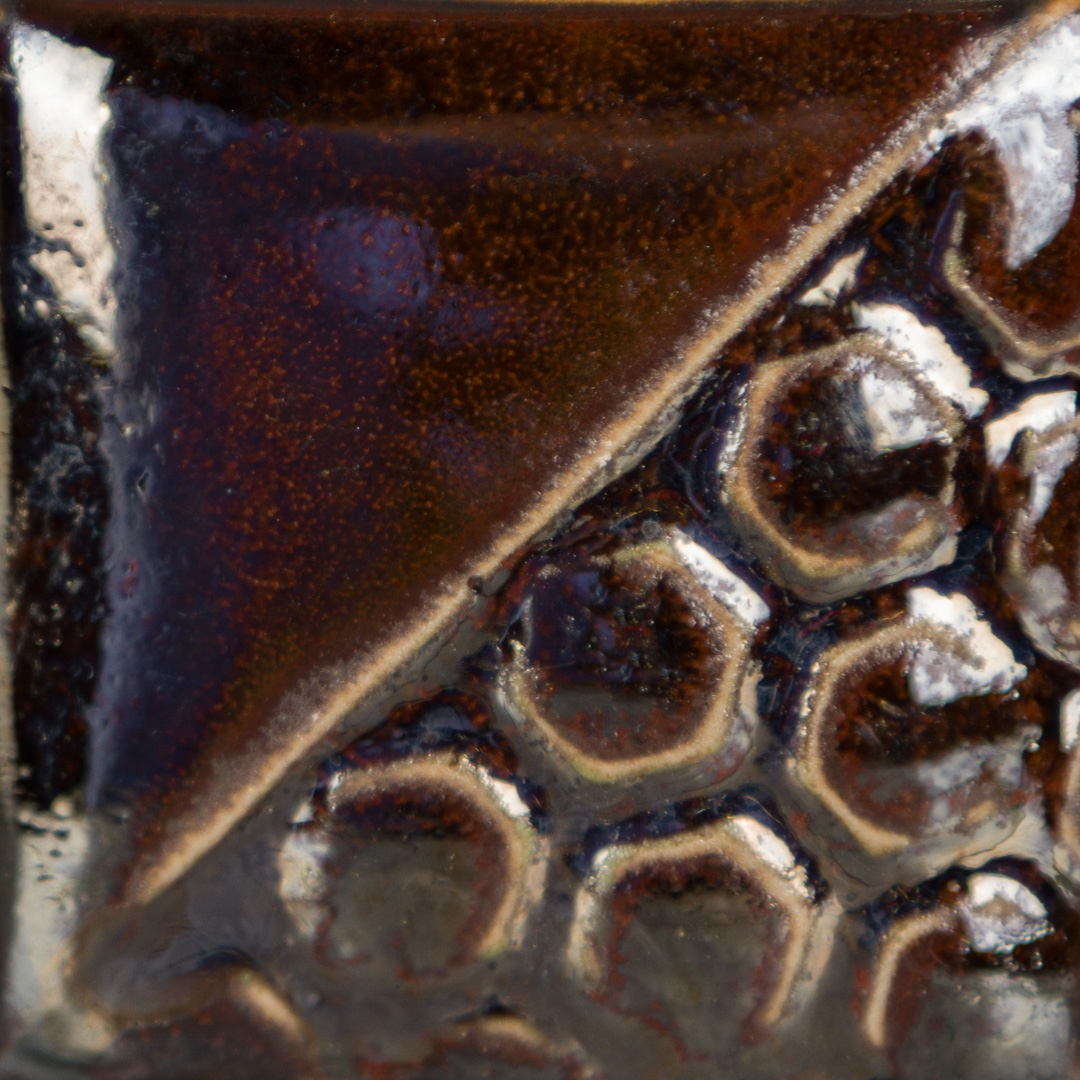
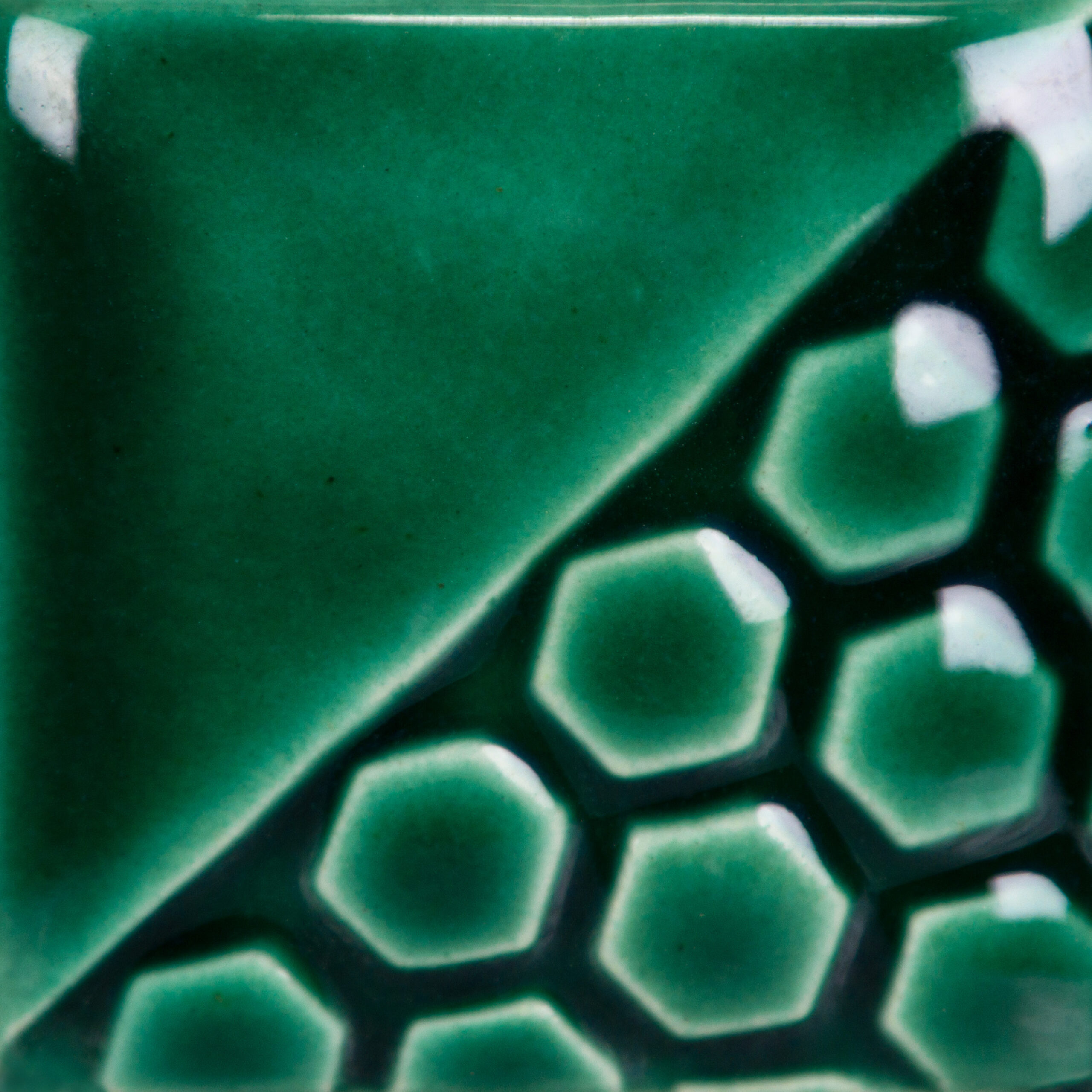
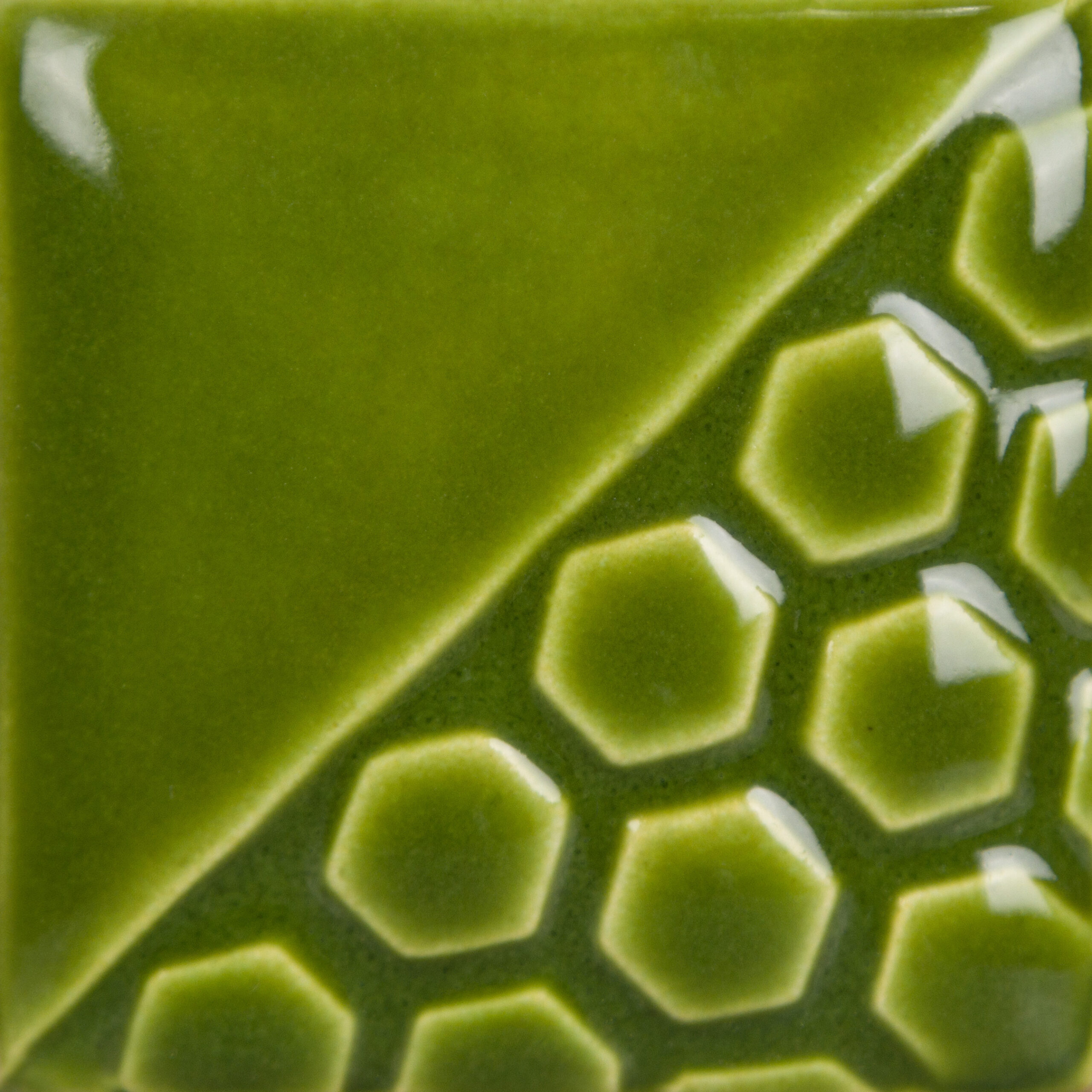
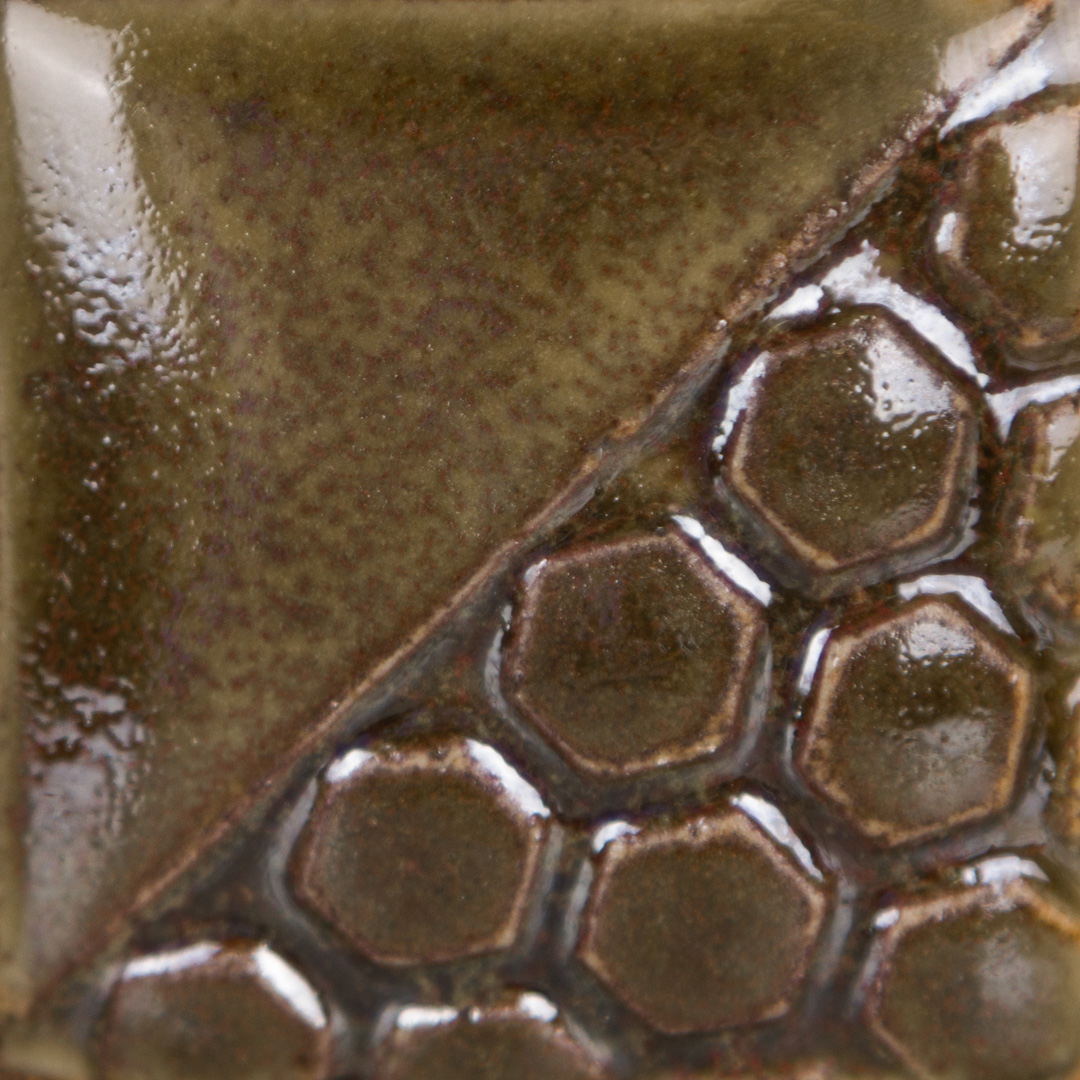
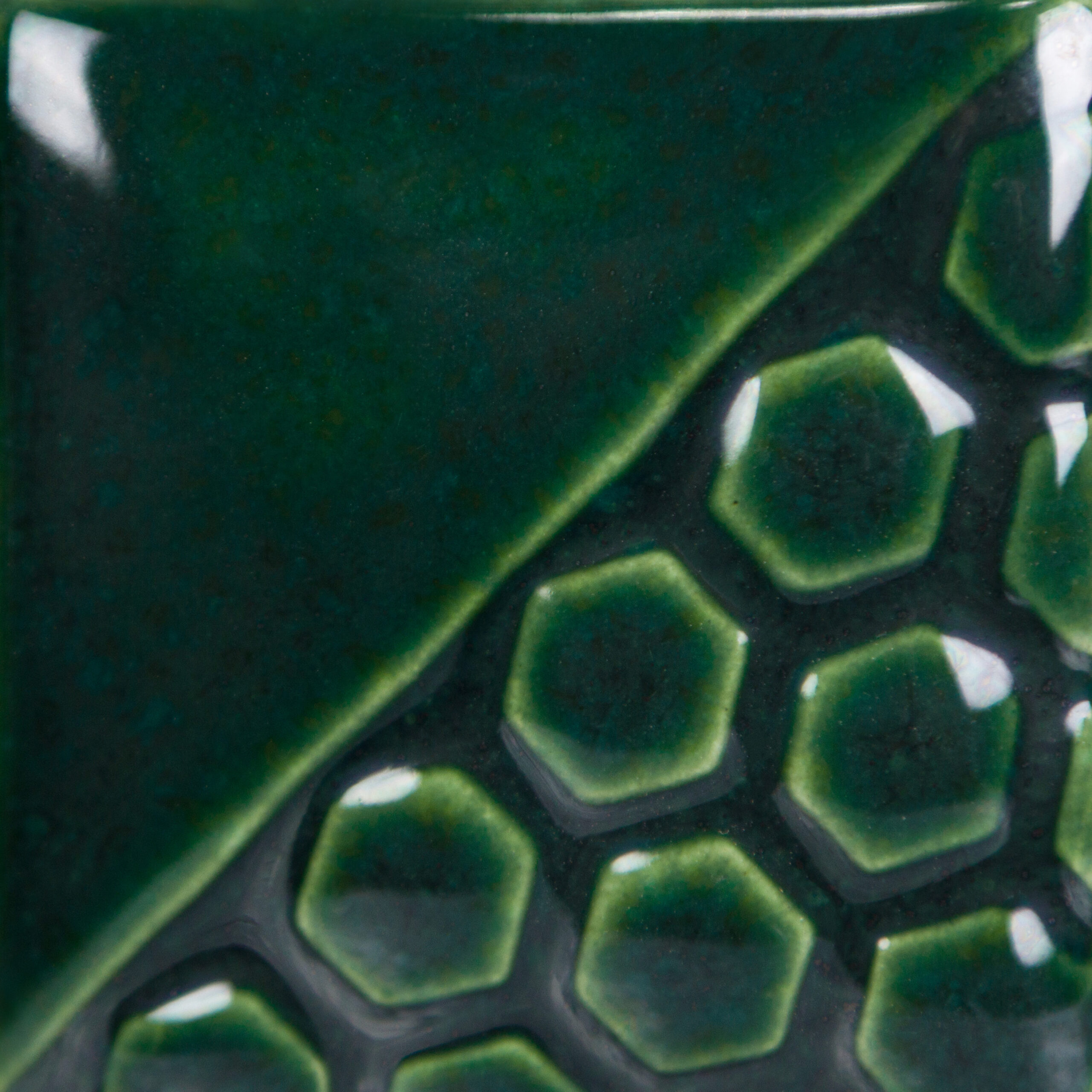
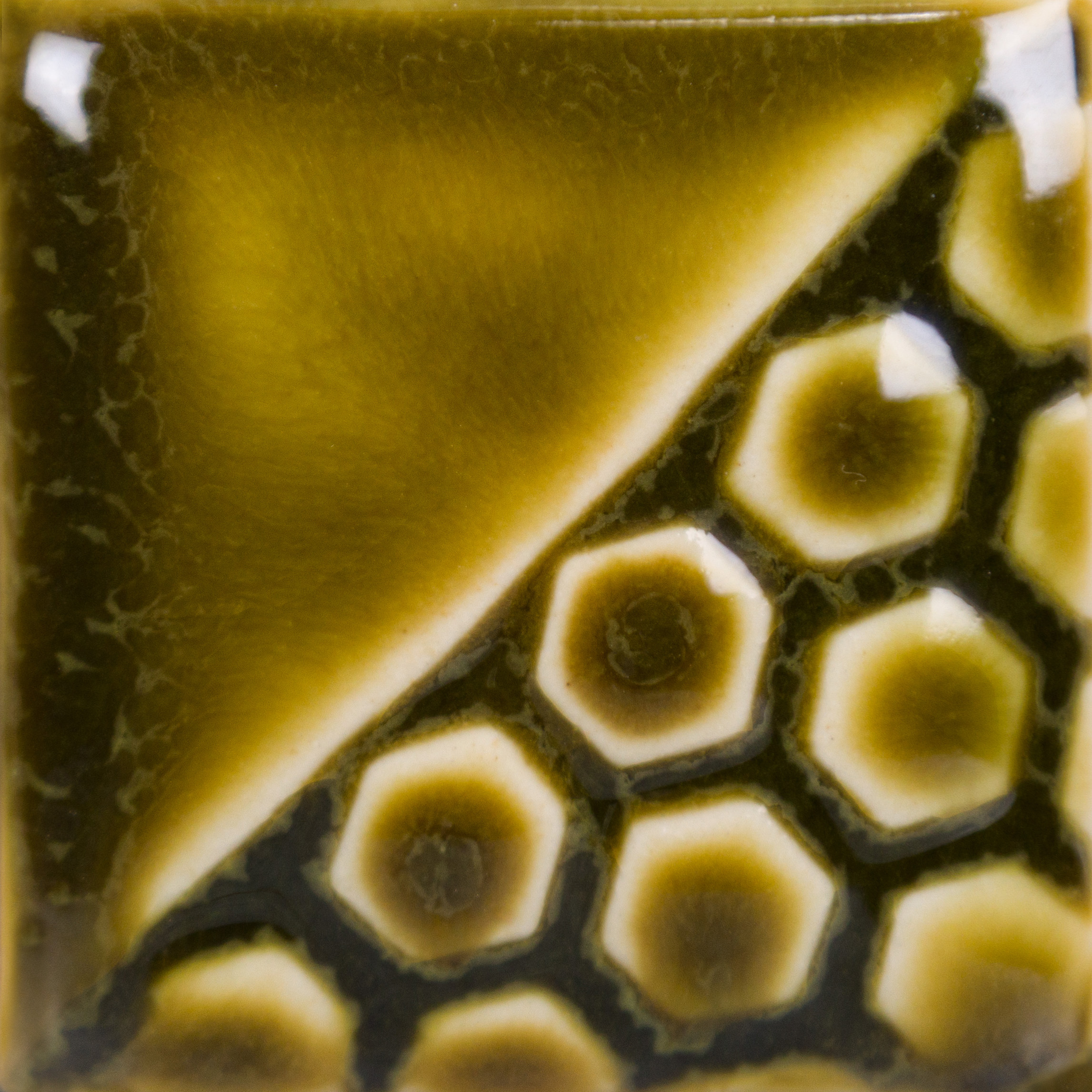
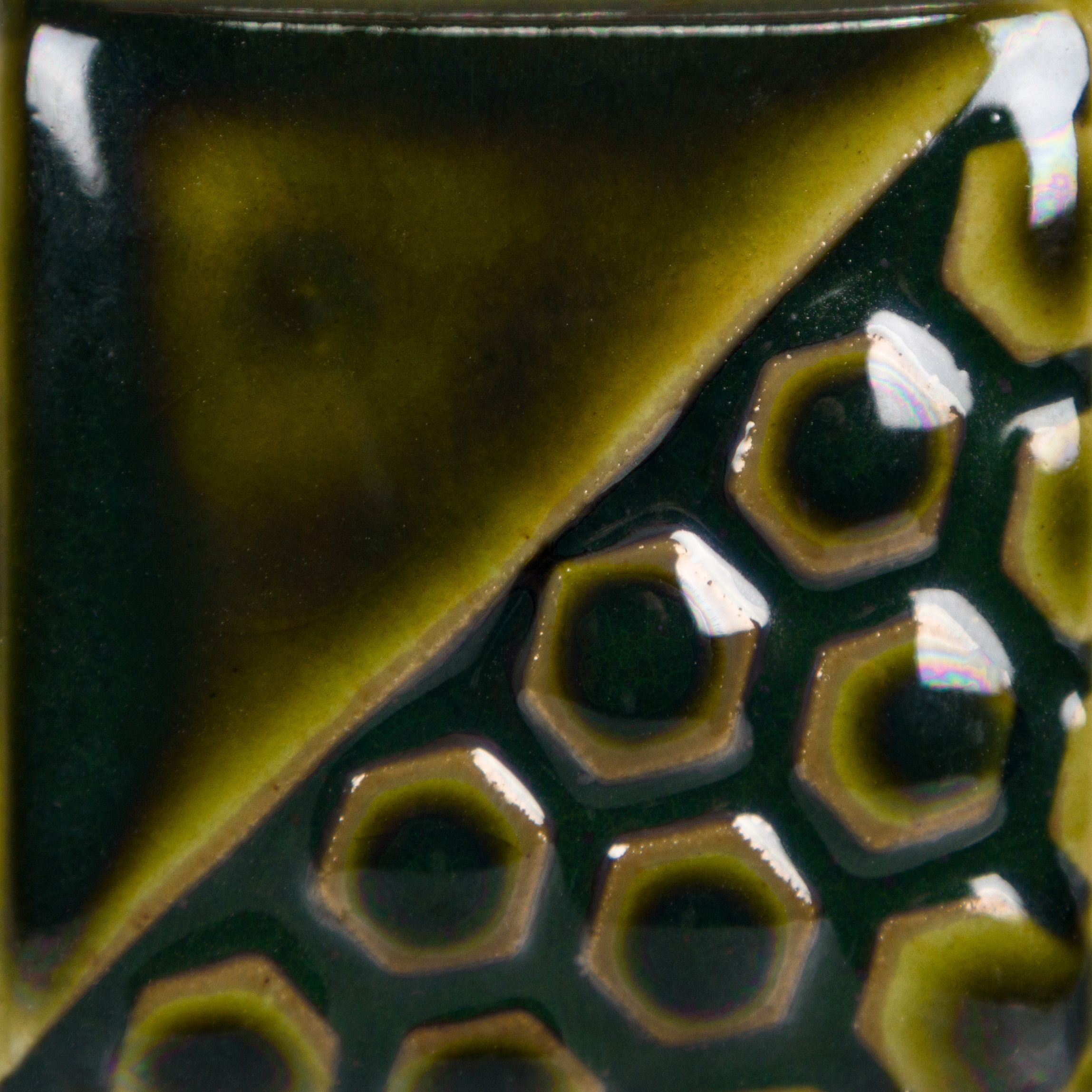
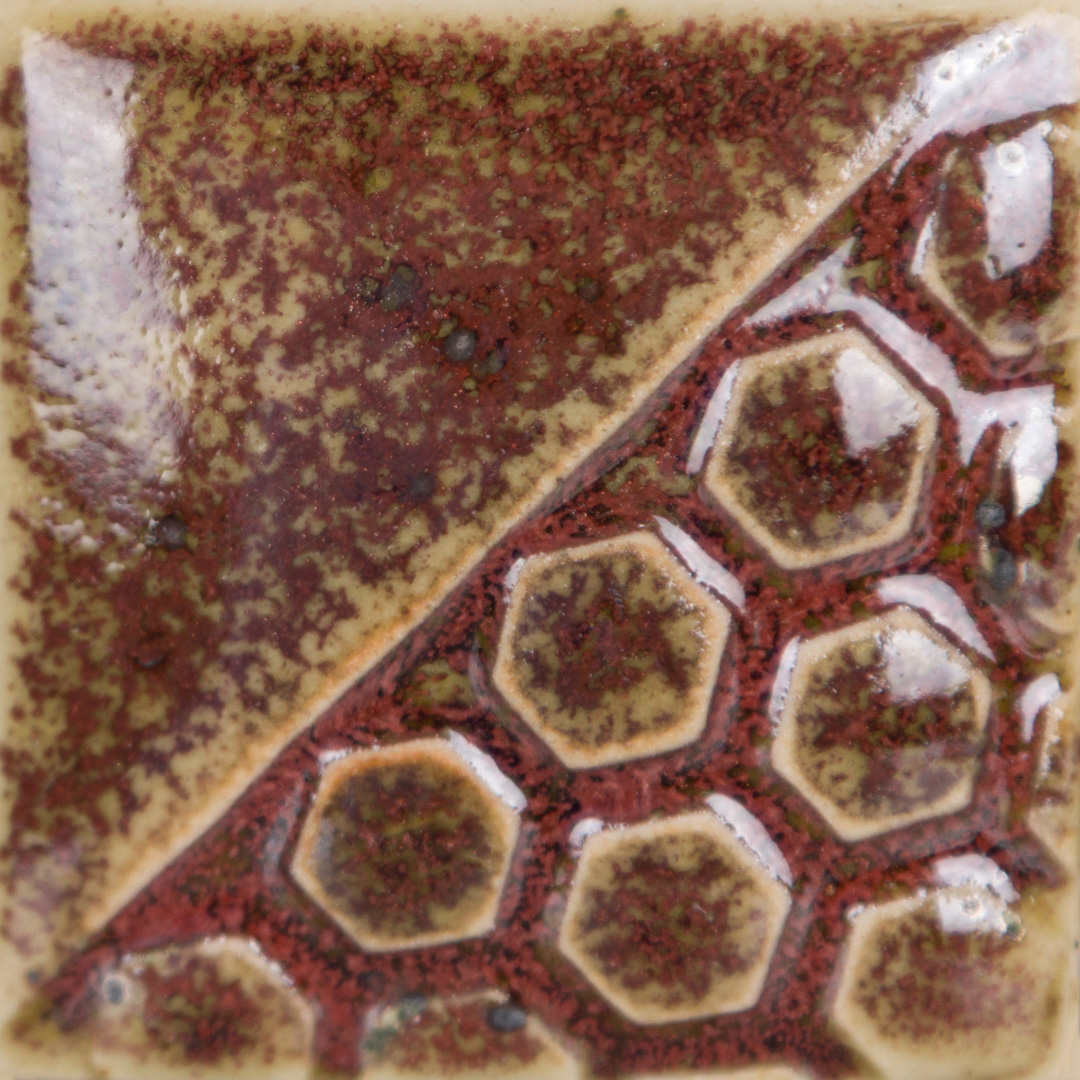
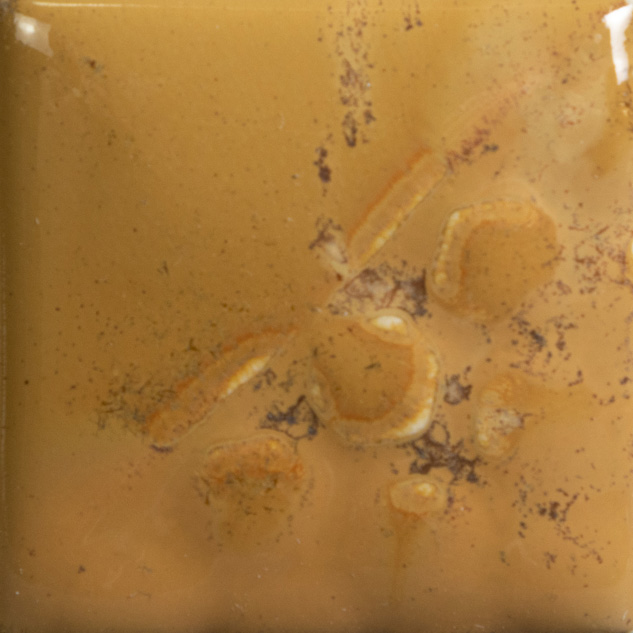
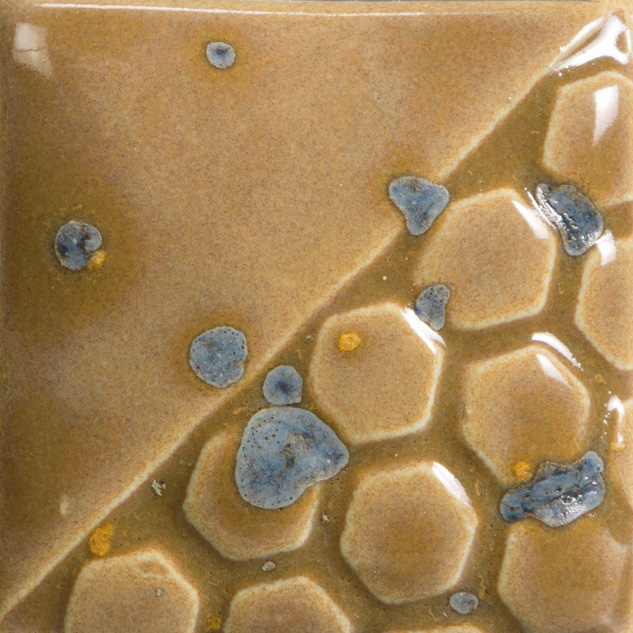
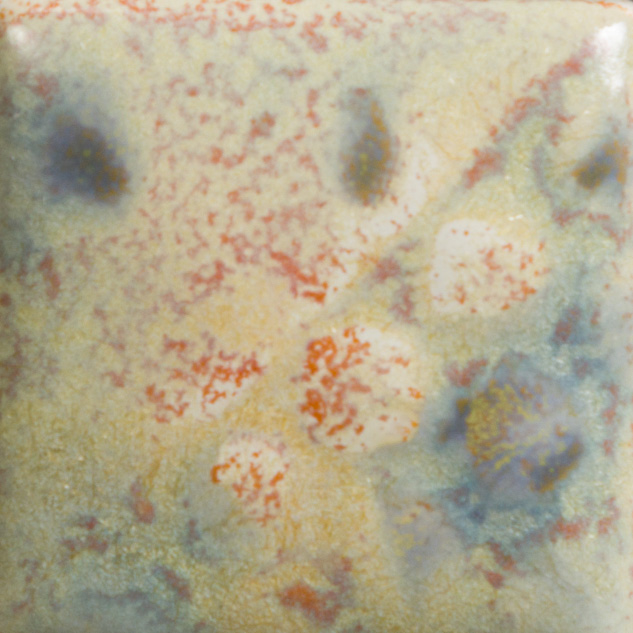
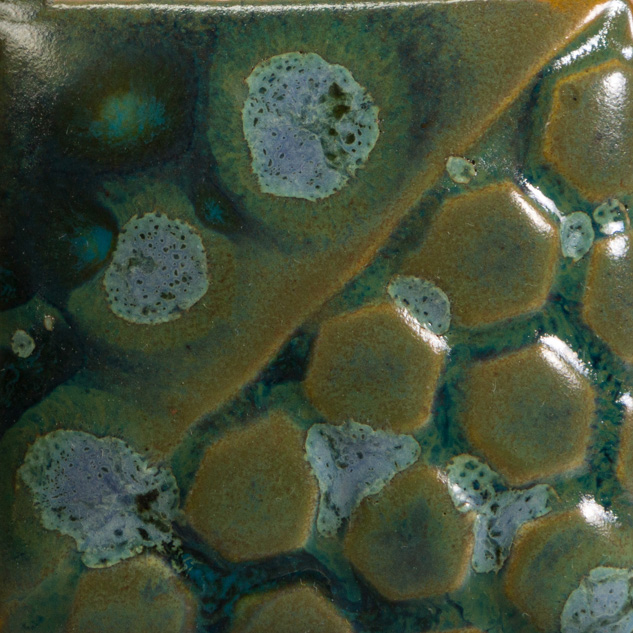
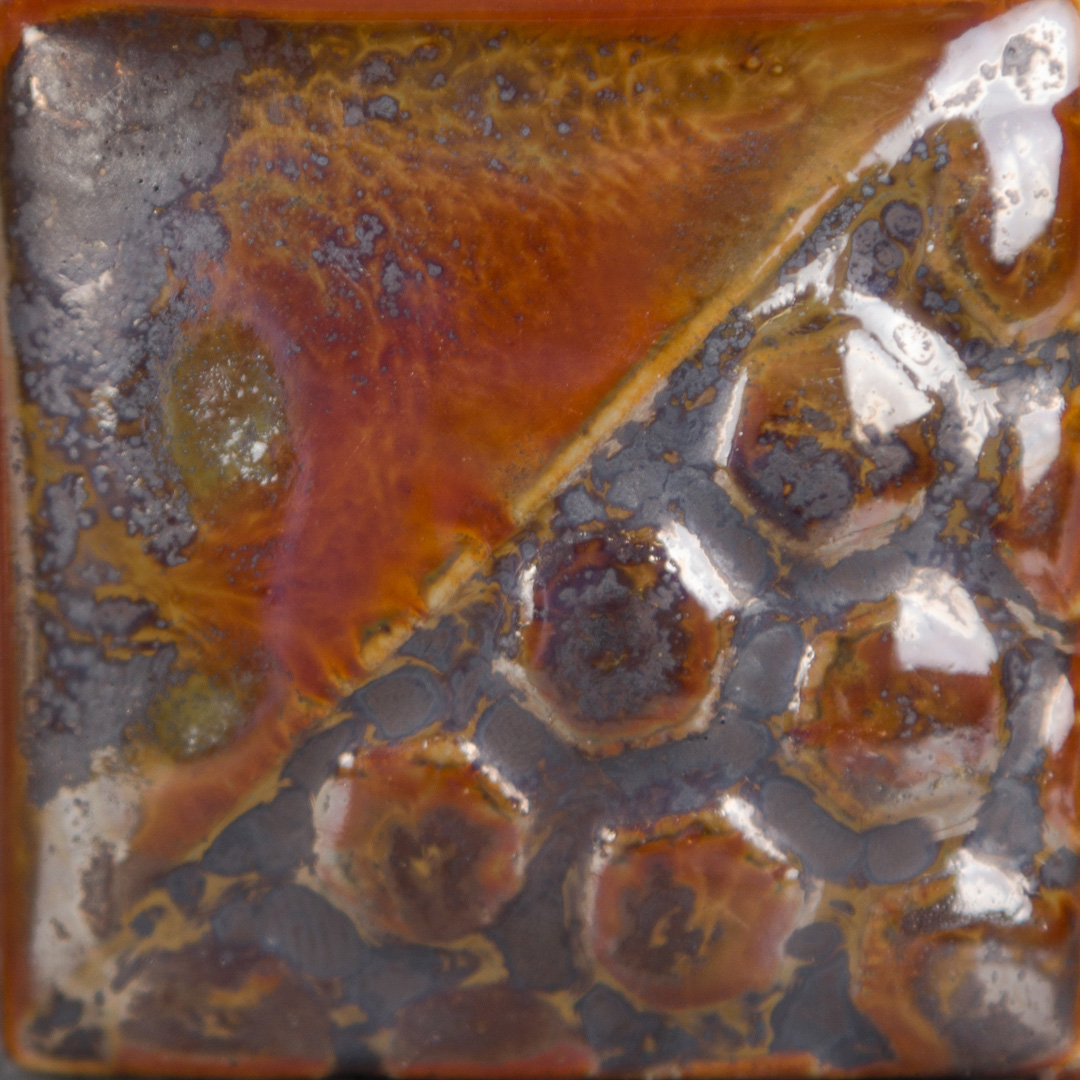
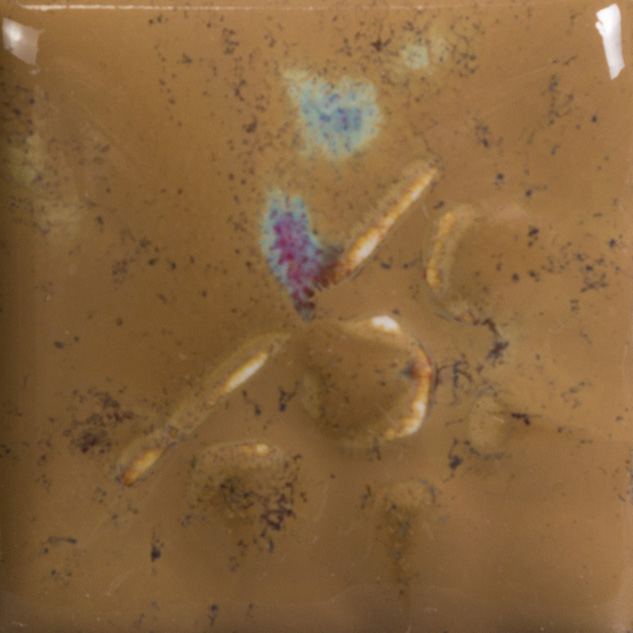
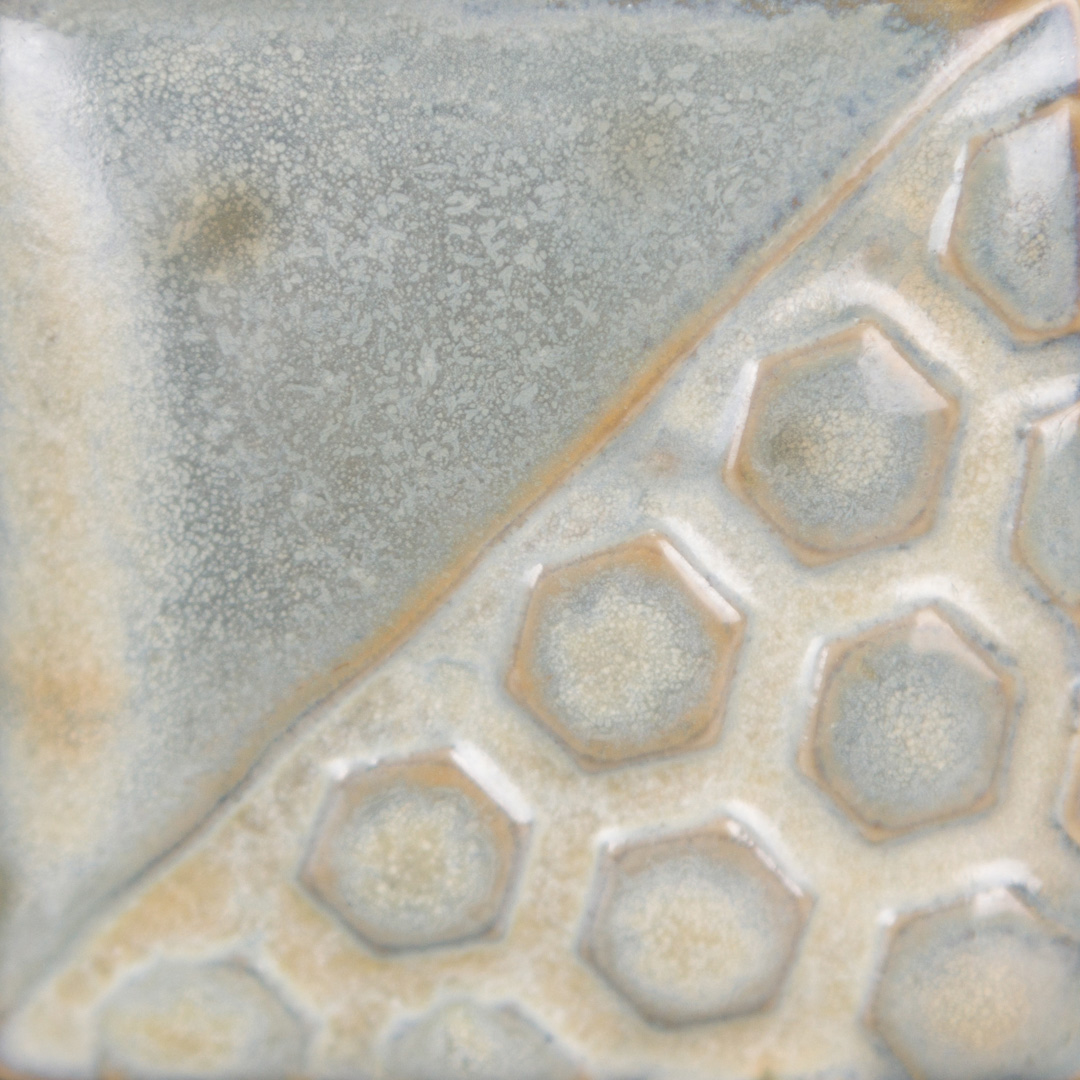
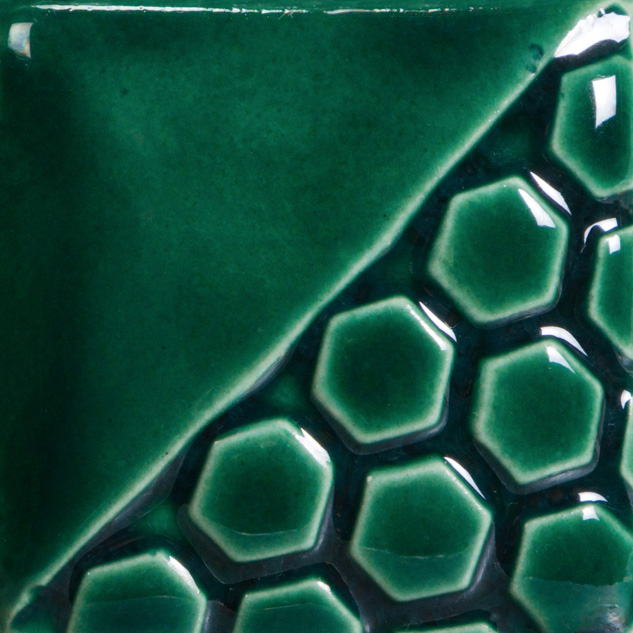
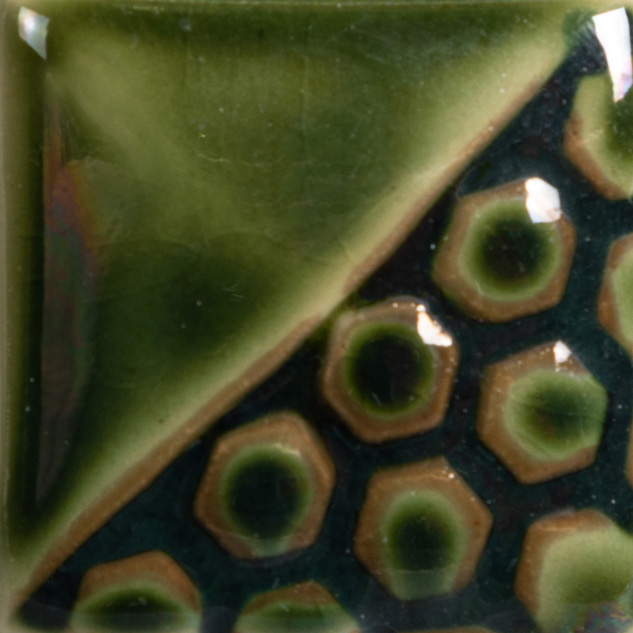
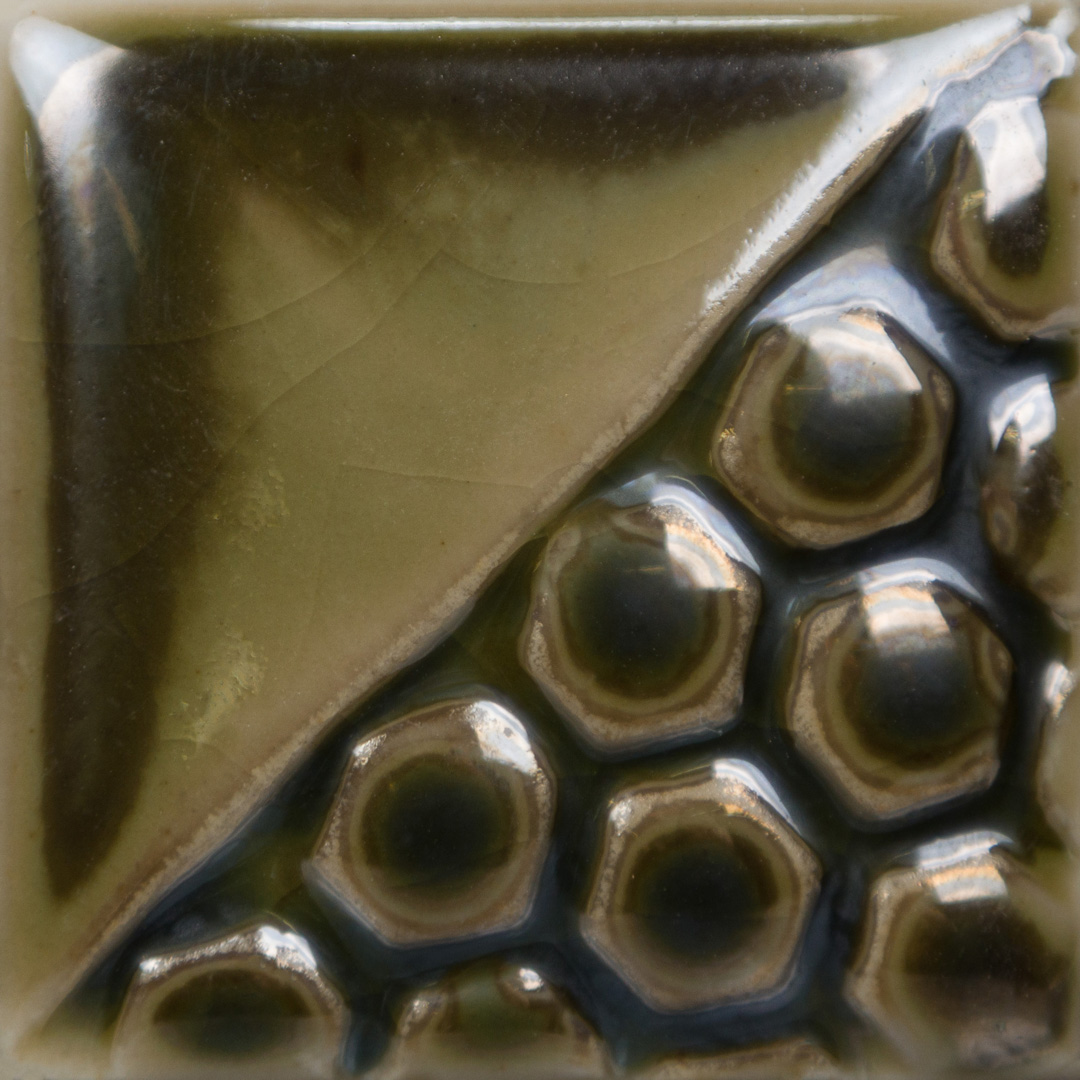
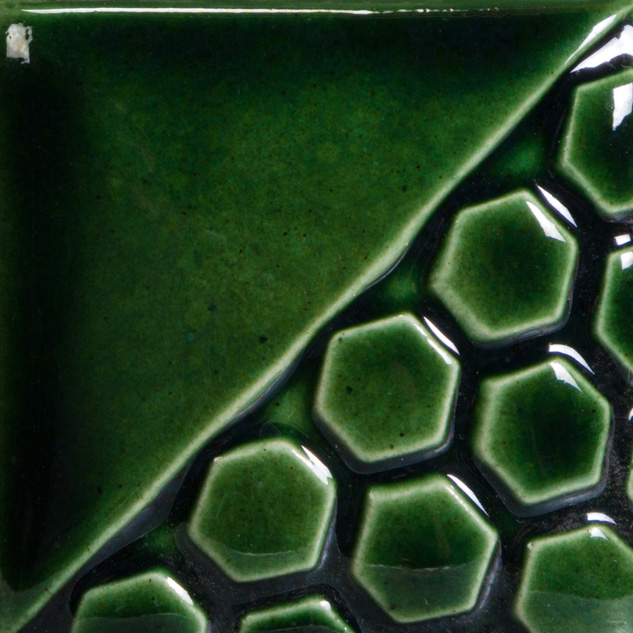
Cone 06 chips have been fired flat in oxidation on white earthenware body.
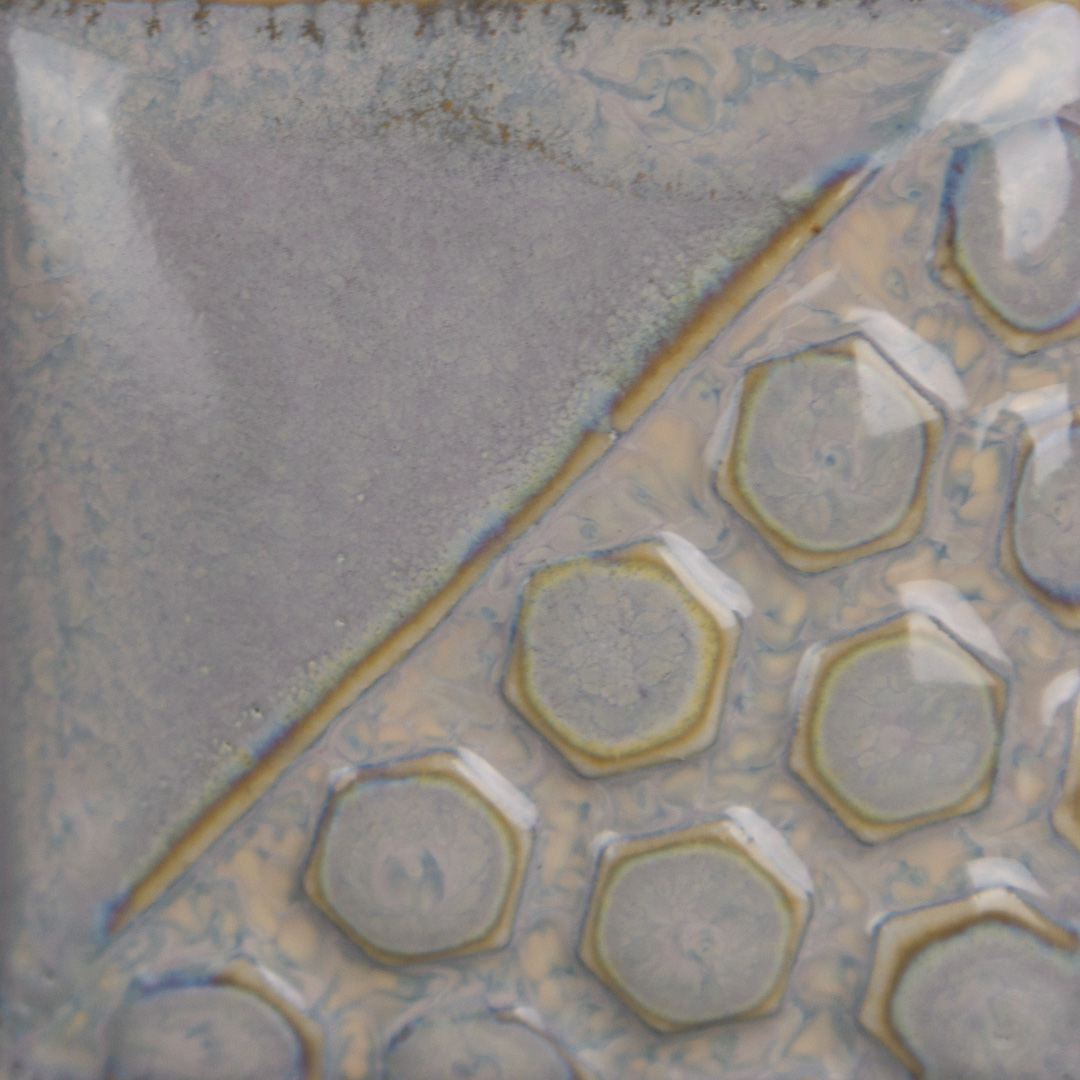
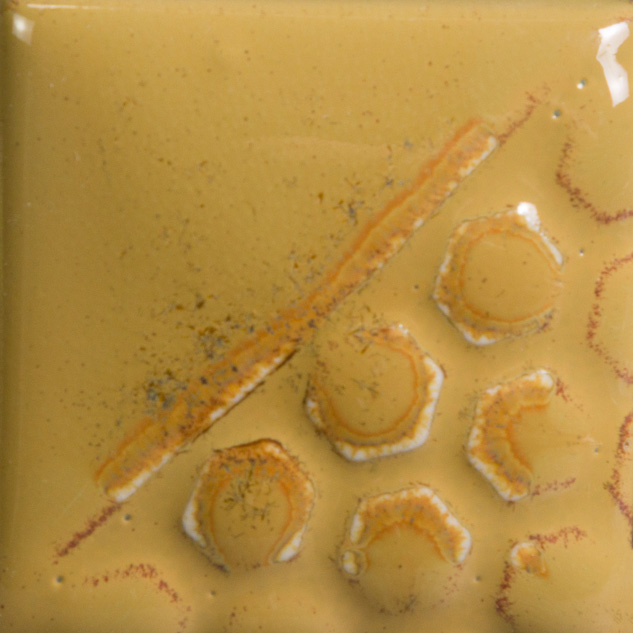
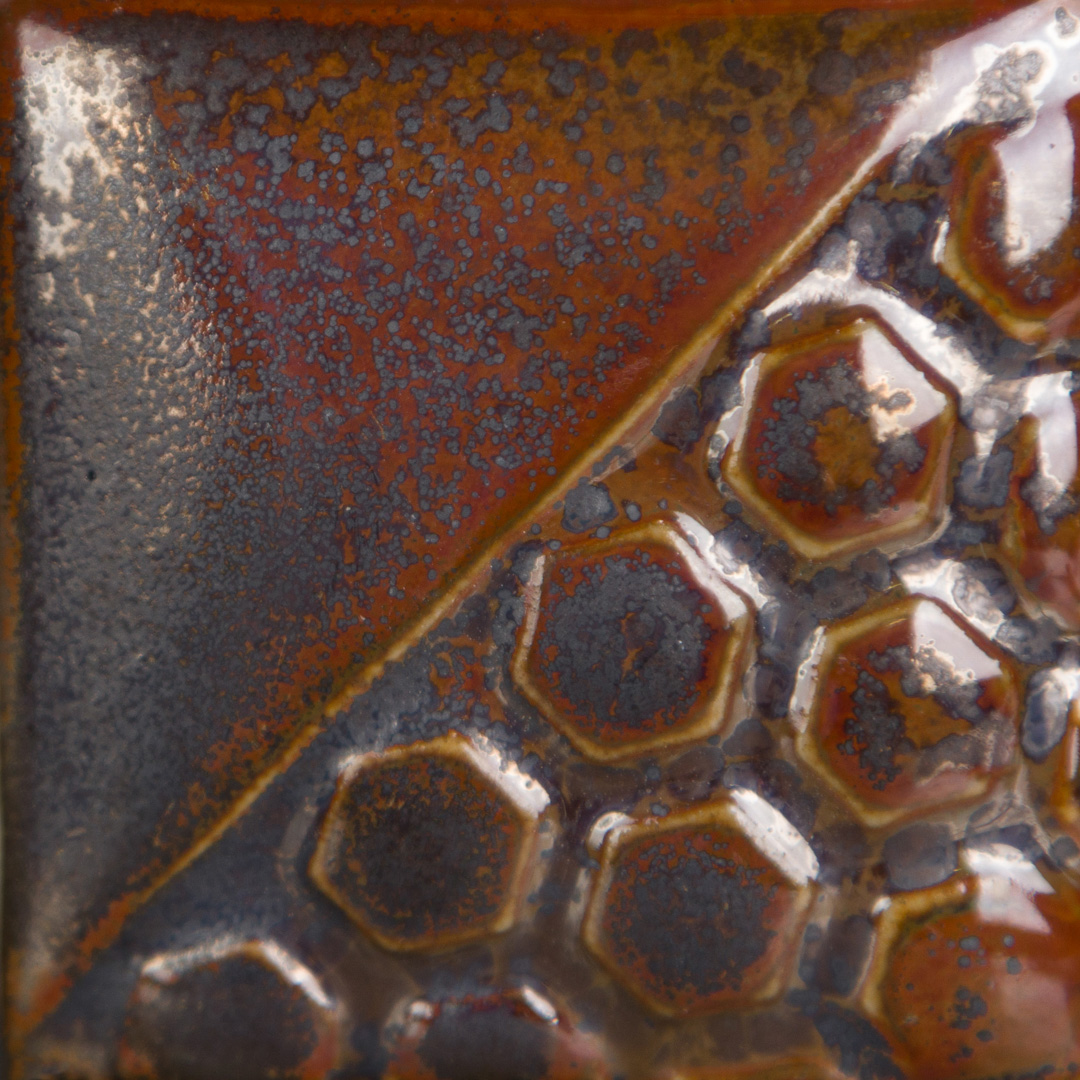
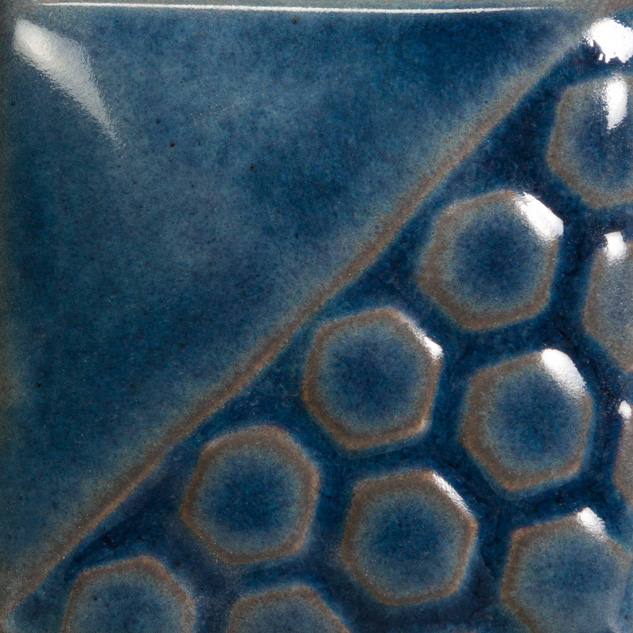
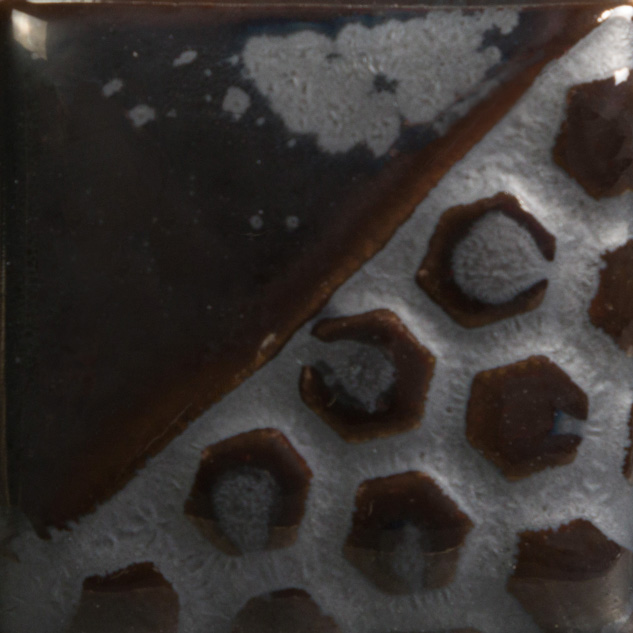
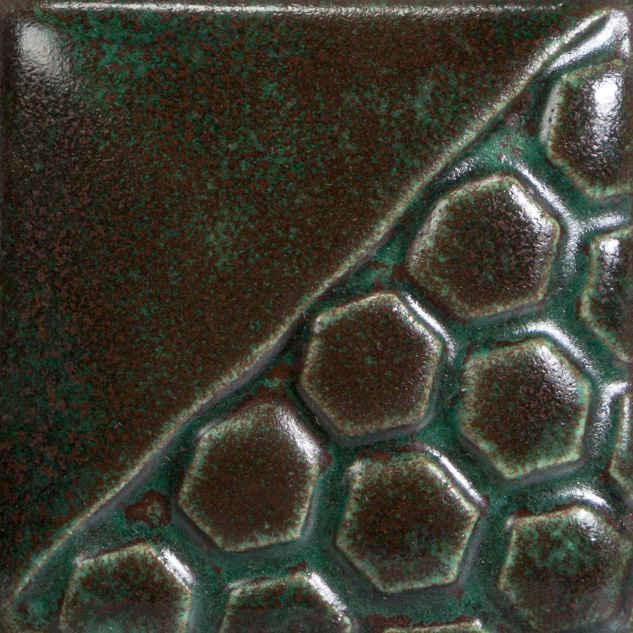
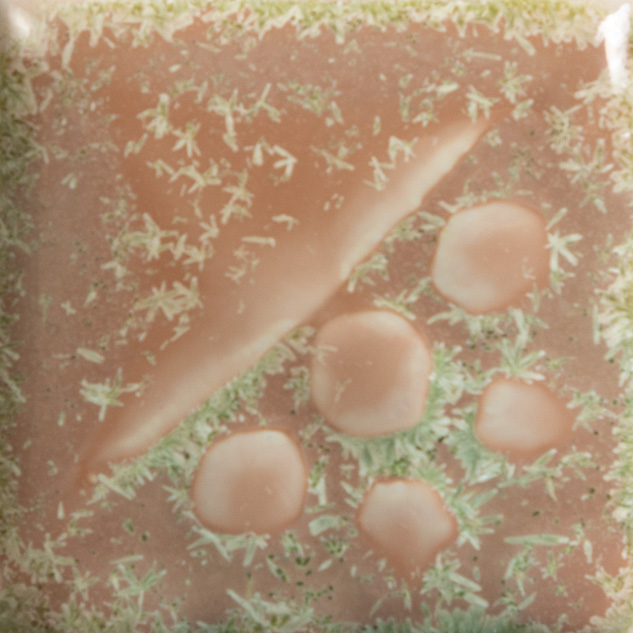
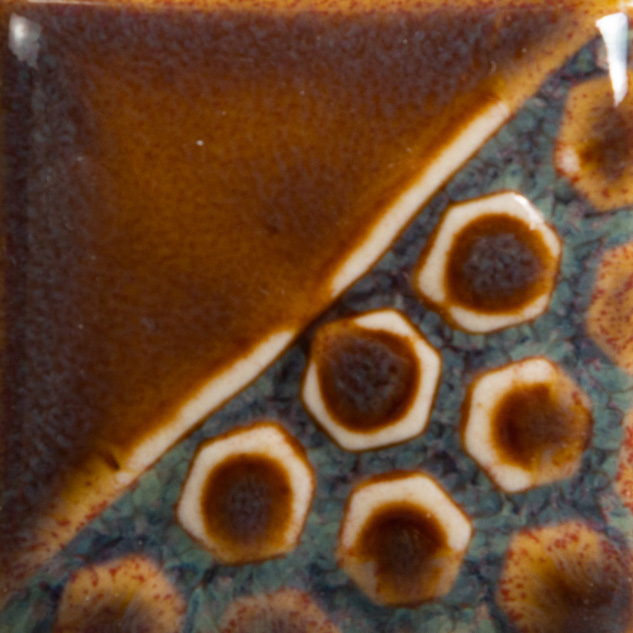
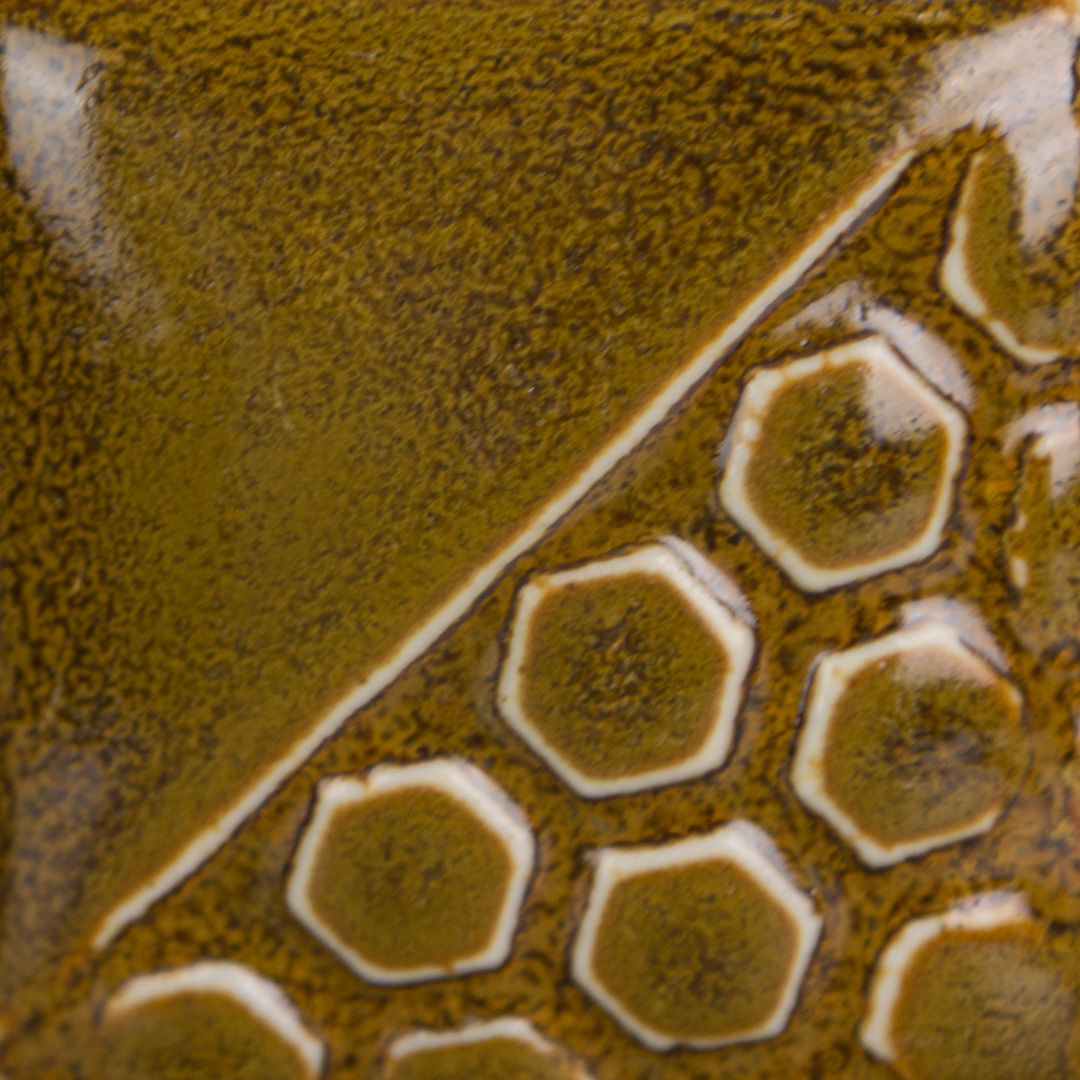
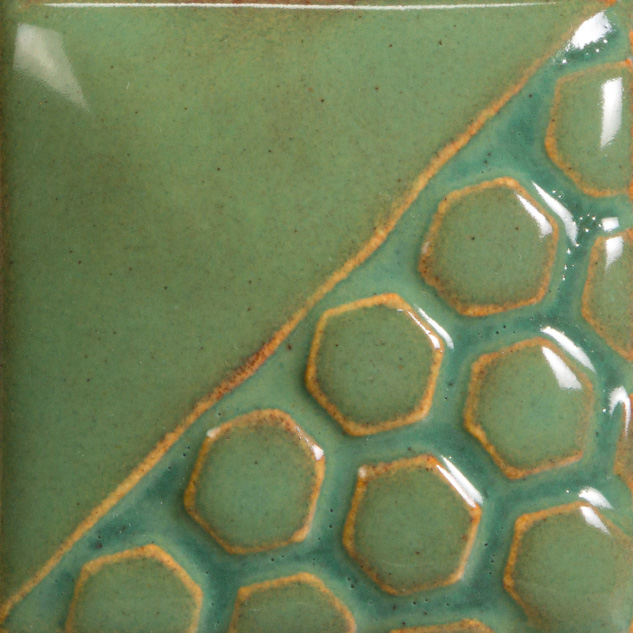
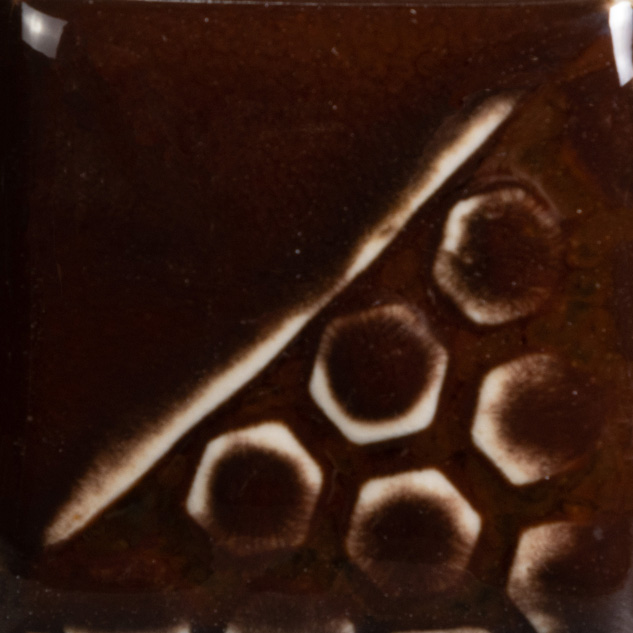
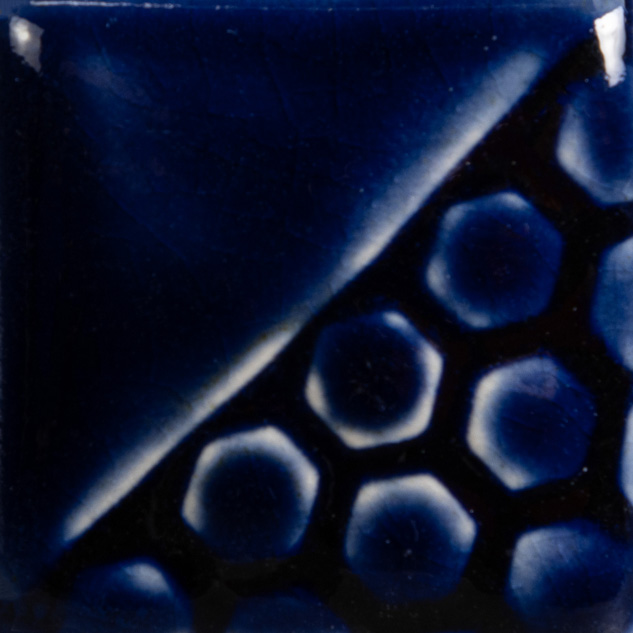
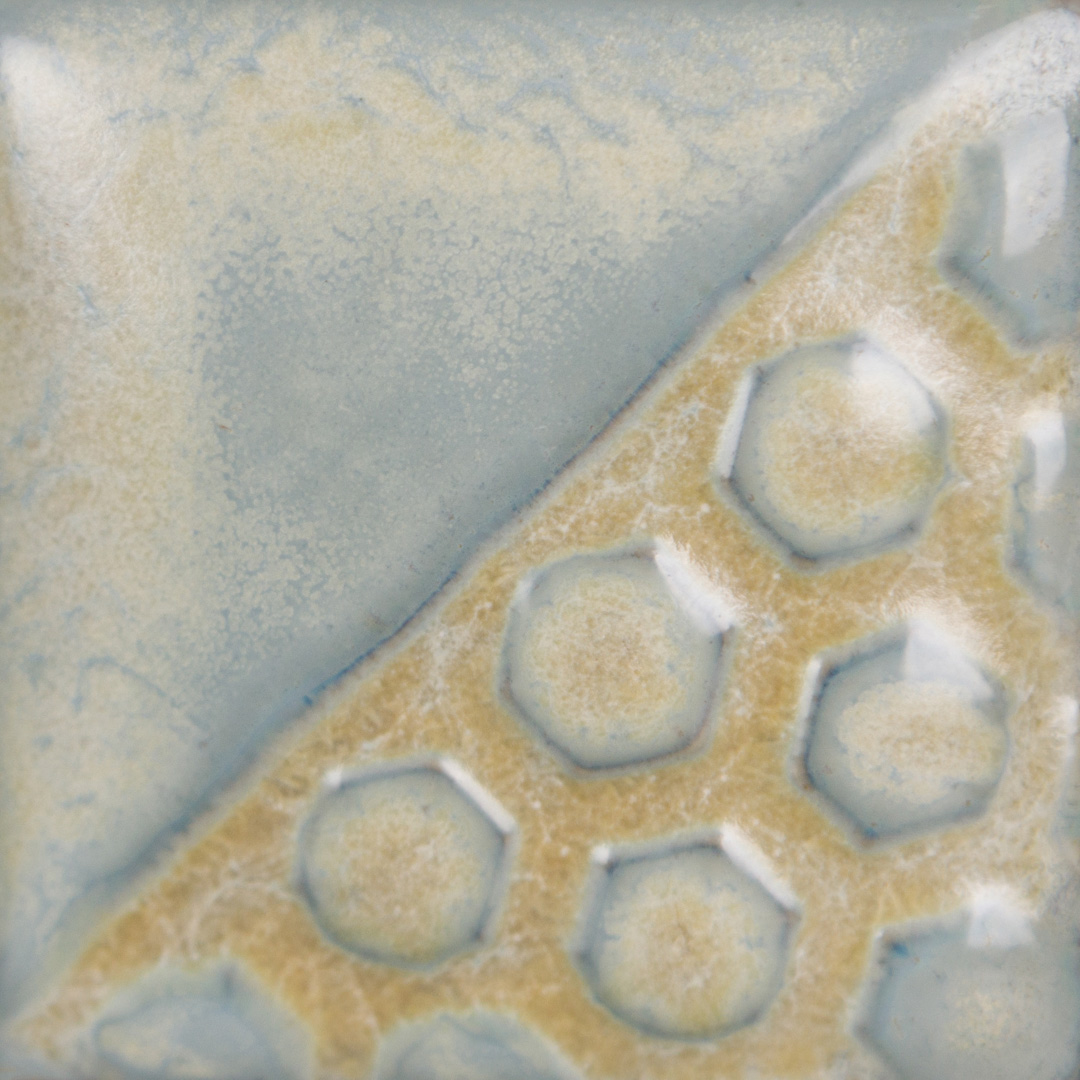
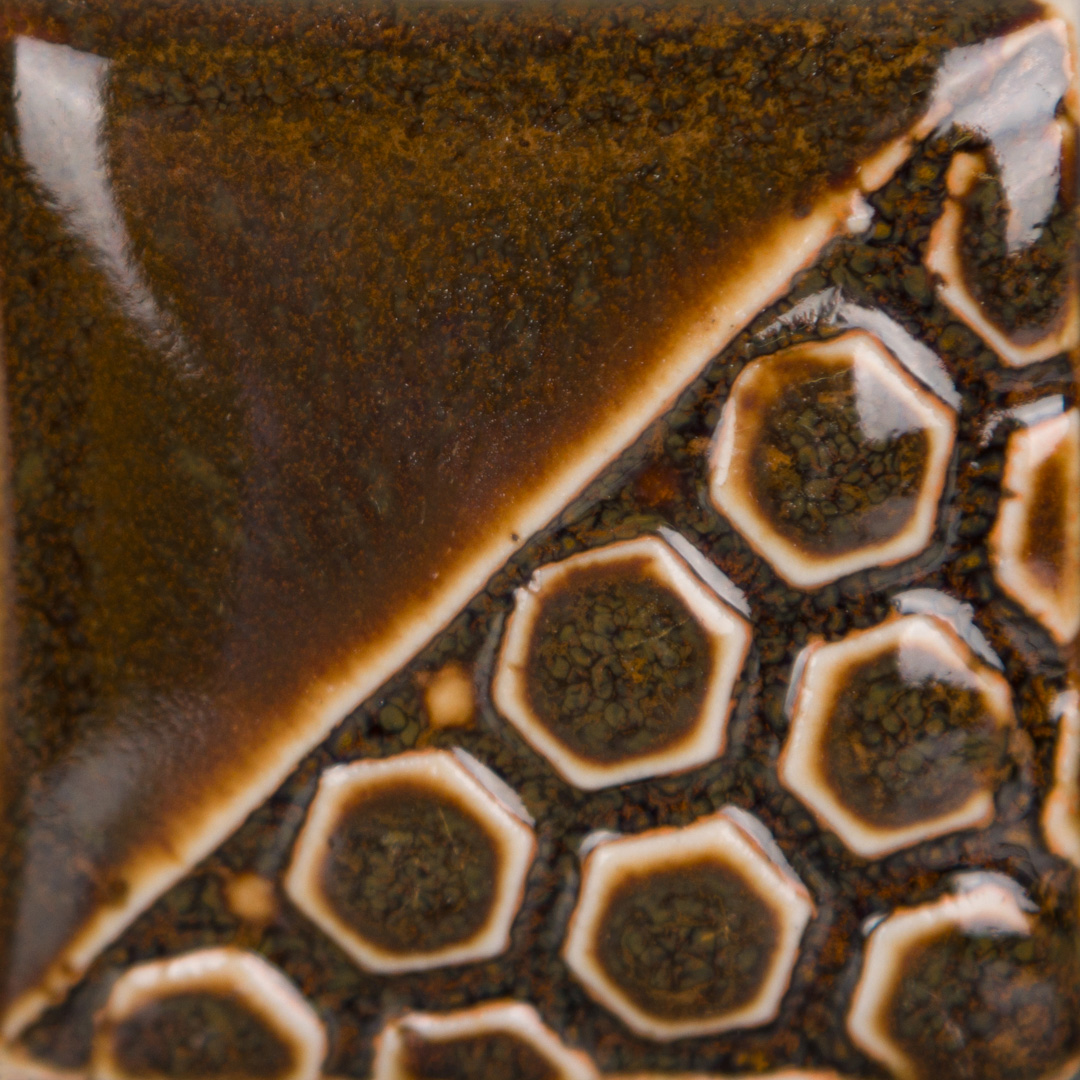
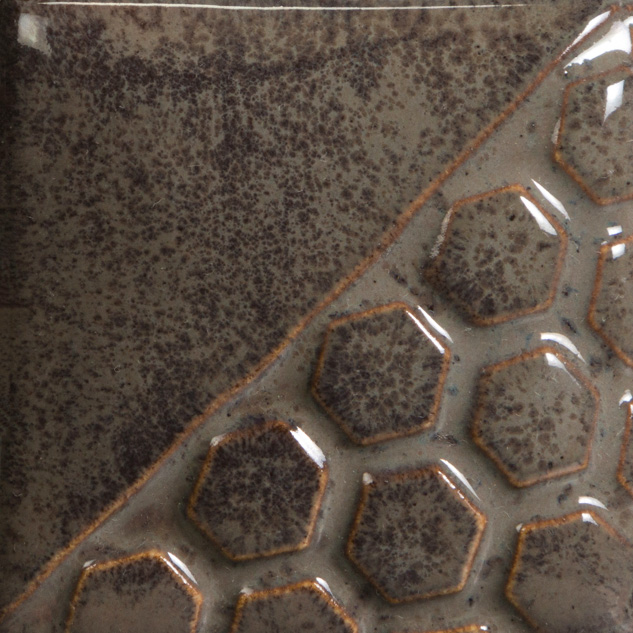
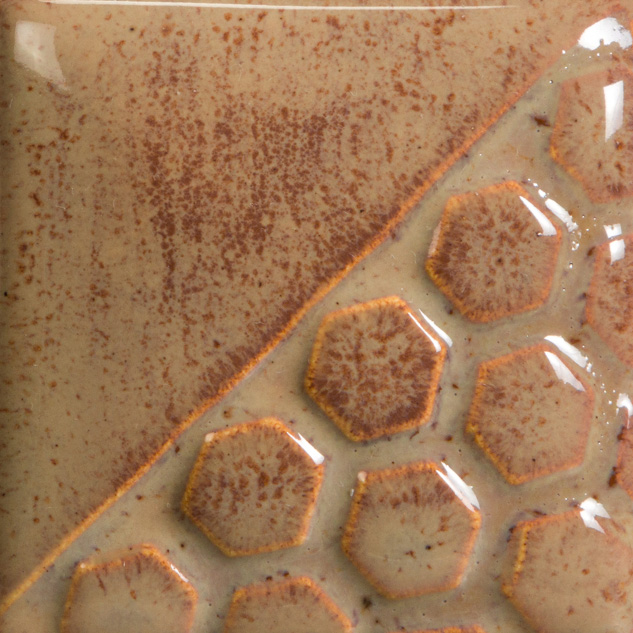
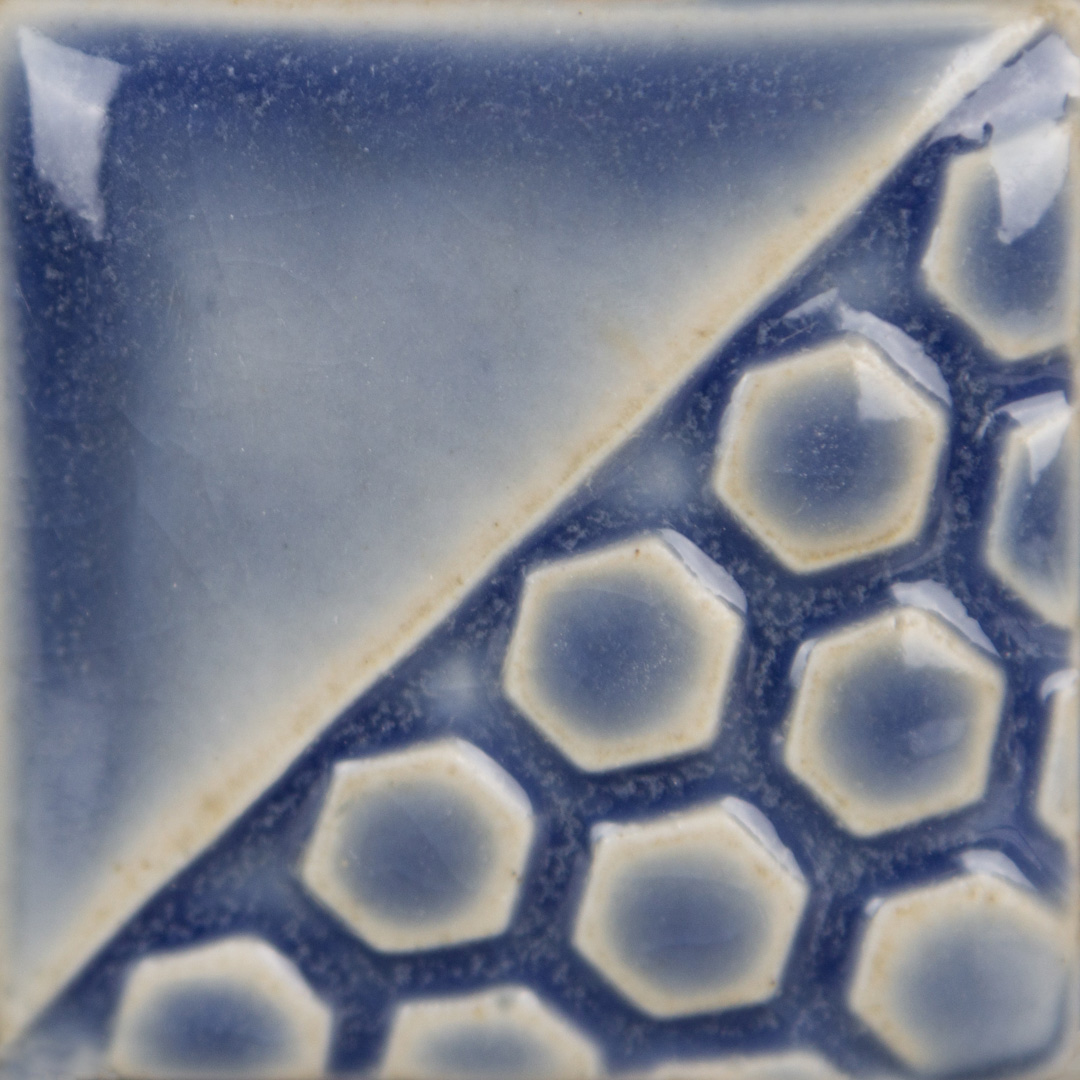
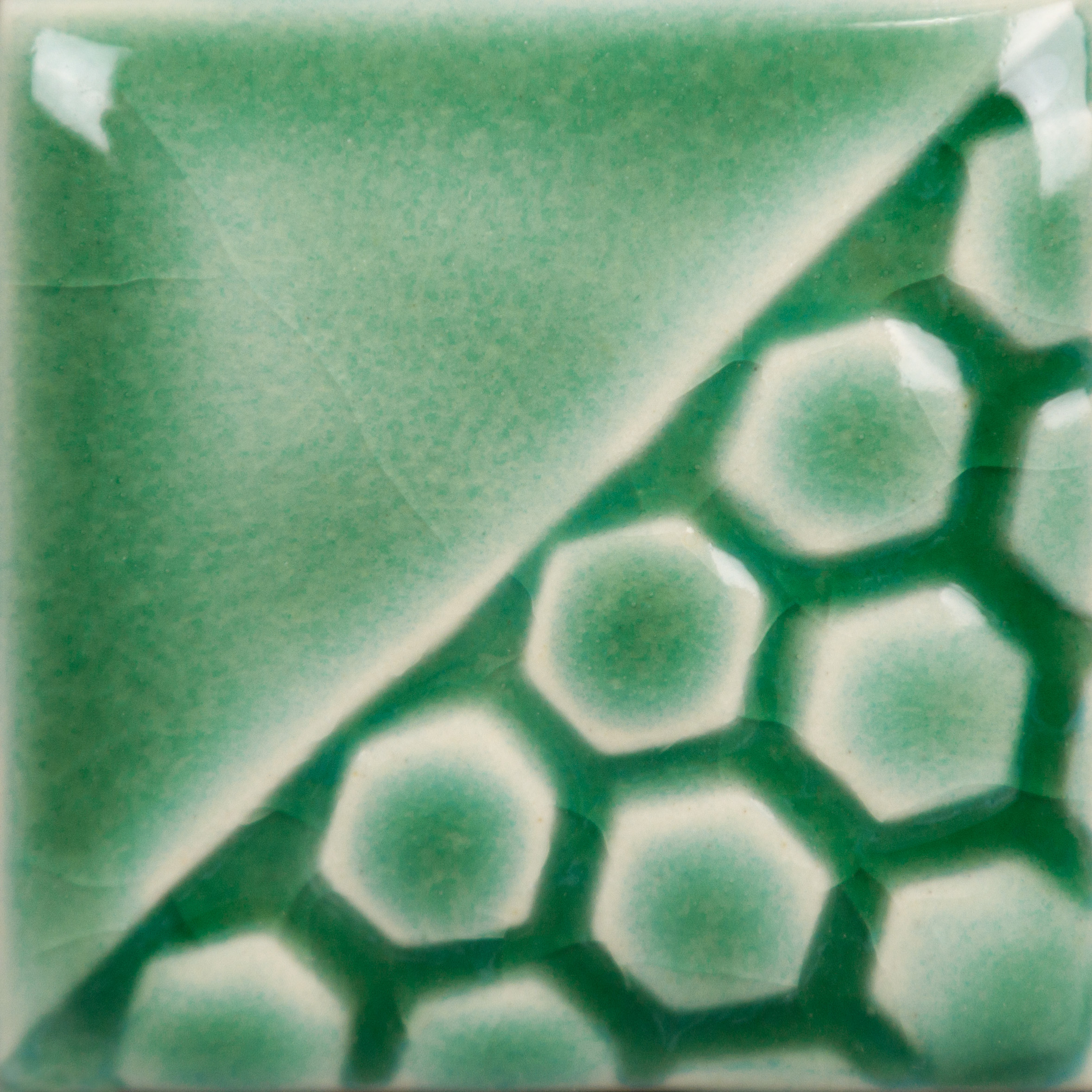
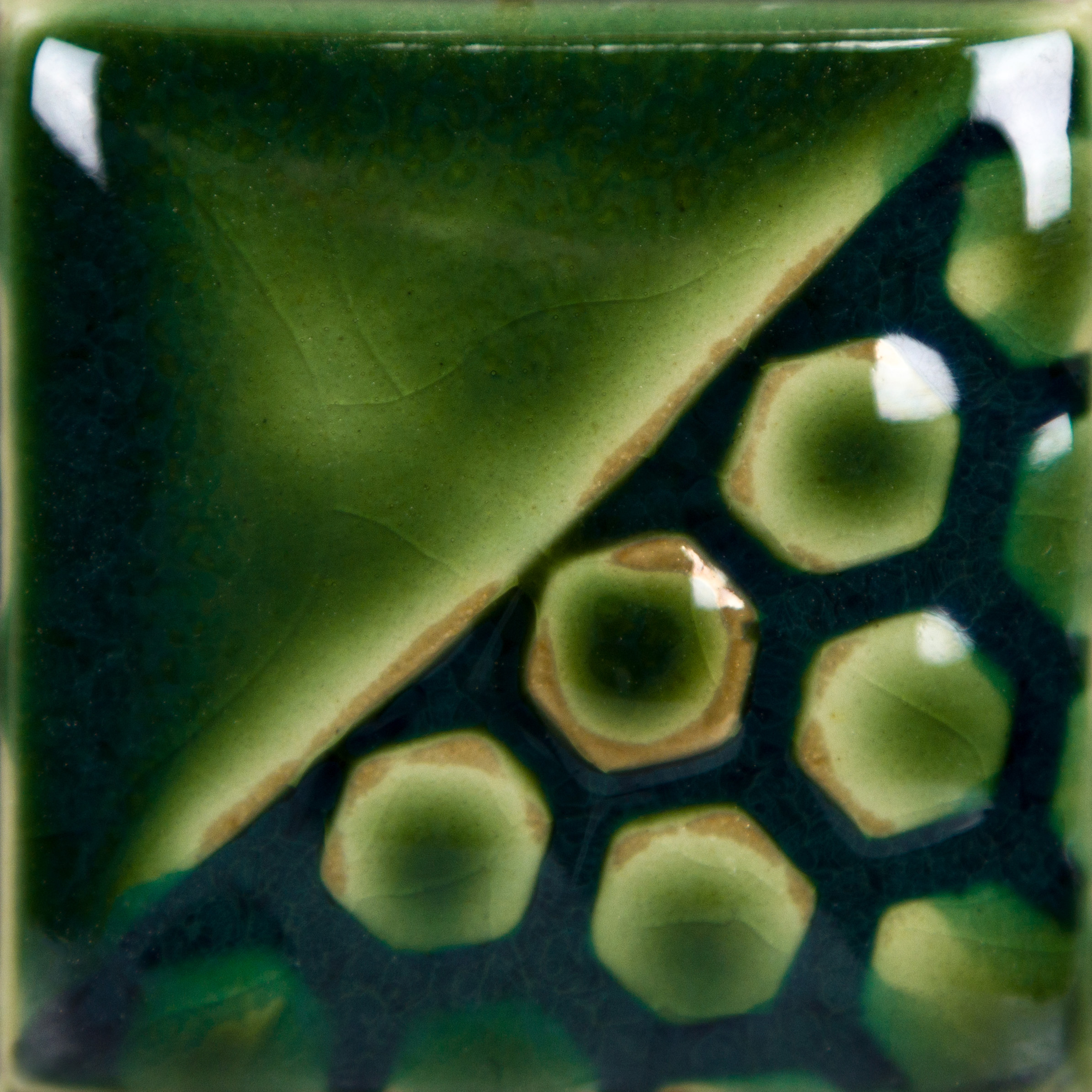
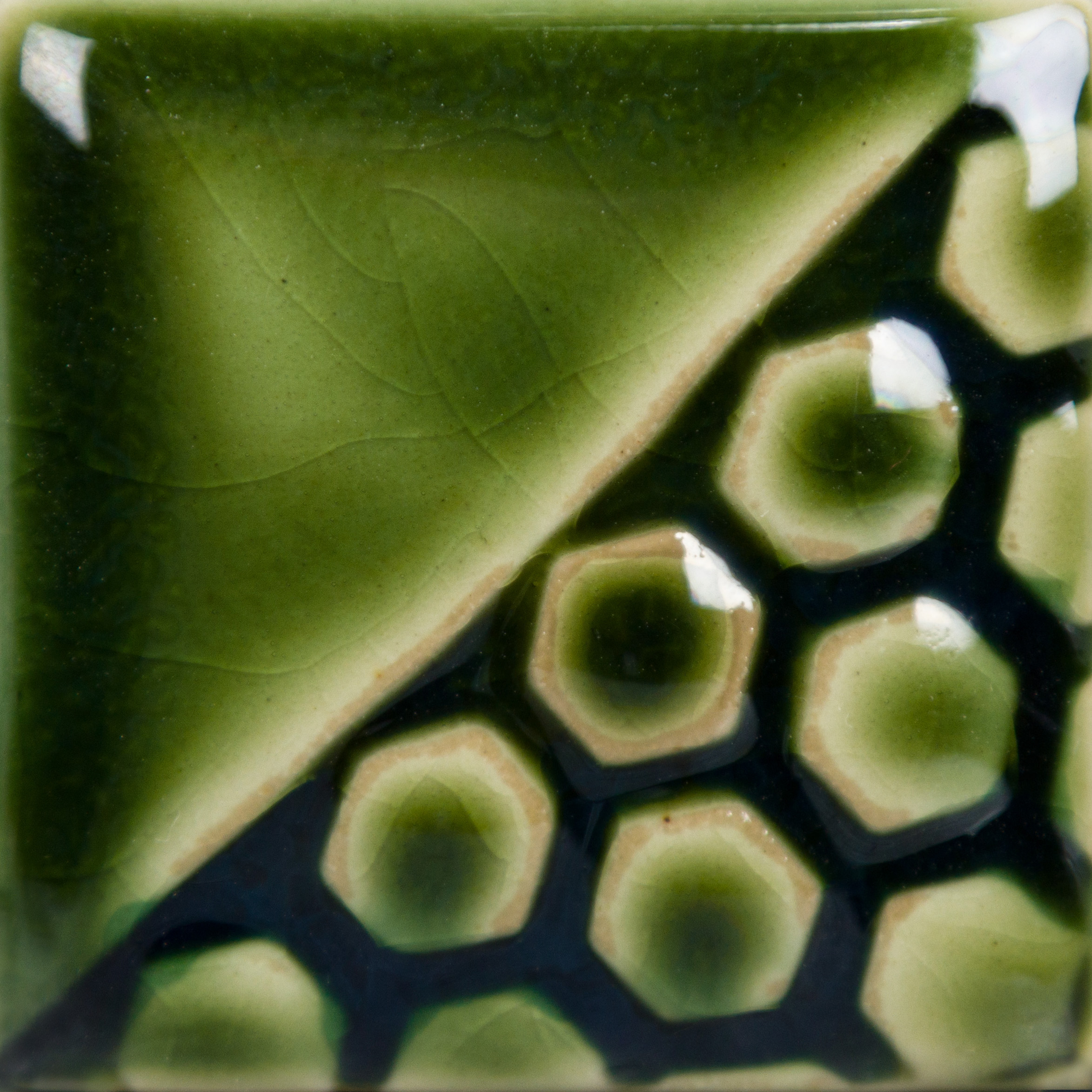
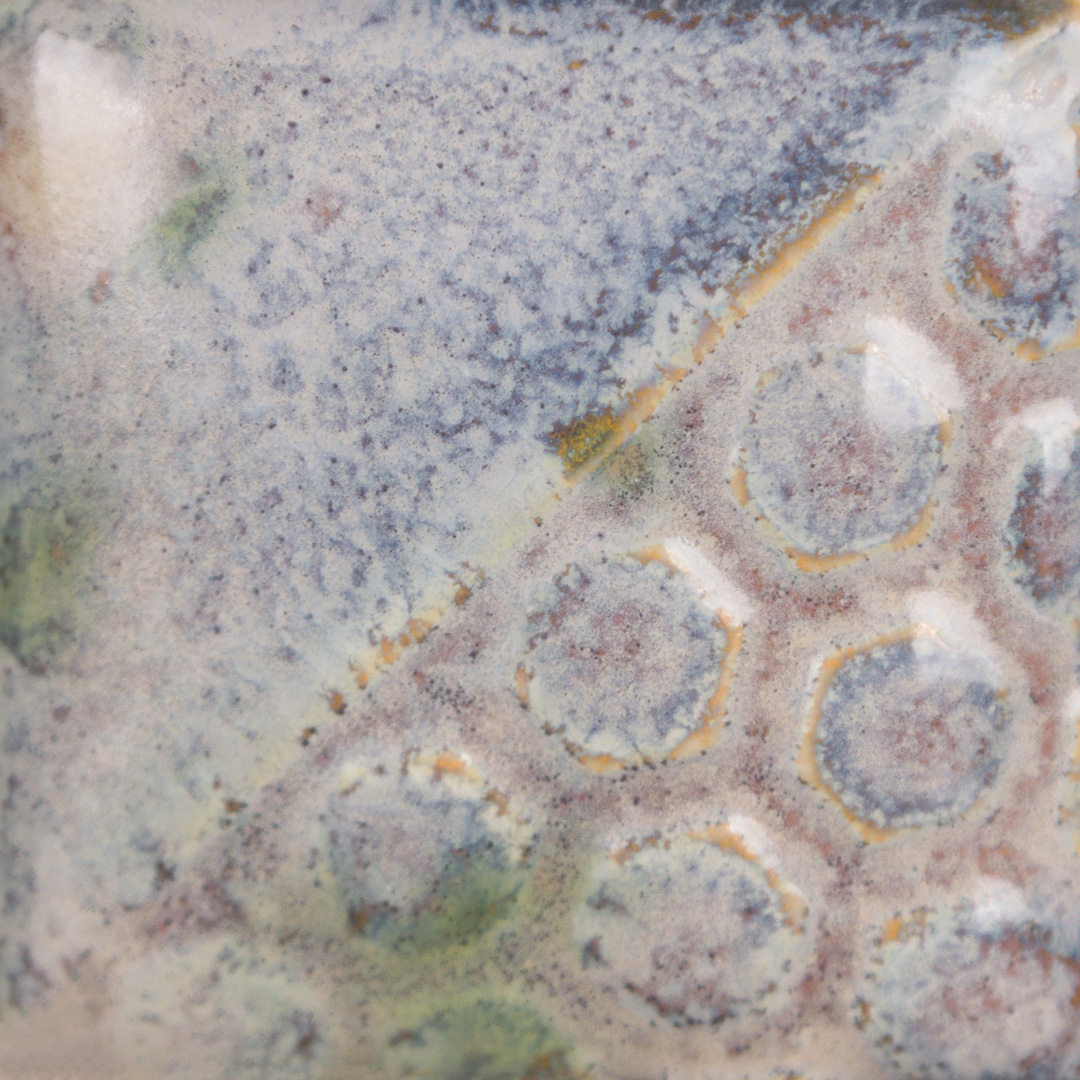
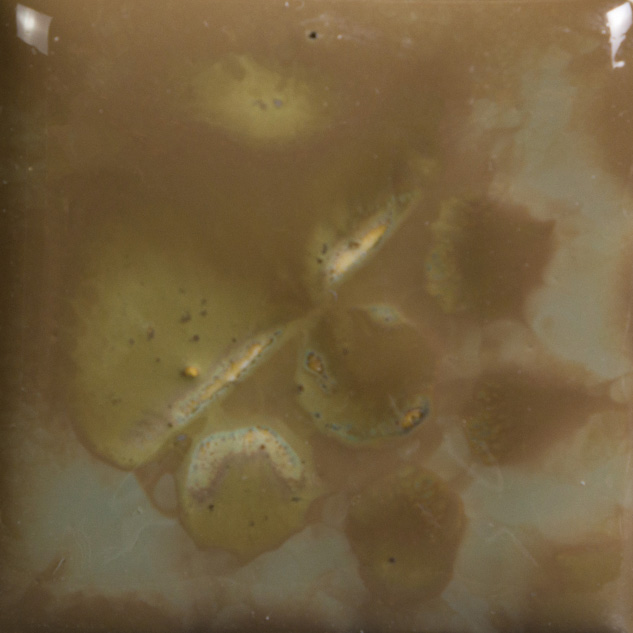
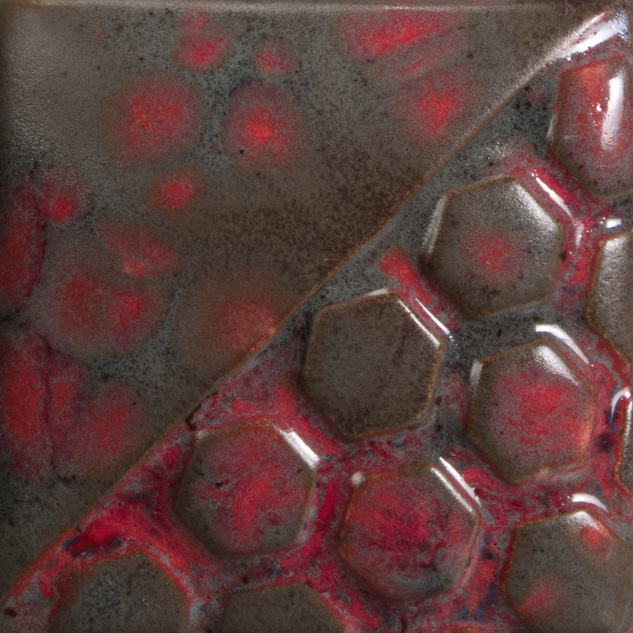
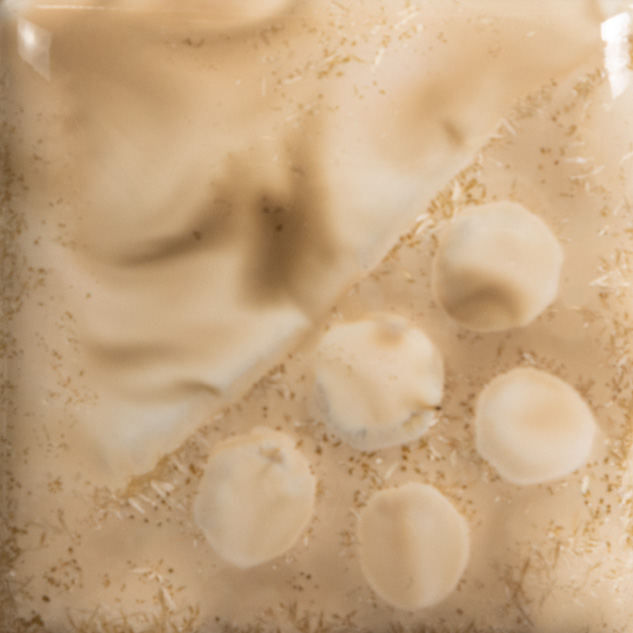
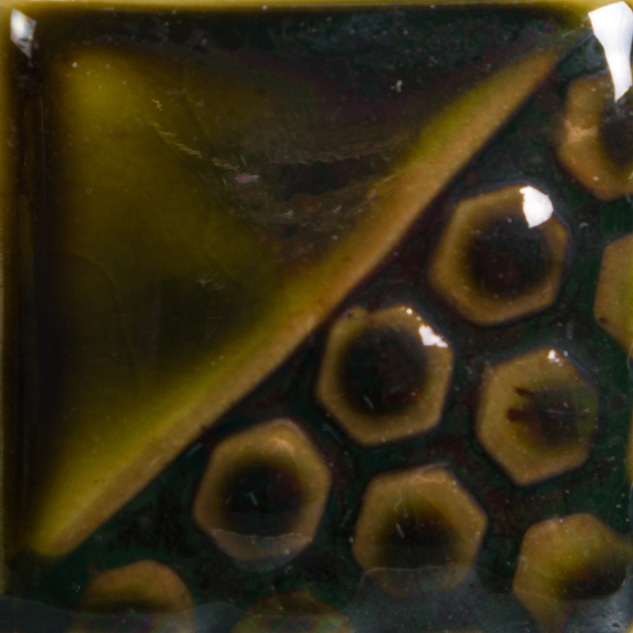
Cone 6 chips have been fired flat in oxidation on white stoneware body.
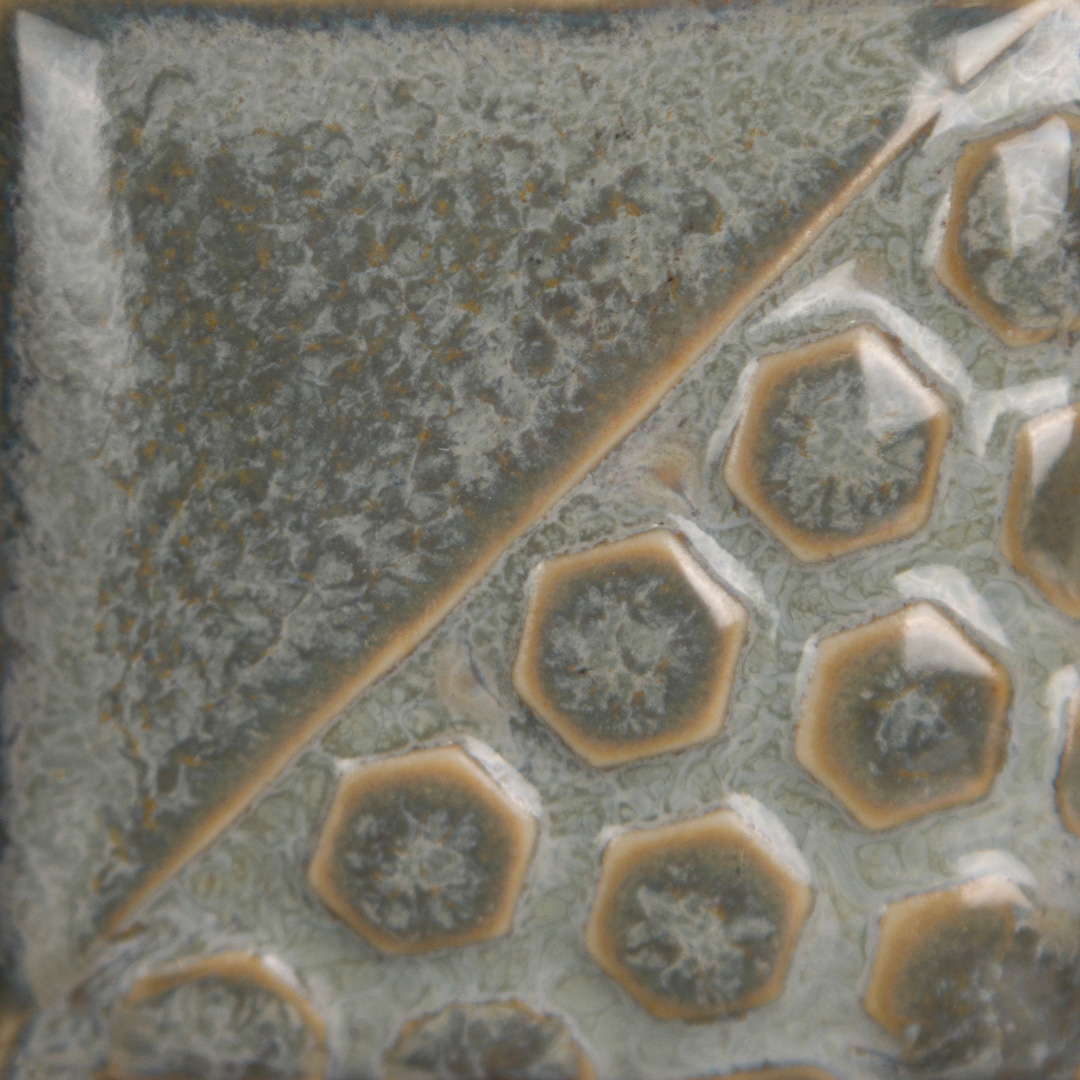
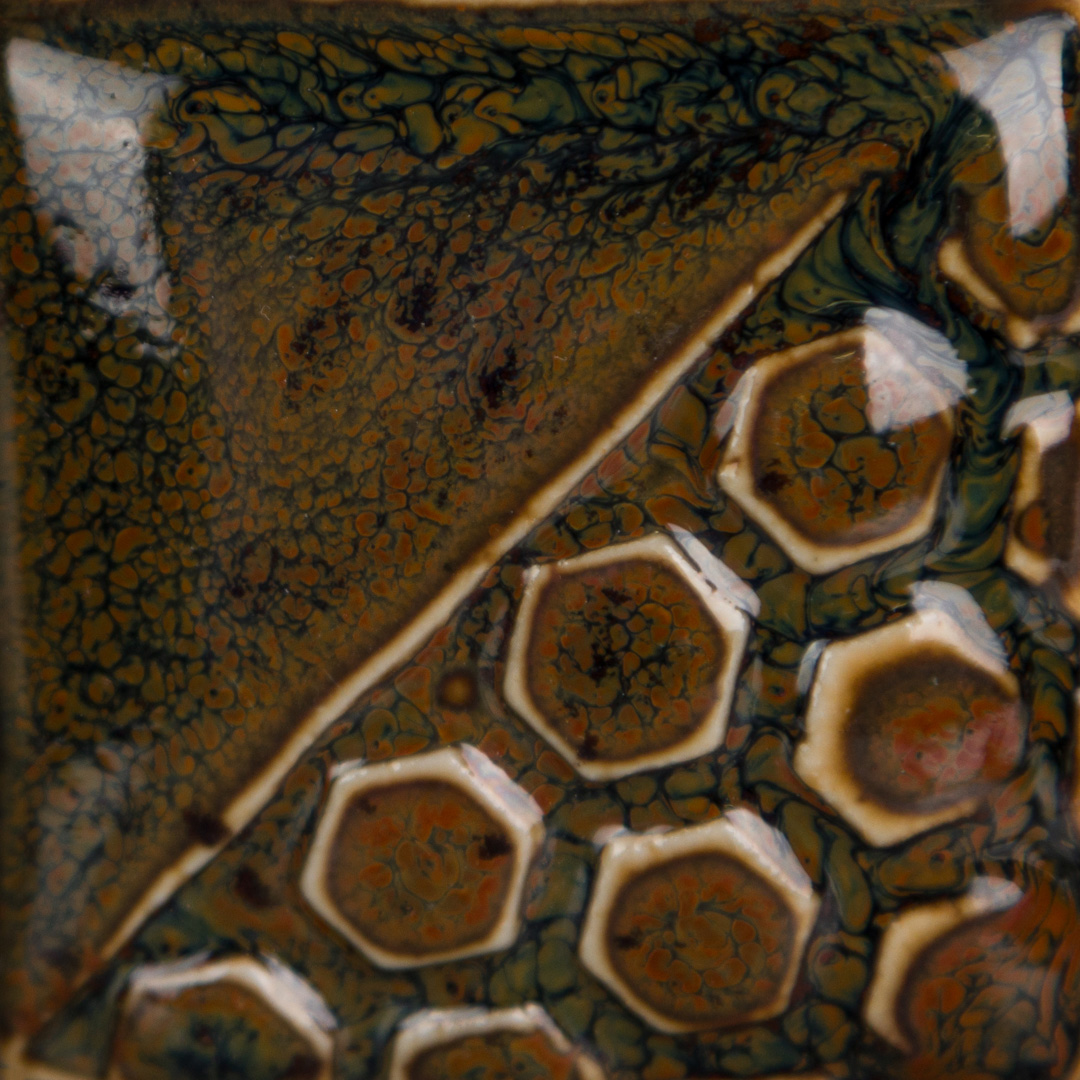
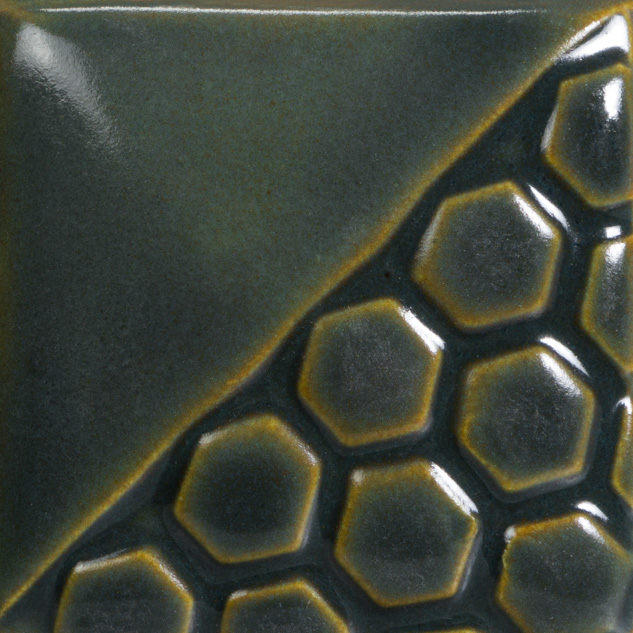
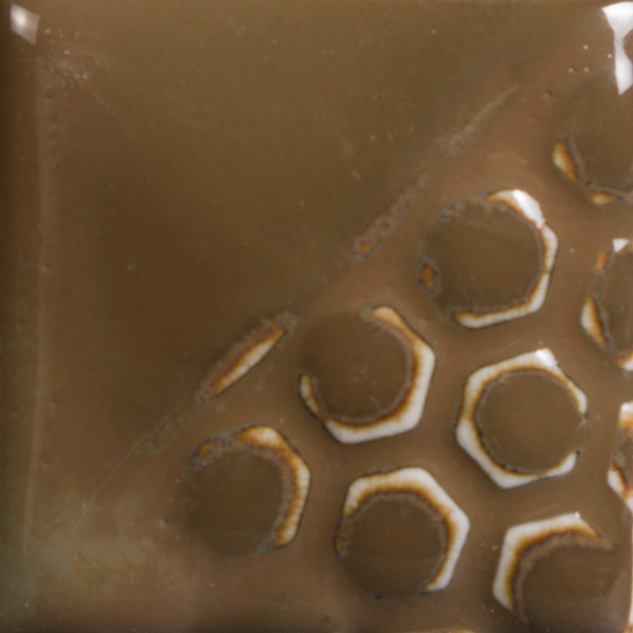
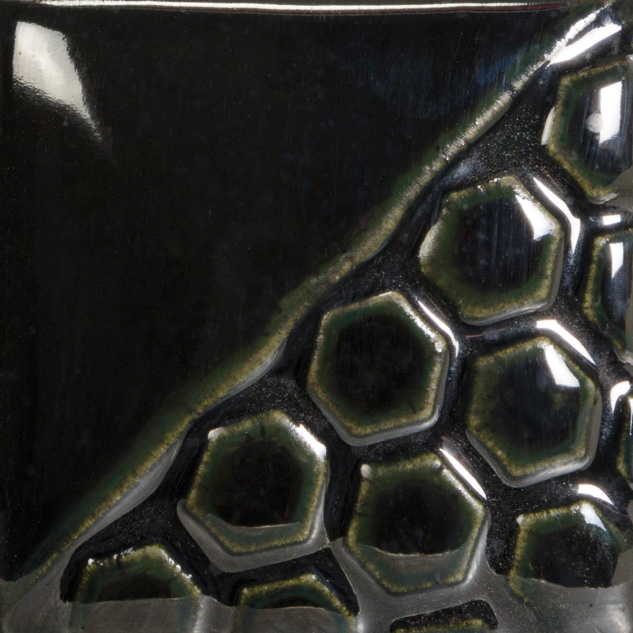
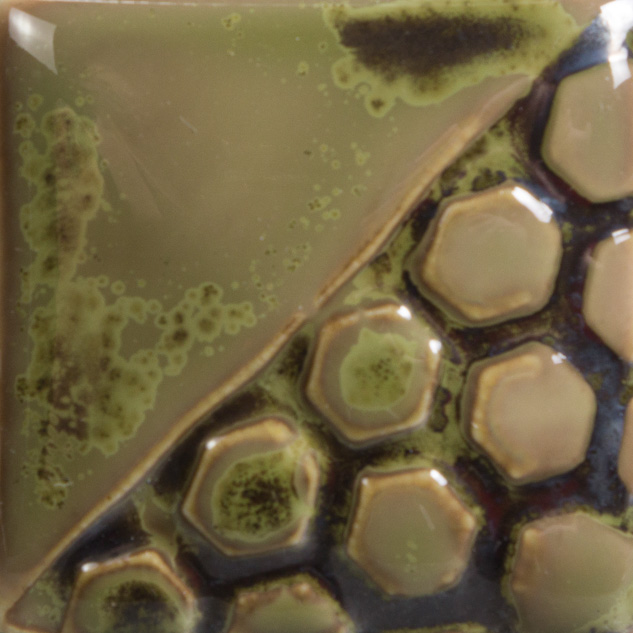
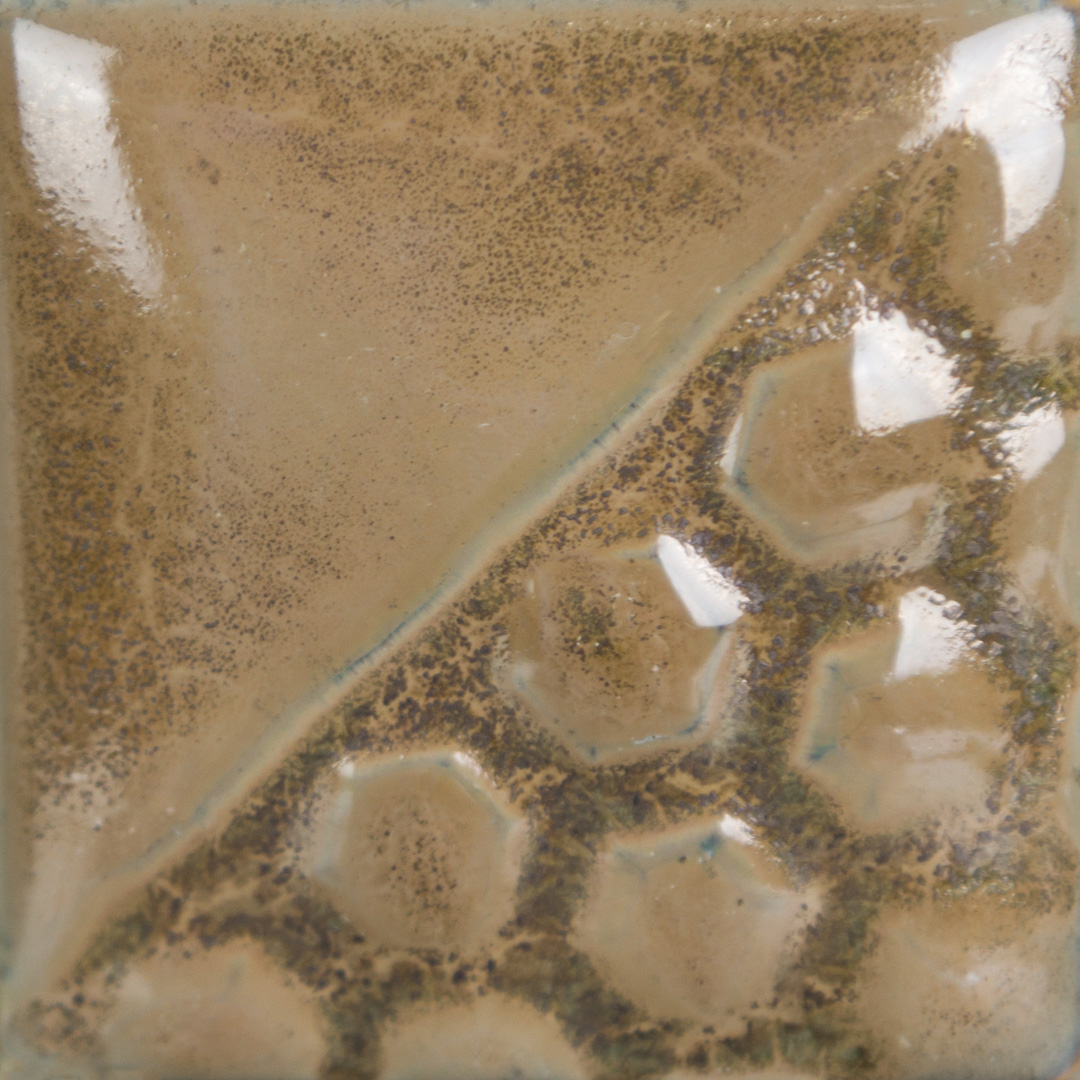
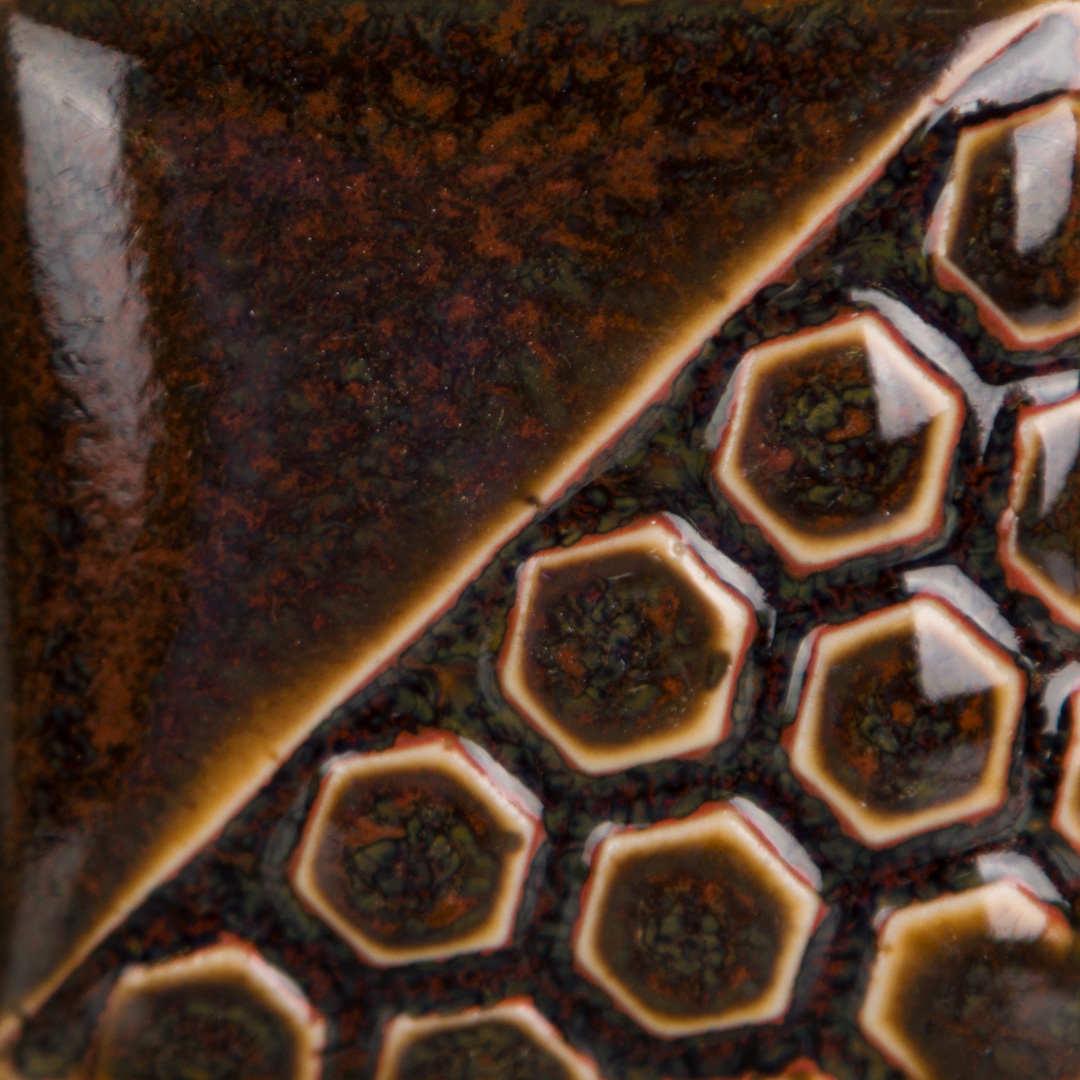
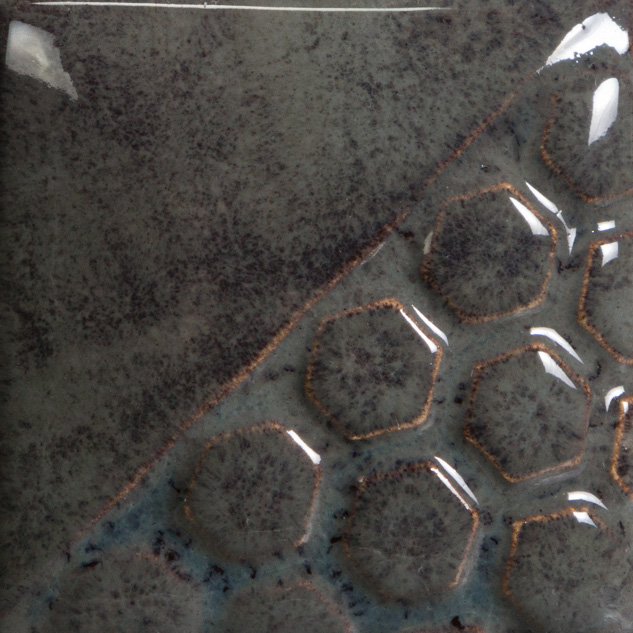
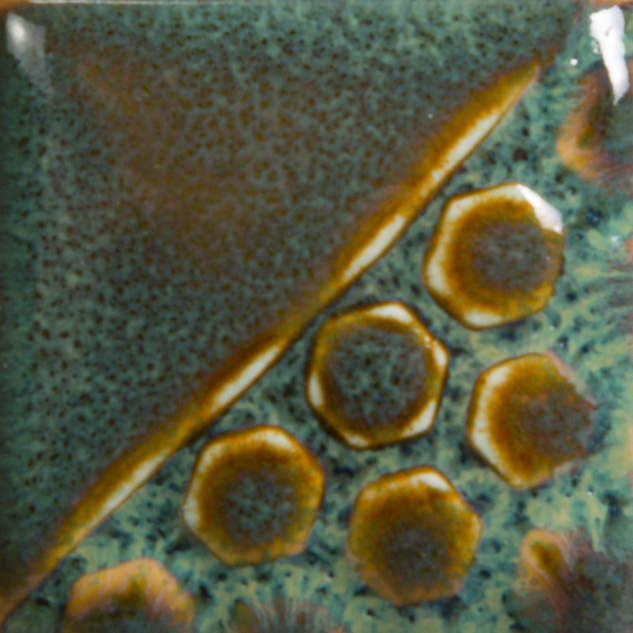
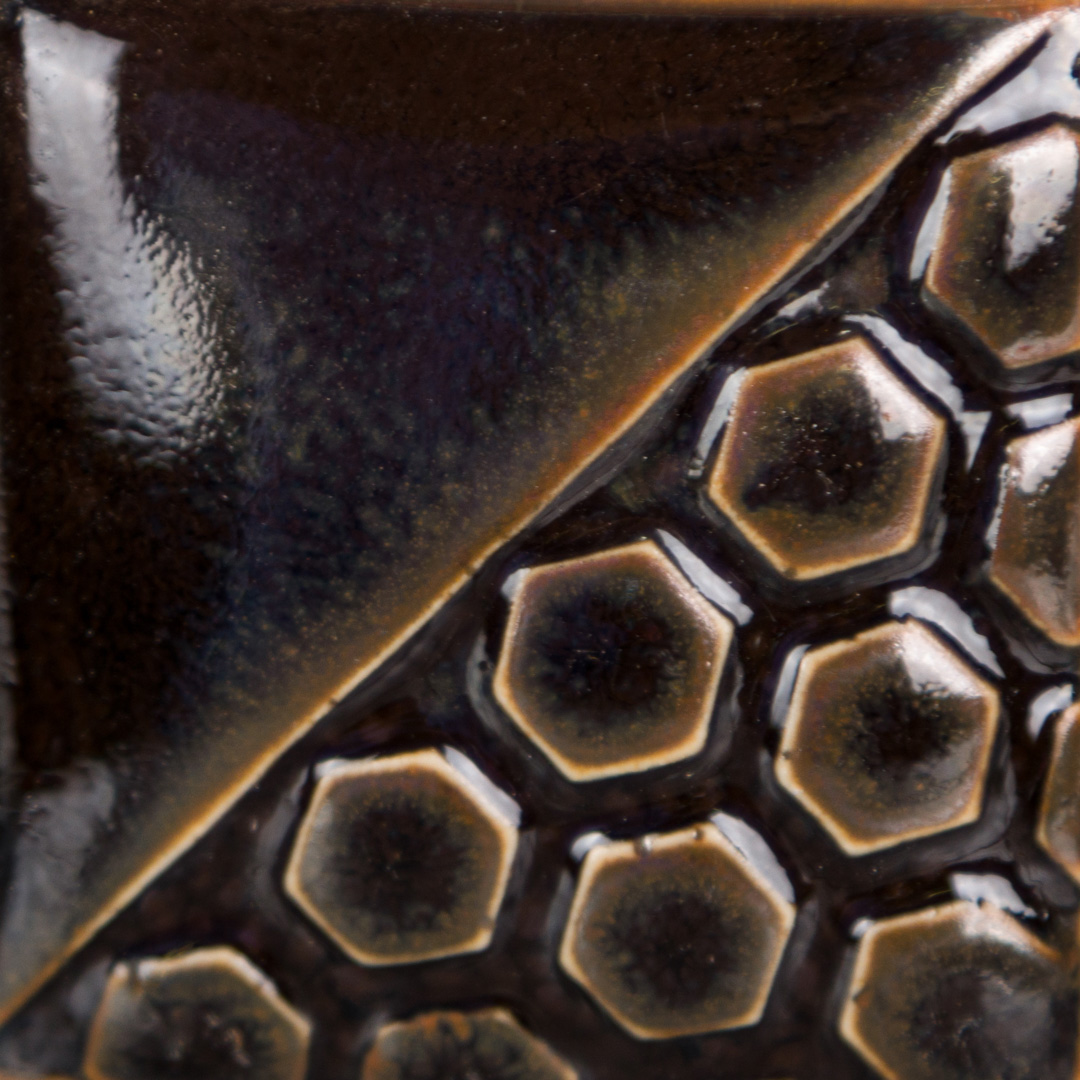
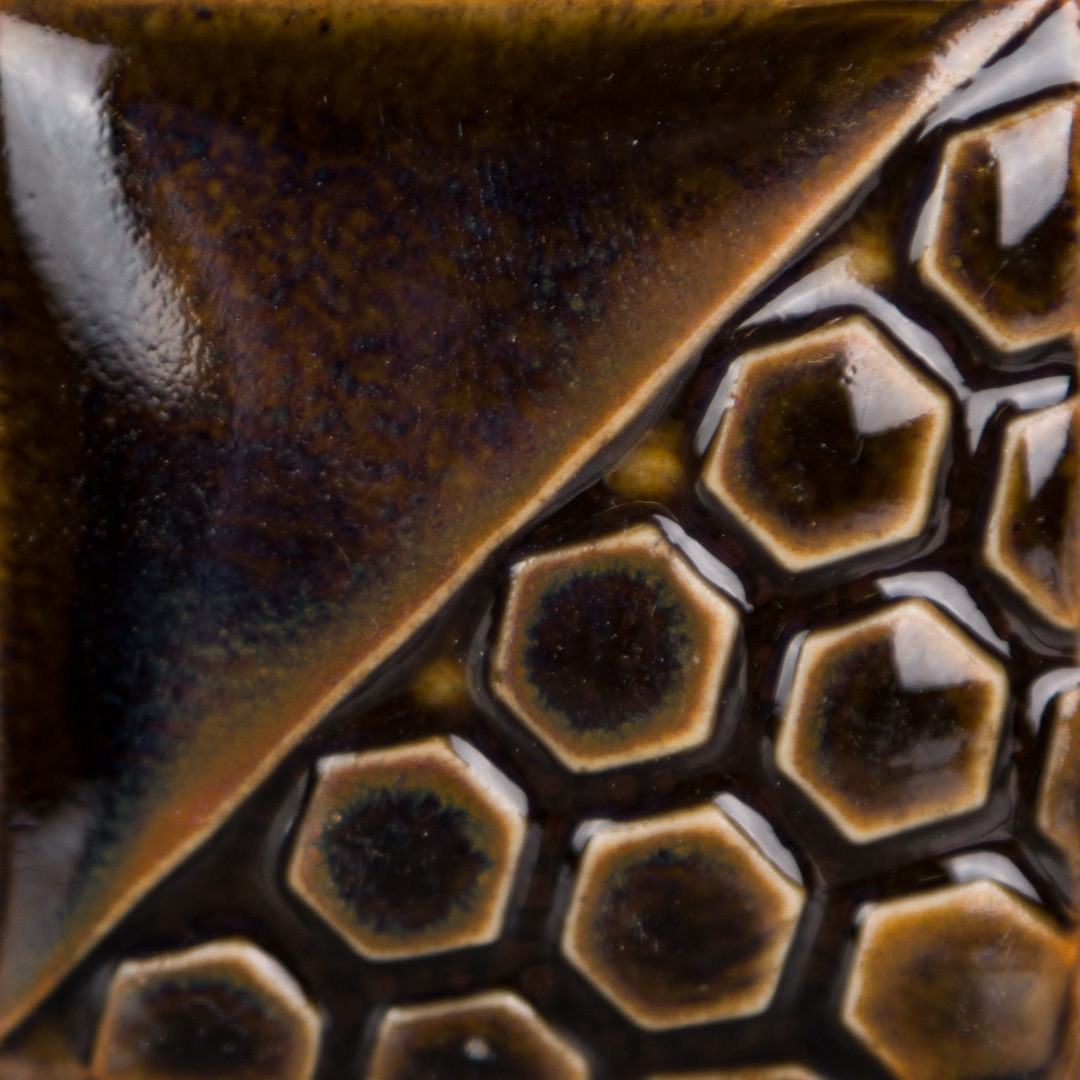
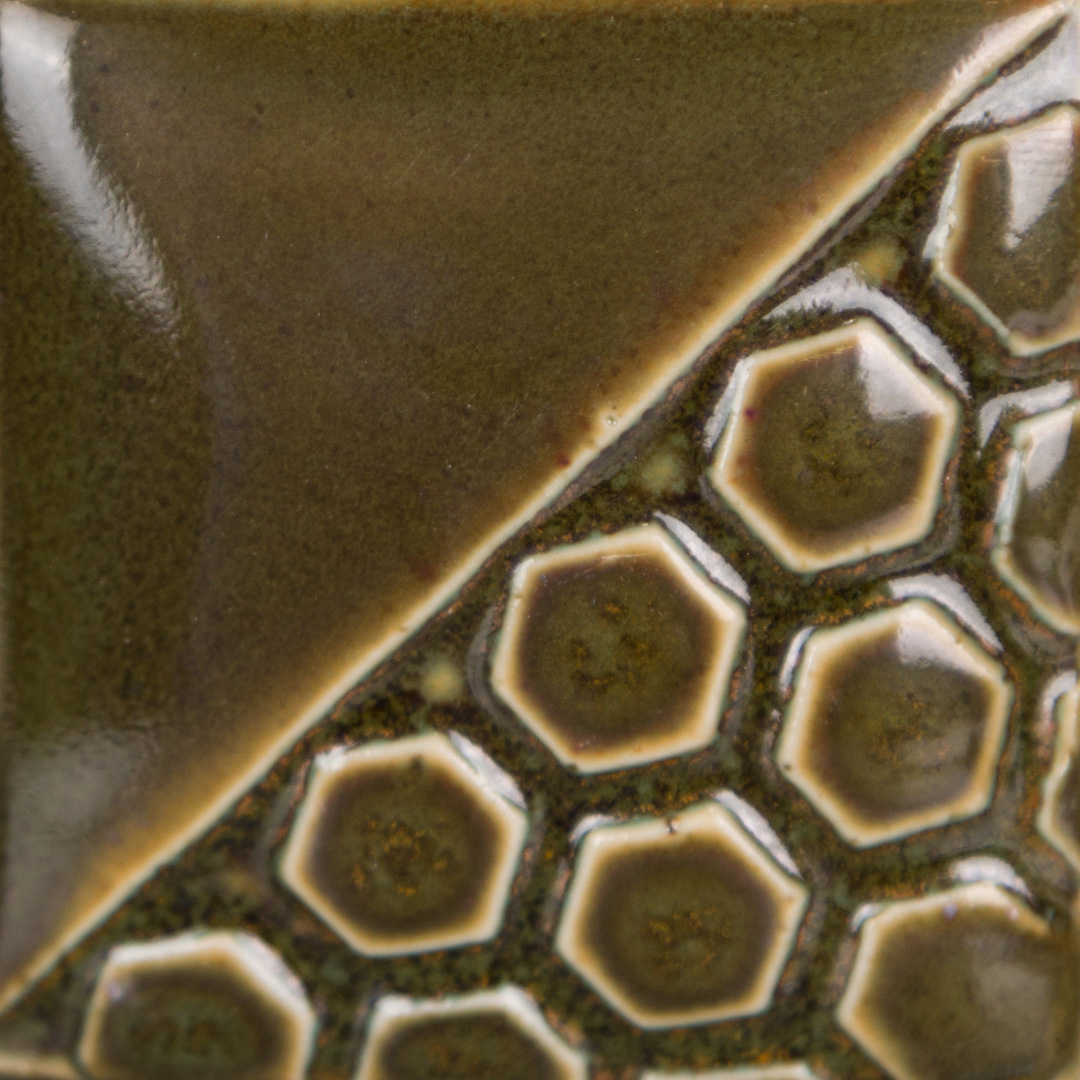
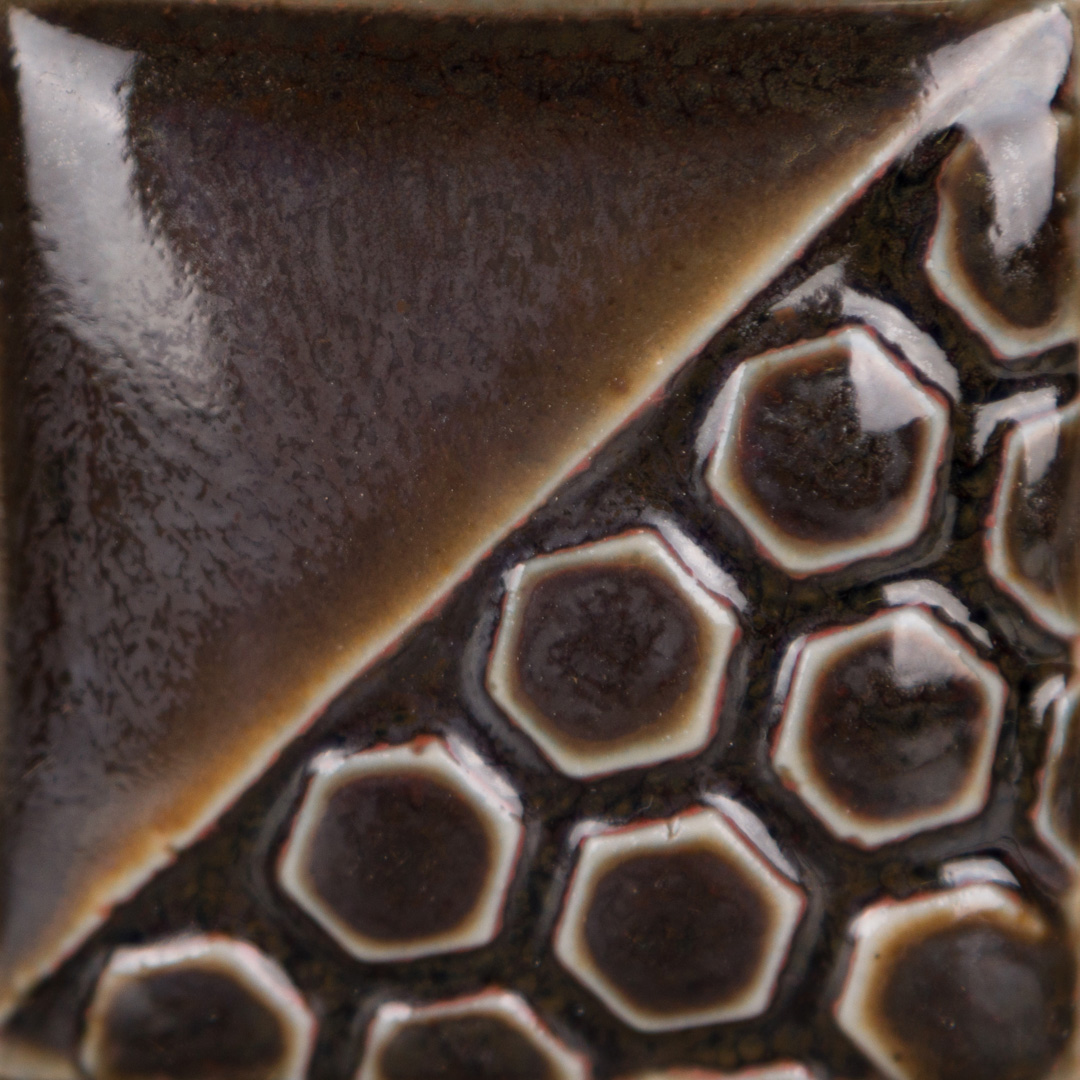
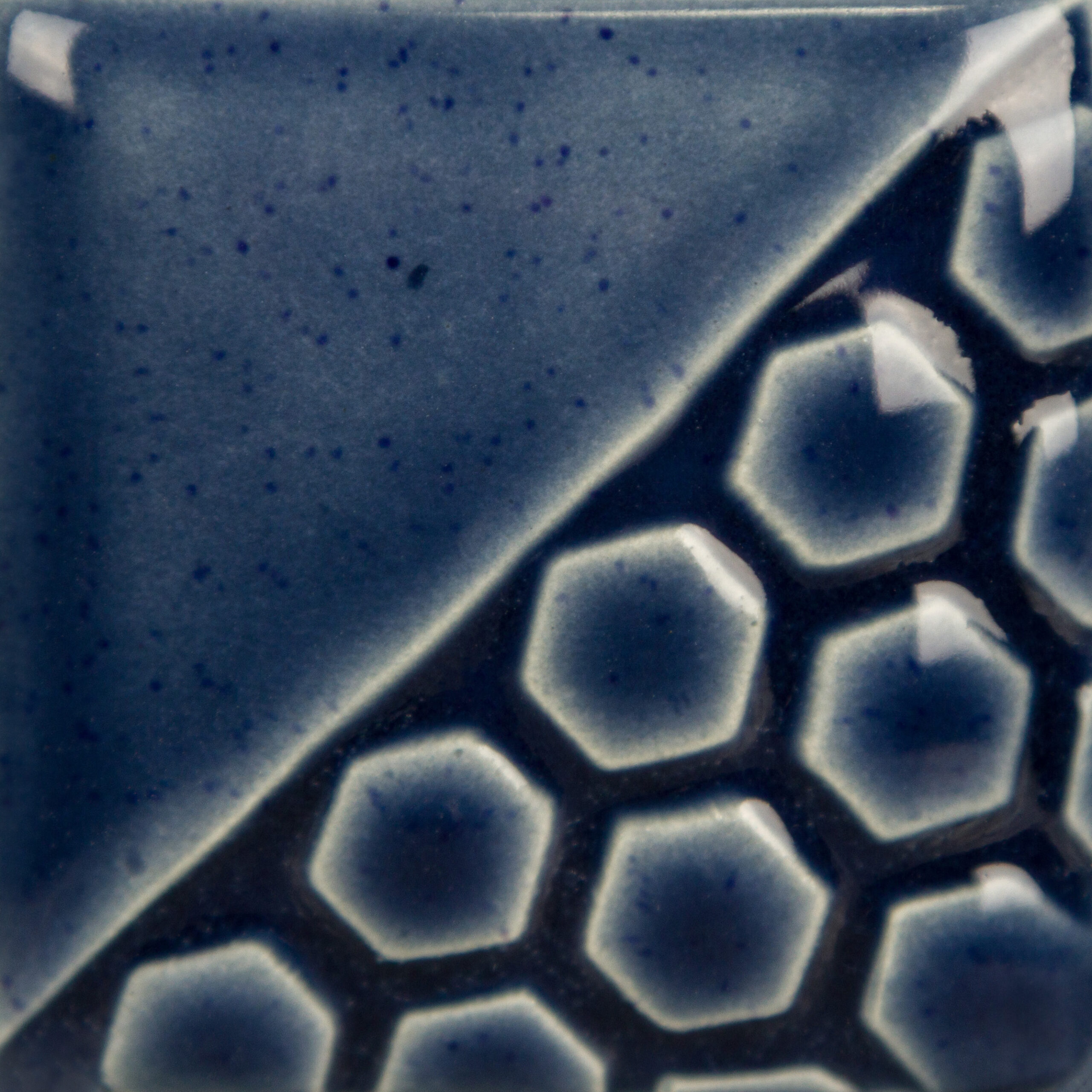
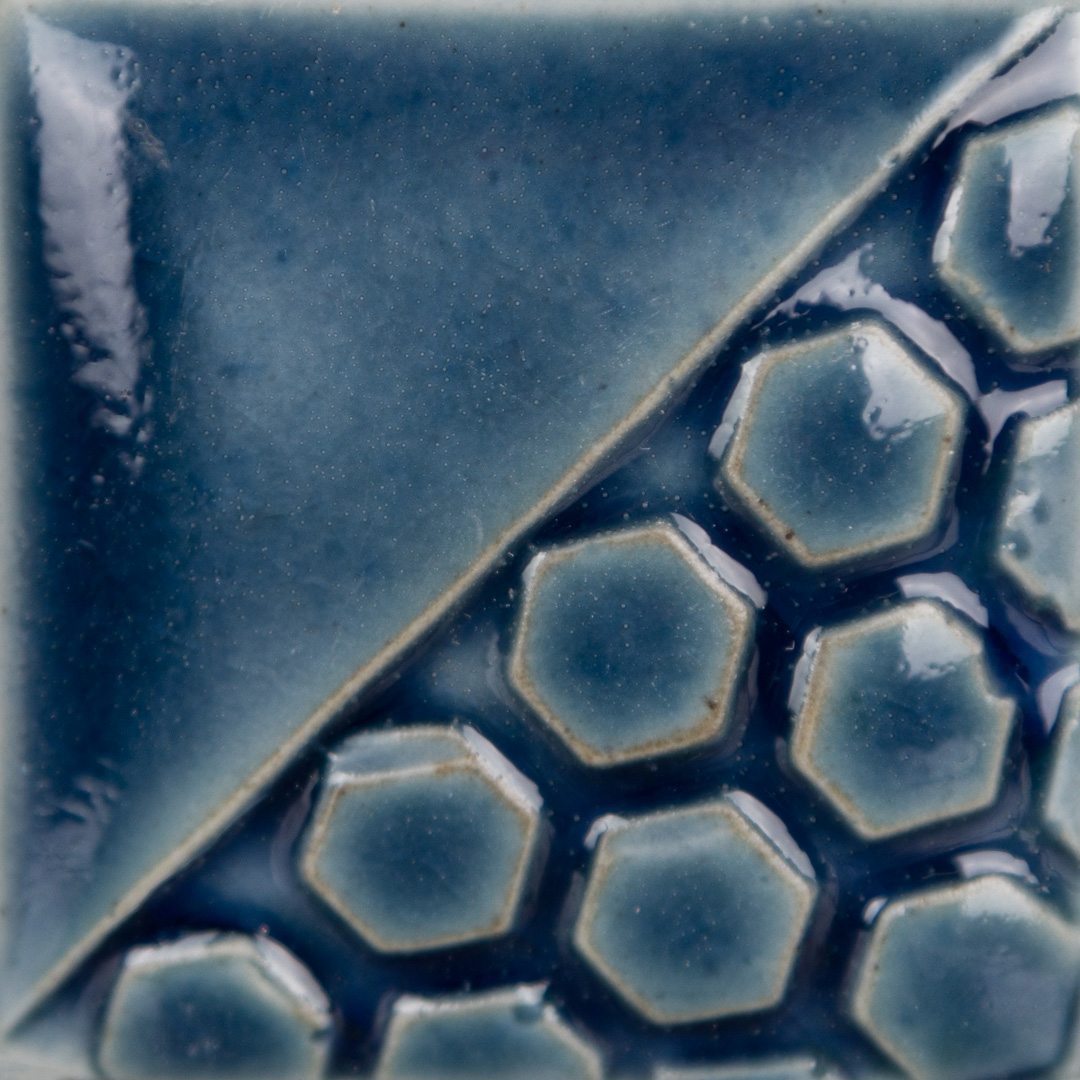
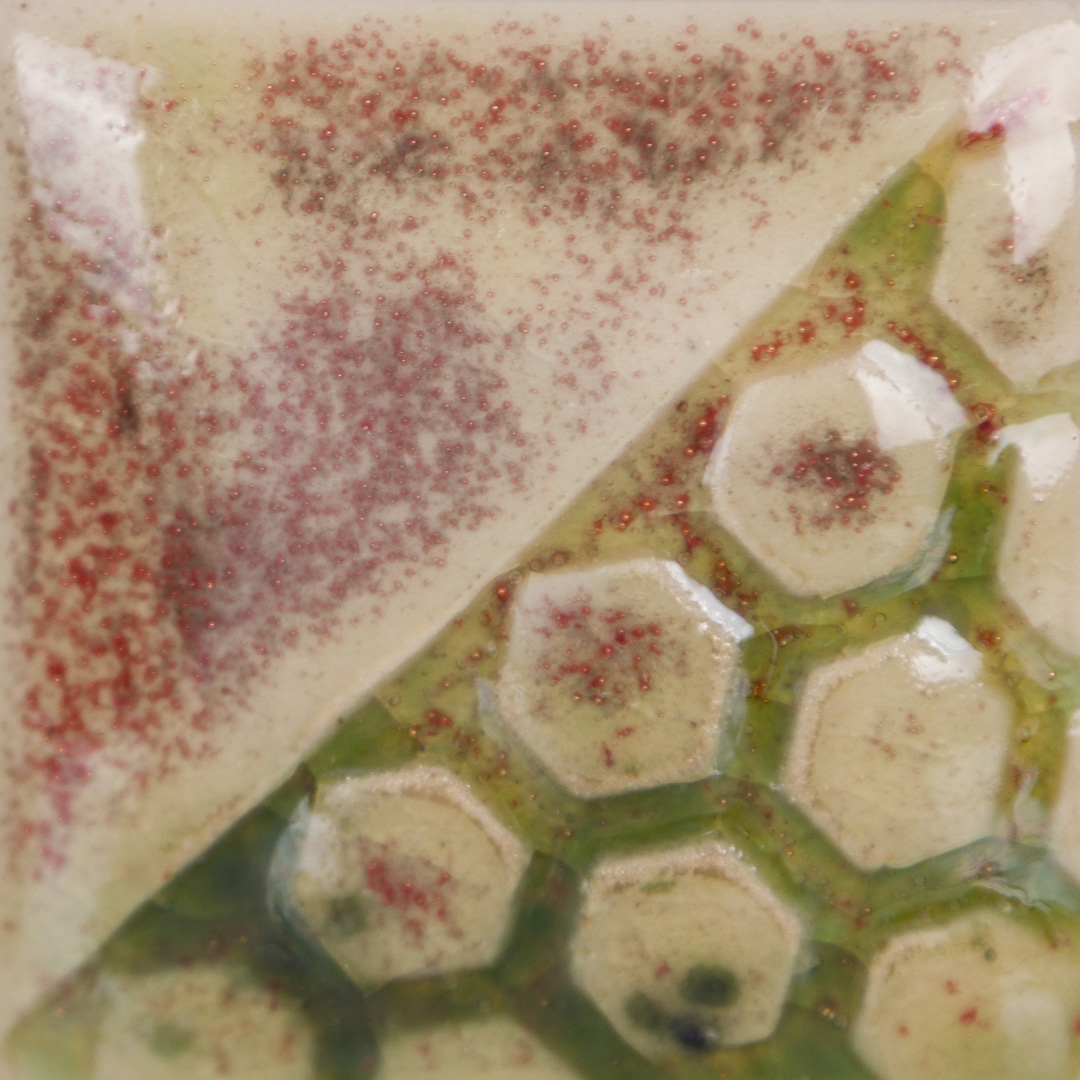
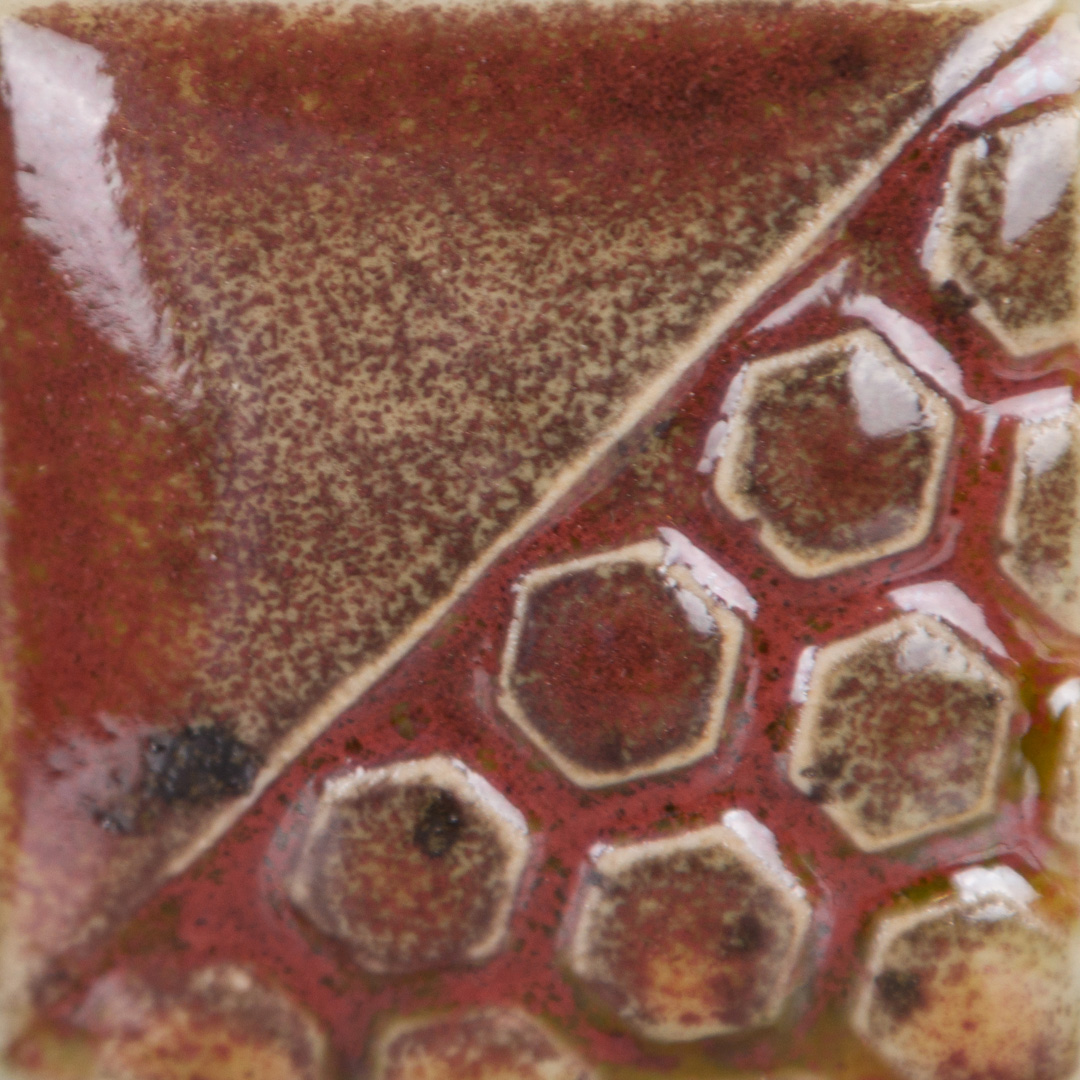
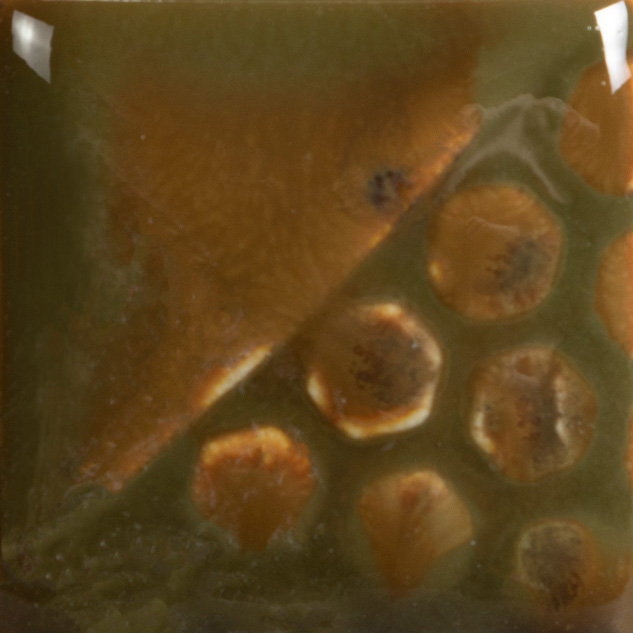
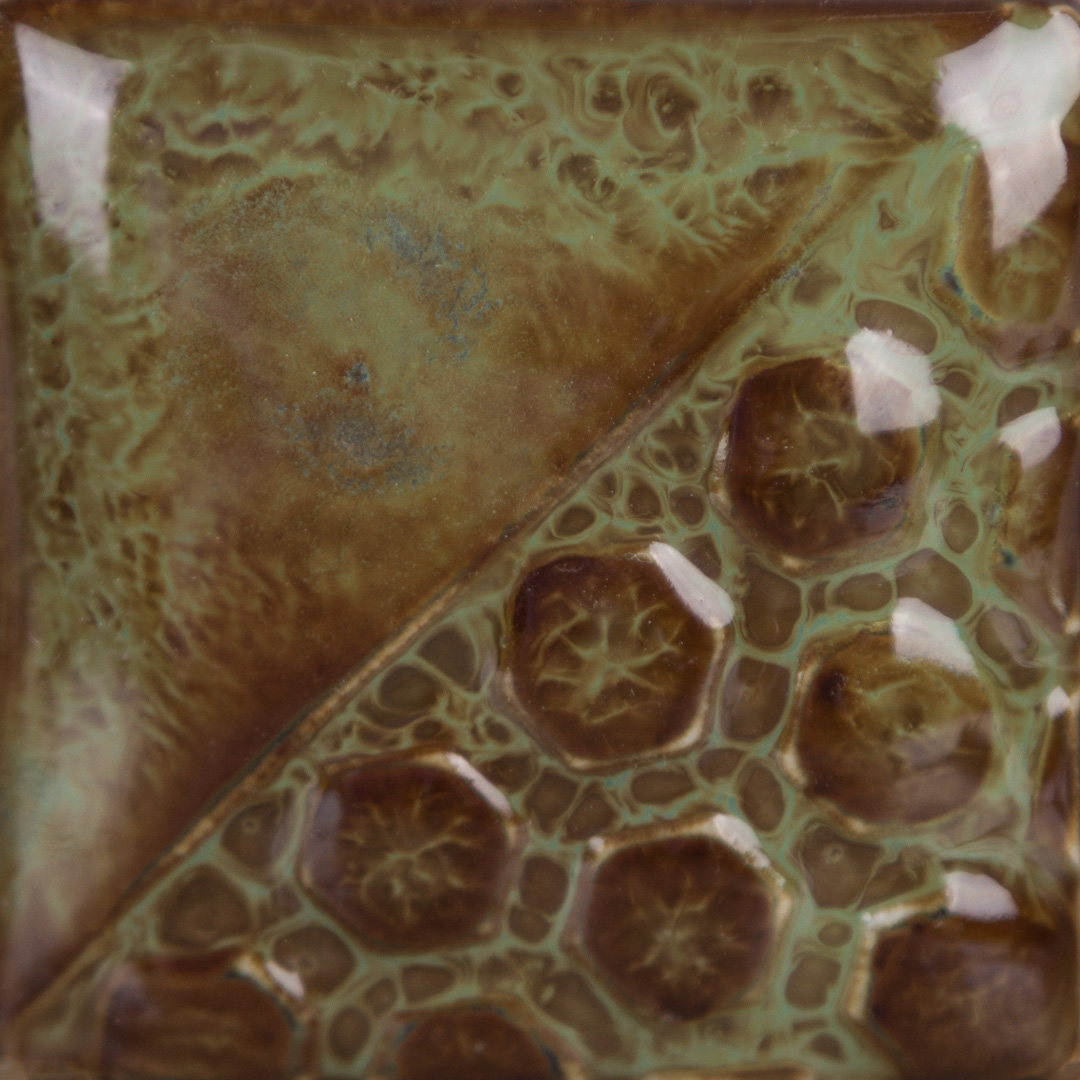
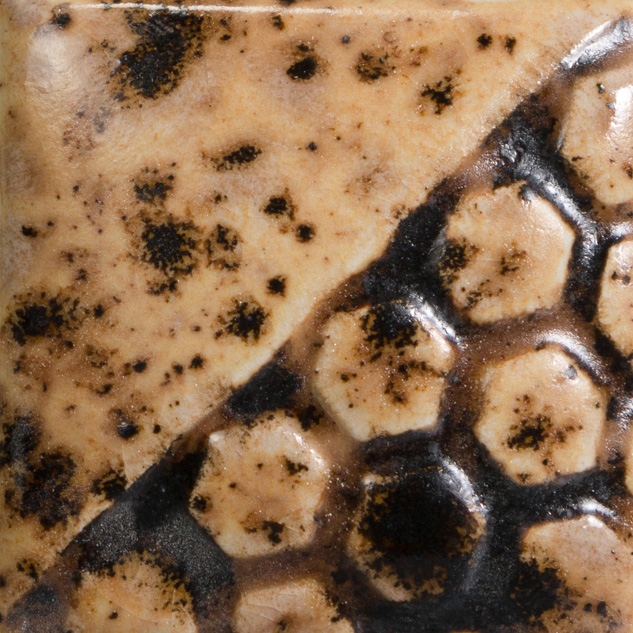
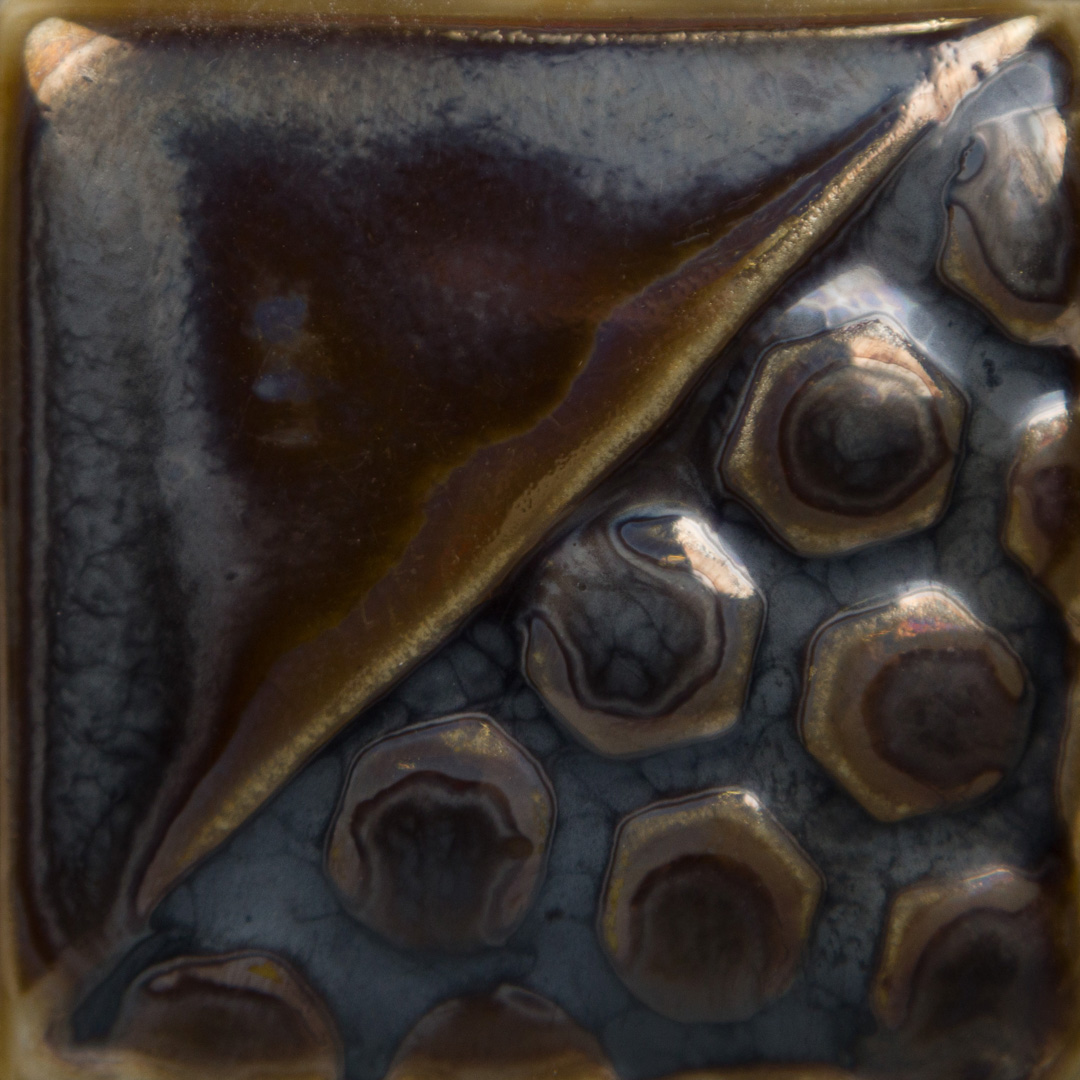
Cone 10 chips have been fired flat in reduction on white stoneware body.
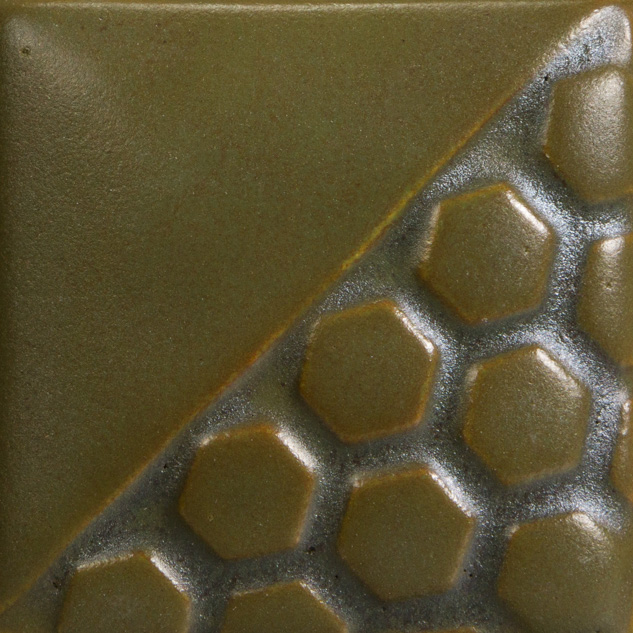
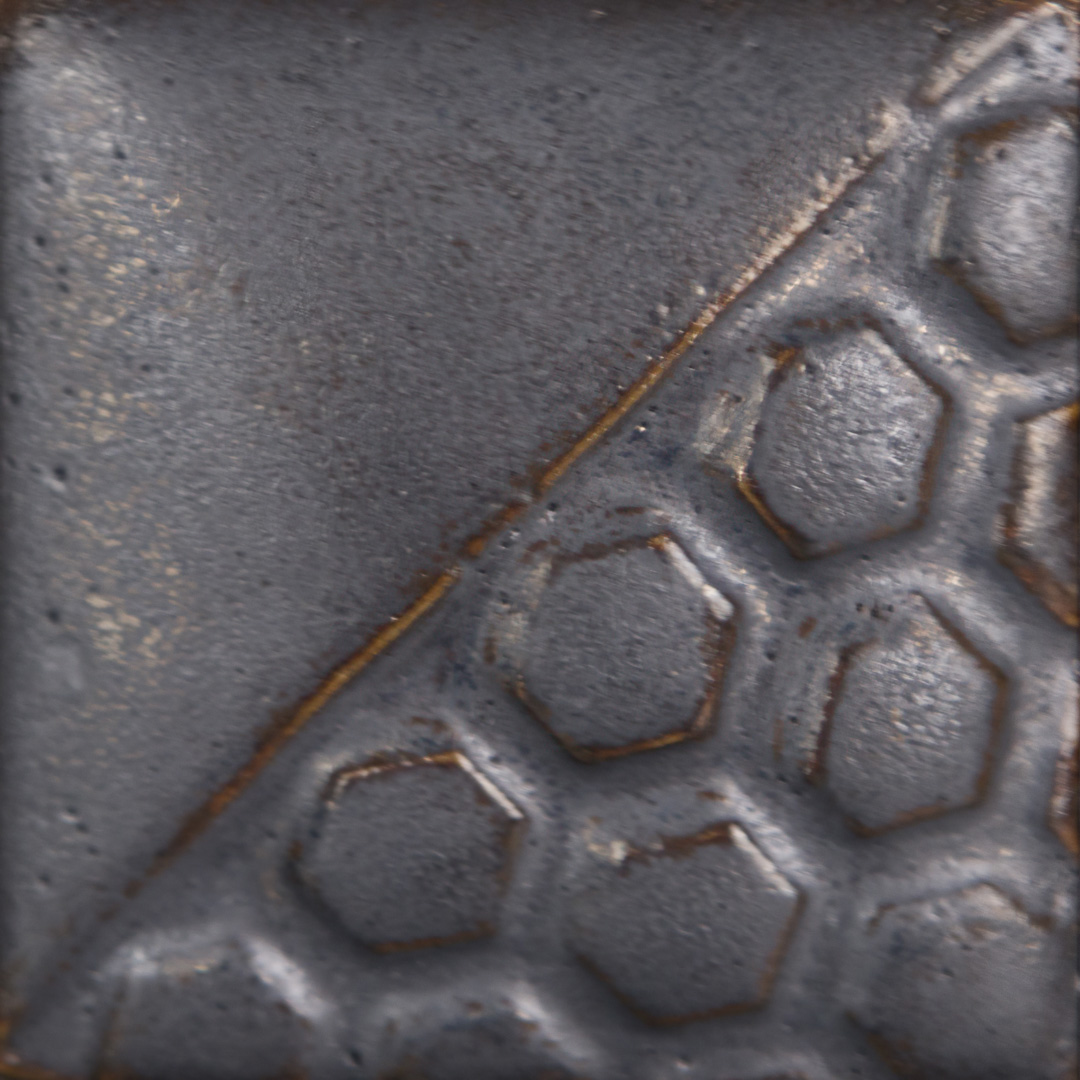
Designed to simulate the aesthetic, movement and interest of mid-range and high fire glazes in a cone 06/05 oxidation kiln firing, Elements™ and Elements™ Chunkies give artists a wide variety of options in one product, as glaze application, firing temperature and shape will influence the outcome of finished work. Elements™ are a two-tone glaze with a main color and a secondary color called a float. When Elements™ are applied to detail pieces, the float color will appear in the crevices. Application and firing will also affect the outcome of main color or float.
Elements™ and Elements™ Chunkies vary from gloss to matte, with subtle variations occurring in each color.
Shake for five to six seconds before use. Dispense glaze onto a palette (tile, plate, etc.) and apply with a soft brush or decorating accessory of choice (sponge, stamp, etc.). Dipping your brush directly into the jar may contaminate the jar’s contents, especially if you are using other glazes. Apply three to four coats to your piece. When applying them over a large surface area, we recommend a broad, soft fan brush.
Moisten the brush with water first. The brush fully saturated (loaded) and each coat applied in the same direction. When the wet look has gone from the first coat, you may apply the next coat of glaze. Be sure the glaze has dried thoroughly prior to firing. A medium ramp/firing rate is recommended (250°F per hour) at shelf cone 06.


Some Elements™ glazes are not to be recommended for dinnerware produced from low fire earthenware clay bodies as these glazes can exhibit surface textures such as cracks and crevices. While the glazed surface may pass lead & cadmium leach tests, and therefore legally considered Food Safe, attempts to adequately clean the textured surface may cause the underlying porous ware to absorb water and fail. Elements™ glazes may be considered dinnerware safe if surface texture is eliminated when firing to mid-range or high fire temperatures. The key is recommended usage for low fire (earthenware cone 05/06) dinnerware. Glazes with surface texture applied to vitrified clay bodies do not have the same concern.
View the complete list of ACMI & Dinnerware Safe ratings for Elements™.
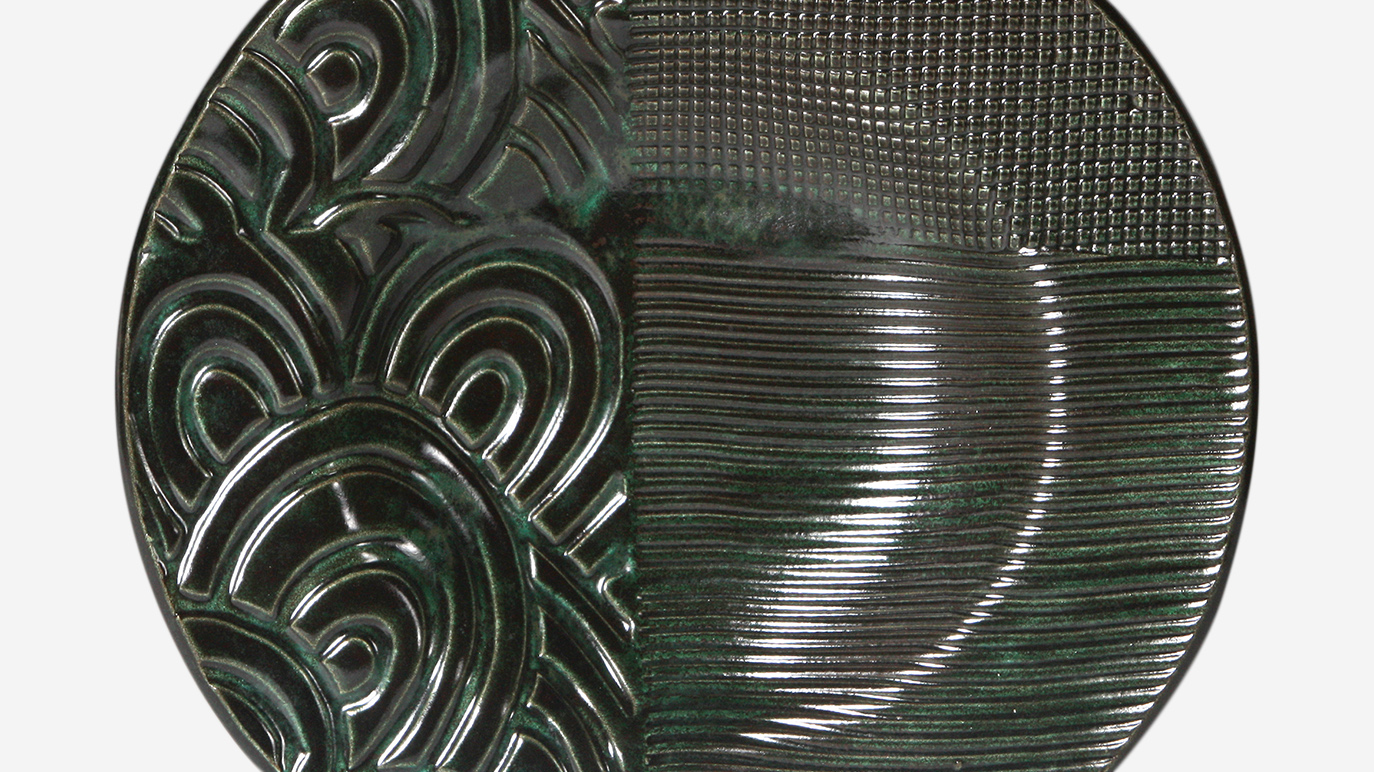
Elements™ are stunning on their own. Vary the number of coats and ware used to achieve different variations of one glaze.
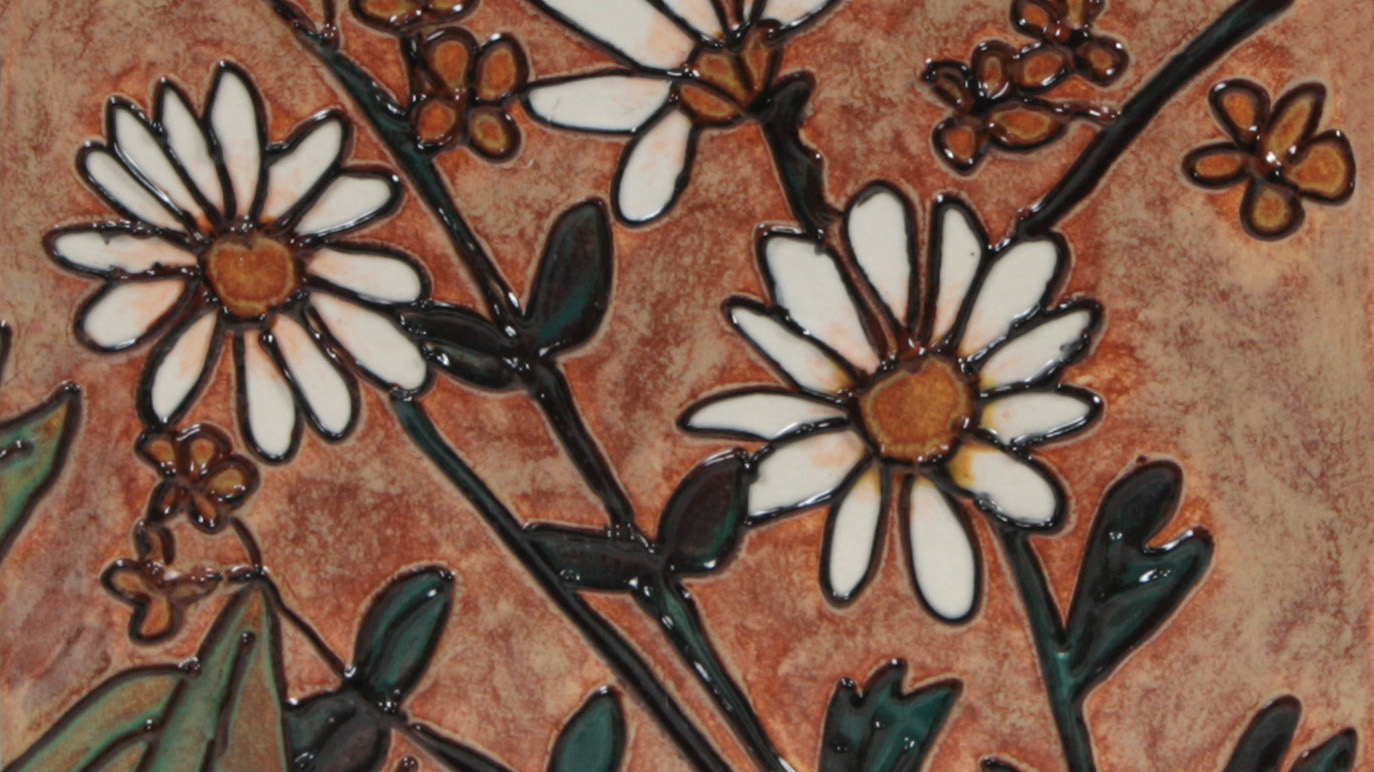
Elements™ may be used to create designs or applied as a natural backdrop to your artwork.
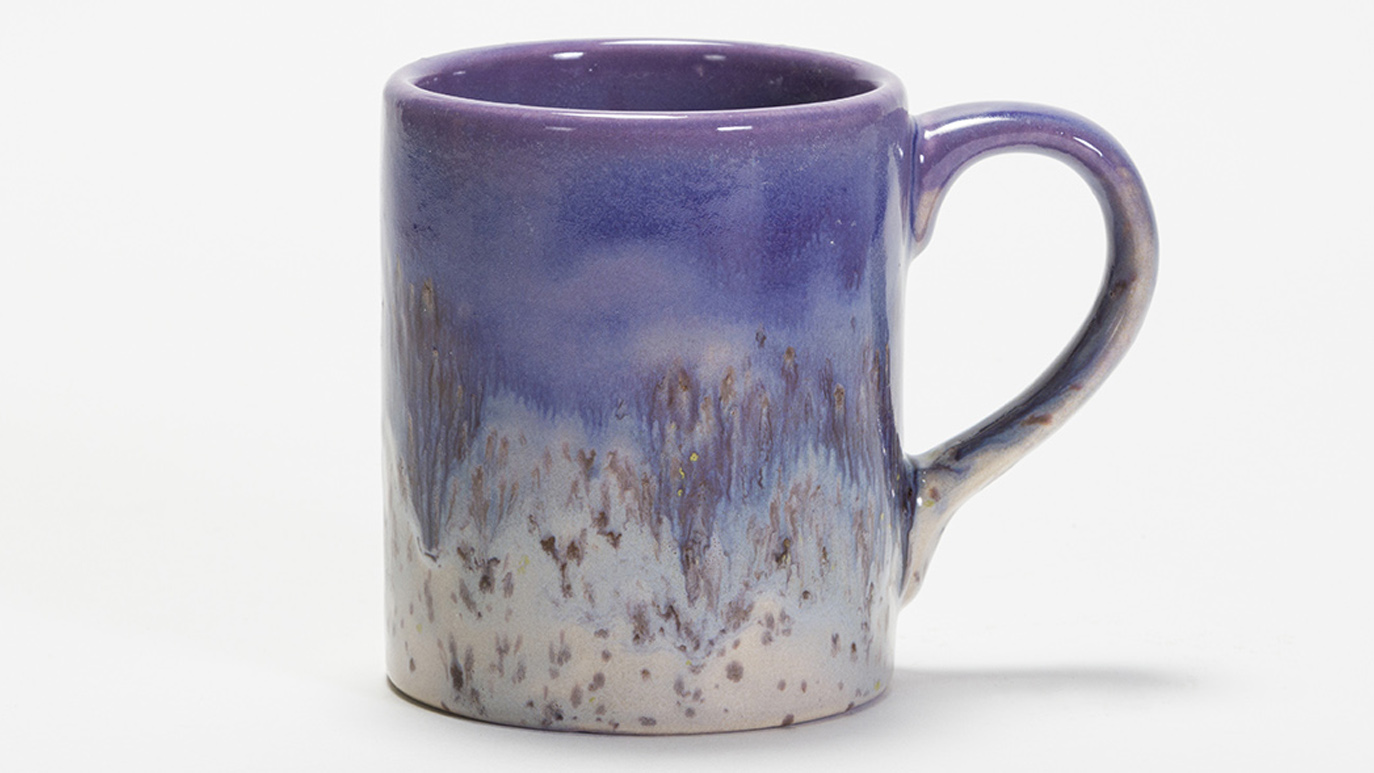
Elements™ can be the star of your work in all over coverage or play a supporting role to other glazes. Use in combination with other Mayco products, such as Elements™ Chunkies, Stroke & Coat®, Foundations®, Jungle Gems™, or Stoneware for an array of effects.
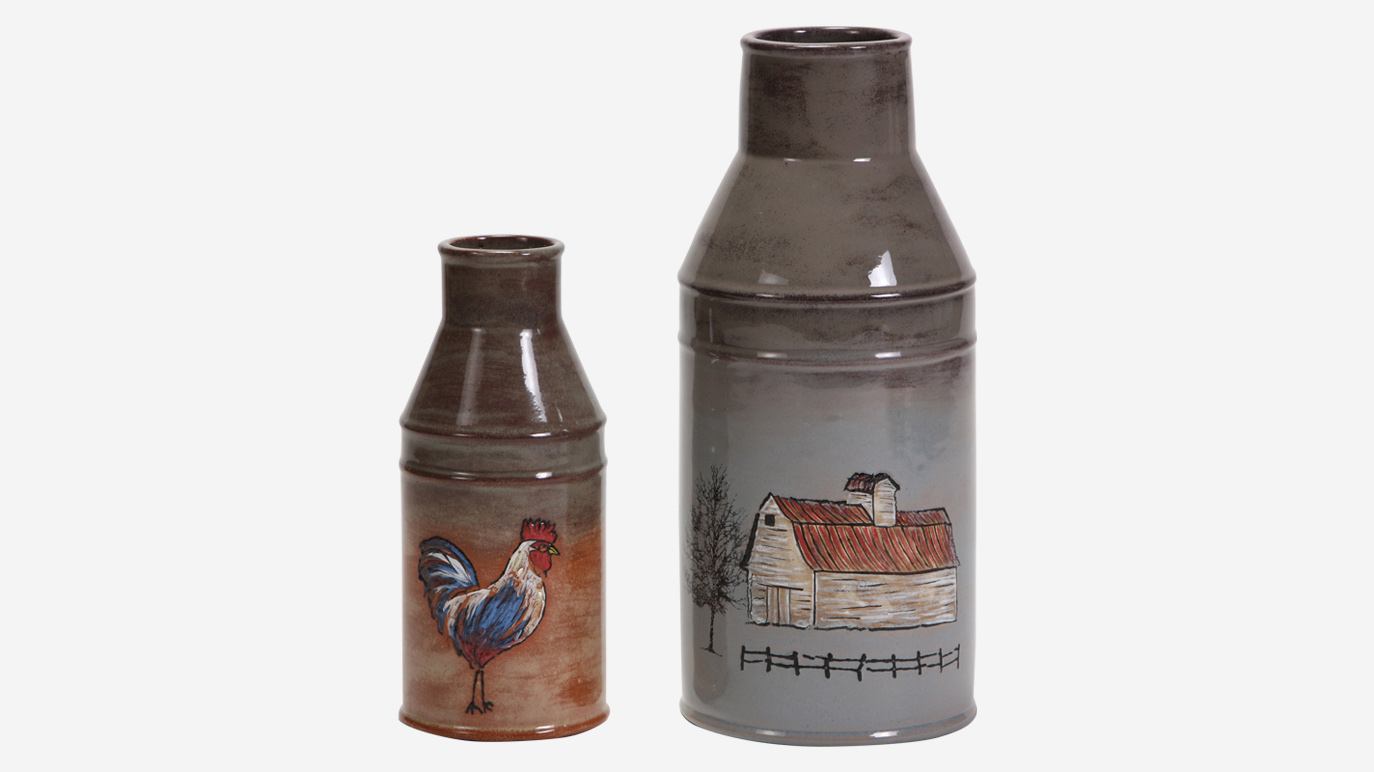
Designer Liner designs will not move or blend when used over non-moving Elements™ glazes.
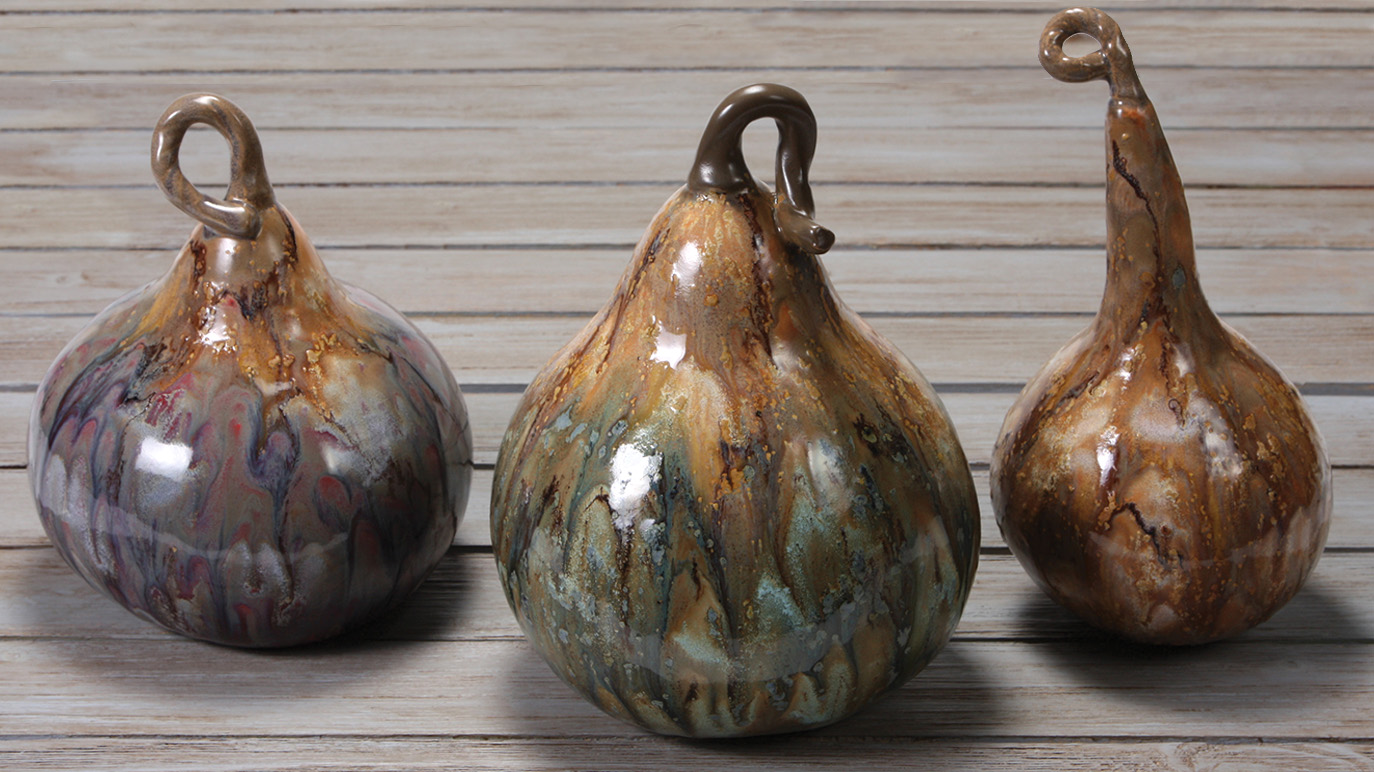
Pottery Cascade™ act as a flux with Elements™ to create movement in the colors. Great visual effects are created when added under, over or in-between Elements™ or Elements™ Chunkies. Pottery Cascades are perfect for the low fire designer seeking to create the looks achieved at higher temperatures. Variability ensures that no two designs will be exactly alike.
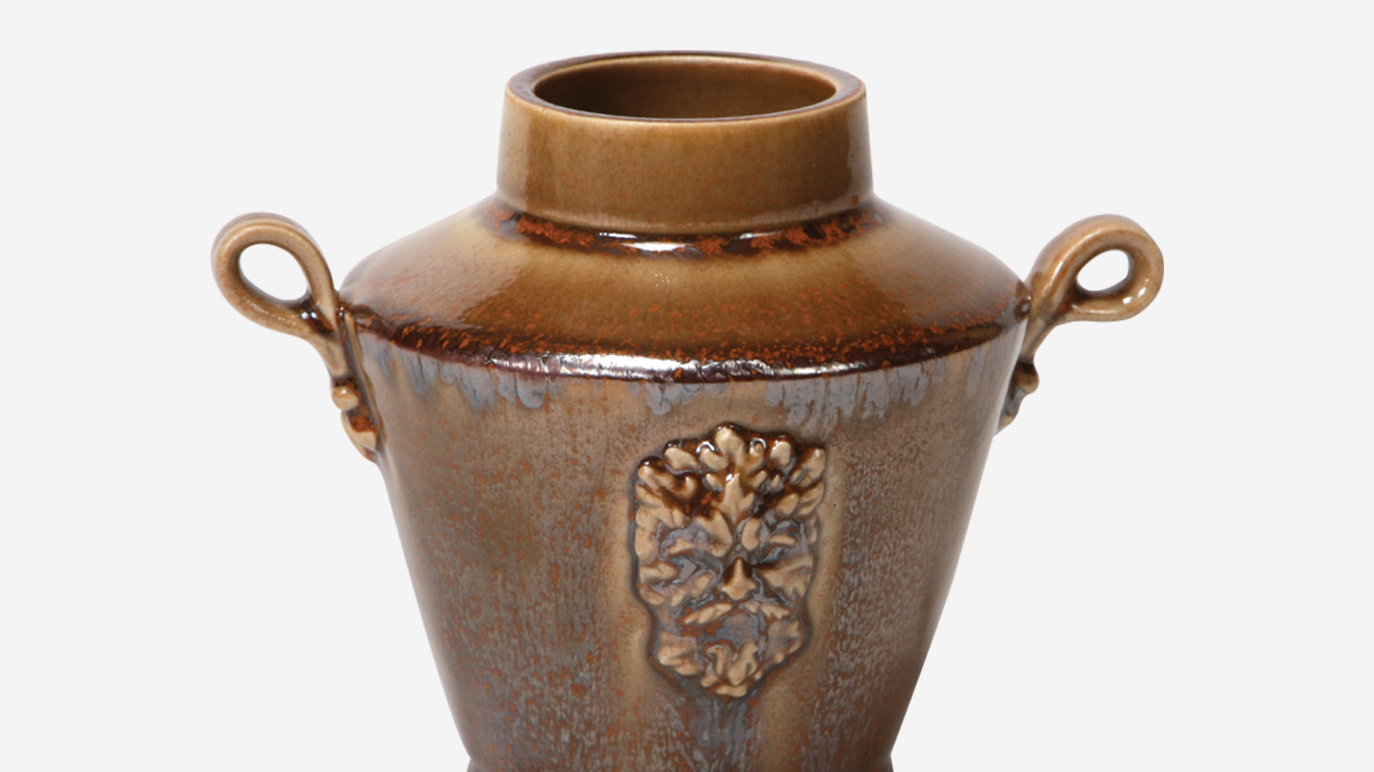
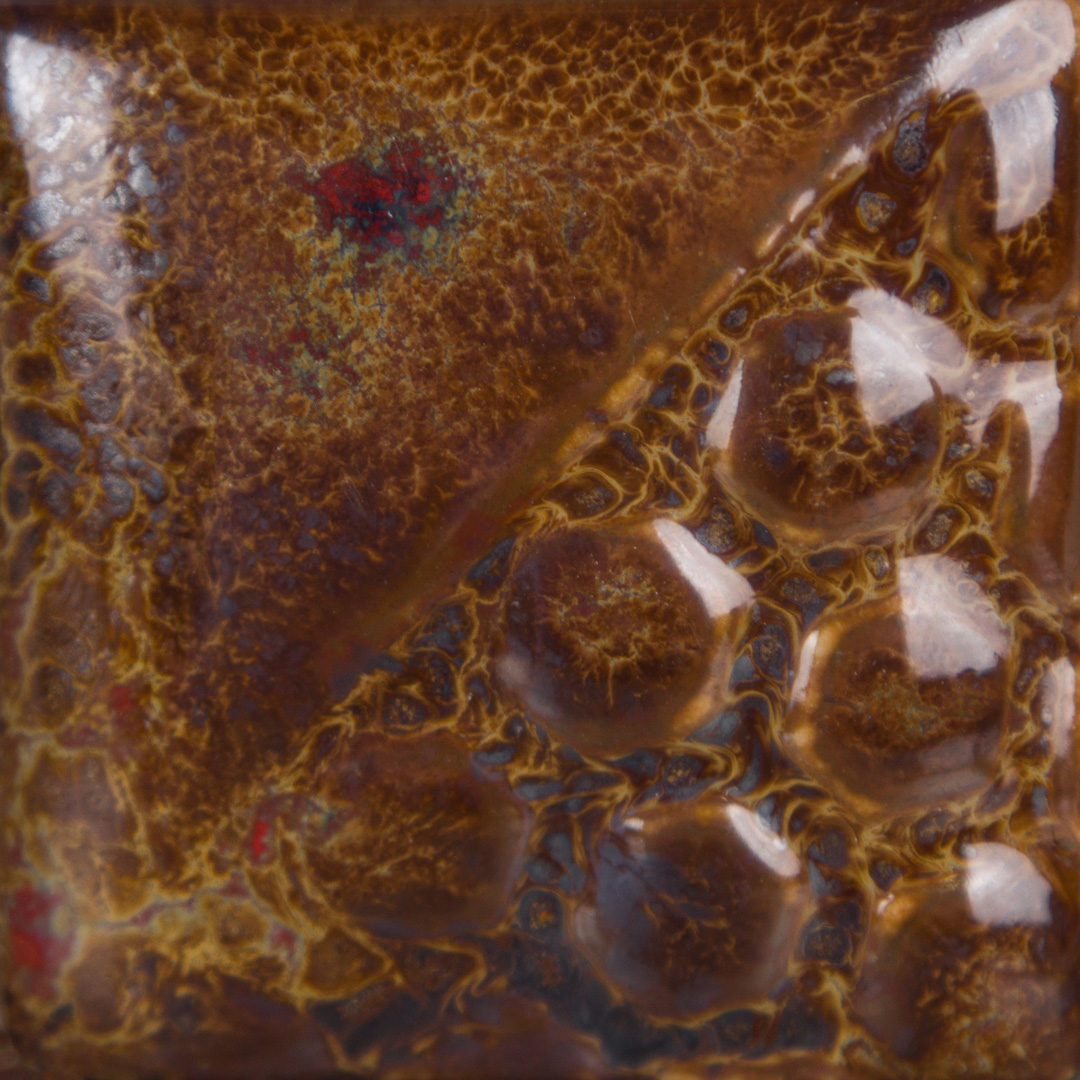
While formulated for cone 06/05 use, many of the Elements™ and Elements™ Chunkies glazes perform beautifully at higher temperatures. Refer to the individual color label for cone 6 firing performances. As Elements™ tend to flow at higher temperatures, the orientation at which your glazed ware is fired (flat vs vertical) can greatly impact the look. Due to the movement of the glaze, we recommend limiting the glaze on the bottom third of a vertical piece to avoid running off the ware. We recommend testing to determine color, surface characteristics and movement prior to use.
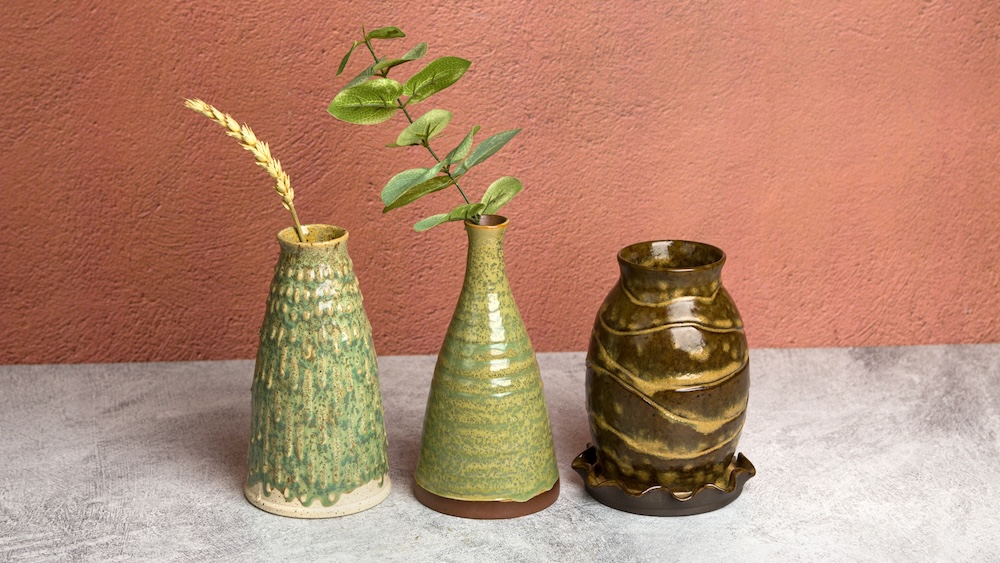
Elements™ work beautifully when applied to different clay bodies including wet clay, greenware, or soft fired stoneware bisque. Application to darker or speckled bodies may cause a shift in color results. Testing is recommended.
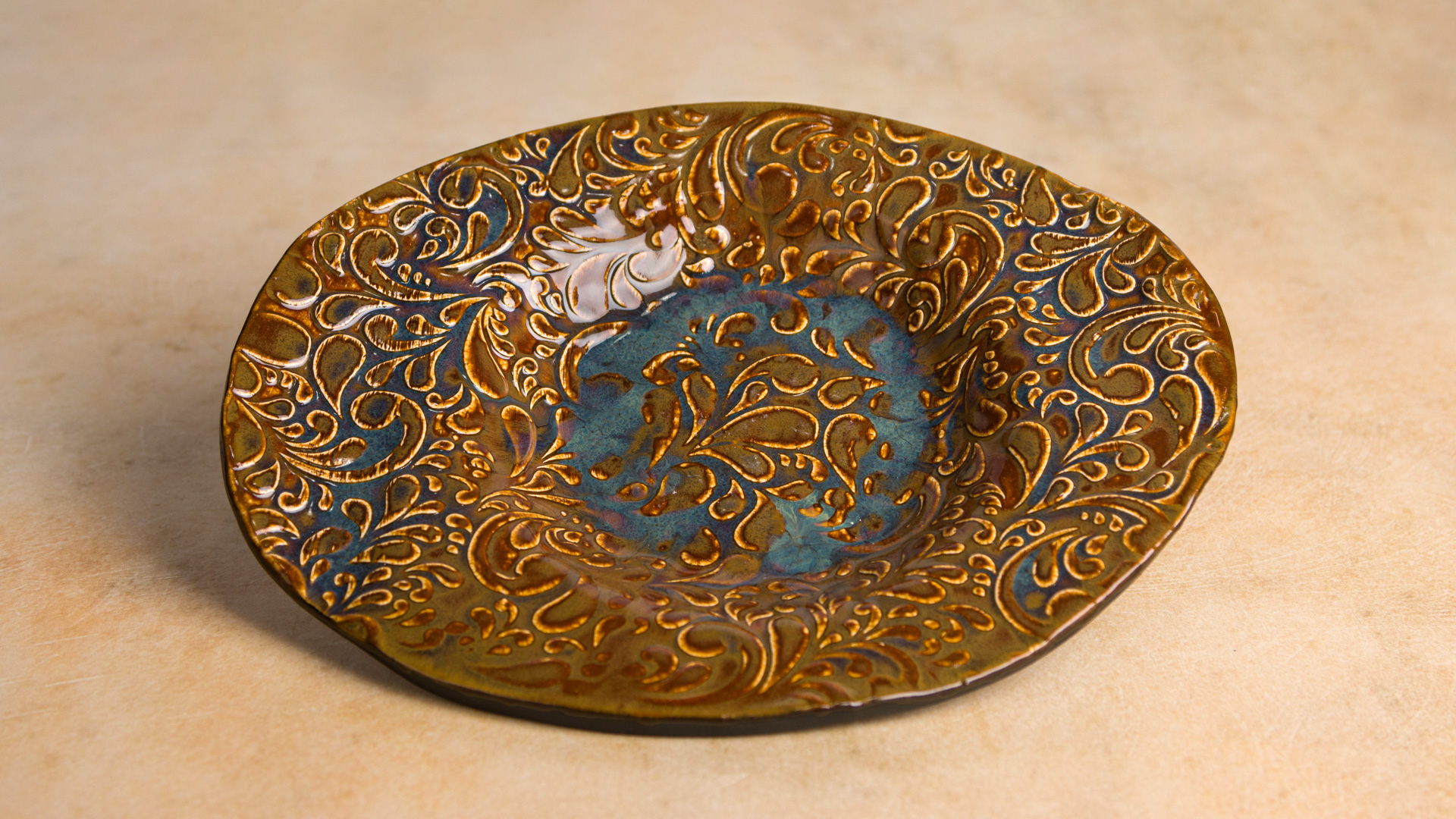
Elements™ are a two-tone glaze with a main color and a secondary color called a float. When Elements™ are applied to textured pieces, the float color will appear in the crevices.
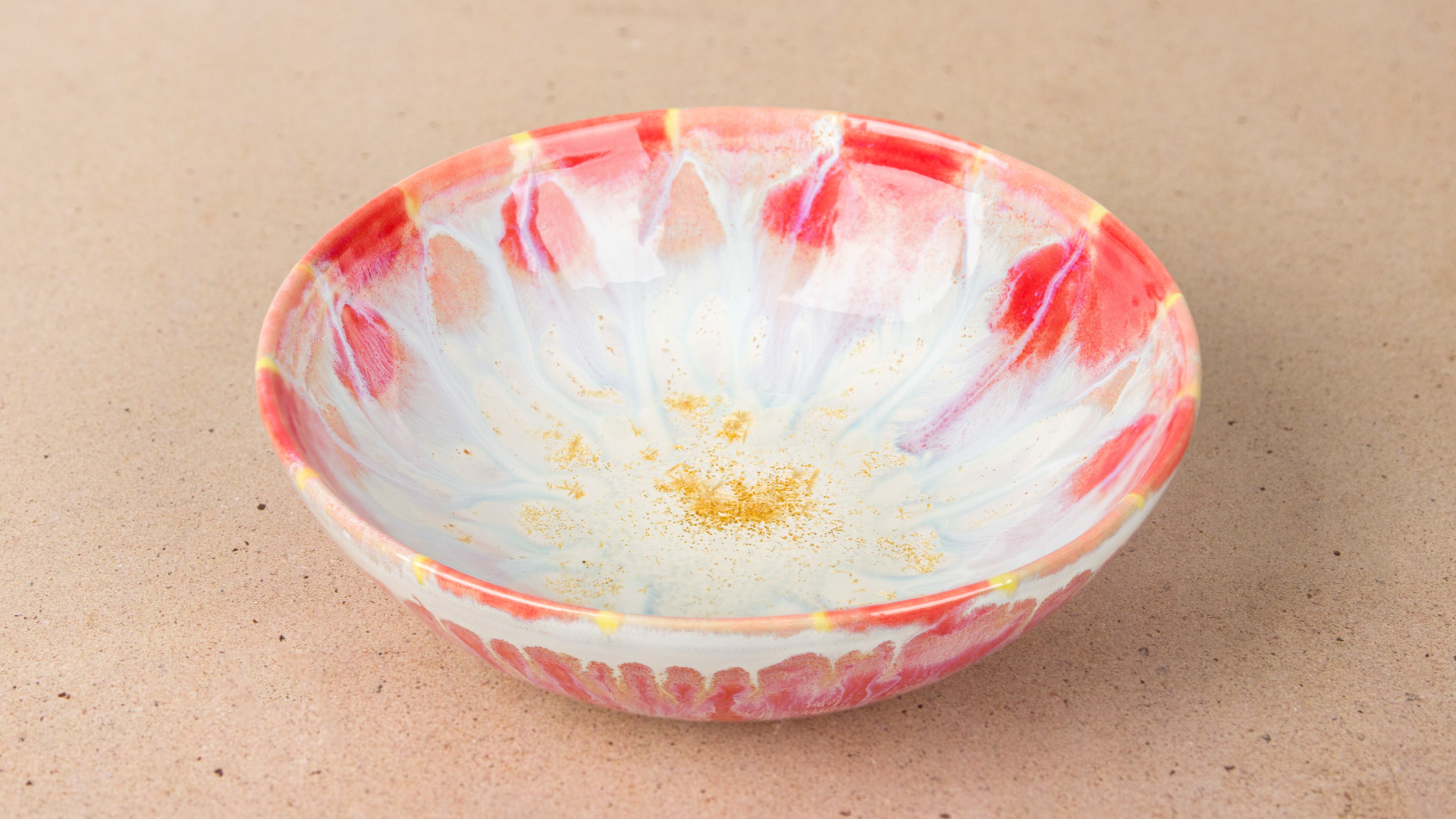
Elements™ can be used for different layering techniques, such as the popular peacock technique, to create dramatic effects with other mid-range and high-fire glazes.
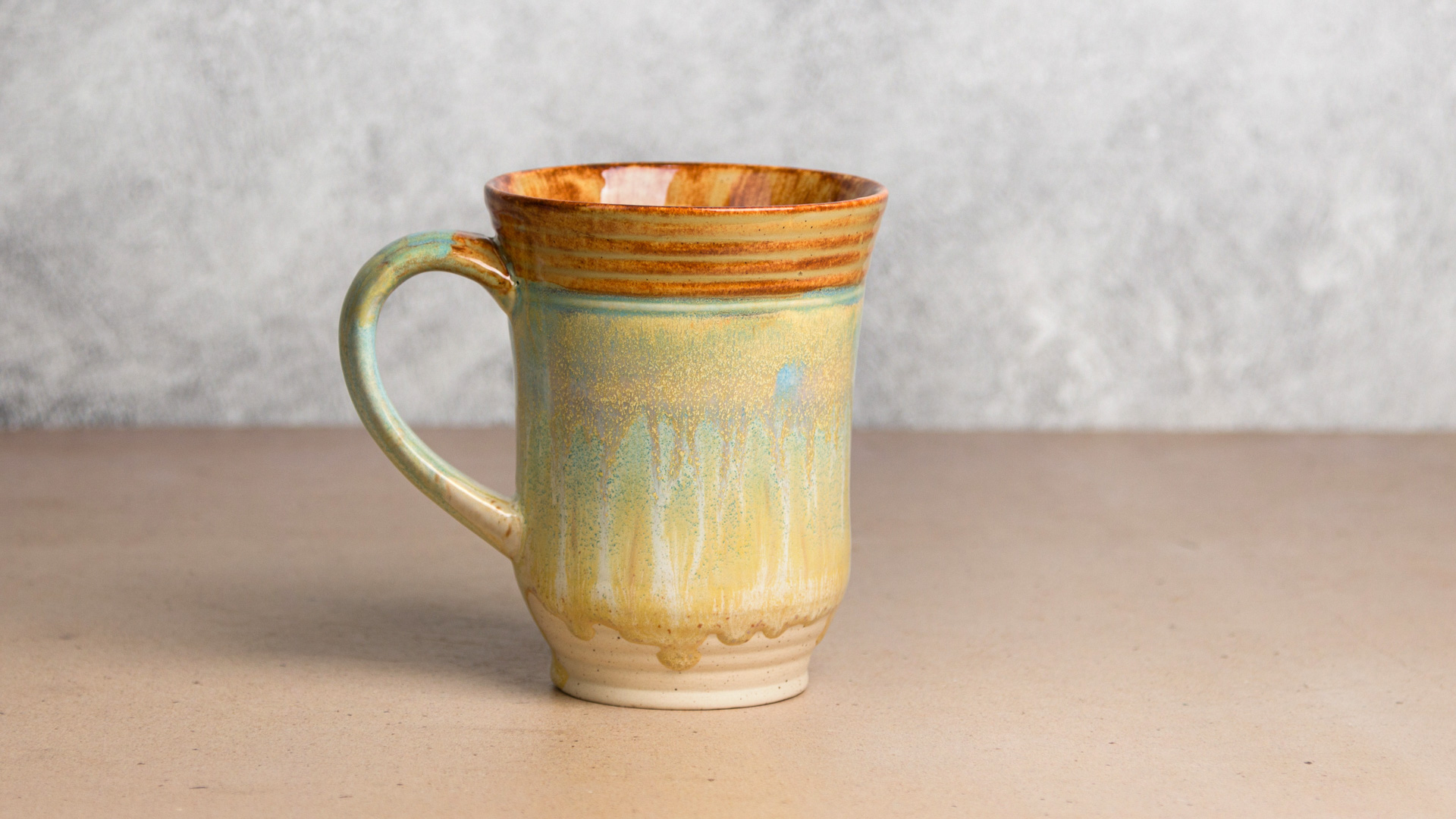
Elements™ can be the star of your work in all over coverage or play a supporting role to other glazes. Use in combination with other Mayco products at cone 5/6 for an array of effects.
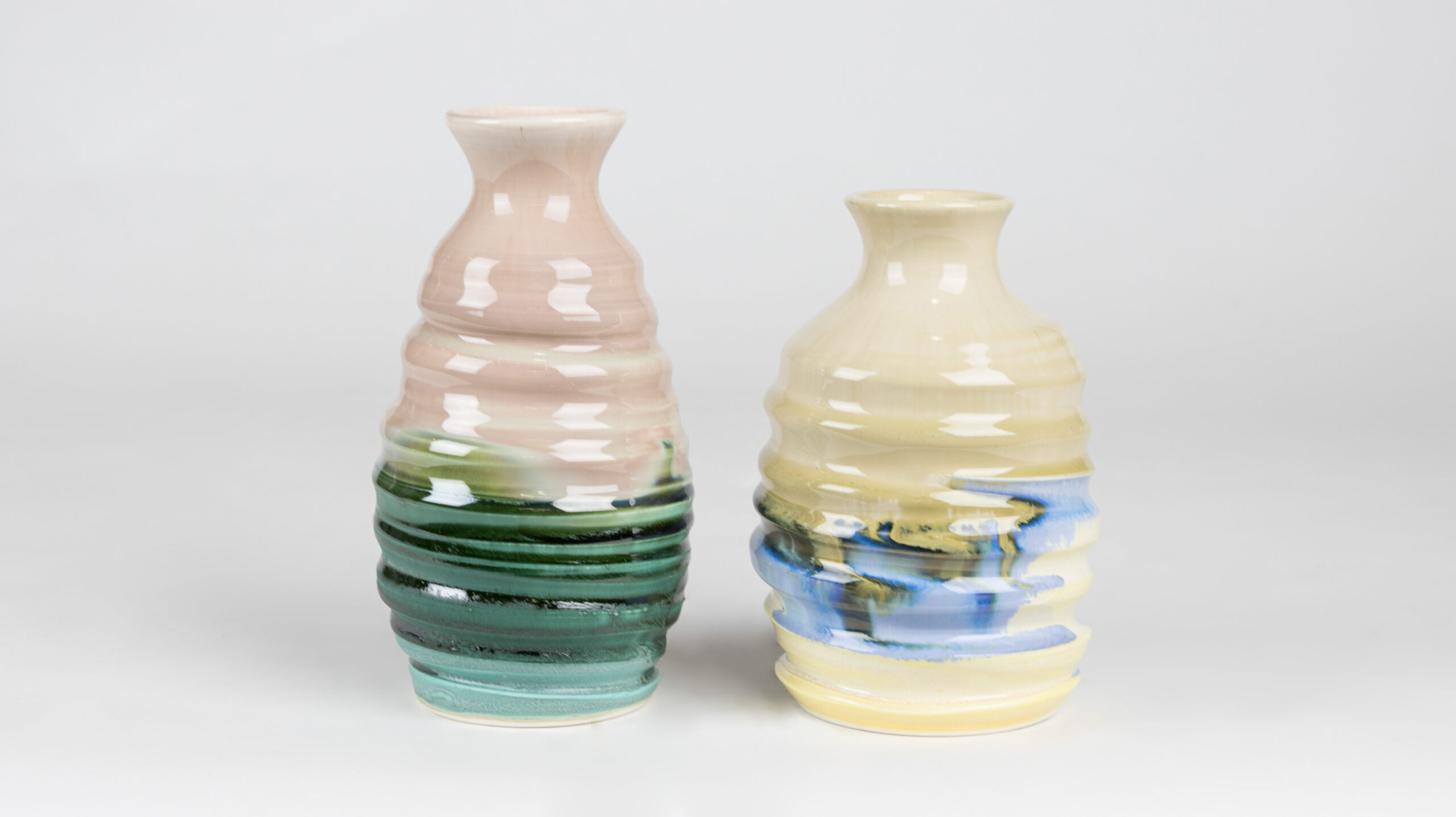
Use Elements™ to create designs, use in layering, or apply as a natural backdrop to your artwork.
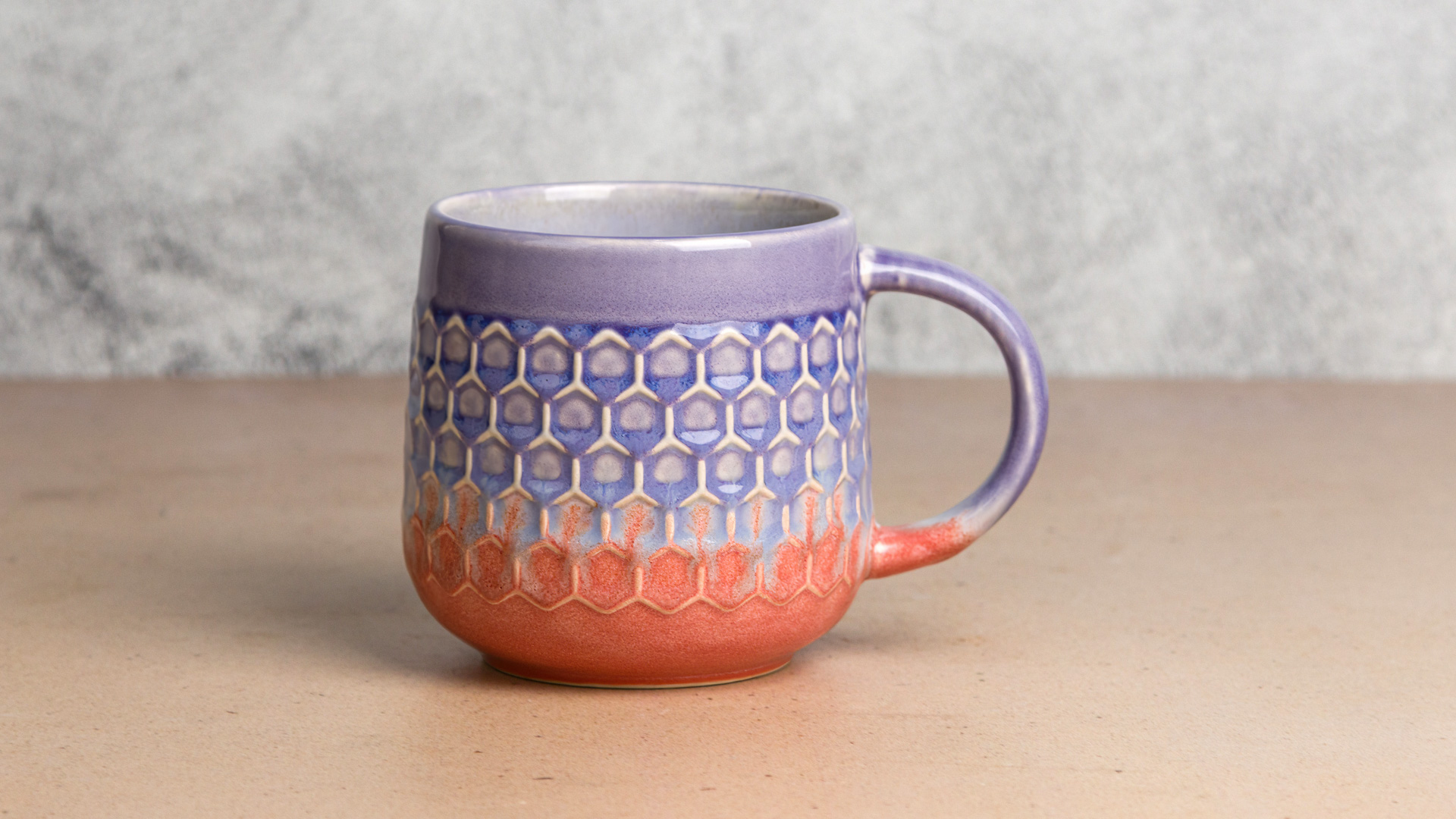
Some Elements™ colors will be more transparent at mid-range and higher firings. However, this can be a benefit to allow an underlying clay body to show through and enhance texture on your ware.

Apply to properly fired shelf cone 04 bisque. Use a soft fan or glaze brush, depending on the area and surface to be covered. Generally, three- four coats of glaze are recommended. However, applying four coats will produce a totally different look. For a different effect, brush on three coats and apply a final fourth coat using a silk or sea wool sponge. An uneven glaze application and the ware’s shape and surface (plain or embossed) will also affect the look of the glaze. Painting in a criss-cross fashion will effect the fired finish.
When using Elements™ on the outside of a vase or cylinder, we recommend using Foundations® opaque, Foundations® sheer, or a clear glaze on the inside. Using Stroke & Coat™ may cause the piece to crack due to the stiffness of the glaze.
When Elements™ are re-fired to lower lustre temperatures (shelf cone 018-020), the original glaze color changes. If this is not the desired effect you will not want to apply lustres over them. However, you may find the re-fired finishes to be desirable. Our advice is to experiment and make test samples using lustres with the specific Element™ glaze with which you are using.
If you choose to apply the two glazes, keep in mind that there will be chemical interaction between the glazes and Stroke & Coat® may change colors. Additionally, Elements® glazes move, so a design may lose the defintion. It is recommended to test.
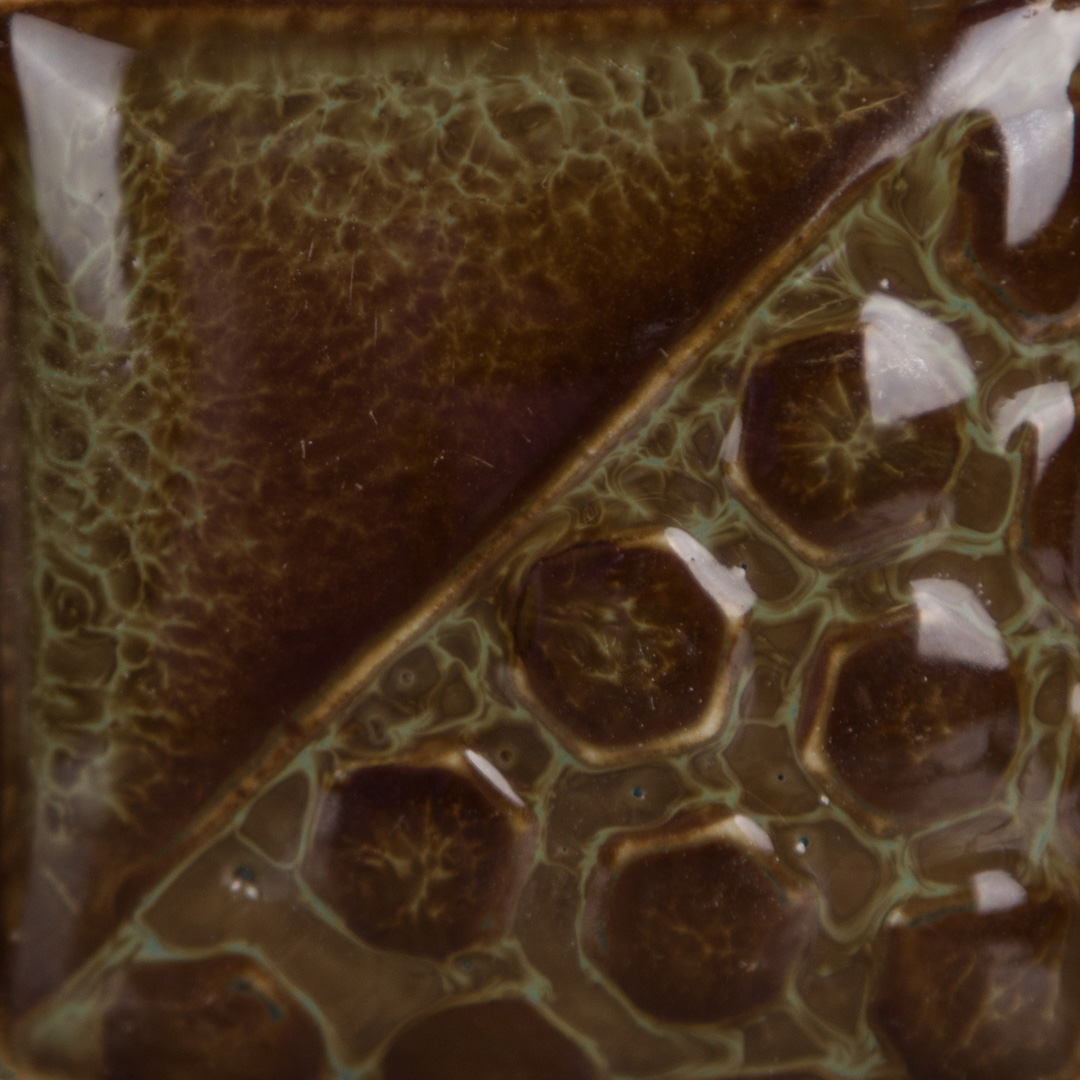
Both Elements™ and Elements™ Chunkies have the same base glaze formula but the and Elements™ Chunkies contain crystals that will expand on the surface during firing.
Color: Firing hotter may alter the color. Make sure to check MaycoColors.com chip swatches, brochures, or labels for cone 6 results. We recommend testing at your preferred firing temperature and clay body prior to use.
Movement: Elements™ and Pottery Cascades™ will move at mid-range temperatures. We recommend receding layers of glaze when applying on vertical ware. You may use Mayco Stoneware Engobes, Underglazes or another stable glaze to act as a buffer to help control flow. Avoid heavy application of Elements™ Chunkies crystals at the bottom third of ware as the crystals tend to flow at higher temperatures and can adhere to the kiln shelves. Place a tile or a piece of scrap bisque beneath the piece to prevent glaze from running onto your kiln shelves. Textured ridges may help to catch the glaze and prevent runoff.
Dinnerware Safety: Some Elements™ glazes are not recommended for dinnerware for both earthenware and stoneware clay bodies as the fired finish is not chemically durable and can be impacted by contact with acidic liquid or food.

 View Elements
  Low-Fire Brochure