

Pottery Cascade™ are moving, flowing glazes, commonly used under or over other glazes to create reactions and movement.
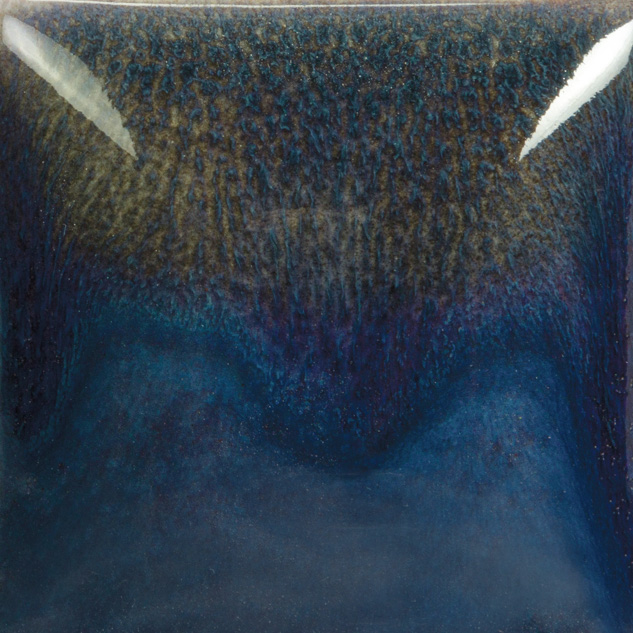
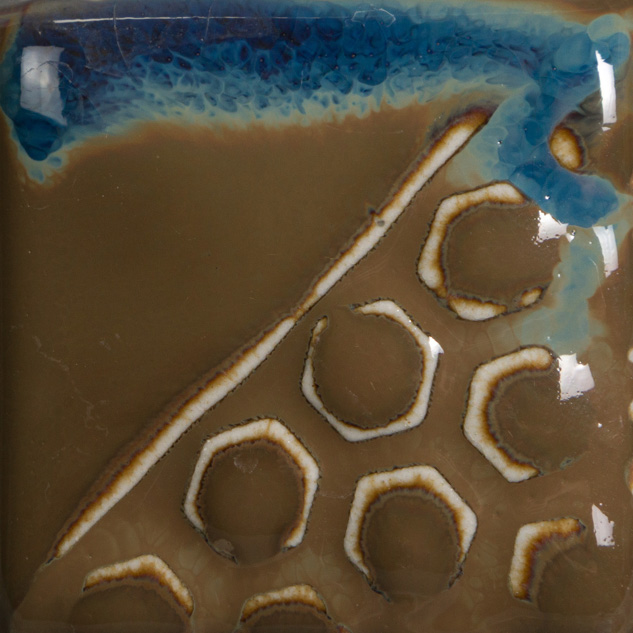
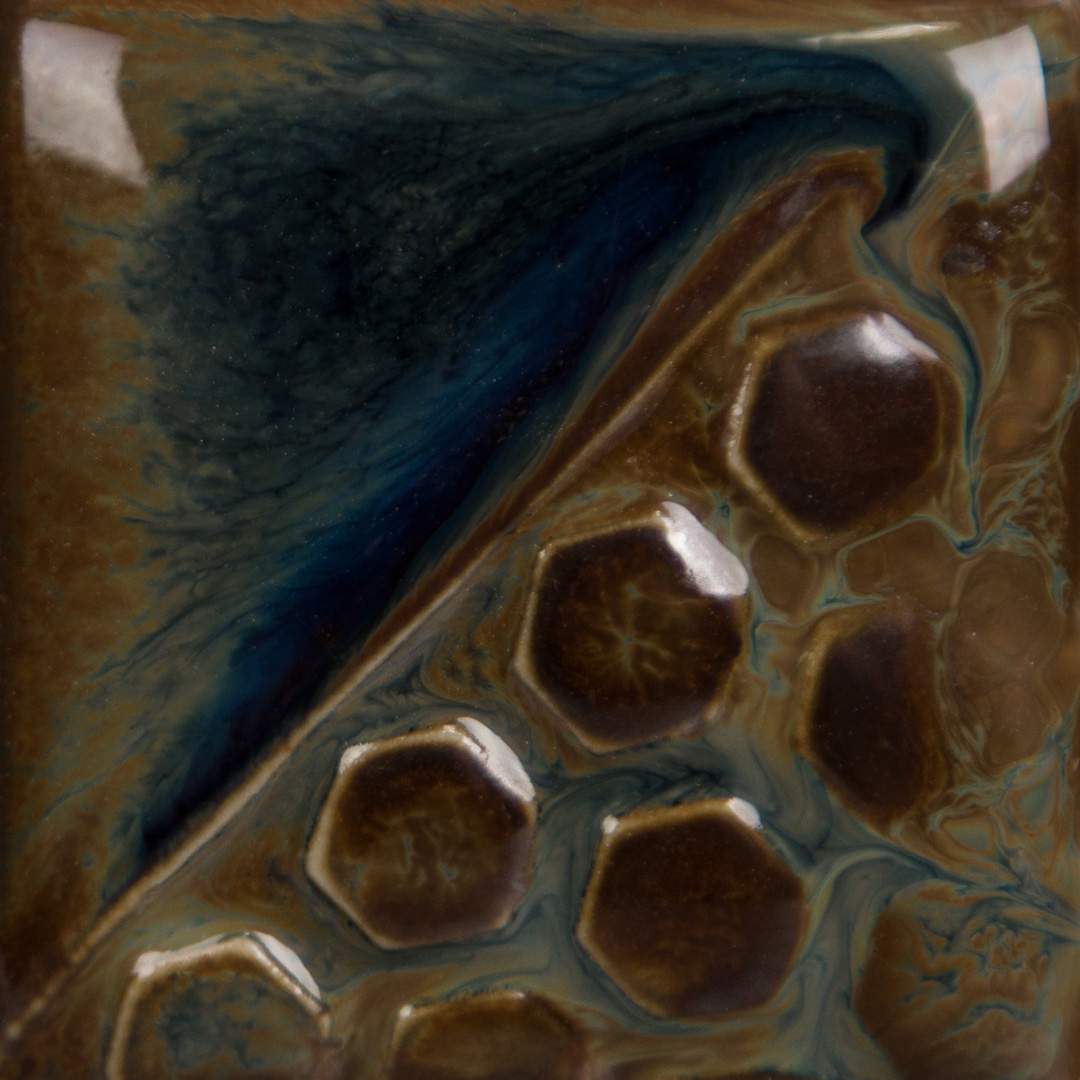
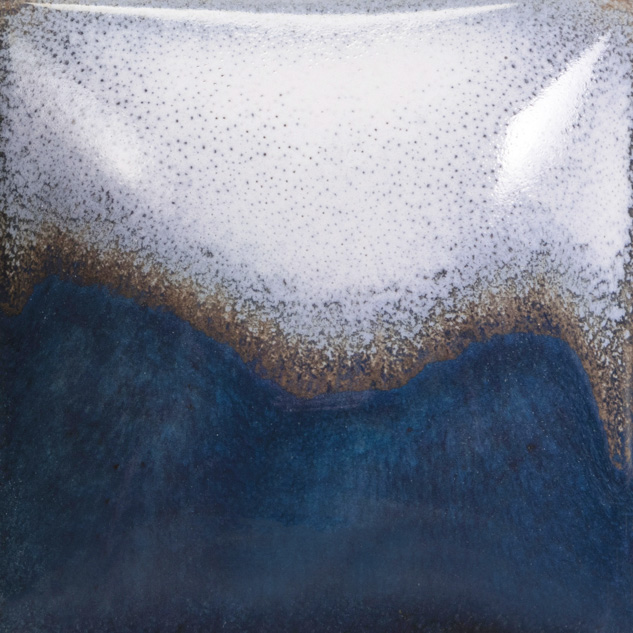
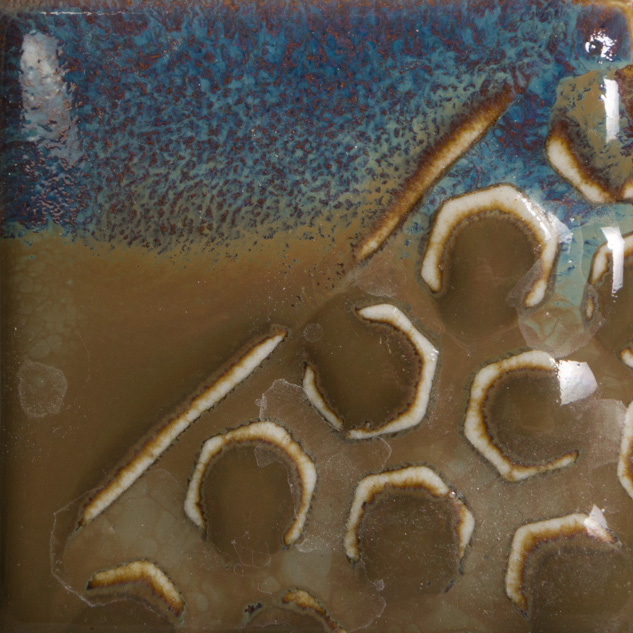
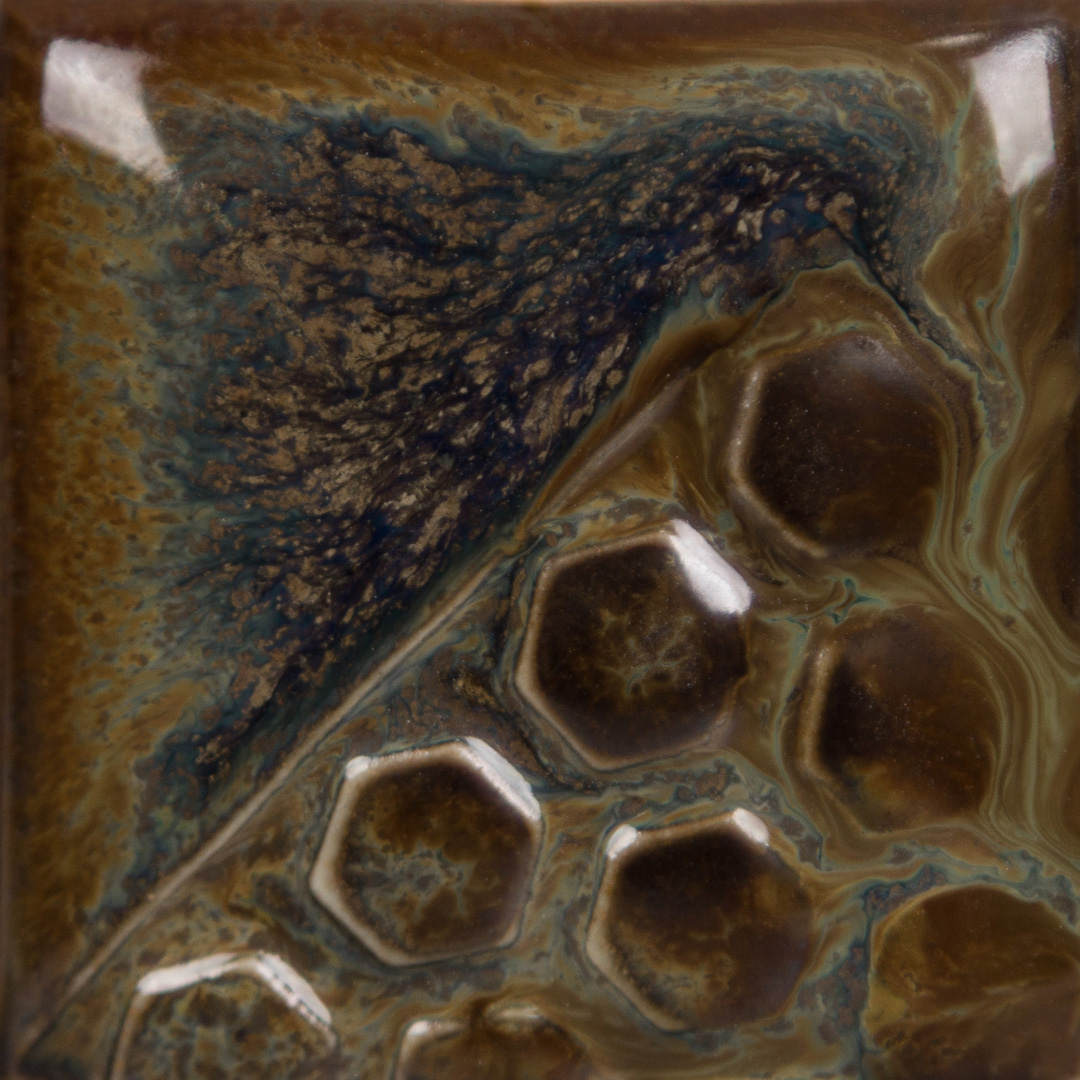
Chips are shown over EL118 Blue Grotto.
Cone 06 chips have been fired flat in oxidation on white earthenware body.
Cone 6 chips have been fired flat in oxidation on white stoneware body.
Cone 10 chips have been fired flat in reduction on white stoneware body.
Pottery Cascade™ may be applied randomly or uniformly, brushed or dabbed on with a sponge. White Cascade adds a tinge of color to glazes with which they are used. Cascades are perfect for the low-fire designer seeking to create the looks achieved at higher temperatures. Their variability ensures that no two designs will be exactly alike.
Pottery Cascade™ Clear and White have been reformulated to deliver improved movement in cone 06 (low fire) firings. This change was made in response to feedback that you would like to see more movement when working with Pottery Cascade™.
When using the reformulated Pottery Cascade™, take care on vertical surfaces as the product will have additional movement with increased application.
Pottery Cascade™ are commonly used by low-fire designers who seek to simulate effects of higher fire glazes.
Apply 1-2 coats with a brush or sponge, under or over another glaze. You can influence the direction of the flow or create a pattern by how you apply the glazes. Allow to dry thoroughly. Fire to cones 06/05. To prevent the glaze from running off your vertical pieces do not apply Pottery Cascade™ to the bottom third of the piece. Vertical pieces require more attention to this detail than horizontal pieces.
While initially developed for low-fire, Pottery Cascades™ perform well at higher temperatures, but the color will change compared to the low-fire version. We recommend testing at your preferred firing temperature prior to use.


Pottery Cascades® are AP non-injurious to humans when used as intended under supervised conditions, approved for use by artists of all ages when used according to the manufacturer’s directions. When fired according to the manufacturer’s instructions, glaze is suitable for dinnerware; chemically durable, absent of surface texture, and compliant with U.S. FDA guides for ceramics CPG Sec. 545.400 and CPG Sec. 545.450. Finishedware producers bear responsibility for food-contact testing of ware sold into commerce.
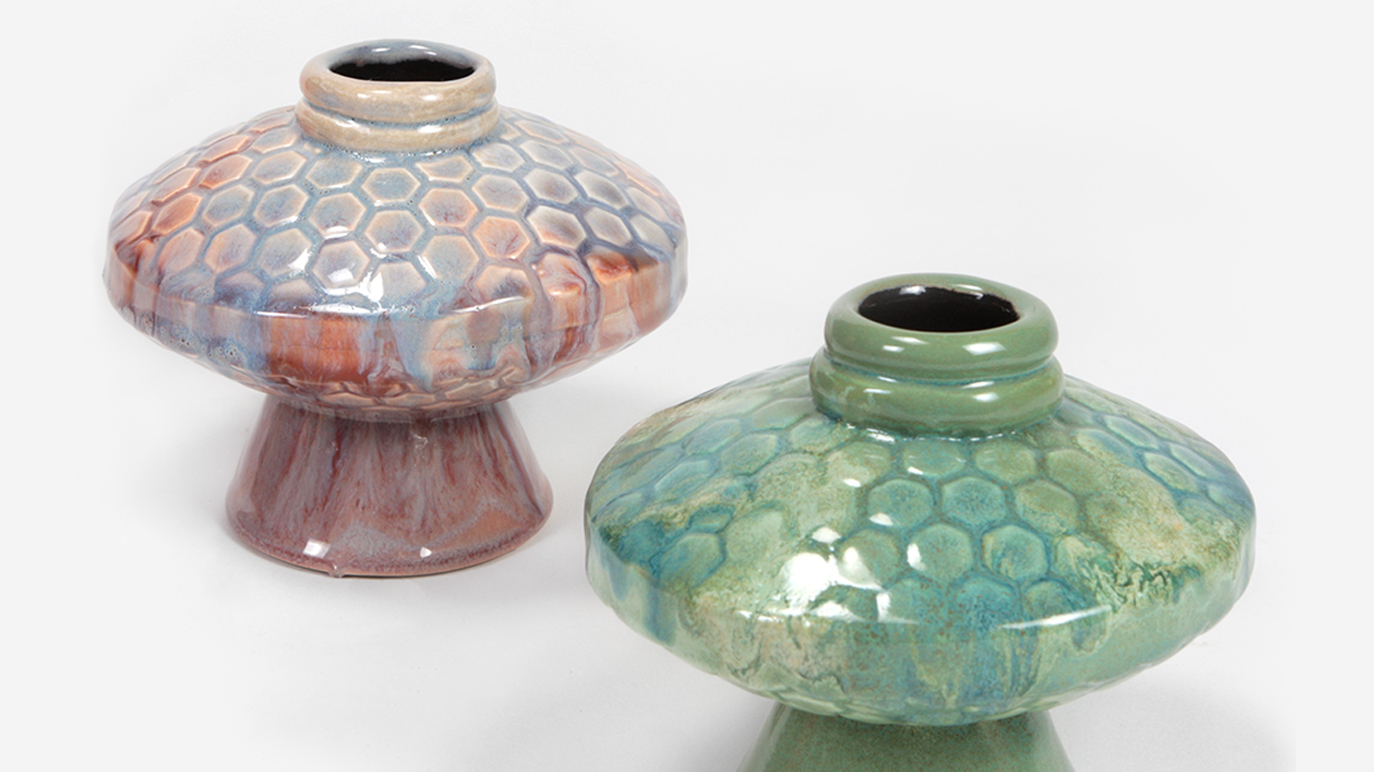
Use Pottery Cascade™ as a flux with Elements™ to create movement in the colors. Great visual effects are created when added under, over or in-between Elements™ or Elements™ Chunkies.
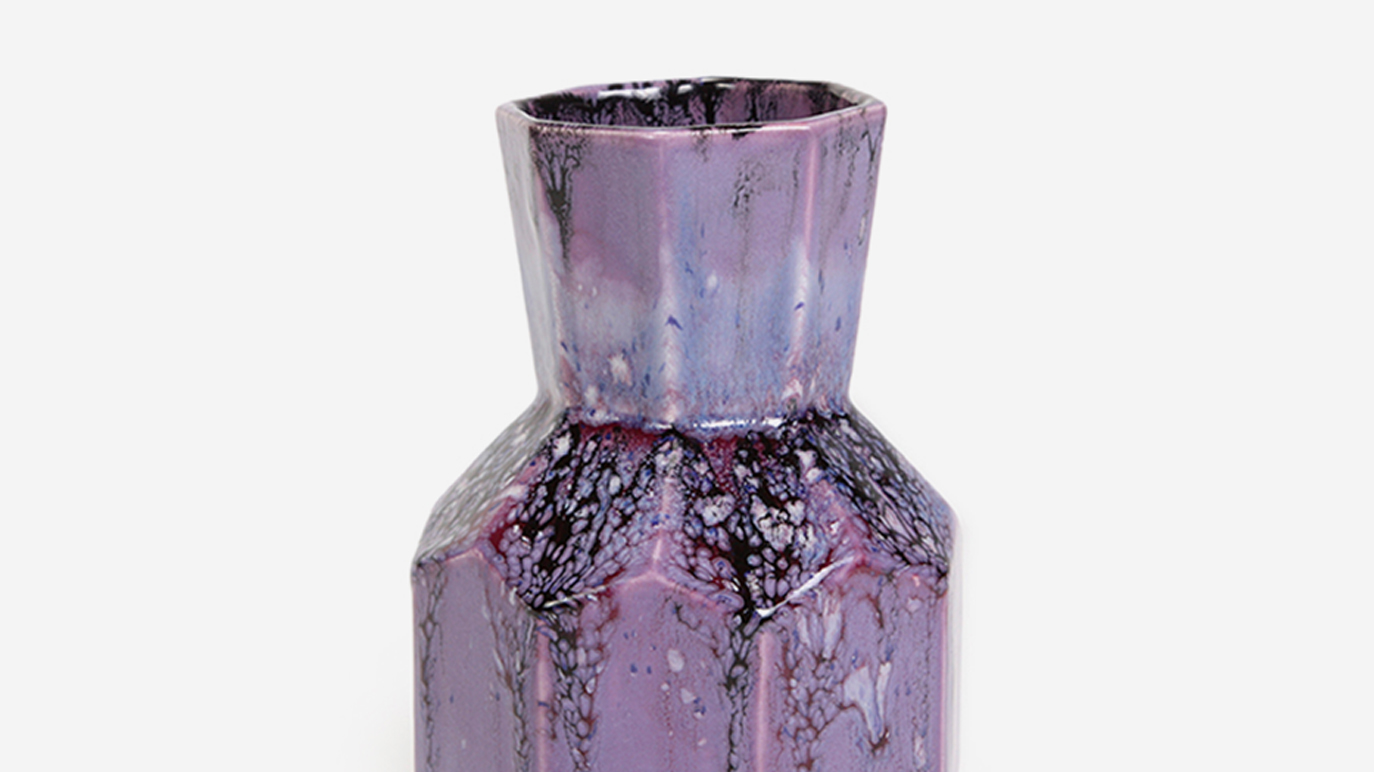
Cascades are perfect for the low fire designer seeking to create the looks achieved at higher temperatures. The variability of Pottery Cascade™ ensures that no two designs will be exactly alike.
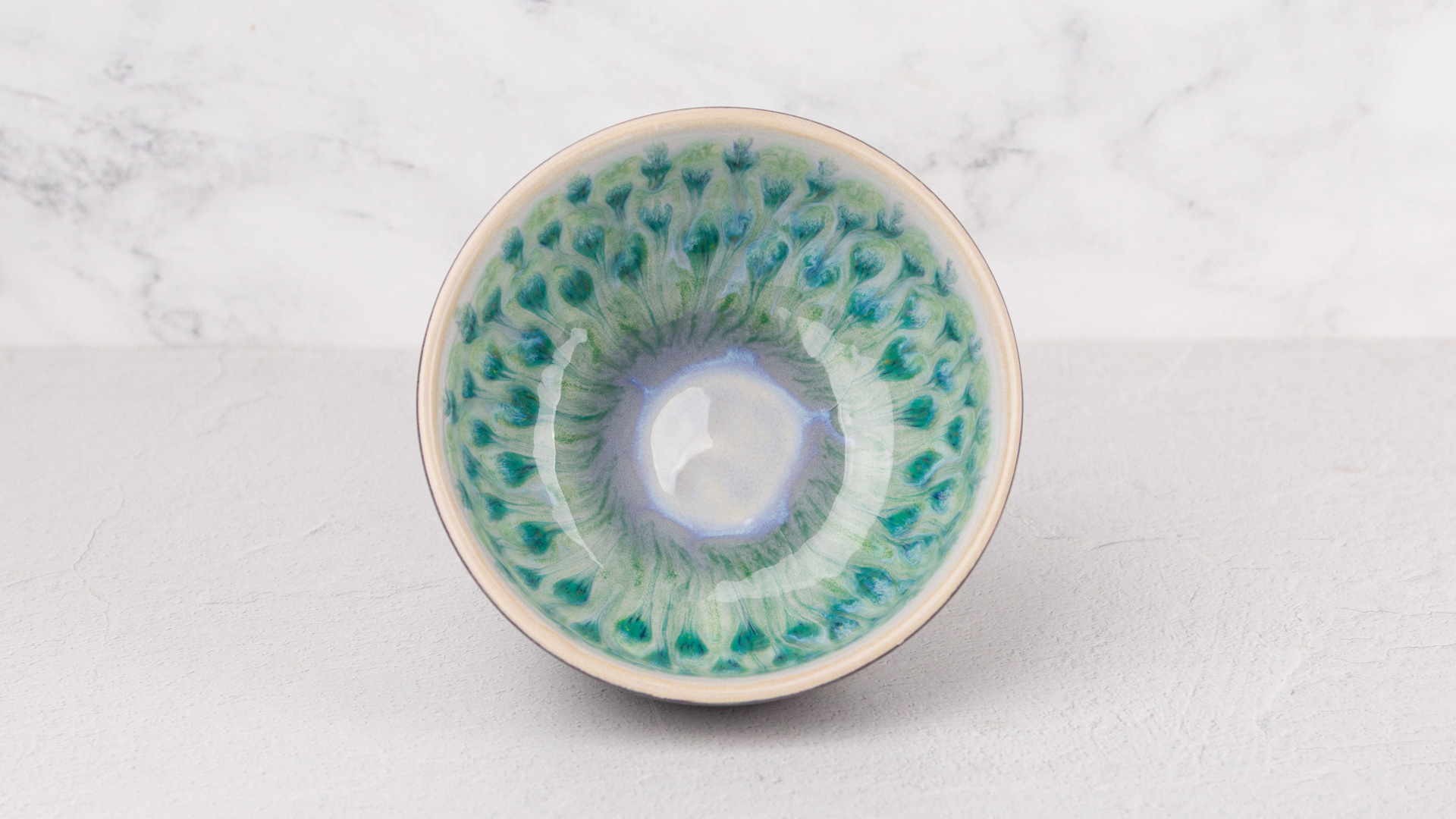
The Peacock technique is the perfect project to use with Pottery Cascade™. Use the increased movement to create the dynamic look of peacock feathers.
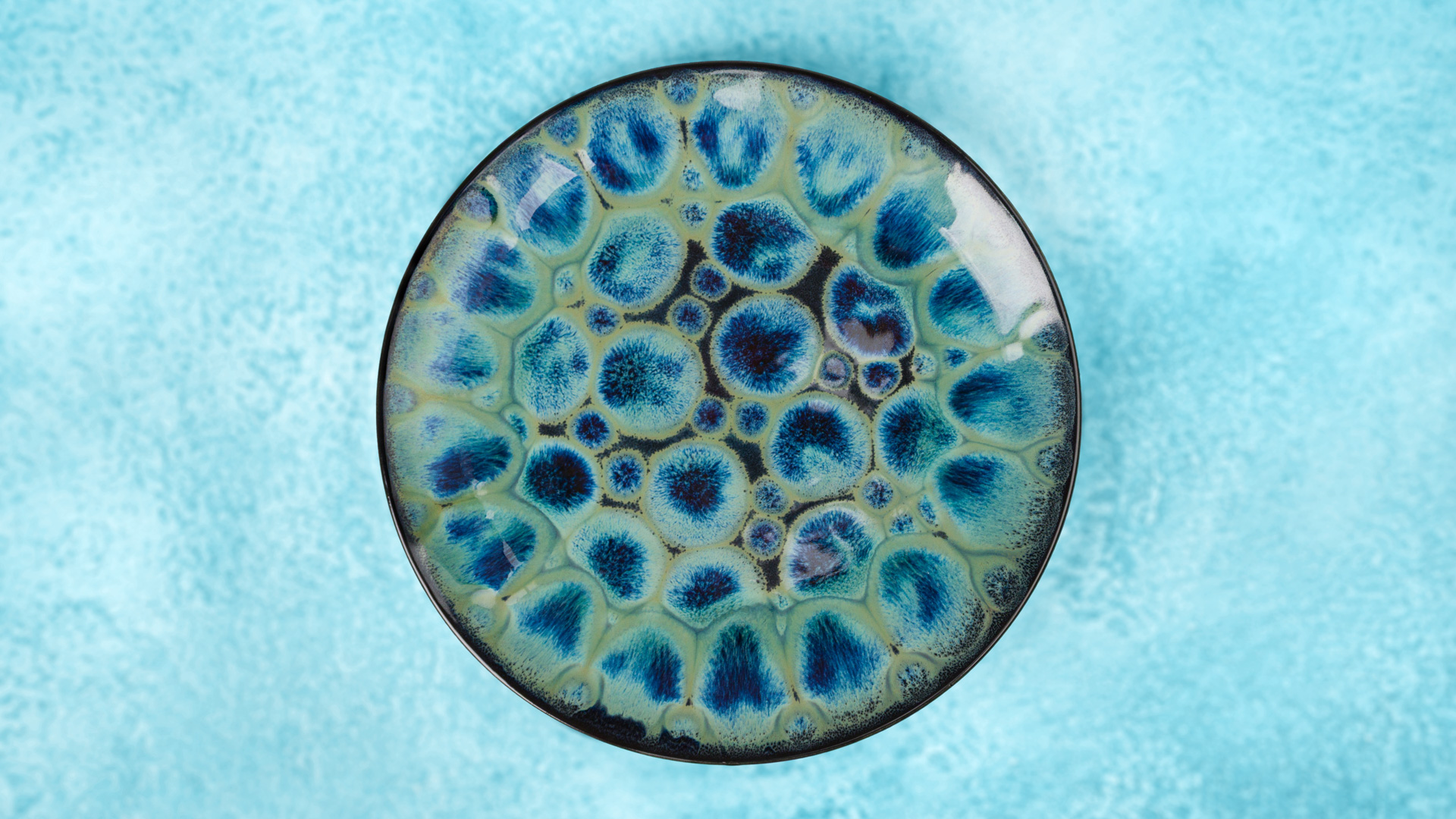
Create a striking and multi-dimensional piece with the Frozen Pond technique. Pottery Cascade™ creates the movement necessary for stunning works of art.
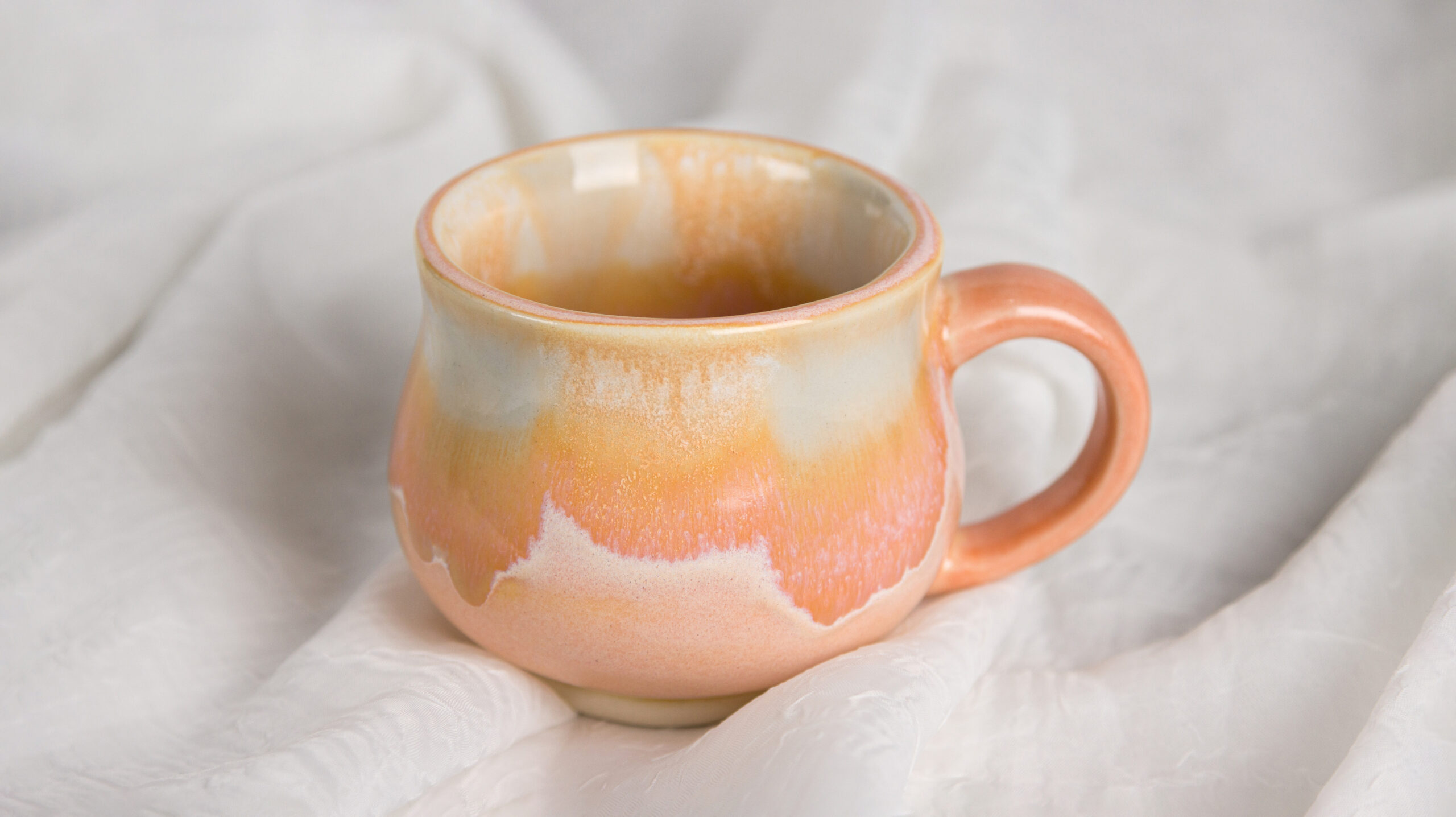
Pottery Cascades™ add a hint of color to the glazes with which they are used and perform like a flux with Elements™ to create movement. The variability of Pottery Cascade™ ensures that no two designs will be exactly alike.
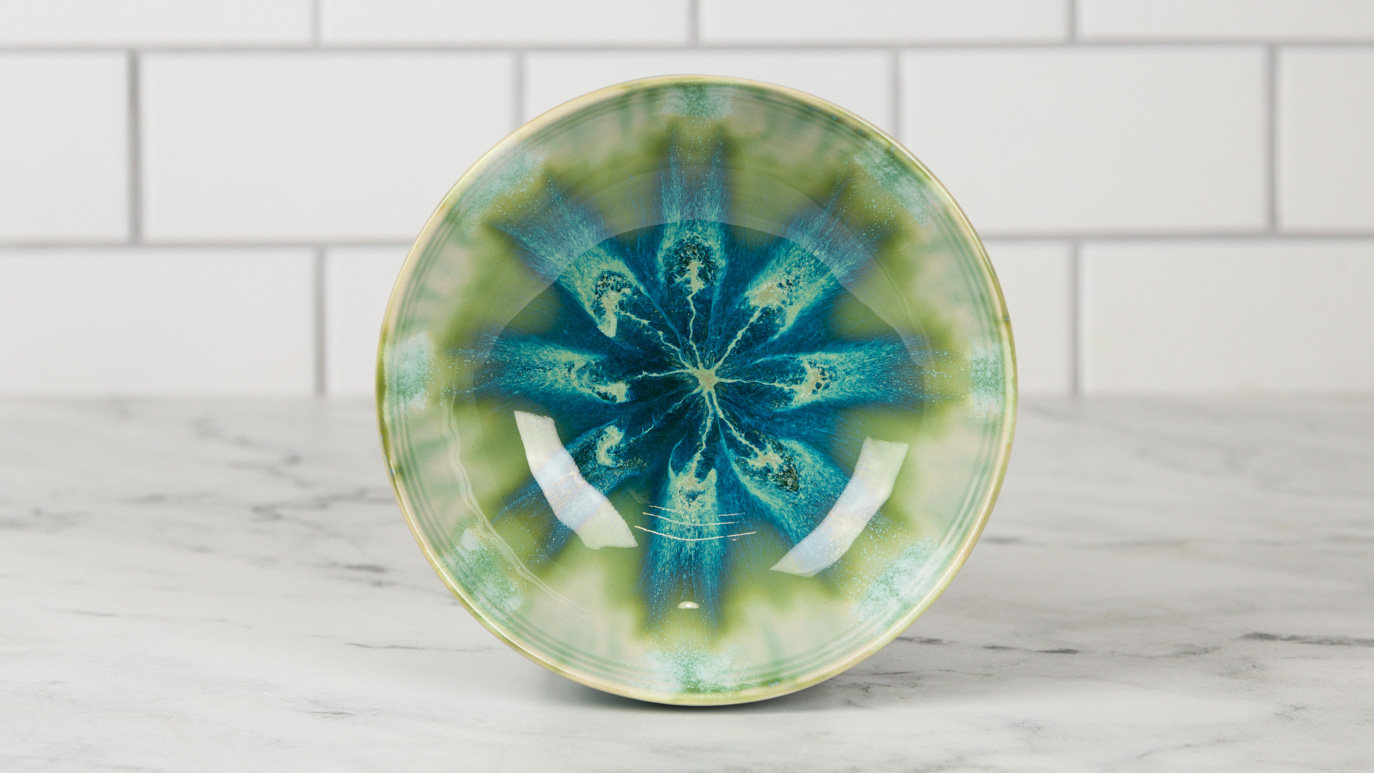
The “plopping” technique involves applying glaze by “plumping” a soft fan brush with glaze and then applying it to the bisque in a series of large, irregular dots or “plops”.

Apply PC602 White Cascade with a brush in 1-3 coats. Can be dabbed on at random, evenly or unevenly to create different flow patterns using a sea wool sponge, for example. PC601 Clear Cascade should be brushed on as you would apply a glaze. Apply 1-2 brushed coats over or under a glaze. Do not go below the halfway point of the piece, as the PC601 Clear Cascade flows the most. Pottery Cascade™ can be applied between color, underneath and over colors for different effects.
Other conditions that could affect the performance of Pottery Cascade™ include:
PC601 Clear Cascade produces a more flowing effect and allows the color of the base glaze to show through. It can also alter your original color, creating a new color. It will form runs or you can direct the runs when you apply the product. PC602 White Cascade intermingles with the other glazes being used, introducing pure white to the colors you are using, blending with the color. PC602 White Cascade has a minimum movement and will stay in the pattern that you apply it in. The degree of movement depends on if a moving glaze such as Elements™ or Elements™ Chunkies are used, the amount of Pottery Cascade™ is applied and the firing temperature.
Yes, Pottery Cascade™ can be used alone.
Yes, but always test first before undertaking a major project.
Foundations® and Stroke & Coat® are non-moving glazes. Using a Cascade with either glaze will not produce movement or intermingling shown with moving glazes i.e. Elements™ or Jungle Gems™ Crystal Glazes.
Color: Firing hotter may alter the color. Make sure to check MaycoColors.com chip swatches, brochures, or labels for cone 6 results. We recommend testing at your preferred firing temperature and clay body prior to use.
Movement: Pottery Cascades™ will move at mid-range temperatures. We recommend receding layers of glaze when applying on vertical ware.

 View Pottery Cascades
  Low-Fire Brochure