Color Masking

Design in Layers  |  Masking with Everyday Materials

palette icon

Color Masking is a technique that involves using materials like feathers, string, lace, cheesecloth, paper, or doilies to cover specific areas of a surface. This prevents color from adhering to those areas, allowing for clean lines and the preservation of certain parts of the surface. The method is often used to create defined shapes and patterns.


design tip pin icon

Design Tips

  • Dampening your masking material or embedding it in wet color helps to prevent bleeding and ensure crisp lines and clean edges.
  • When lifting the edge of masking materials, a toothpick works well. Be careful not to scrape off any underlying color while doing this.
  • Always take off the masked object before firing.
  • Some masking materials may repel the top coat of color. Test before use.
  • If using tape as your masking material, avoid dampening it as tape can lose adhesion and allow color to seep underneath.
  • Remove the masking material before the colors are completely dry. This will prevent any accidental chipping.
  • Larger masking objects perform better on flat surfaces rather than curved ones.

video play icon

Video

inspiration light bulb icon

Inspiration

Feathers with Stroke & Coat®

Cone 06 (999°C/1830°F)

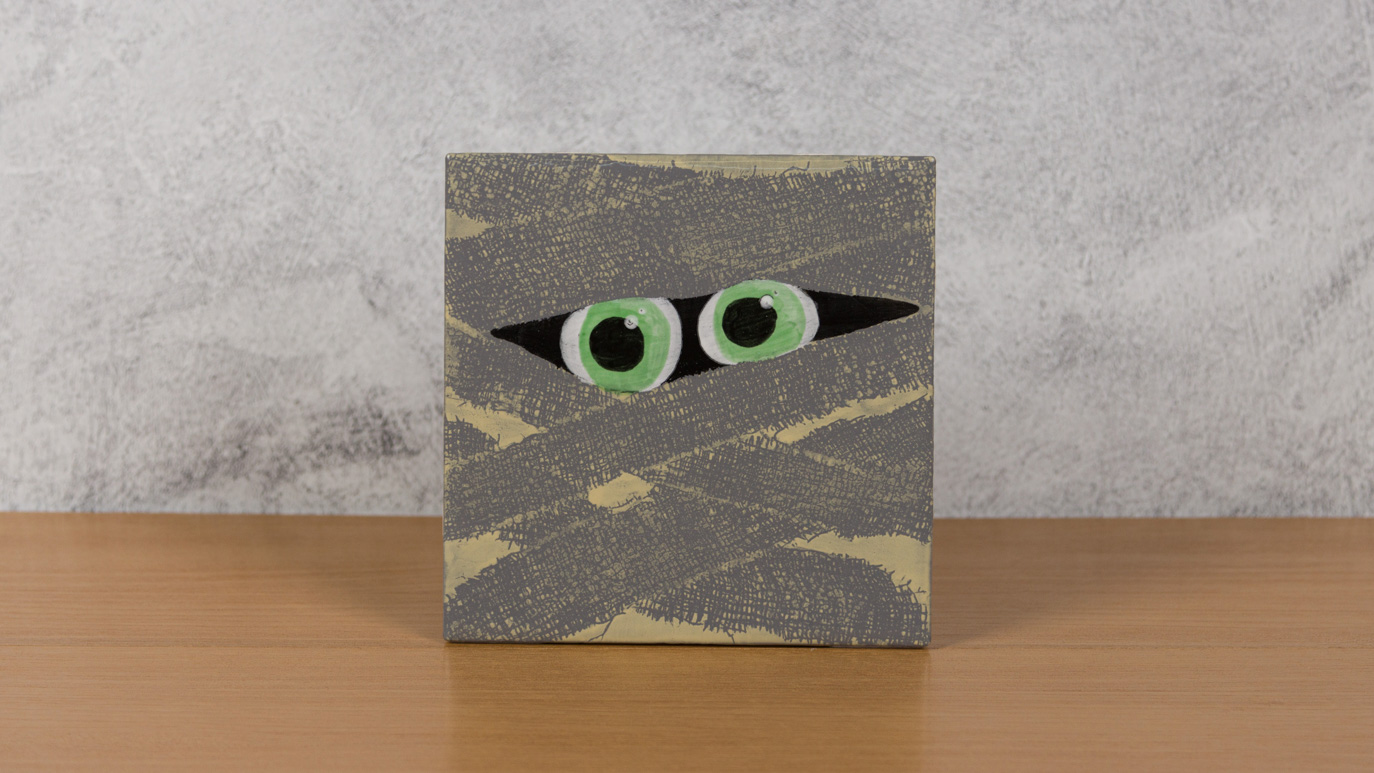
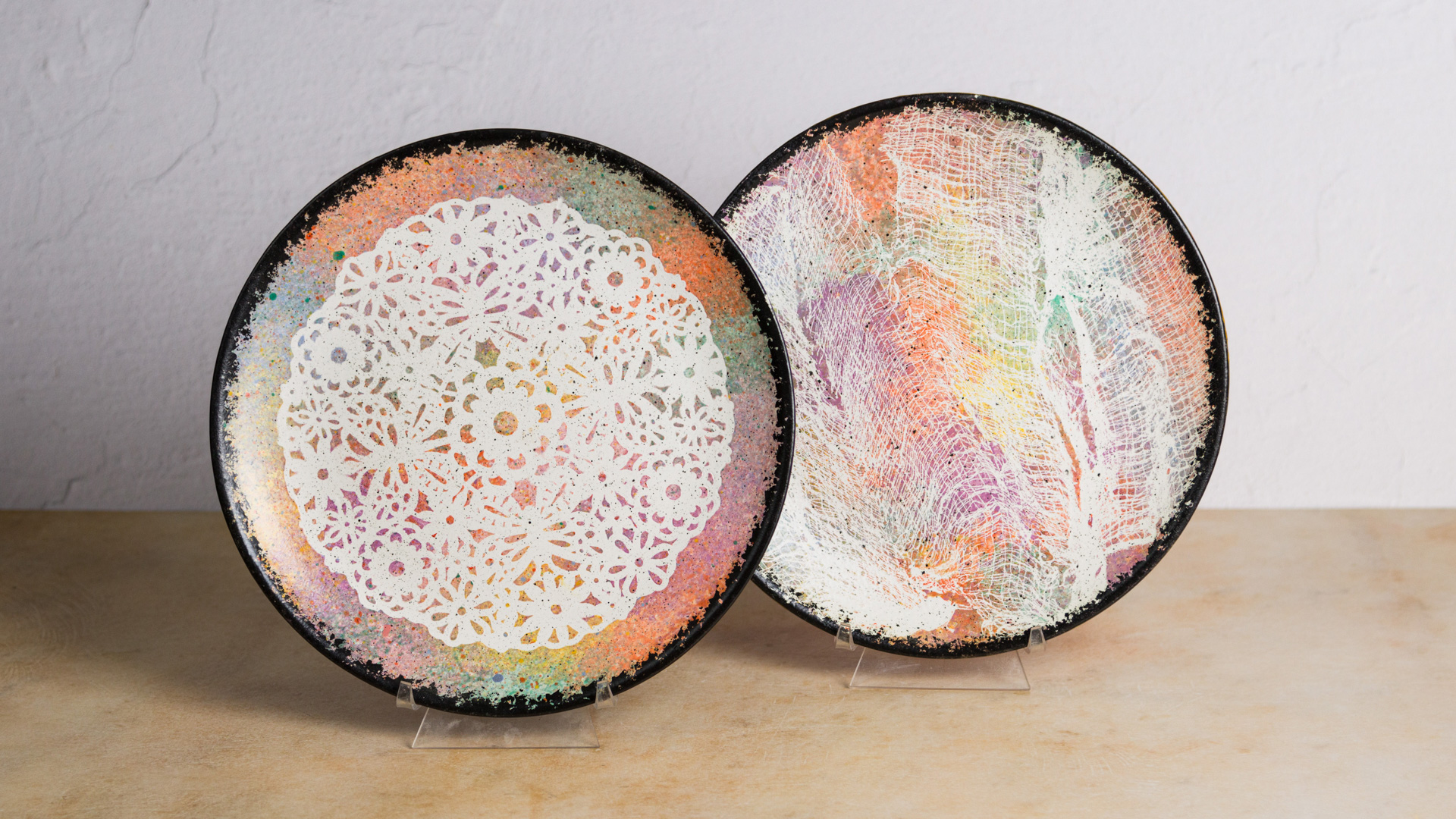
Cheesecloth with Stroke & Coat®

Cone 06 (999°C/1830°F)

Doily with E-Z Strokes®

Cone 06 (999°C/1830°F)

Tape with Speckled Stroke & Coat®

Cone 06 (999°C/1830°F)

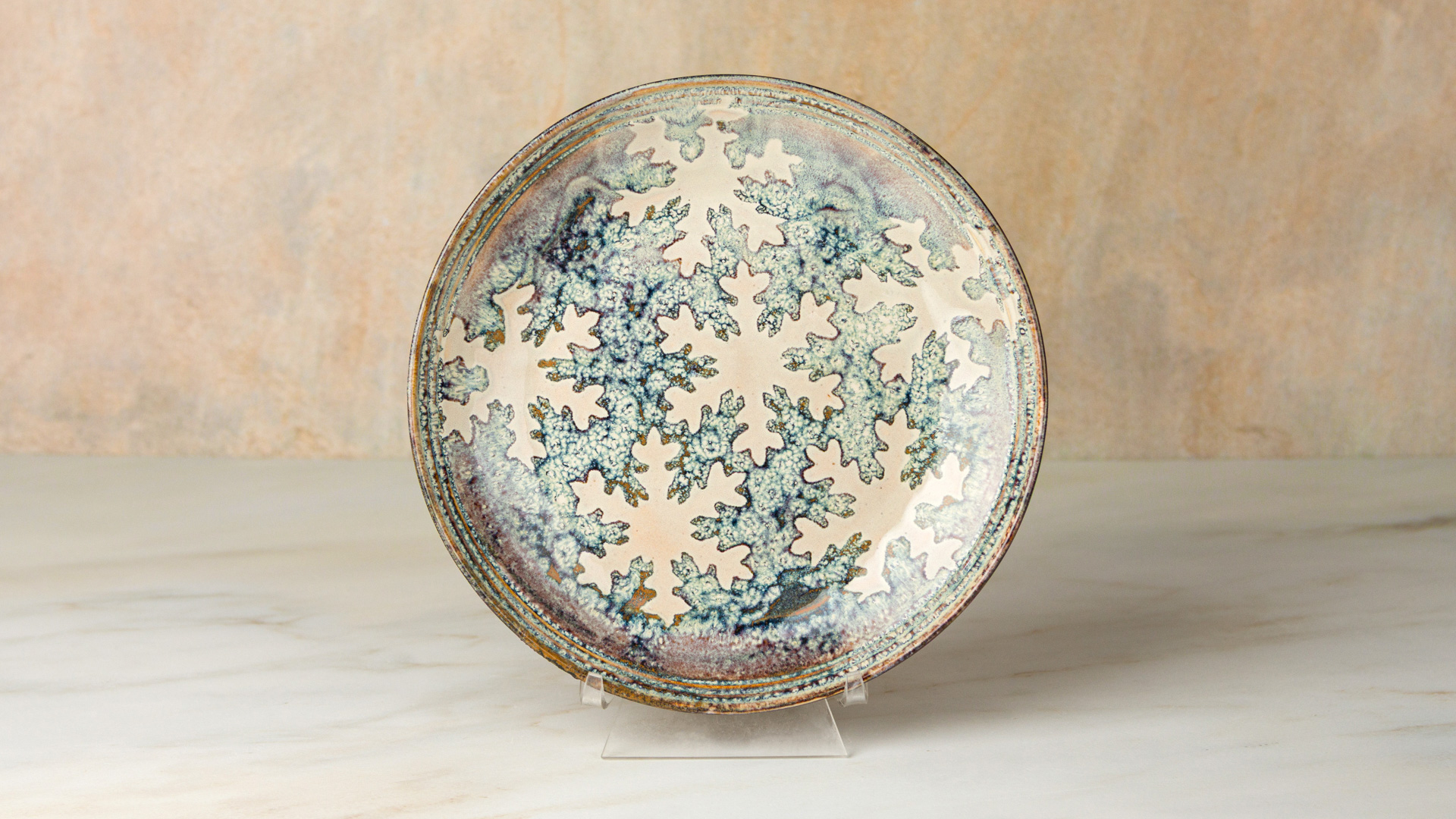
Paper cutouts with Stoneware Glazes

Cone 6 (1222°C/2232°F)

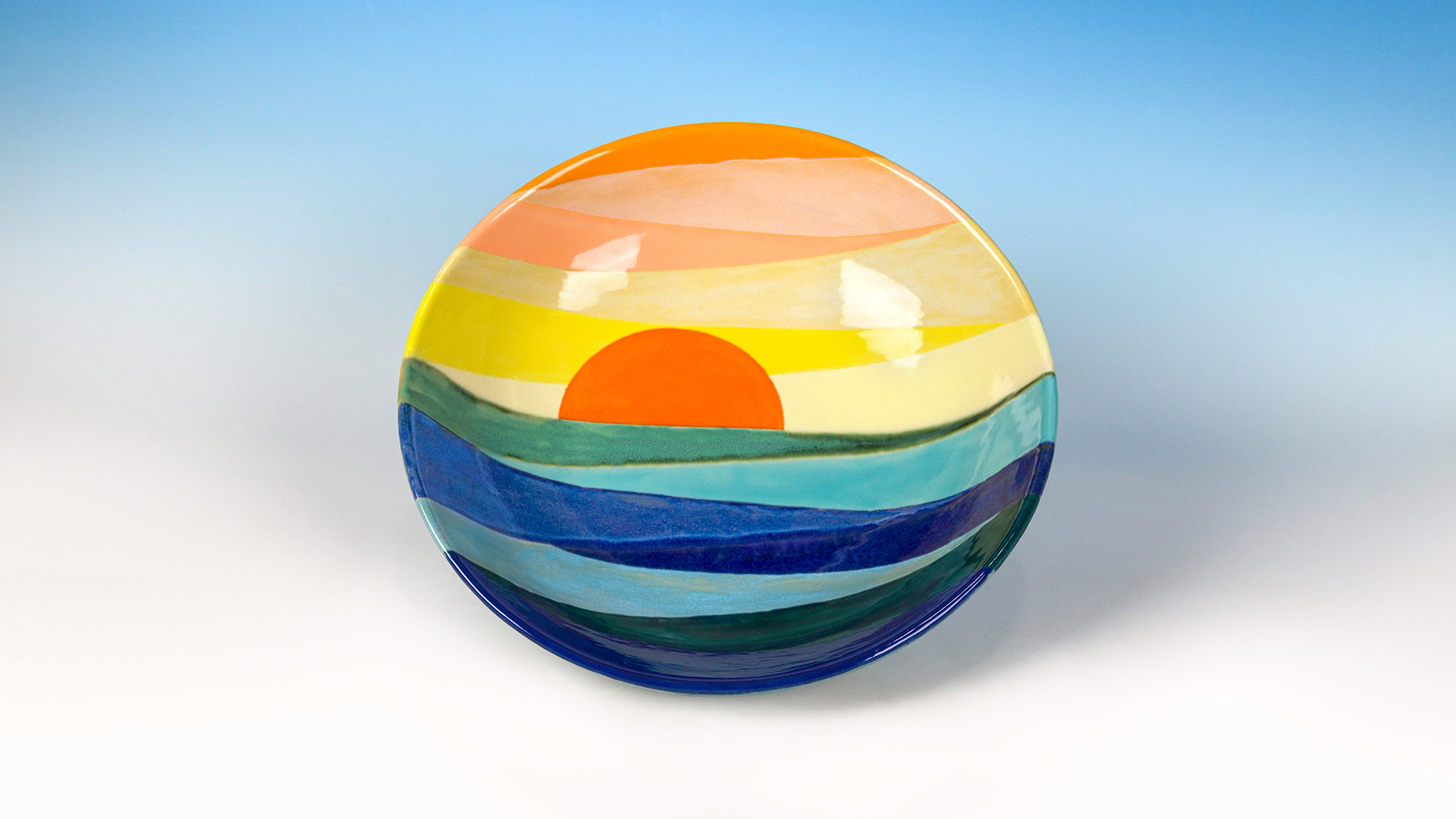
Tape with Stoneware Glazes and Stroke & Coat®

Cone 6 (1222°C/2232°F)

Top